What a Conveyor Frame Does
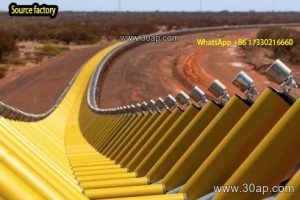
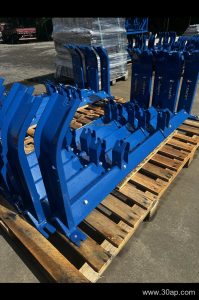
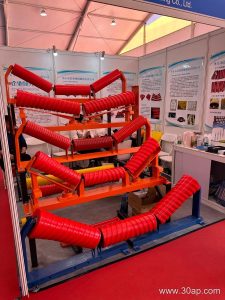
A conveyor frame is the structural backbone of a belt conveyor. It carries the idler roller sets, holds the conveyor pulley at the head and tail, and keeps the belt path straight and stable under load. In a quarry, a coal washing plant, or a cement plant, the frame is the part that ties everything together, so its design decides how well the belt tracks and how long the rollers last.
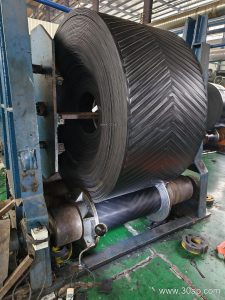
A well-built frame is more than steel beams. It sets the trough angle of the carrying idlers, controls the return belt path, and gives maintenance crews safe access to the belt line. When the frame is weak or misaligned, even a premium EP conveyor belt or steel cord conveyor belt will mistrack and wear quickly.
How the Frame Is Built
Most frames are fabricated from angle steel, channel steel, or folded steel plate. The main stringers run the length of the conveyor, and cross members hold the idler brackets at the correct spacing. Bolted construction is common for site assembly, while welded sections are used where stiffness matters most.
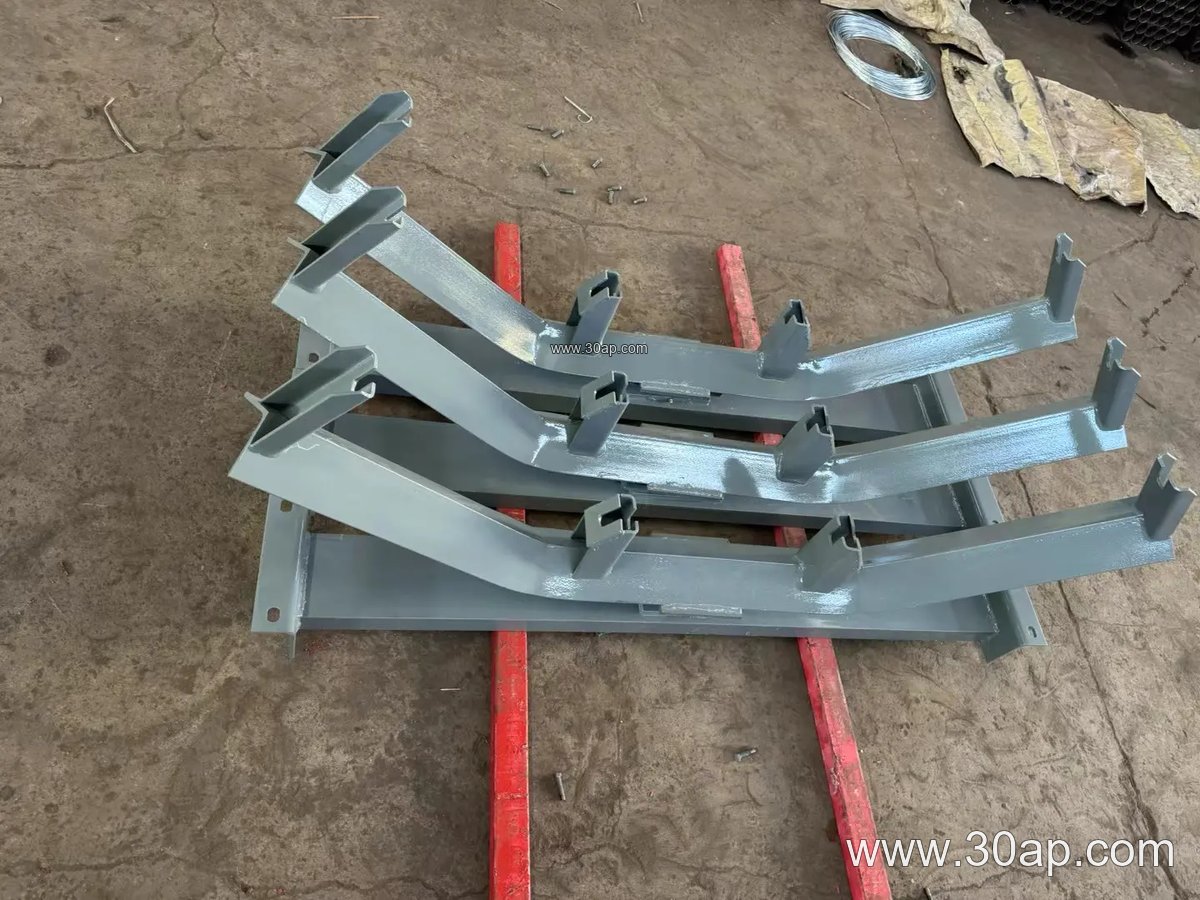
Key parts of a typical frame include:
- Main stringers and cross beams that carry the load
- Carrying idler brackets, usually set at a trough angle
- Return brackets, including V-return and flat return designs
- Conveyor bracket mounts for impact, training, and transition idlers
- Support legs, bents, and walkway attachments
Surface treatment matters in dusty and wet plants. Painted or galvanized frames are common in ports and aggregate lines, while heavier coatings suit fertilizer and chemical sites where corrosion is a concern.
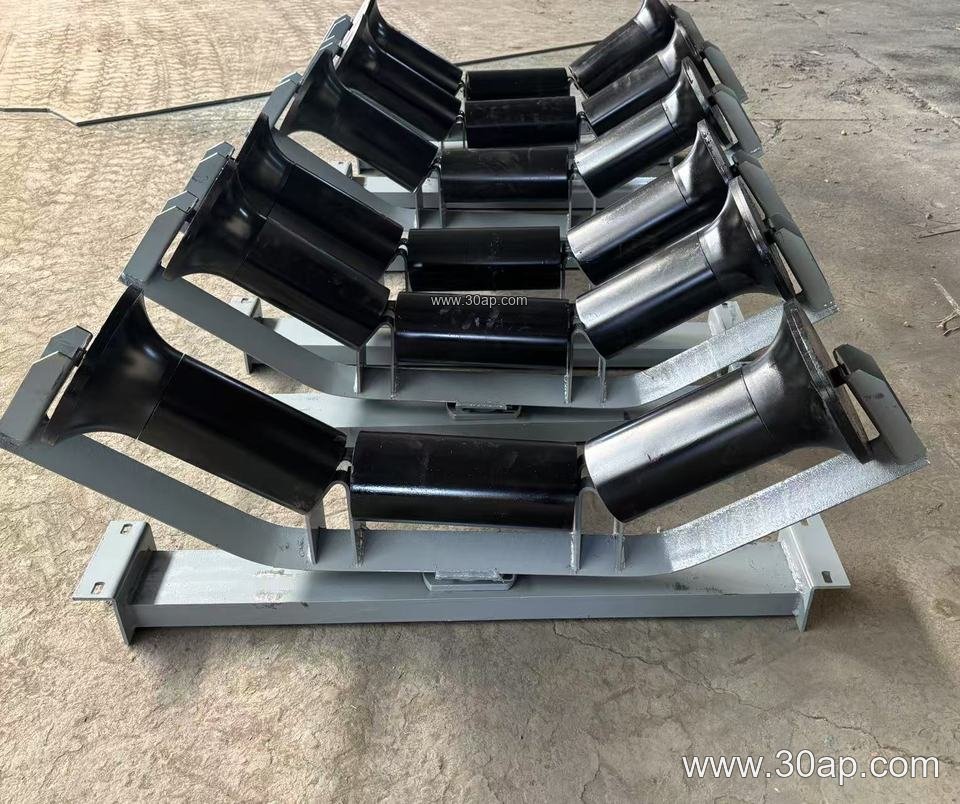
Trough Angle and Idler Fit
The trough angle is set by the carrying bracket. Common values are 20, 30, 35, and 45 degrees, and adjustable brackets allow the angle to be changed on site. A steeper trough suits a wide, heavy belt carrying lumpy material, while a shallower angle is often chosen for lighter loads or where the belt is stiff.
Belt width and roller diameter are selected together with the frame, not in isolation. Typical combinations seen in design work include B800 with a 35 degree trough and Ø108 rollers, or B1200 with a 45 degree trough and Ø133 rollers. A narrow B650 line may use 30 degrees and Ø89 rollers. These are examples only; the final choice depends on capacity, material, and belt construction.
Where Frames Are Used
Conveyor frames appear wherever bulk material moves continuously. In a limestone mine or stone crushing line, frames support abrasion resistant conveyor belts moving crushed rock. In a power plant coal yard, flame retardant conveyor belts run on frames that must resist dust and heat. Cement plants use long frames for clinker and raw meal, and steel plants use them for sinter and ore.
Frames also serve in fertilizer plants, grain silos, and tunnel spoil handling. In each case, the frame must match the environment: a washdown area needs drainage-friendly details, and an underground coal mine needs frames that fit limited space and strict fire safety rules.
Buyer Checklist
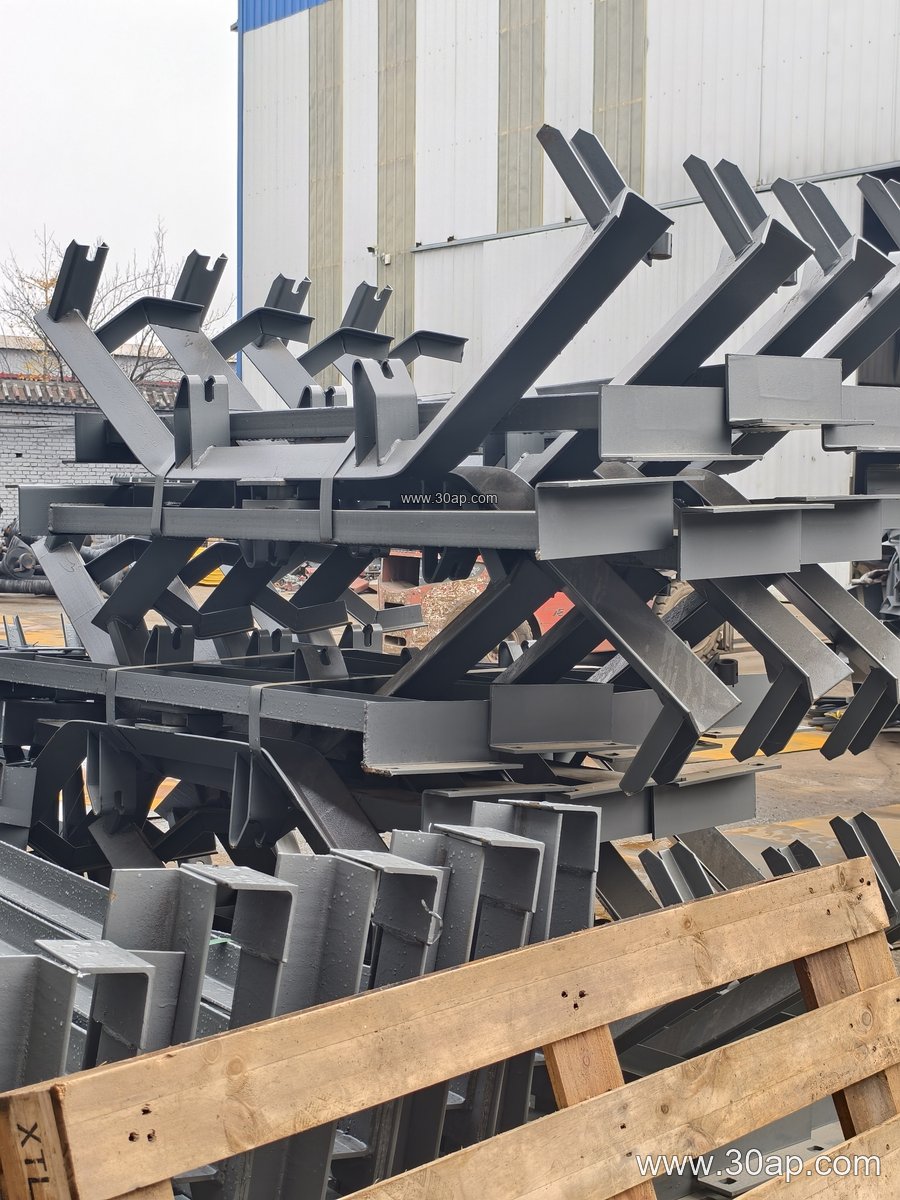
Before ordering, confirm the belt width, the trough angle, the roller diameter, and the idler spacing. Check whether the frame is fixed or adjustable, and whether impact or training brackets are needed at transfer points. Ask how the frame connects to the head and tail pulleys, since the pulley position affects belt tension and take-up.
Review the steel section size, the bolt grade, and the surface finish. For long overland lines, consider modular frames that ship in sections and bolt together on site. For a quarry conveyor belt or a mining conveyor belt carrying sharp rock, specify reinforced brackets at the load point.
Finally, plan maintenance access. A frame that allows quick roller replacement saves downtime. Whether the line runs a fabric core conveyor belt or a heavy-duty mining conveyor belt, the frame should be straight, square, and properly supported so the belt runs true for years.