What a Non-Standard Conveyor Bracket Is
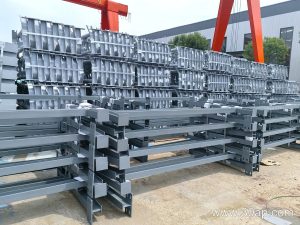
A non-standard conveyor bracket is a support frame made to a specific drawing rather than taken from a standard catalogue range. Standard brackets cover common belt widths and trough angles, but real installations often run into limits: a transfer point with little headroom, a retrofitted structure, an unusual stringer spacing, or a pulley position that no stock frame reaches. In those situations the bracket is engineered around the actual conveyor geometry, not the other way round.
In practice, the same item is often called a custom conveyor bracket, a bespoke support frame, or a made-to-order bracket assembly. These are equivalent names for the same product. It should not be confused with a drive pulley bracket, a tail pulley bracket, or a bend pulley bracket, which are separate support items for the pulleys themselves.
How the Bracket Is Built
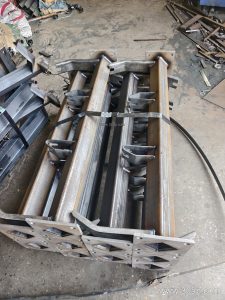
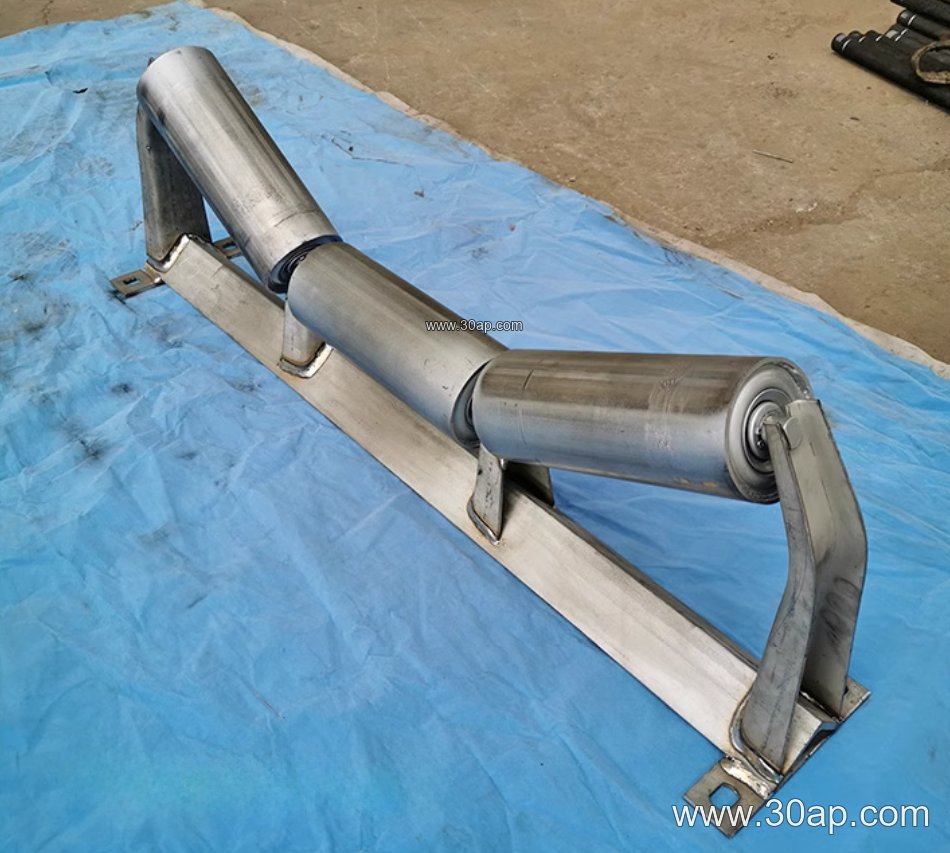
Most non-standard conveyor brackets are fabricated from angle steel, channel steel, or folded steel plate. The choice depends on load, span, and the way the frame connects to the conveyor stringers. A typical assembly includes:
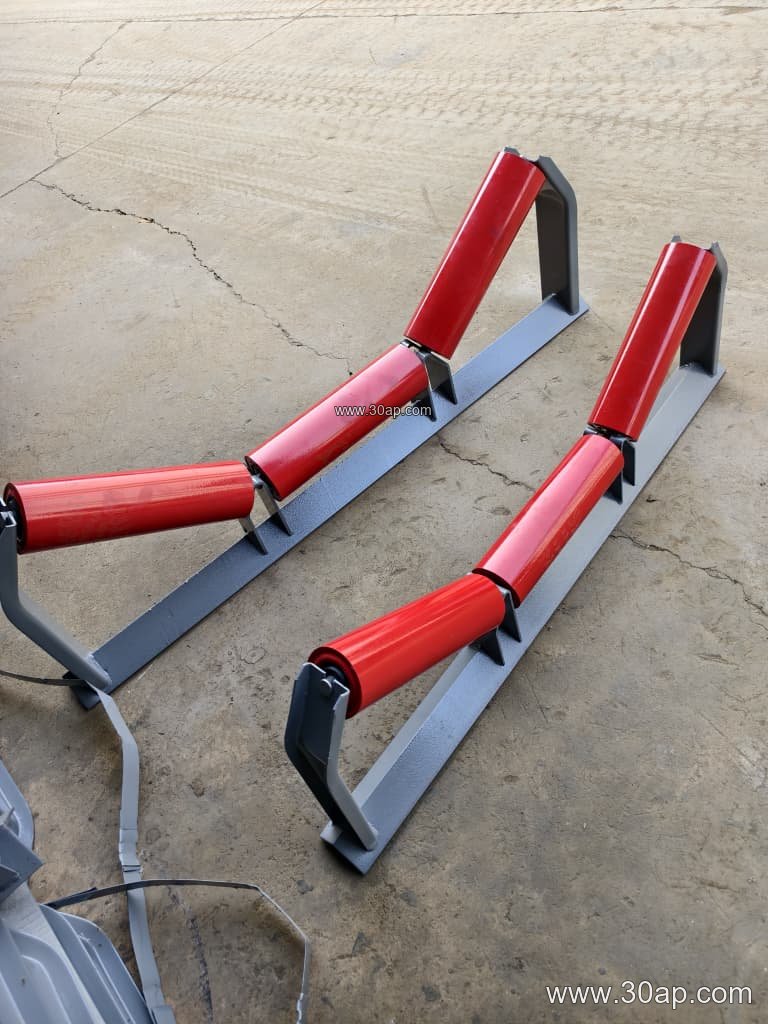
- Two side arms or a one-piece cross beam, cut and drilled to the required mounting hole spacing
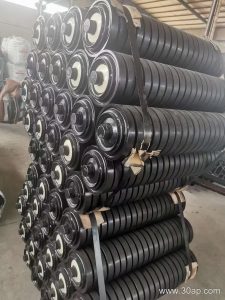
- Mounting pads or slots for idler roller shafts
- Gussets or stiffeners at welded corners
- A surface finish suited to the plant environment, such as painting or galvanizing
Because the bracket is made to order, hole pitch and beam length follow the belt width and trough angle of the specific conveyor. They are not fixed numbers. A bracket for a B800 belt at 35 degrees with Ø108 idlers will not share dimensions with one for a B1200 belt at 45 degrees with Ø133 rollers, even if both look similar at a glance.
Where Non-Standard Brackets Are Used
These frames appear wherever a conveyor has to fit an existing structure. In a limestone quarry, a discharge point may need a shortened bracket to clear a chute. In a coal washing plant, a transition bracket may be required between the tail area and the first full trough set. In a cement plant or a power plant coal yard, custom frames are common when a conveyor is upgraded in place and the old steelwork is reused.
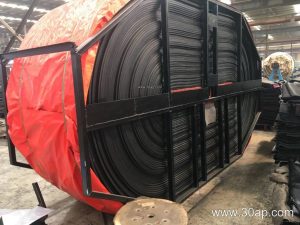
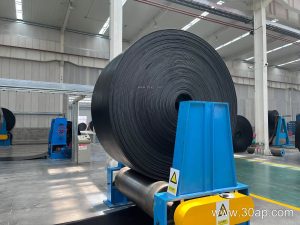
They also suit sand and gravel lines, crushing and screening plants, and port loading systems where the conveyor route changes. The bracket has to work together with the conveyor belt, the idler roller set, and nearby conveyor pulley positions, so the drawing usually starts from the belt line and works outward.
Types and Configurations
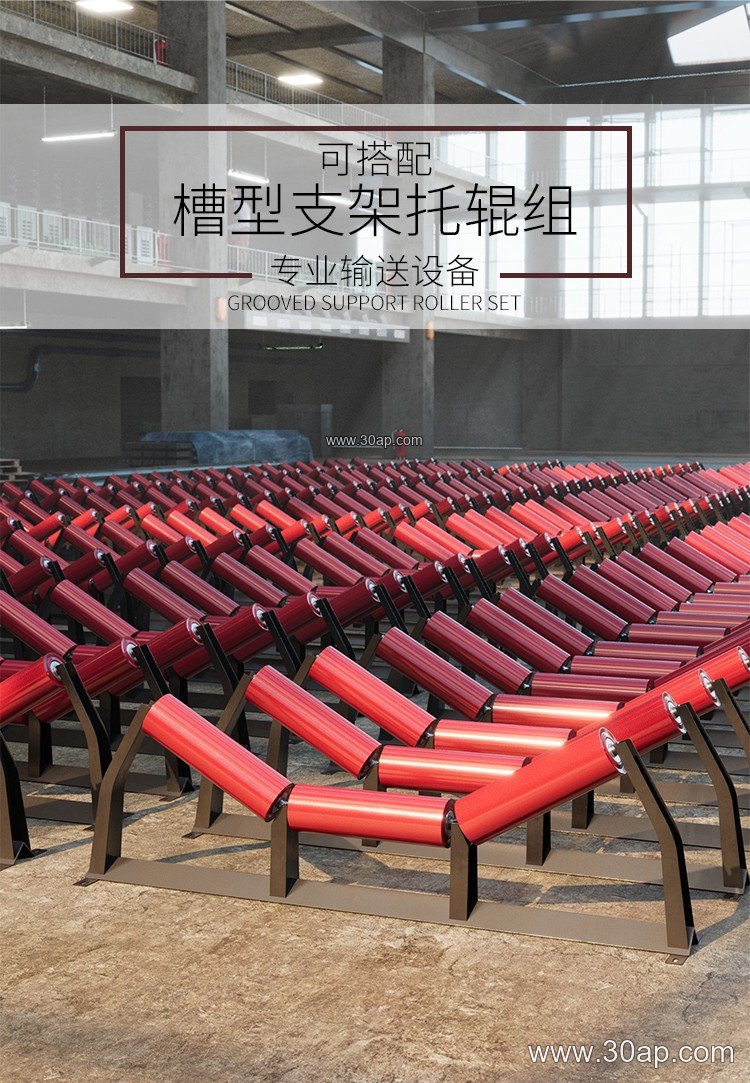
Non-standard brackets follow the same functional families as standard ones, but with dimensions adjusted to the job:
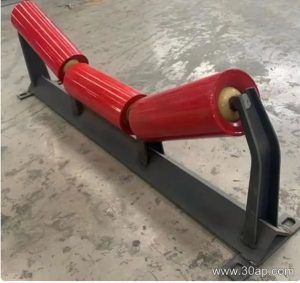
- Carrying side trough bracket, including upper trough frames and transition brackets
- Return bracket, flat or V-shaped, supporting the lower run
- Impact bracket, placed under loading points and paired with impact idlers
- Self-aligning bracket, used where belt tracking needs correction
- Forward-leaning bracket, usually set at about 1.5 to 2 degrees
- Suspended bracket, hung from overhead structure instead of floor supports
- Adjustable bracket, allowing the trough angle to be changed on site
An adjustable frame is useful where one conveyor may run different materials and the operator wants to fine-tune the trough between 20, 30, 35, or 45 degrees. A fixed frame is simpler and stiffer, and is often preferred where the duty is constant.
Typical Reference Dimensions
The table below shows common reference values, not universal specifications. Final dimensions are set by design and confirmed on the drawing.
| Item | Common Reference Range |
|---|---|
| Belt width | B500, B650, B800, B1000, B1200, B1400, B1600, B1800, B2000 |
| Trough angle | 20°, 30°, 35°, 45° |
| Idler diameter | Ø89, Ø108, Ø133, Ø159, Ø194 |
| Material | Angle steel, channel steel, folded plate |
Belt width, trough angle, and roller diameter are matched by design, not by a fixed rule. A B650 frame at 30 degrees with Ø89 rollers and a B1400 frame at 35 degrees with Ø159 rollers are both normal, and many other combinations exist.
What Buyers Should Check
Before ordering, confirm the belt width, the required trough angle, the idler shaft size, and the mounting hole spacing on the existing structure. Ask for a drawing that shows beam length, hole positions, and the connection detail. State the environment, since a frame in a wet washing plant may need a different finish from one in a dry cement silo.
It also helps to describe the material being carried. A heavy-duty mining conveyor belt or a steel cord conveyor belt running ore imposes different loads from a lightweight fabric core belt in a fertilizer plant. Mention whether the line uses an EP conveyor belt, an NN conveyor belt, or a flame retardant conveyor belt for underground coal mining, because belt stiffness and troughability affect how the frame should be set.
Finally, keep spare brackets and idler rollers consistent with the original drawing. A non-standard bracket is only as good as its documentation, so keep the drawing number with the equipment file. For related components such as conveyor idlers and pulleys, buyers can review options at brconveyorbelt.com and compare frame details before placing an order.