What Is a V-Type Idler Bracket?
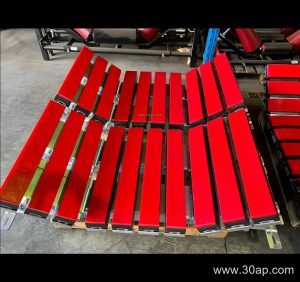
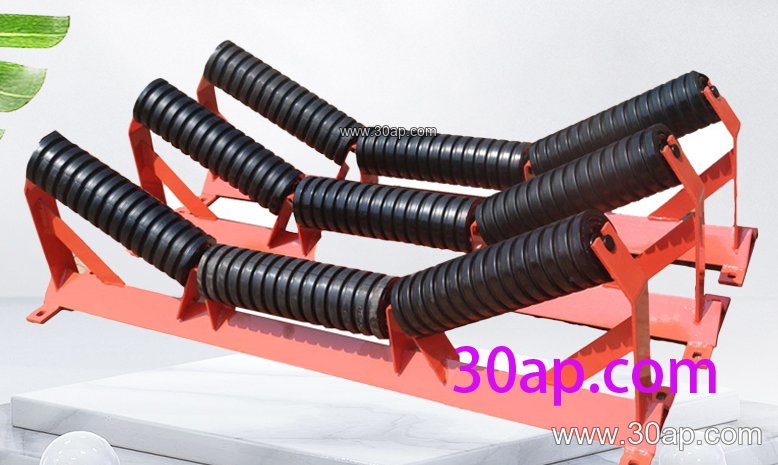
A V-type idler bracket is a support frame that holds two idler rollers in a V-shaped configuration, typically used on the return side of a conveyor belt. This bracket, also known as a V-return idler bracket, helps to train the belt and prevent it from wandering off course. It is a common component in bulk material handling systems across industries such as mining, cement, and power generation.
Construction and Design
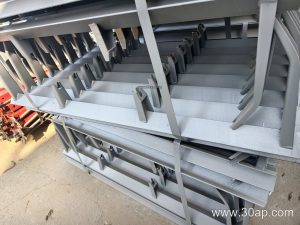
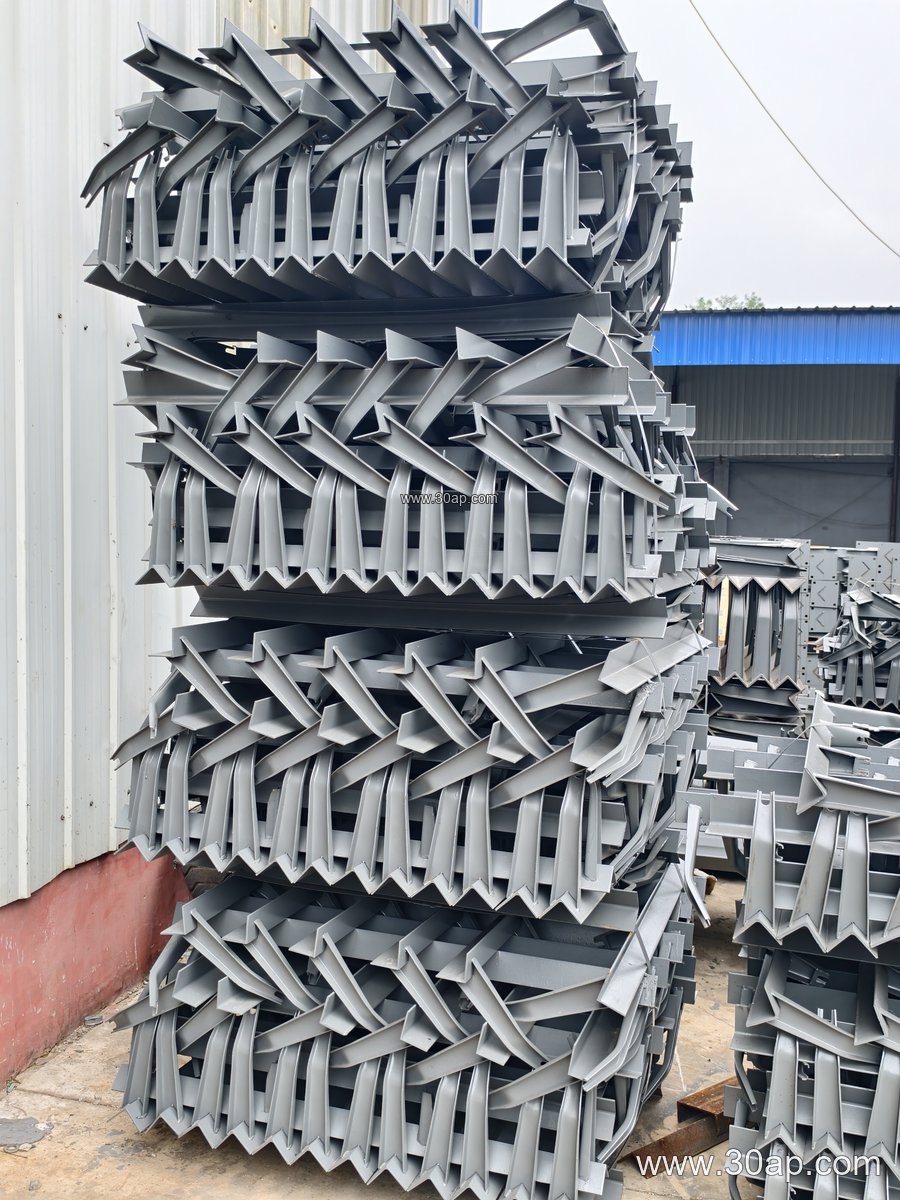
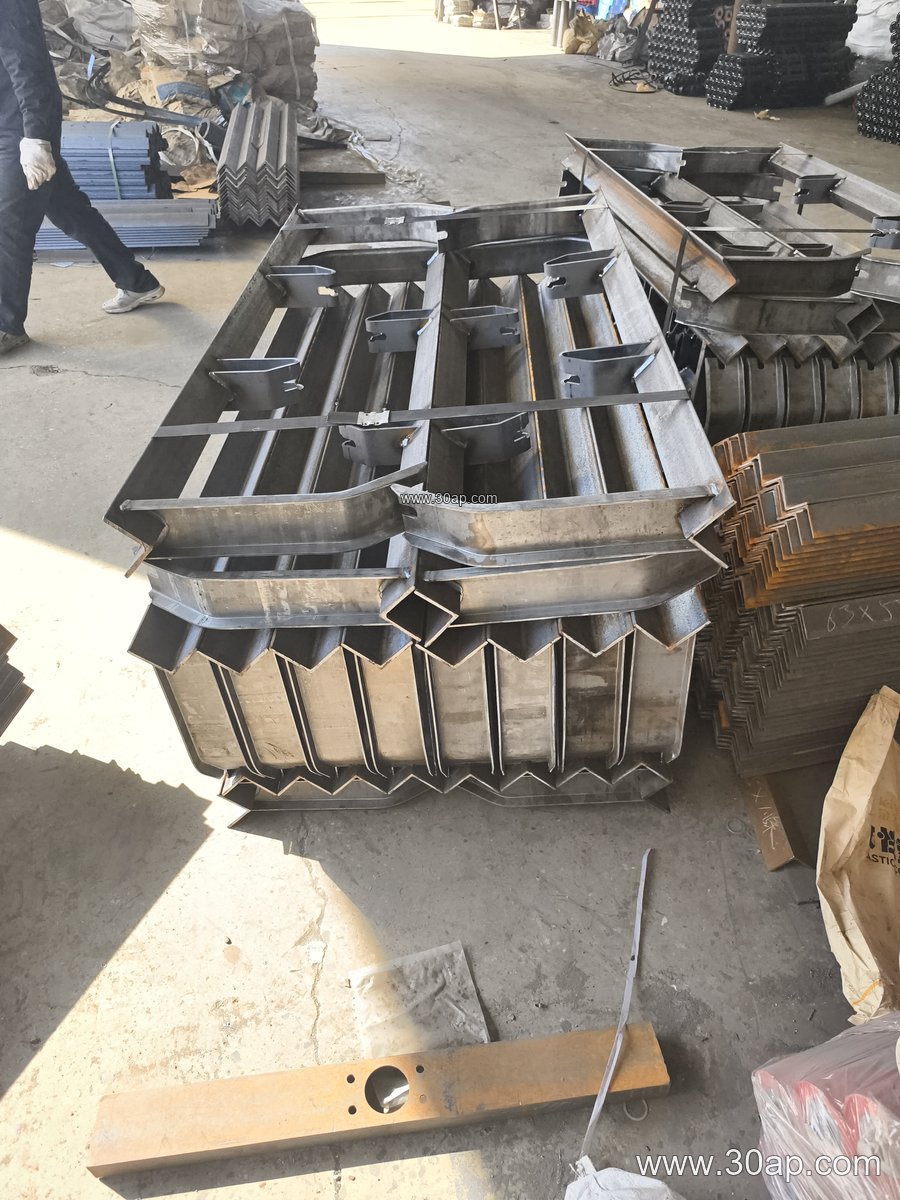
V-type idler brackets are usually fabricated from angle steel, channel steel, or bent steel plate. The V-shape is formed by two inclined arms that support the idler rollers at an angle, which can vary depending on the application. Common angles for V-return brackets are around 10 to 20 degrees from horizontal, but this is not fixed and depends on the conveyor design. The bracket is mounted to the conveyor stringers and must be sturdy enough to withstand the load of the returning belt and any material carryback.
Materials and construction should match the conveyor environment. In corrosive or wet conditions, galvanized or painted finishes may be specified. For heavy-duty applications, thicker steel sections are used. The bracket may include adjustable features to fine-tune the idler position for optimal belt tracking.
Where It Is Used
V-type idler brackets are found in a wide range of conveyor systems. In coal mining, they help keep the return belt aligned in dusty and potentially explosive atmospheres. In cement plants, they support the belt on the return run where abrasive dust is present. Power plants use them in coal handling systems, and quarries rely on them for aggregate conveyors. They are also common in port facilities, steel mills, and fertilizer plants.
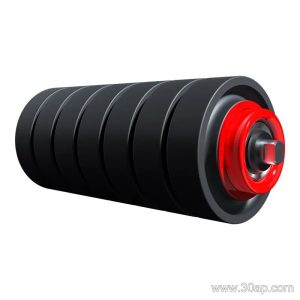
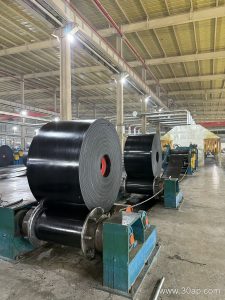
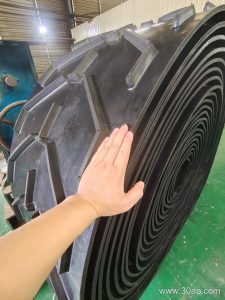
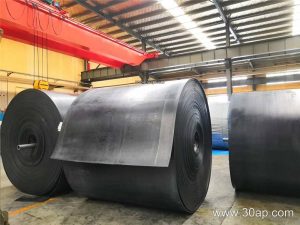
These brackets are often paired with other conveyor components such as conveyor pulleys, idler rollers, and the conveyor belt itself. For example, a heavy-duty mining conveyor belt might be supported by V-return brackets to maintain proper tension and alignment. In some cases, a flame retardant conveyor belt is used in underground mining, and the V-type bracket must be compatible with the overall fire safety design.
Key Considerations for Buyers
When selecting a V-type idler bracket, several factors should be considered. First, the belt width and idler diameter must be matched to the bracket’s dimensions. Common belt widths include B500, B650, B800, B1000, B1200, and B1400, among others. Idler diameters often range from Ø89 to Ø194. The bracket’s mounting hole spacing and crossbeam length will vary with belt width and trough angle, so these should be confirmed with the manufacturer.
Second, the trough angle of the V-return bracket should be appropriate for the belt and load. While 20, 30, 35, and 45 degrees are common for carrying idlers, V-return brackets typically use smaller angles. Adjustable brackets allow changes between angles to optimize belt tracking.
Third, the material and finish should suit the environment. For instance, in a coal mining conveyor system, a flame retardant conveyor belt may be used, and the bracket should be robust enough to handle the load. In a quarry, an abrasion resistant conveyor belt might be paired with heavy-duty brackets to withstand harsh conditions.
Finally, consider compatibility with other components. The V-type idler bracket should work seamlessly with the idler rollers and the conveyor belt. For high-strength applications, a steel cord conveyor belt may require particularly sturdy brackets. In food processing, a food grade conveyor belt might be used, and the bracket should be easy to clean.
Maintenance and Longevity
Regular inspection of V-type idler brackets is important to ensure they remain properly aligned and free of damage. Worn or bent brackets can cause belt mistracking and increased wear on the conveyor belt. Lubrication of moving parts, if applicable, and tightening of bolts should be part of routine maintenance. In dusty environments, such as a cement plant or coal yard, cleaning the brackets to prevent material buildup is also recommended.
By choosing the right V-type idler bracket and maintaining it well, operators can extend the life of their conveyor system and reduce downtime. Whether in a mining conveyor belt system or a power plant coal conveyor, this small component plays a vital role in keeping the belt running smoothly.