What the 10mm Gauge Means in an EP Conveyor Belt
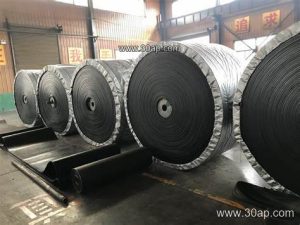
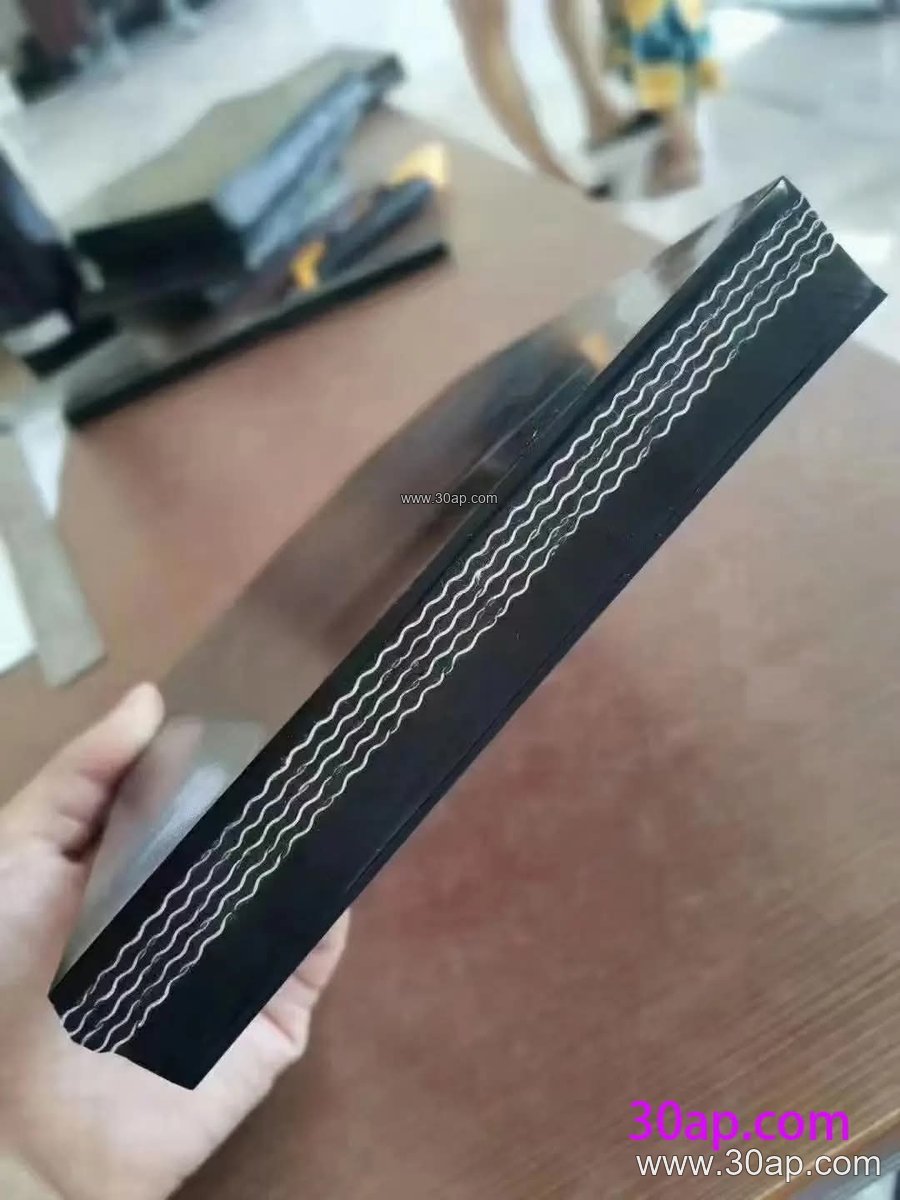
An EP conveyor belt, 10mm thick, is a fabric-core belt built around polyester (E) and nylon (P) warp and weft yarns. The 10mm figure refers to the total belt thickness, which is the sum of the top cover, the fabric core, and the bottom cover. In practice, a 10mm belt often combines a cover such as 6+2 mm or 8+3 mm with a multi-ply EP carcass, though the exact split is set by the belt designer. This thickness class sits in the heavy-duty range and is common in mining, quarrying, cement, and power plant circuits where abrasion and impact are routine.
Construction and Carcass Options
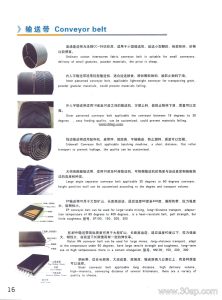
The carcass is the strength member. EP fabric plies are bonded with rubber skim and topped with a wear-resistant cover. A 10mm thick EP belt may use 2 to 6 plies depending on the required tensile strength. Common strength grades include EP200, EP400, EP630, EP1000, and EP1250, with higher grades such as EP1600 and EP2000 available for demanding duty. The cover compound can be selected for abrasion resistance, heat resistance, oil resistance, flame retardancy, or anti-static service. For comparison, an NN conveyor belt uses nylon both in warp and weft, while a steel cord conveyor belt relies on steel wires for very high tension and long center distances. The EP belt remains a practical middle ground for general bulk material handling.
Typical Service Environments
These belts are frequently found in primary and secondary crushing circuits, overland conveyors, and stockyard systems. In a coal mining conveyor belt or underground mining conveyor belt, flame retardant and anti-static properties are often specified. In a cement plant conveyor belt or power plant conveyor belt, heat resistant and abrasion resistant covers help manage clinker, limestone, and ash. Quarry conveyor belts and aggregate conveyor belts handle sharp rock and gravel, where a high abrasion resistant conveyor belt cover extends service life. The 10mm thickness provides a good balance of cut resistance and flexibility around conveyor pulleys.
Specification Reference
The following values are common reference points, not universal guarantees. Final specifications should be confirmed with the belt manufacturer for each application.
| Parameter | Common Reference |
|---|---|
| Belt type | EP fabric core conveyor belt |
| Total thickness | 10 mm |
| Strength grades | EP200, EP400, EP630, EP800, EP1000, EP1250 |
| Widths | B500, B650, B800, B1000, B1200, B1400, B1600 |
| Cover combinations | 4+2 mm, 5+2 mm, 6+2 mm, 8+3 mm |
| Ply count | 2 to 6 plies |
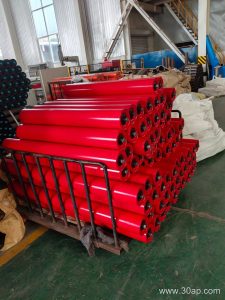
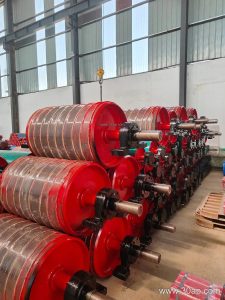
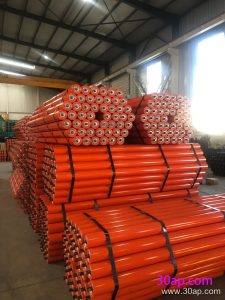
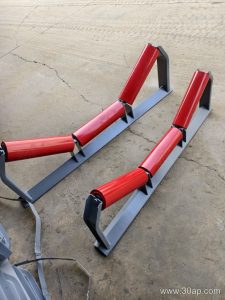
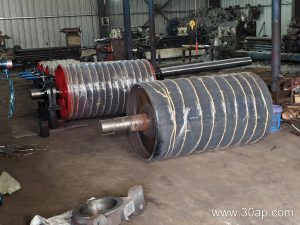
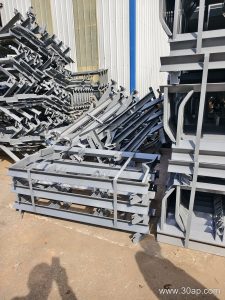
Belt width and pulley diameter are matched by conveyor design, not by a fixed rule. A 10mm EP belt can run on a range of pulley sizes depending on the load and troughing arrangement. Idler roller spacing, conveyor bracket type, and pulley lagging all influence belt life.
Selection and Maintenance Notes
- Confirm the maximum lump size and drop height; impact resistant conveyor belt covers may be needed at transfer points.
- Check the ambient and material temperature; heat resistant conveyor belt grades are available for hot clinker or sinter.
- For underground coal mining conveyor belt service, verify flame retardant and anti-static requirements with the belt supplier.
- Inspect idler rollers and conveyor pulleys regularly for seized bearings or worn lagging, which can damage the belt edge.
- Track belt tension and alignment; a 10mm thick belt should not be over-tensioned to compensate for poor loading conditions.
Whether the circuit is a gold mining conveyor belt, an iron ore conveyor belt, or a port conveyor belt, the EP conveyor belt, 10mm thick, offers a robust fabric-core solution when specified against the actual duty. Buyers should request a data sheet showing cover grade, ply count, strength grade, and recommended pulley diameter range before ordering.