What the PVG800 Conveyor Belt Is
The PVG800 Conveyor Belt is a solid-woven, PVC-based conveyor belt with rubber covers, commonly specified for underground coal mining and other demanding bulk material transport. In the PVG family, the number indicates the belt’s longitudinal tensile strength in newtons per millimetre of width, so PVG800 denotes a belt rated at 800 N/mm. It belongs to the same product group as the PVG800S Conveyor Belt, a variant with its own cover and construction details. Where a fabric-core belt is preferred over steel cord, this solid-woven construction offers a good balance of strength, flexibility and flame resistance.
Because it is a single-ply solid-woven carcass rather than a multi-ply build, the PVG800 Conveyor Belt resists delamination and holds its fasteners well. That matters in mines where belts are spliced, shortened and re-routed as the face advances.
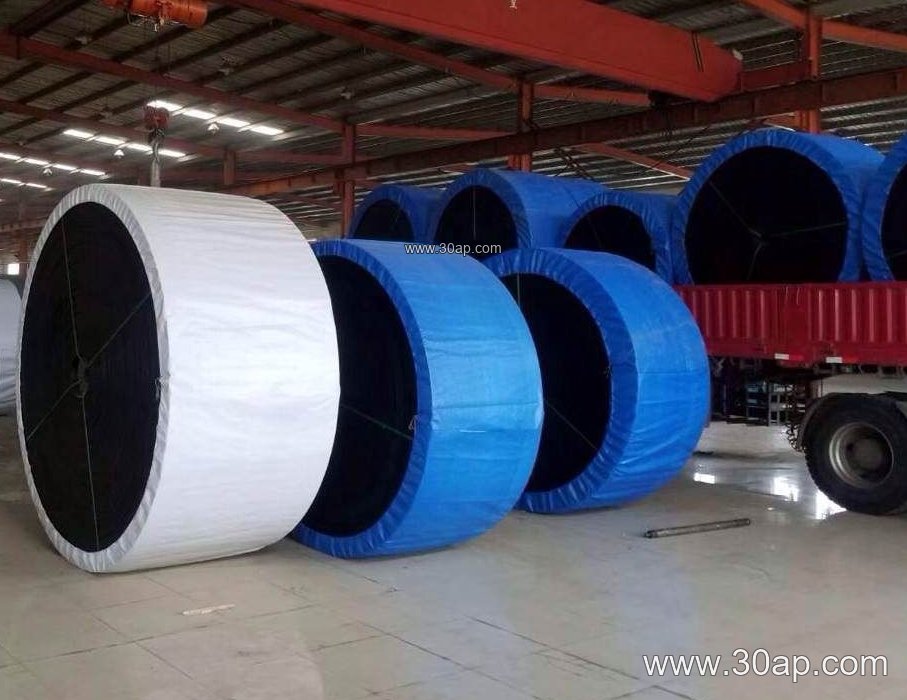
Construction and Surface Options
The carcass is a tightly woven fabric fully impregnated with PVC, which gives the belt its dimensional stability and resistance to moisture. Rubber covers are bonded to both faces; cover thickness and compound are selected for the duty. Typical cover grades available across the PVG range include flame retardant, anti-static, abrasion resistant and, where needed, oil resistant versions.
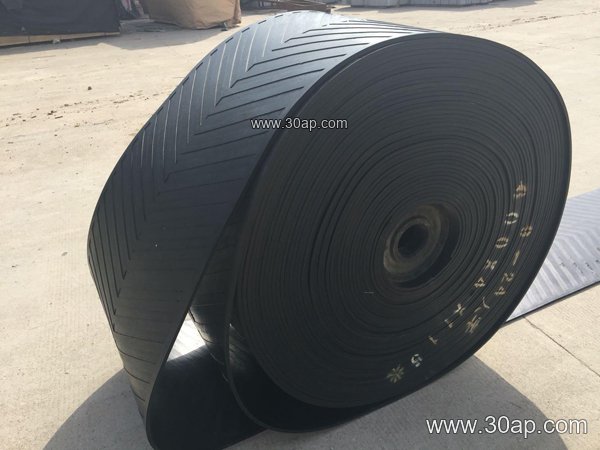
- Solid-woven PVC carcass with rubber covers
- Flame retardant and anti-static properties for underground service
- Cover grades for abrasion, oil or heat exposure
- Available with chevron or plain surfaces depending on the incline
- Suitable for mechanical fasteners and vulcanized splicing
The PVG800S Conveyor Belt is often chosen where a slightly different cover formulation or surface pattern is required, but the base solid-woven concept remains the same. For comparison, an EP Conveyor Belt or NN Conveyor Belt uses multi-ply fabric layers, while a Steel Cord Conveyor Belt relies on steel tension members for very long, high-tension routes. Those are different constructions and are not substitutes for the PVG800.
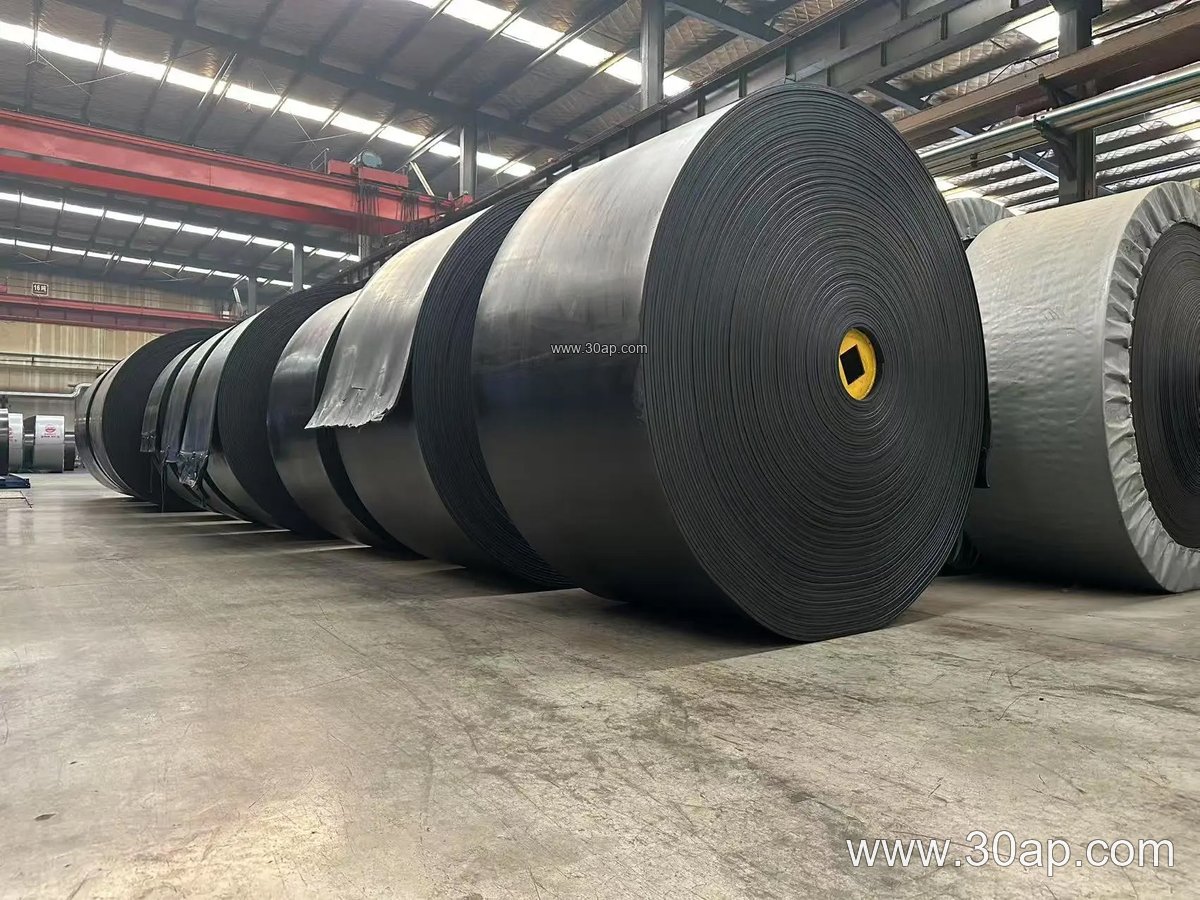
Typical Specifications
The figures below are common reference values, not fixed universal specifications. Actual belt width, cover thickness and carcass build are confirmed with the manufacturer for each conveyor design.
| Parameter | Common Reference Range |
|---|---|
| Longitudinal strength | PVG800 (800 N/mm) |
| Belt width | B500, B650, B800, B1000, B1200, B1400, B1600 |
| Cover thickness | 3+1.5, 4+2, 5+2, 6+2 mm |
| Carcass type | Solid-woven PVC with rubber covers |
| Surface form | Plain, chevron or profiled |
| Special properties | Flame retardant, anti-static, abrasion resistant |
Belt width and pulley diameter are matched through the conveyor design calculation, not by a single rule. A wider belt does not automatically dictate one specific pulley size; the drive pulley, tail pulley and bend pulleys are sized from tension, wrap angle and shaft load.
Where It Fits in the Plant
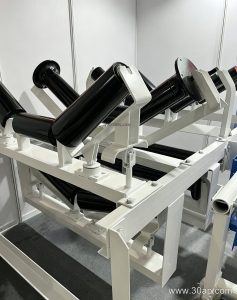
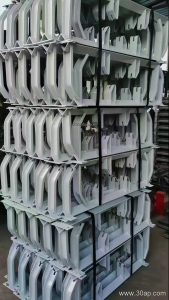
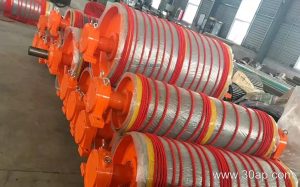
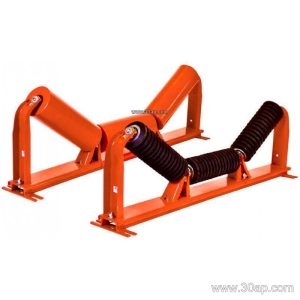
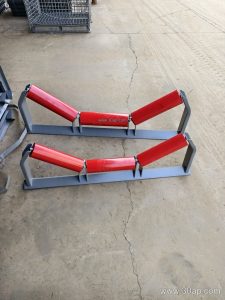
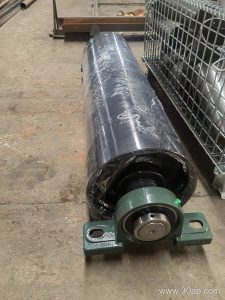
Underground coal mining is the classic application, and the PVG800 Conveyor Belt is also found in coal preparation plants, power plant coal yards, cement works and quarry operations handling abrasive rock. In these circuits the belt runs over idler rollers, around conveyor pulleys and on conveyor brackets that keep the structure aligned. A flame retardant Conveyor Belt grade is normally specified for underground work, while above-ground sections may use a high abrasion resistant Conveyor Belt cover where the material is sharp and heavy.
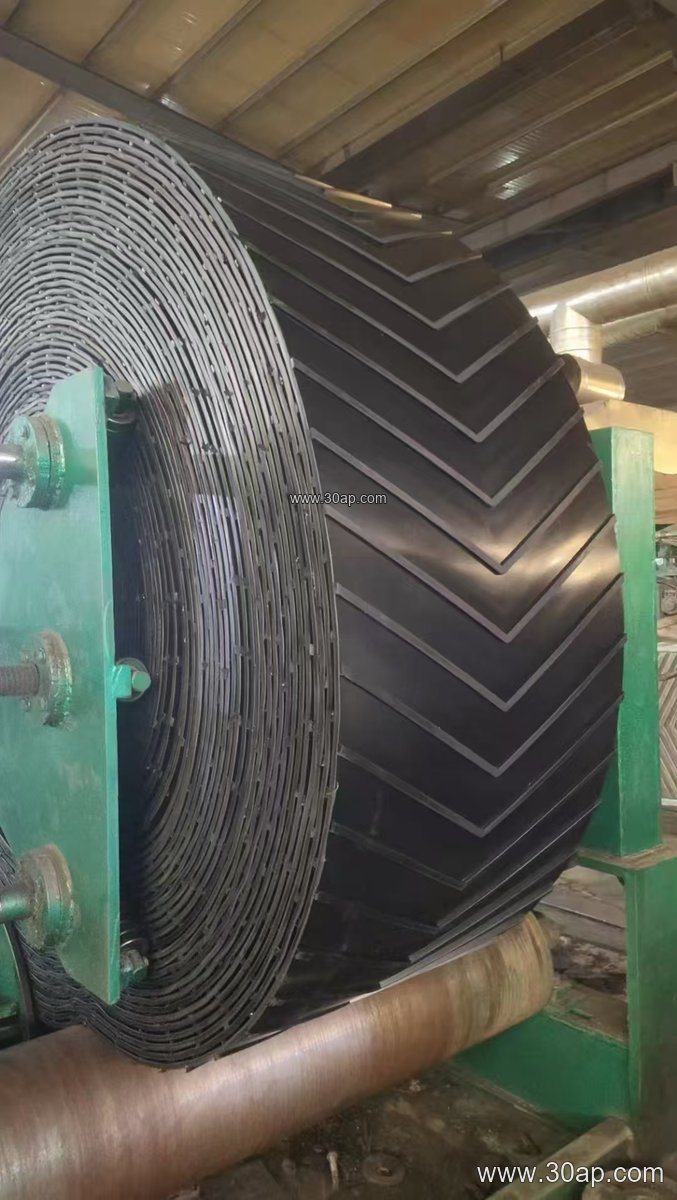
Other industries use the same solid-woven concept for sand and gravel, fertilizer handling and general bulk material transport. Where the route climbs steeply, a chevron or corrugated sidewall version may be considered, but the PVG800 remains the base product discussed here.
Buyer Checklist
- Confirm the required tensile grade; PVG800 is not the only option in the family.
- State the belt width and cover thickness needed for the conveyor frame.
- Specify flame retardant and anti-static requirements for underground service.
- Match cover compound to the material: abrasive, oily, hot or wet.
- Check splice method and fastener compatibility with the solid-woven carcass.
- Review pulley diameters, idler spacing and take-up travel with the conveyor designer.
- Ask for the manufacturer’s data sheet rather than relying on generic tables.
For a full conveyor package, the belt is only one item; idler roller selection, conveyor pulley sizing and bracket layout all affect belt life. Buyers comparing a PVG800 Conveyor Belt with an EP or steel cord alternative should weigh route length, tension, fire safety rules and splice frequency before deciding.