What the Self-Aligning Idler Bracket Does
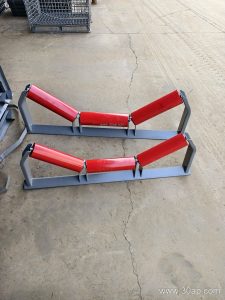
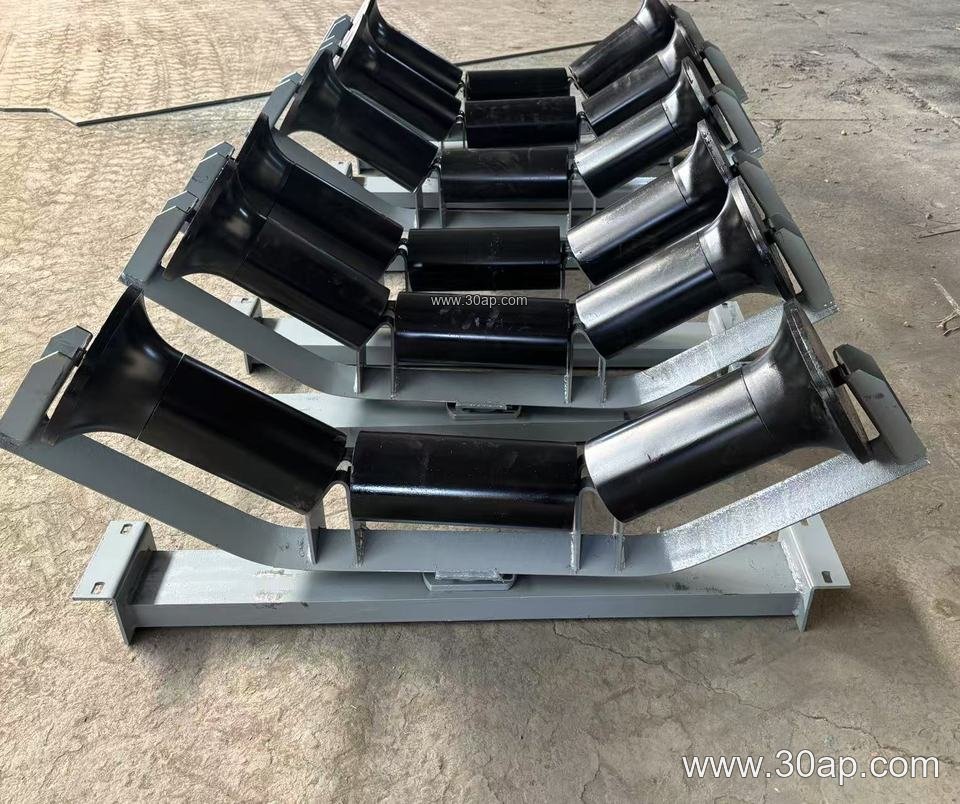
A self-aligning idler bracket is the mounting frame that holds a training idler assembly and lets it pivot so the rolls steer a drifting conveyor belt back toward the center line. Unlike a fixed trough bracket, this bracket is built to move. The idler rolls sit in a cradle that swings on a vertical pivot, and when the belt edge contacts the rolls at an angle, the resulting force turns the assembly slightly, which nudges the belt back on track. In a quarry, a coal handling plant or a cement kiln feed line, a small amount of misalignment can quickly become edge damage and spillage, so this bracket is often installed at intervals along the carrying side and sometimes on the return run.
Construction and Mounting Position
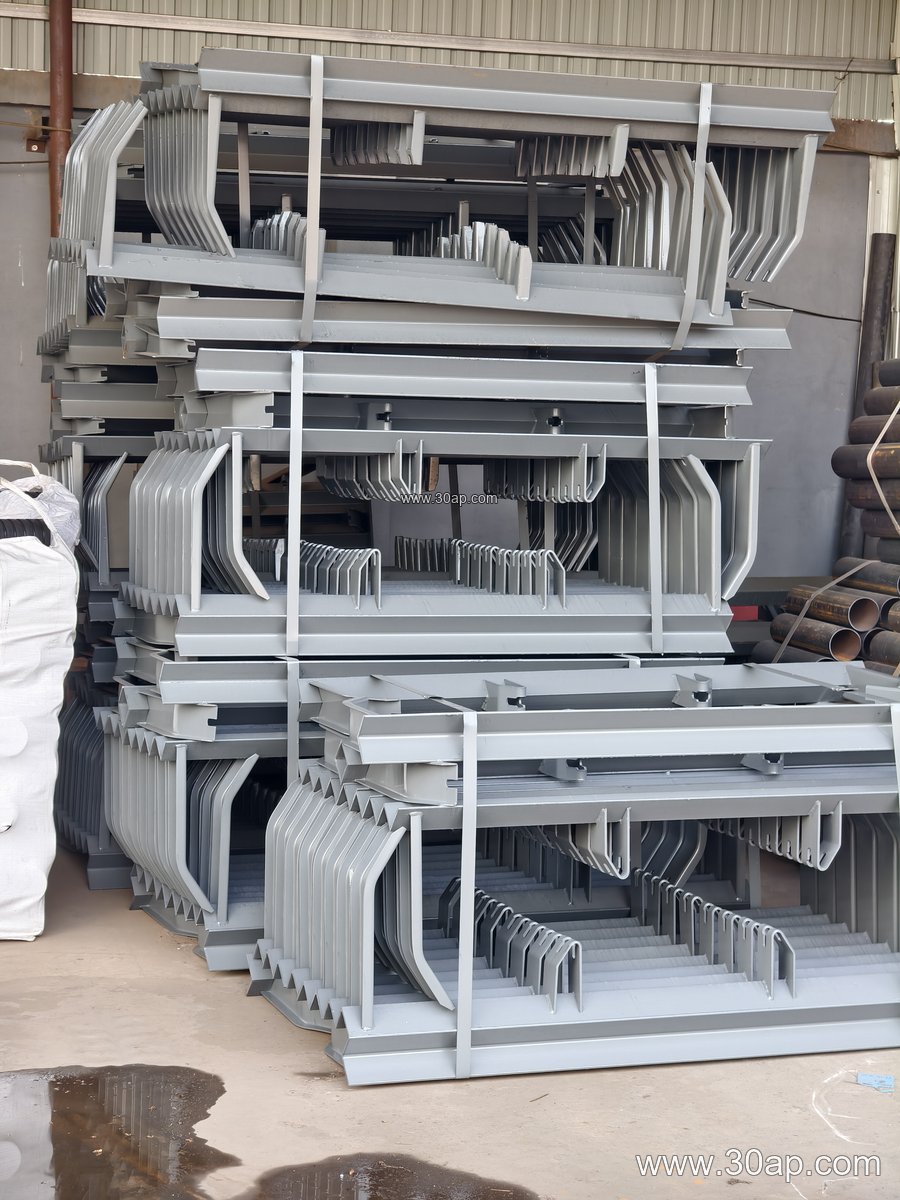
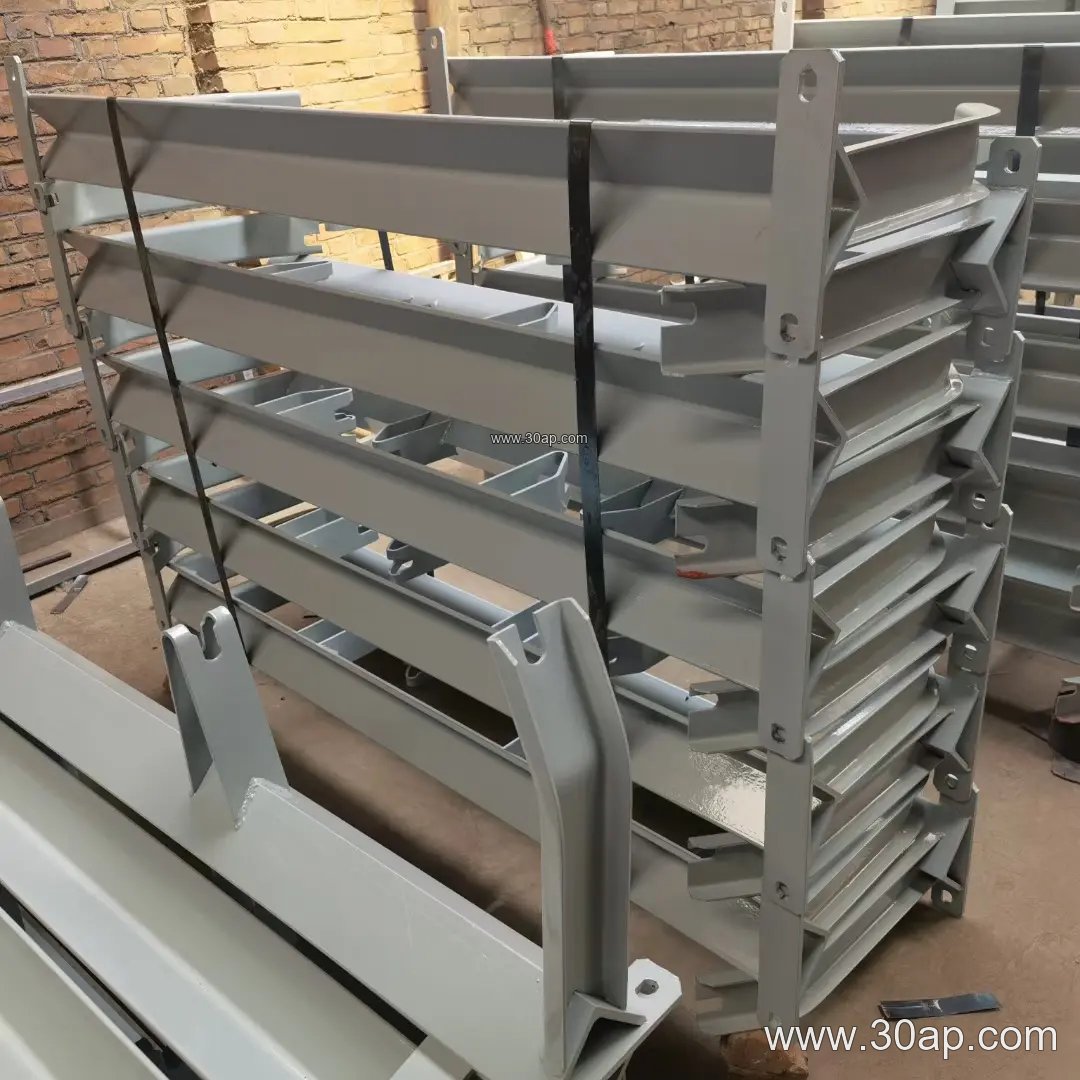
Most units are fabricated from angle steel, channel steel or folded steel plate, with a pivot shaft, thrust bearing and stop lugs that limit rotation. The frame is bolted to the conveyor stringer, and the pivot axis is set vertical so the cradle can rotate freely under load. A self-aligning idler bracket is usually placed after the loading point, before the head pulley, and at intervals where belt wander is known to occur. It should not be confused with a bend pulley or a tail pulley; those are separate components that change belt direction, while this bracket only supports and guides the belt through its idler rollers.
Common bracket reference data
| Item | Typical range |
|---|---|
| Belt width | B500, B650, B800, B1000, B1200, B1400, B1600, B1800 |
| Trough angle | 20, 30, 35, 45 degrees |
| Idler diameter | Ø89, Ø108, Ø133, Ø159, Ø194 |
| Material | Angle steel, channel steel, folded plate |
These values are common references, not fixed pairings. A B800 frame may be supplied with 30 or 35 degrees and Ø108 rolls depending on the duty, and hole spacing and beam length vary with width and trough angle. Installation dimensions should always be confirmed against the conveyor design.
Where It Fits in the System
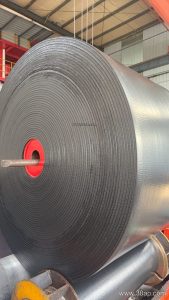
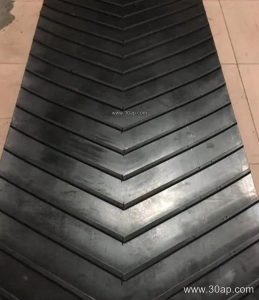
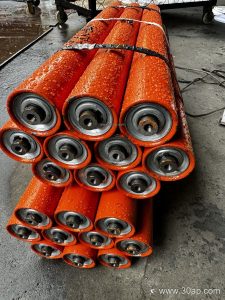
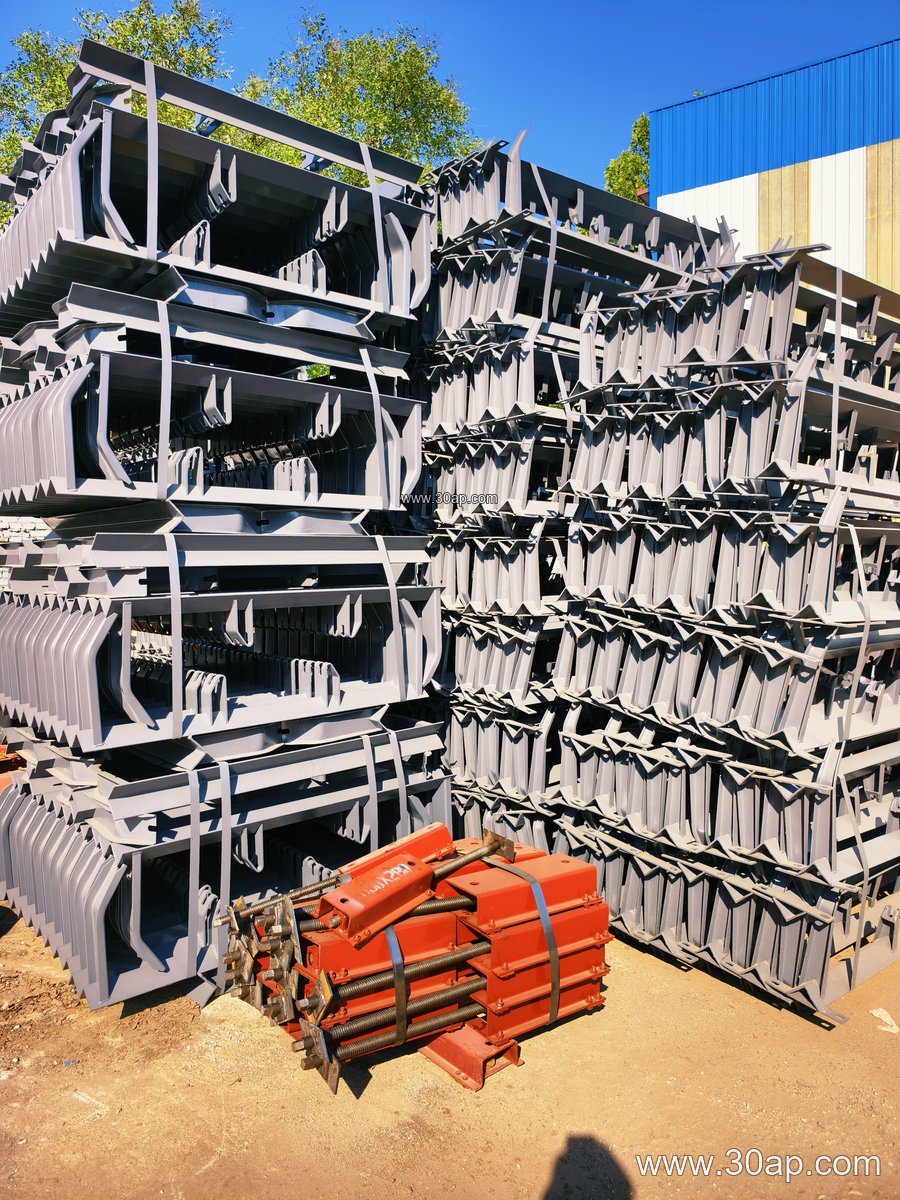
The bracket works together with the conveyor belt and the idler roller set. On a heavy-duty mining conveyor belt carrying ore, the self-aligning frame is often specified with a reinforced pivot and larger rolls to resist impact and abrasion. In a power plant coal yard, a flame retardant conveyor belt may run on the same frame, so the bracket should be checked for clearance and free rotation under dusty conditions. On the return side, a V-return or flat return bracket may be used instead; a self-aligning bracket is chosen only where training action is needed. Downstream equipment such as a conveyor pulley, skirted loading chute or crusher discharge point can all create the side forces that make a training bracket worthwhile.
Selection and Maintenance Notes
- Match the bracket to belt width, trough angle and roll diameter, and confirm the pivot clearance for the belt and material load.
- Check that the frame can rotate freely; seized pivots are a common cause of poor training.
- Inspect for buildup of sticky material in cement or fertilizer plants, which can lock the cradle.
- Verify bolt torque and stop lug condition during scheduled shutdowns.
- Use a bracket with adequate corrosion protection in ports, washing plants and other wet environments.
A correctly applied self-aligning idler bracket reduces edge wear on the belt, cuts spillage and lowers the risk of tracking-related stoppages. Buyers should ask for the frame drawing, pivot details and recommended roll size rather than relying on a single nominal figure.