What a High Wear-Resistant Ceramic Pulley Is
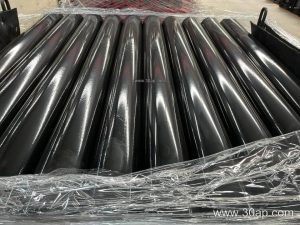
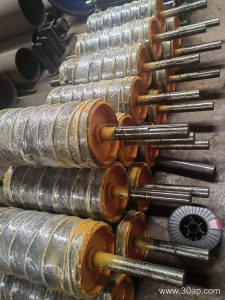
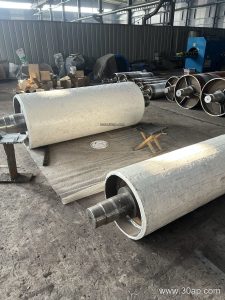
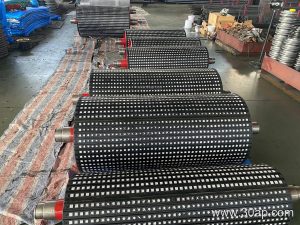
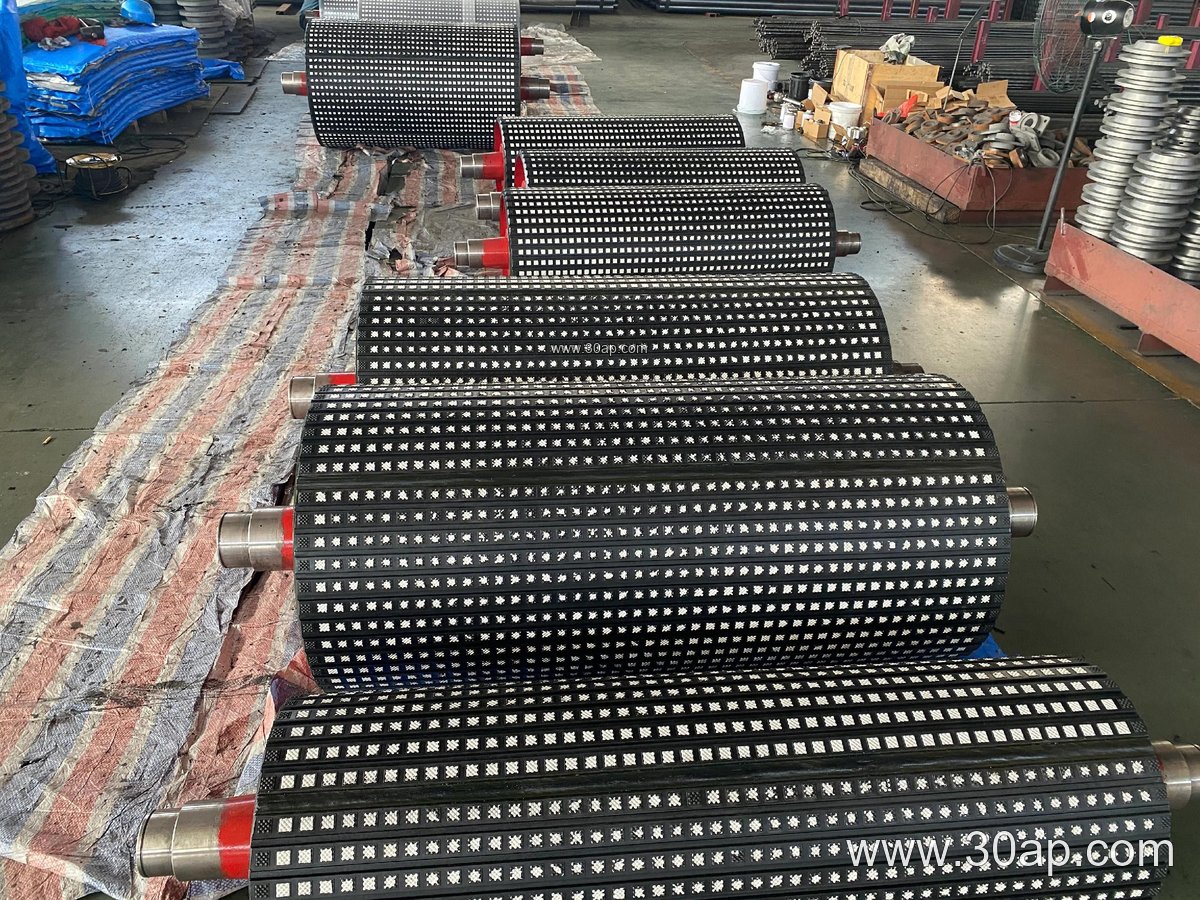
A high wear-resistant ceramic pulley is a conveyor pulley whose shell is fitted with ceramic tiles, usually bonded into a rubber or epoxy layer, so the belt contact face resists sliding abrasion far better than plain steel or standard rubber lagging. In practice it is a ceramic-lagged conveyor pulley, and both names describe the same component. The ceramic blocks sit slightly proud of the bonding layer, forming a hard, gritty surface that grips the belt while shedding the fines and slurry that normally polish a steel shell.
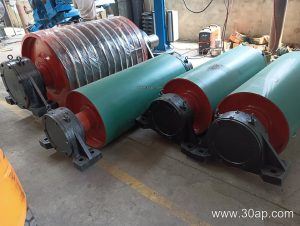
This is not a substitute for a drive pulley, tail pulley or bend pulley. Those are positions in the conveyor layout, and each calls for its own design checks. The ceramic surface is a lagging choice that can be applied to the pulley selected for the duty, most often where slip and abrasive carry-back are the dominant problems.
How the Ceramic Surface Is Built
The shell is machined, then a bonding layer is applied and the ceramic tiles are set in a staggered pattern. Common lagging thicknesses are 8, 10, 12, 15 and 20 mm, with the tile height chosen so the ceramic stands above the rubber. Tile shapes range from small squares to interlocking blocks with grooves between them, which give water and fines somewhere to escape instead of building a slippery film.
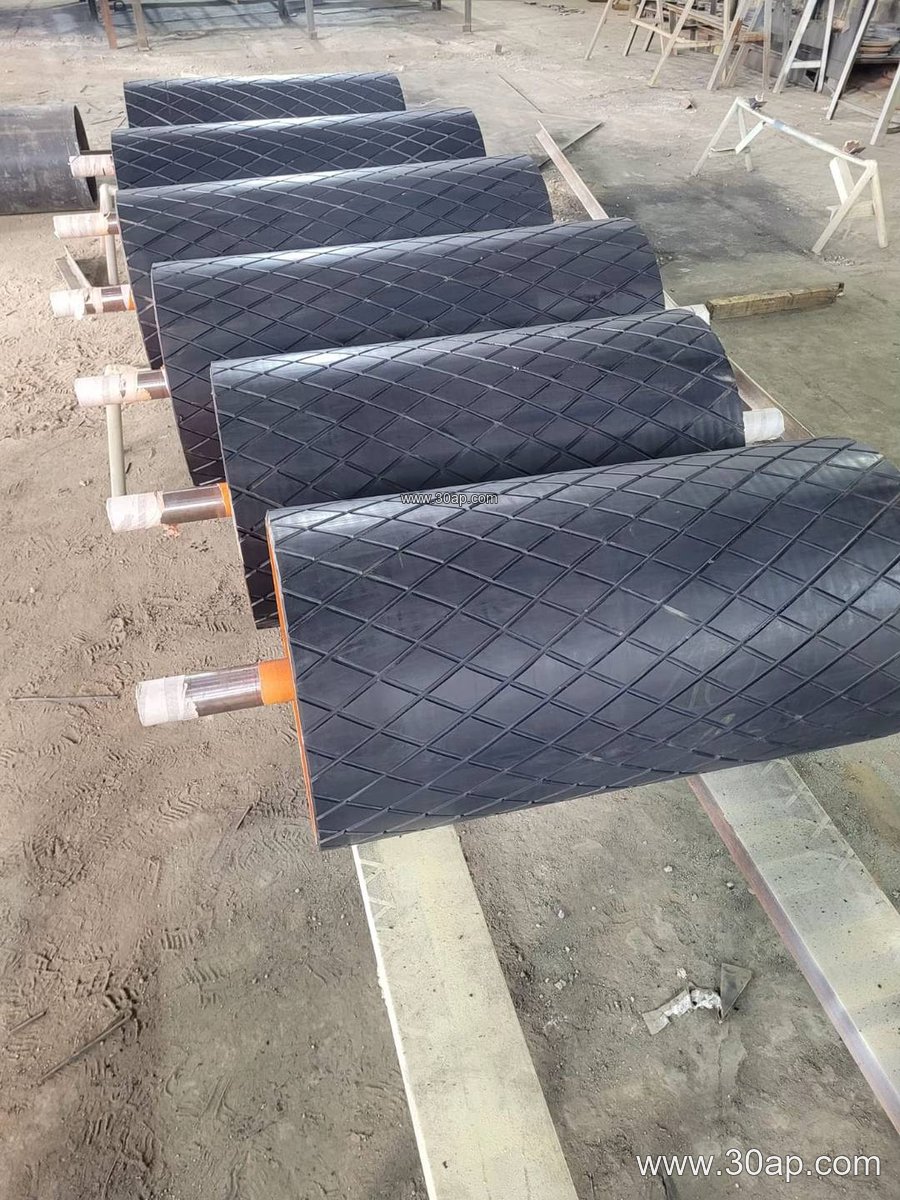
Because the ceramic is hard and brittle, the quality of the bond matters as much as the tile itself. A poorly bonded tile can crack or lift at the edges, and once one tile goes the surrounding ones are quickly undercut. Buyers should ask how the tiles are fixed, how the bond is cured, and whether the finished shell has been checked for flatness and balance.
Where It Earns Its Place
Ceramic lagging shows up in quarry and aggregate lines where crushed stone dust coats everything, in cement plants handling clinker and raw meal, in power station coal handling, and in iron ore and copper ore circuits where sharp fines work like grinding media. It is also used in sand and gravel plants and in tunnel spoil systems where the belt comes back wet and gritty.
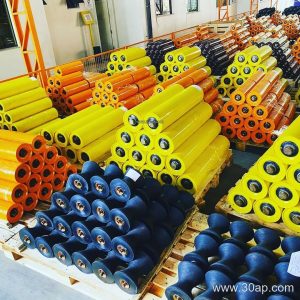
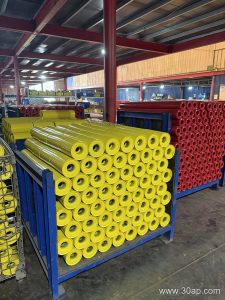
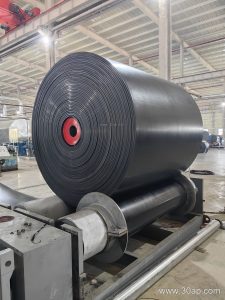
A typical arrangement is a ceramic-lagged pulley working with an abrasion resistant conveyor belt on a heavy-duty mining conveyor, with conveyor idler rollers and conveyor brackets taking the load along the carry side. The pulley has to grip a belt that may be damp, dusty and slightly misaligned, and that is exactly where a hard ceramic face helps.
Matching the Pulley to the Belt Line
Belt width sets the shell face width, not the diameter. The face is normally a little wider than the belt, for example a B800 belt on a shell around 950 mm, a B1000 belt on roughly 1150 mm, or a B1400 belt on about 1600 mm. Diameter follows the belt tension, the wrap angle and the shaft load, so B800 x Ø500 and B1200 x Ø1000 are both realistic combinations without either being a rule.
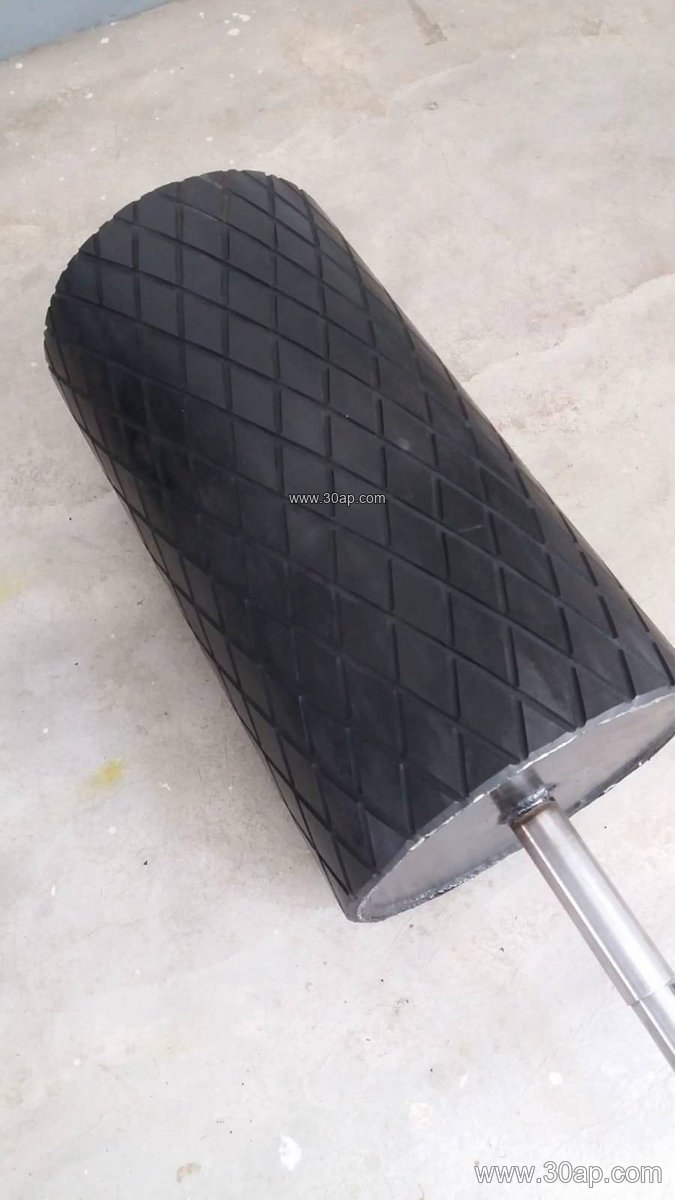
Shaft diameter is sized from torque and bending load, not from belt width. Common shaft sizes run from Ø50 up to Ø200, and the final figure should come from the pulley designer. The table below lists reference ranges only.
| Reference item | Typical range | Note |
|---|---|---|
| Belt width | B400 to B2400 | Shell face usually wider than belt |
| Pulley diameter | Ø200 to Ø1800 | Set by tension and wrap angle |
| Ceramic lagging thickness | 8, 10, 12, 15, 20 mm | Thicker where impact and slip are high |
| Shaft diameter | Ø50 to Ø200 | Confirmed by torque calculation |
What Buyers Should Check Before Ordering
- Duty and belt type: confirm whether the line runs an EP conveyor belt, a steel cord conveyor belt or a flame retardant conveyor belt, since grip and tension differ.
- Position: state clearly whether the unit is a drive, tail, tension or bend pulley, because the ceramic face is specified differently at each point.
- Environment: wet, oily or high-temperature service changes the bonding system, and a heat resistant conveyor belt line may need a different lagging compound.
- Tiles and bond: ask for the tile pattern, the bond type and the inspection record for the finished shell.
- Balance and runout: a heavy ceramic layer changes rotating mass, so balance should be confirmed before installation.
Ceramic lagging is not the answer everywhere. On a clean, dry line with light abrasion, standard rubber lagging is usually enough, and plain steel may suit a non-drive position. The ceramic pulley pays back where grit, moisture and slip combine, and where a belt replacement costs more than the lagging upgrade. For a full conveyor pulley selection, match the ceramic face to the actual belt, load and site conditions rather than to a catalogue default.