What a Conveyor Drive Pulley Does
A conveyor drive pulley, also called the head pulley or drive drum, is the powered cylinder at the discharge end of a belt conveyor that transfers torque from the gearbox to the conveyor belt through friction. It is the component that turns electrical energy into forward belt motion, and the entire conveying circuit depends on the grip developed between the pulley surface and the belt cover. When the drive pulley slips, the belt stops moving even if the motor keeps running. That single fact explains why this pulley receives more engineering attention than any other drum on the machine. In a mine, quarry, cement plant, or power station coal yard, a slipping head drum can stall the whole material flow.
Construction and Surface Options
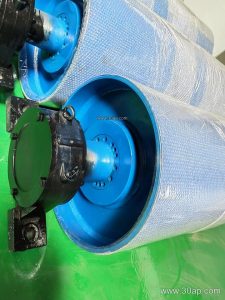
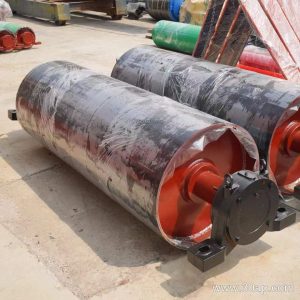
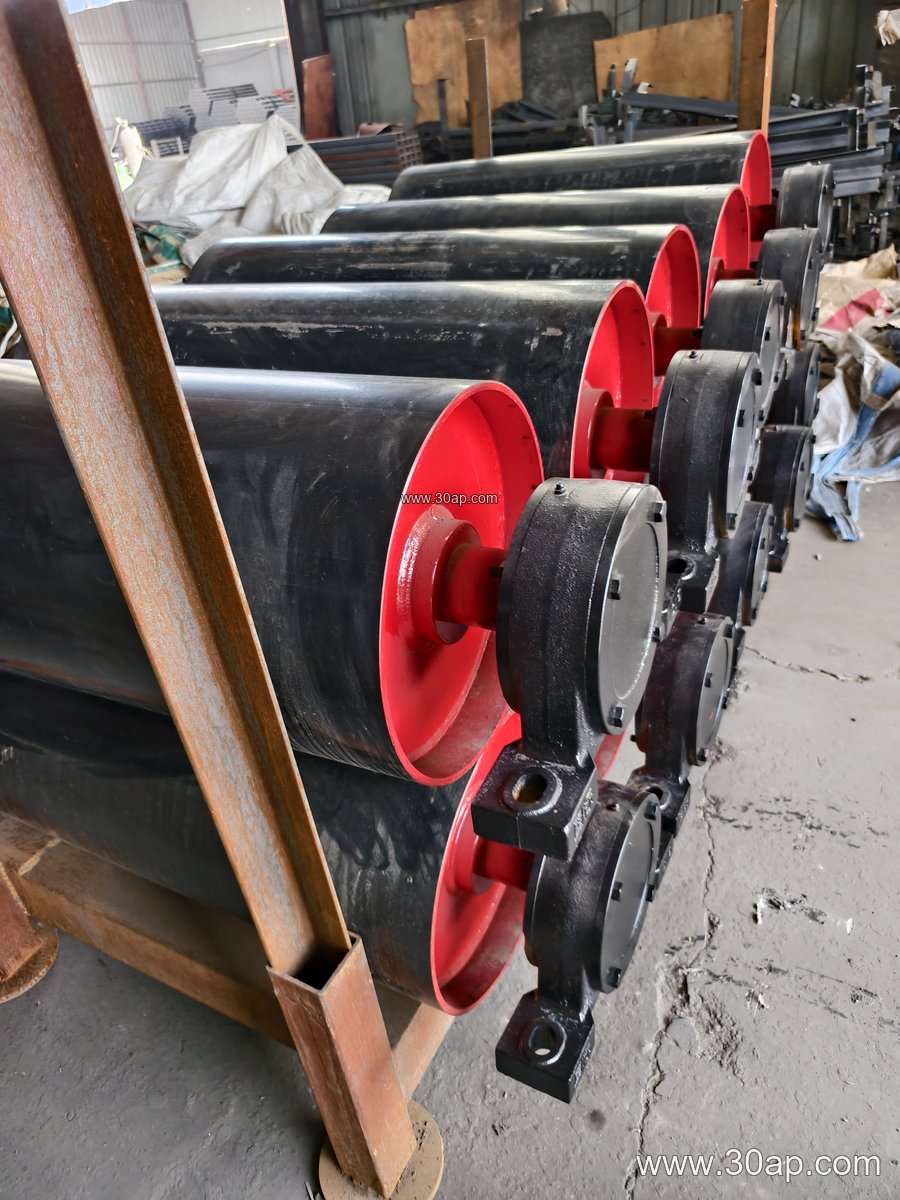
Drive pulleys are built around a welded steel shell, a shaft, and end discs or hubs. The shaft is sized by torque and radial load, not by belt width alone, and typical shaft diameters run from Ø50 to Ø200 depending on duty. Larger drums such as Ø1000 or Ø1250 are common on high-tension circuits, while smaller units around Ø400 to Ø630 suit lighter lines. The face width normally exceeds the belt width to keep the belt centered: a B800 belt typically sees about a 950 mm pulley face, and a B1200 belt around 1400 mm.
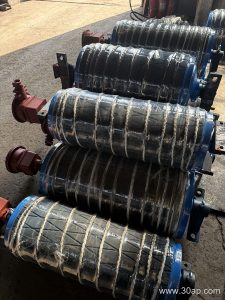
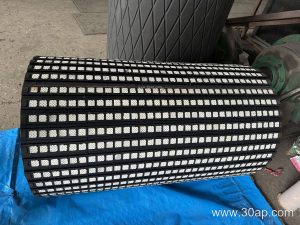
Surface treatment is the key wear and grip variable. Plain steel drums work only on clean, dry belts. Lagging options include hot vulcanized rubber, cold bonded rubber, cast rubber, diamond pattern, herringbone, and ceramic lagging, usually at 8, 10, 12, 15, or 20 mm thickness. Diamond lagging improves water shedding, while ceramic tiles resist abrasion where the belt carries sharp rock. A heavy-duty mining conveyor moving abrasion resistant conveyor belt at high tension usually benefits from thicker rubber or ceramic lagging, and the pulley must match the friction demand of the drive.
Where It Sits on the Conveyor
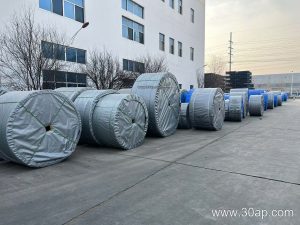
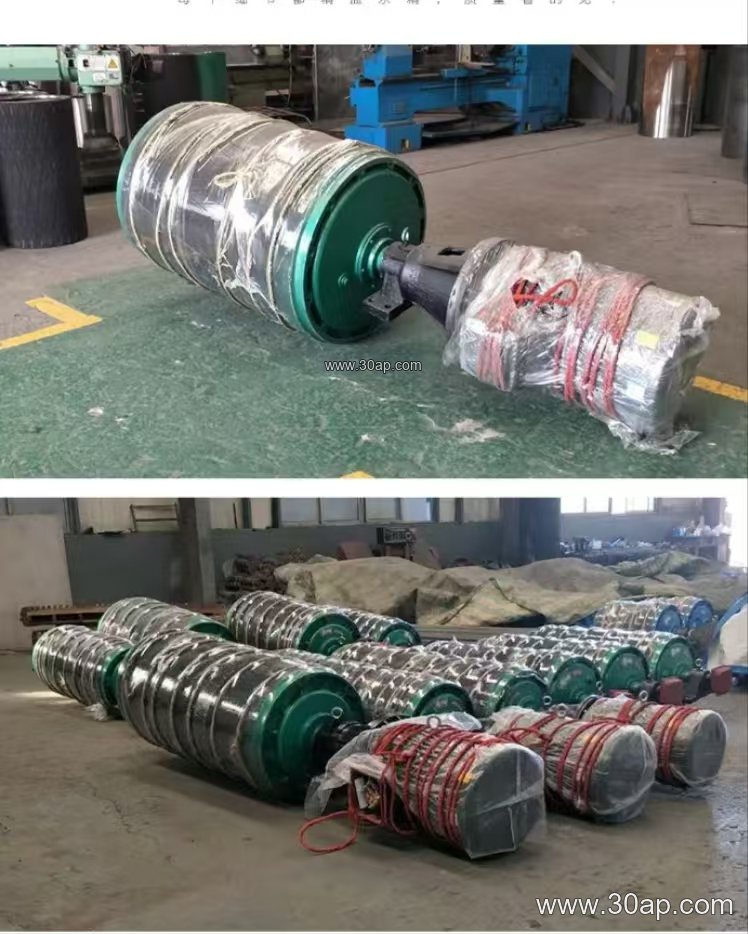
The drive pulley is mounted at the head of the conveyor, where material is discharged. It is not interchangeable with a tail pulley, which rotates freely at the loading end and only provides return support, nor with a bend pulley or take-up pulley, which redirects or tensions the belt without transmitting drive torque. On a long overland line, the head drum may share the load with a second drive drum in a dual-drive arrangement, and the tension is balanced so both pulleys grip the belt cover without overloading the fabric core conveyor belt or a steel cord conveyor belt.
Typical Industries and Working Conditions
You will find these pulleys in copper ore handling, limestone quarries, clinker lines in cement plants, and belt systems feeding crushers and screens. In an underground coal mine, flame retardant conveyor belt and PVG800S belts demand drums with flame retardant lagging and reliable grounding. In a port ship loading line, the head drum often runs at high speed with a wide face, so balance and bearing selection matter. Dust, moisture, and temperature all affect grip, and cold resistant conveyor belt in northern yards places extra demands on lagging flexibility.
Buyer Checklist Before Ordering
Start with the belt width and the required face width, then confirm the drum diameter that gives adequate belt wrap and bending fatigue life. A B650 line may use a Ø500 drum, but a B1400 line with high tension might need Ø800 or more. Do not assume a fixed diameter for a given width. Confirm the shaft diameter from the drive torque calculation, the bearing type, and the method of locking the pulley to the shaft. Specify the lagging form and thickness, the balancing grade, and whether a conveyor bracket or bearing housing is included. Ask how the pulley will be coupled and whether the supplier provides a torque rating, since the drive pulley is the torque path and the most loaded drum in the system.
Maintenance and Belt Interaction
Lagging wears gradually, and a glazed or polished surface loses friction long before the rubber is gone. Periodic inspection of the lagging, the belt tracking, and the idler roller alignment helps prevent edge damage and premature belt failure. Keep the belt cleaner working so material does not build up on the drum face, and check the take-up so the belt tension stays within the design range. When replacing lagging, match the compound to the conveyed material, whether that is wet aggregate, hot clinker, or oily scrap. A correctly specified conveyor drive pulley, paired with the right conveyor belt and well-aligned conveyor pulley components, keeps the line running without unexpected stops.