What a Q355 Conveyor Bracket Does
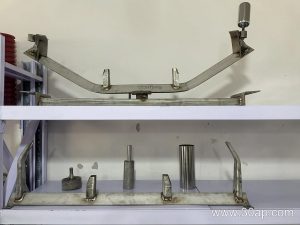
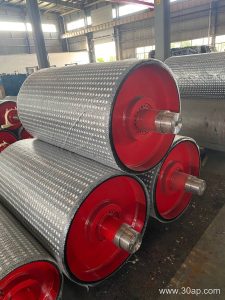
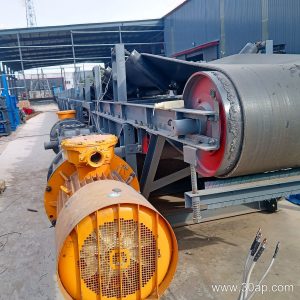
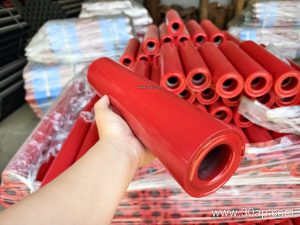
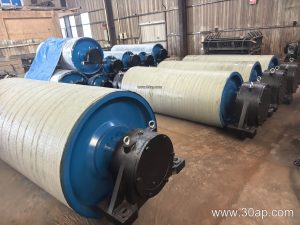
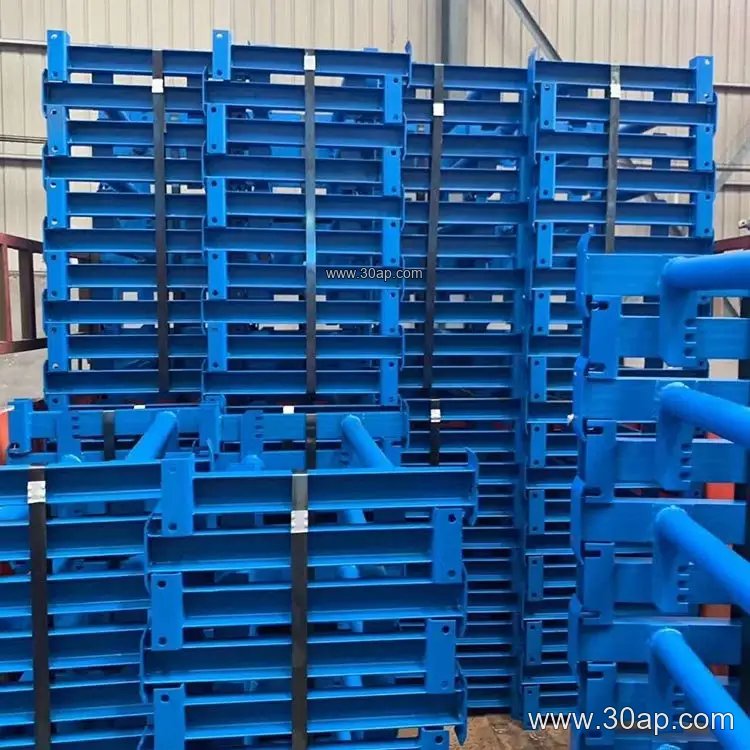
A Q355 conveyor bracket is the steel support that carries and positions idler sets along a belt conveyor. Often called a Q355 conveyor support bracket, it is typically fabricated from Q355 low-alloy structural steel, which offers a higher yield strength than common Q235 grades and is well suited to the vibration and impact loads found in bulk material handling. The bracket itself does not move; it is the stable base that keeps the conveyor belt, idler roller, and conveyor pulley working together in line.
In practice, the bracket is one part of a larger support frame. Its main job is to hold the flat or troughed idler set at the correct height and angle so the belt keeps its shape under load. That makes the bracket a small but critical link in the whole conveyor structure.
How a Q355 Conveyor Bracket Is Built
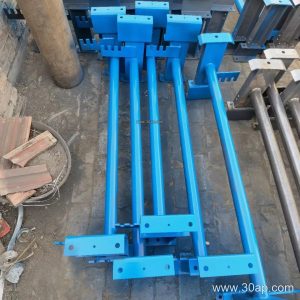
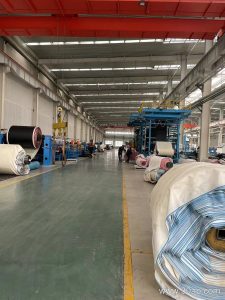
Most brackets are made from angle steel, channel steel, or bent steel plate. Q355 steel is used because it can carry heavy loads without excessive thickness, which keeps the frame lighter and easier to install. Typical fabrication includes cutting, drilling mounting holes, bending, welding, and then a surface treatment such as painting or galvanizing for corrosion protection.
The finished bracket usually includes mounting slots or holes for the idler shaft, a base plate for fixing to the conveyor frame, and sometimes an adjustment feature. On adjustable versions, the trough angle can be changed within a range, which helps during belt training and when the material load changes.
Common Bracket Types and Where They Fit
Brackets are usually chosen by function along the conveyor line:
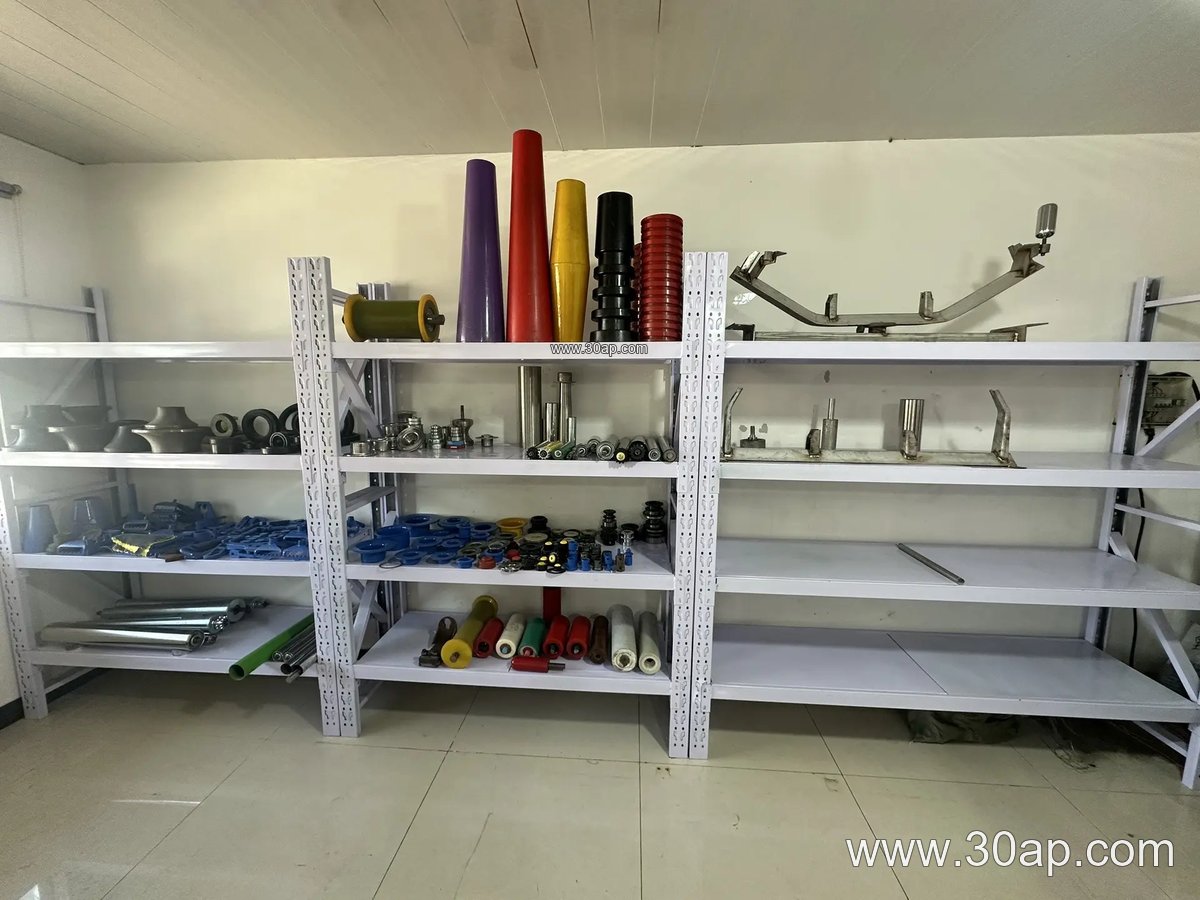
- Troughing bracket – supports the upper carrying idler set and sets the trough angle.
- Transition bracket – placed near pulleys or loading points to ease the belt from flat to troughed shape.
- Return bracket – supports the lower, return side of the belt, often as a flat or V-return set.
- Impact bracket – heavier construction for loading zones where the belt takes direct impact.
- Self-aligning bracket – works with training idlers to correct belt drift.
- Adjustable bracket – allows the trough angle to be set or changed on site.
Each type has a fixed role. A troughing bracket is not a return bracket, and a transition bracket should not be used as a substitute for a standard carrying bracket. The choice depends on belt width, idler diameter, trough angle, and the position in the conveyor.
Sizing and Matching to the Conveyor
Bracket dimensions follow the belt width and the idler set it supports. Common belt widths include B500, B650, B800, B1000, B1200, B1400, B1600, B1800, B2000, and B2200. Trough angles are usually 20, 30, 35, or 45 degrees, and idler diameters are commonly Ø89, Ø108, Ø133, Ø159, or Ø194. A bracket might be described as B800, 35 degrees, Ø108, or B1200, 45 degrees, Ø133. These are reference combinations, not fixed rules, and the mounting hole spacing and crossbeam length are determined by the actual design.
| Parameter | Common Reference Values |
|---|---|
| Belt width | B500, B650, B800, B1000, B1200, B1400, B1600, B1800, B2000, B2200 |
| Trough angle | 20°, 30°, 35°, 45° (adjustable types allow changes) |
| Idler diameter | Ø89, Ø108, Ø133, Ø159, Ø194 |
| Material | Q355 steel: angle, channel, or bent plate |
Do not assume that one belt width matches only one idler diameter or trough angle. The correct bracket is the one that fits the actual idler set and frame layout.
Where Q355 Conveyor Brackets Are Used
These brackets appear wherever a belt conveyor runs. In a quarry or aggregate line, they support the crusher conveyor belt and screen feed belts. In a coal preparation plant or underground mining conveyor, they carry heavy-duty mining conveyor belts and must resist dust and moisture. In a cement plant, they hold idler sets under clinker and raw material belts. In a power plant coal yard, they support long overland conveyors. The same bracket design also serves port loading systems and bulk material handling terminals.
Because the bracket is part of the support frame, its condition affects the whole line. A loose or worn bracket can cause the idler set to sit unevenly, which leads to belt misalignment and edge wear.
Buyer Checklist
- Confirm the belt width and the idler diameter that the bracket must carry.
- State the required trough angle and whether adjustment is needed.
- Check the mounting hole pattern against the existing conveyor frame.
- Ask about steel grade and surface treatment; Q355 is common for heavy loads.
- Order brackets together with the correct idler set and conveyor pulley so the fit is correct.
A well-matched Q355 conveyor bracket keeps idlers aligned, extends belt life, and reduces maintenance. For reliable operation, match the bracket to the actual conveyor design rather than to a catalogue guess.