What an EP500 Conveyor Belt Is
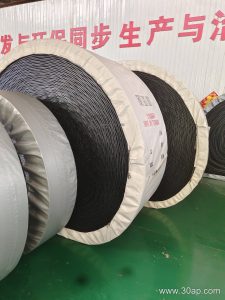
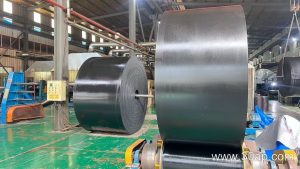
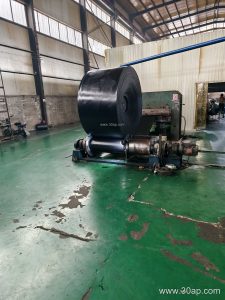
An EP500 Conveyor Belt is a fabric-core rubber belt built around polyester (E) and nylon (P) warp and weft yarns. The number 500 refers to the nominal tensile strength of the carcass, commonly expressed in N/mm, so this is a belt positioned in the mid-to-high strength range of fabric-core construction. In practice, it is an EP Rubber Conveyor Belt chosen where a plain EP200 or EP300 grade would be marginal but a steel cord design is not yet justified by the duty.
Because the carcass is a Multi-Ply Fabric Core Conveyor Belt rather than steel cord, the EP500 grade keeps good flexibility, tolerates troughing, and resists fatigue around pulleys. It is a practical middle ground in mining, cement, power and aggregate circuits.
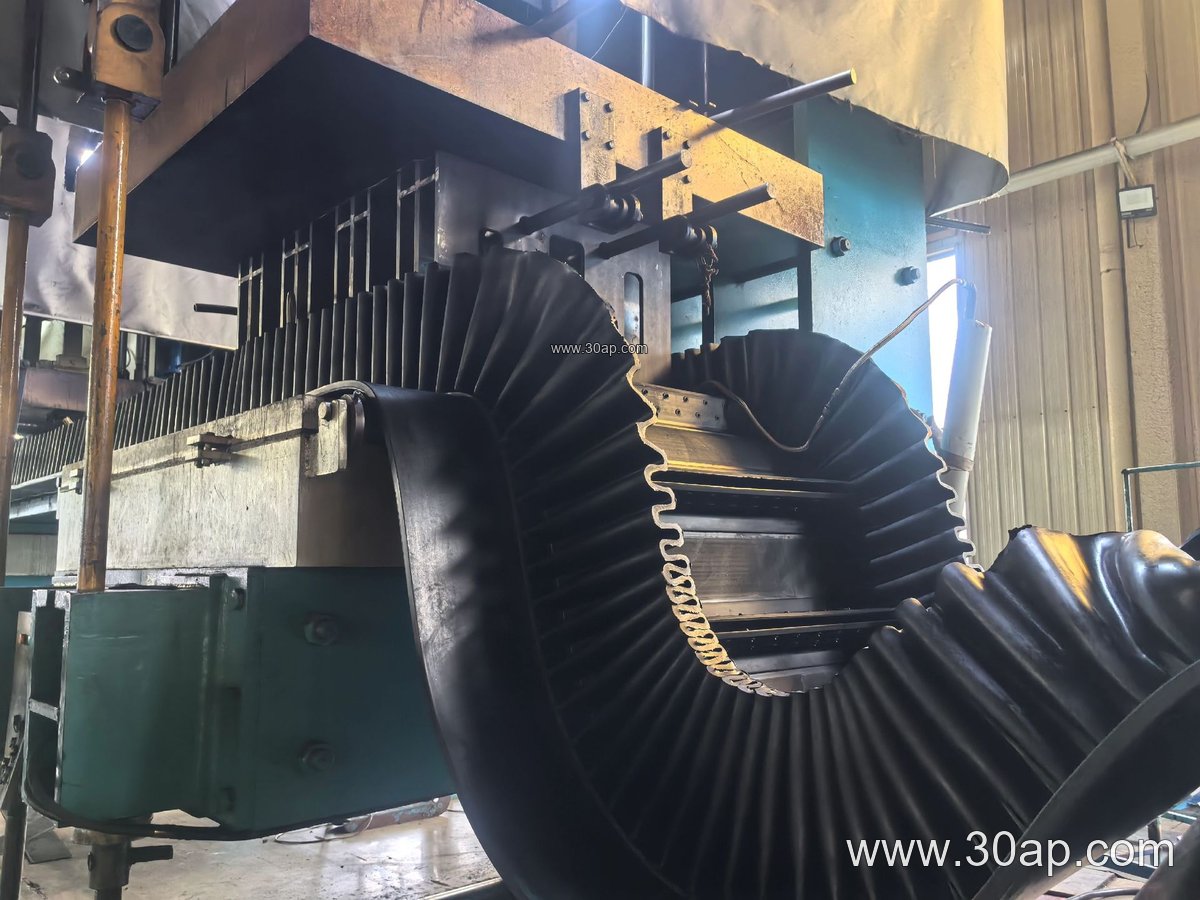
Construction and Build
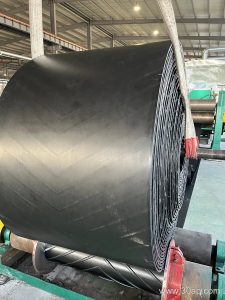
The belt is normally made up of several plies of EP fabric embedded in rubber, with a top cover and a thinner bottom cover. Ply count and cover thickness are set by the conveyor design, not by the strength grade alone. Common cover combinations include 4+2 mm, 5+2 mm and 6+2 mm, while the carcass may run from two to six plies depending on the manufacturer and the required strength.
Rubber compounds are selected to suit the cargo. A quarry or Iron Ore Conveyor Belt duty usually calls for an Abrasion Resistant Conveyor Belt cover, while a cement kiln area may need a Heat Resistant Conveyor Belt. Coal handling often requires a Flame Retardant Conveyor Belt or Anti-Static Conveyor Belt. The EP500 carcass itself stays the same; the covers change with the environment.
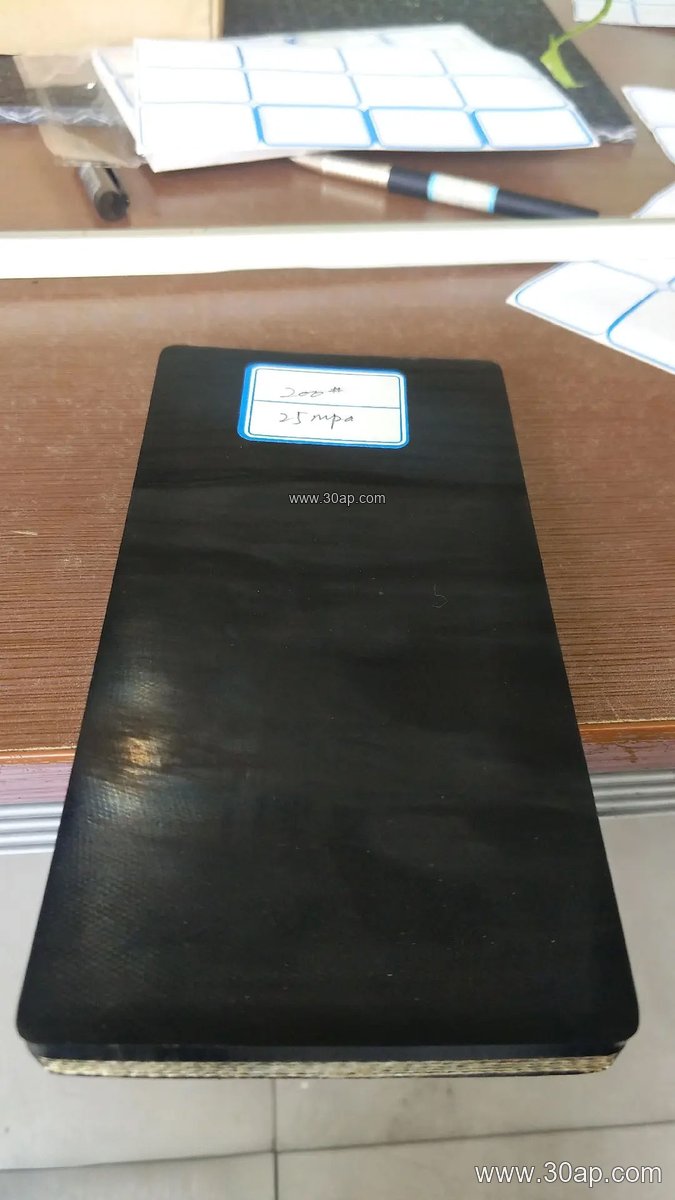
Typical Working Conditions
This grade is often found on main haulage and transfer belts in a Coal Mining Conveyor Belt system, in Cement Plant Conveyor Belt lines, in Power Plant Conveyor Belt yards, and in Quarry Conveyor Belt and Aggregate Conveyor Belt plants feeding a Crusher Conveyor Belt. It also appears in port and ship loading operations handling Bulk Material Conveyor Belt loads.
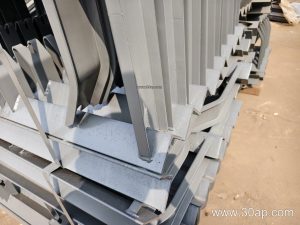
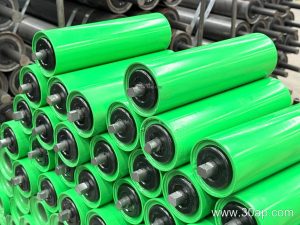
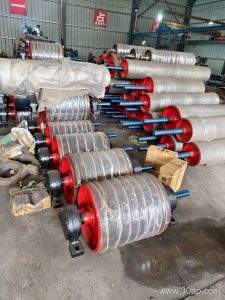
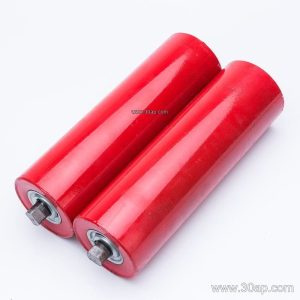
The belt runs over conveyor pulleys, idler rollers and conveyor brackets, so alignment and roller condition matter as much as belt quality. A driven head pulley, a tail pulley and bend pulleys each play a different role, and none of them can be swapped for another by name. Worn idler rollers or a misaligned conveyor bracket will shorten belt life regardless of the EP500 rating.
Common Sizes and Reference Data
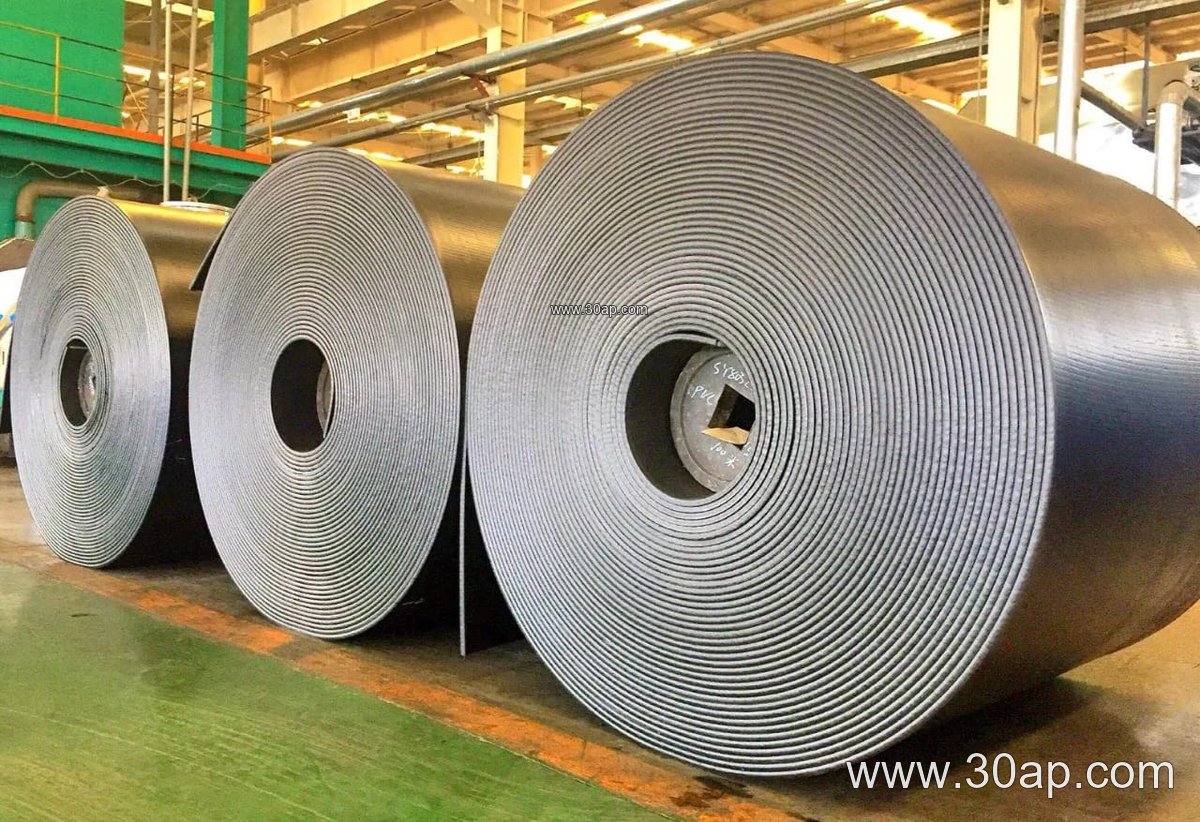
Widths are selected from the conveyor frame and the lump size, not from a fixed rule. The table below shows typical reference values; actual supply is confirmed by design.
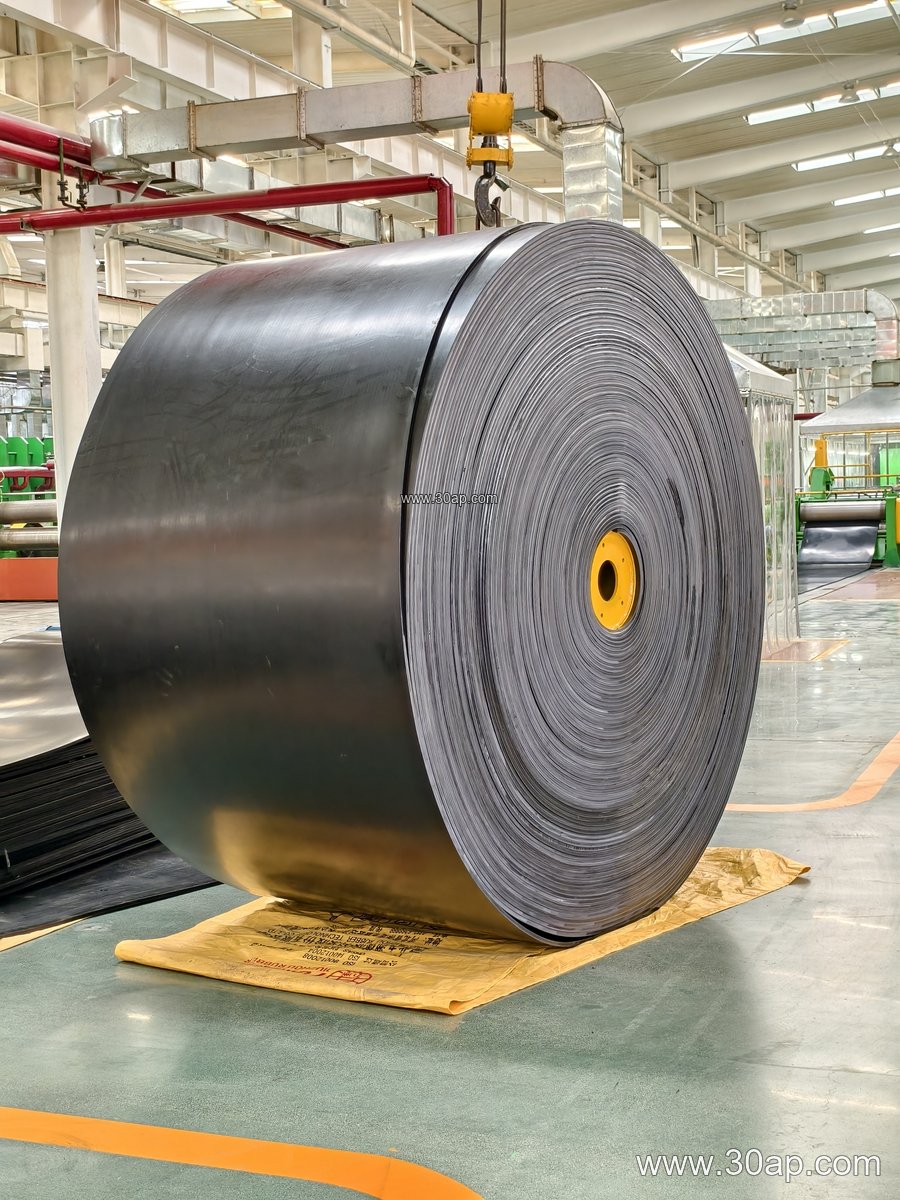
- Strength grades in the EP family: EP200, EP315, EP400, EP500, EP630, EP800, EP1000, EP1250, EP1600, EP2000
- Common belt widths: B500, B650, B800, B1000, B1200, B1400, B1600, B1800, B2000
- Cover thickness examples: 3+1.5 mm, 4+2 mm, 5+2 mm, 6+2 mm, 8+3 mm
- Carcass plies: usually 2 to 6
A 1000mm Conveyor Belt and a 1200mm Conveyor Belt are frequent choices for medium-duty main lines, while an 800mm Conveyor Belt suits many secondary and transfer positions. Wider frames may use a 1400mm Conveyor Belt or a 1600mm Conveyor Belt. No single width is tied to one pulley diameter; the drive pulley, tail pulley and bend pulleys are sized from belt tension, wrap angle and shaft load.
Selection Points for Buyers
Start with the peak tension and the duty cycle, then confirm the cover grade against the material. Abrasive rock calls for a High Abrasion Resistant Conveyor Belt cover; hot clinker or sinter needs a High Temperature Conveyor Belt compound; oily scrap may need an Oil Resistant Conveyor Belt. Where fire risk exists underground, specify a Fire Resistant Conveyor Belt or Mining Flame Retardant Conveyor Belt and check the required surface resistivity for an Anti-Static Conveyor Belt.
For inclined sections, a Chevron Conveyor Belt or Corrugated Sidewall Conveyor Belt may be considered instead of a plain belt, while enclosed routes may use a Pipe Conveyor Belt. These are different constructions, so compare them against the EP500 only when the route truly needs them. For very long, high-tension lines, a Steel Cord Conveyor Belt such as ST1000 or ST1250 is the usual comparison point.
Finally, ask for the splice method, cover thickness, ply count and edge condition in writing, and keep spare idler rollers and a spare conveyor pulley inspection schedule in place. A correctly matched EP500 Conveyor Belt, paired with sound conveyor brackets and rollers, gives long, predictable service in demanding plants.