What a Conveyor Bracket Does on a Belt System
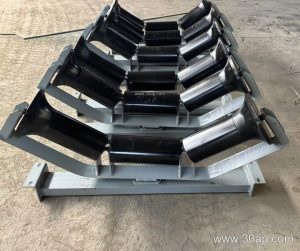
A conveyor bracket is the structural support that holds idlers in the correct position under and over the belt. It carries the weight of the belt, the material load and the idler assemblies, and it sets the trough angle that keeps bulk material centered during transport. In a quarry, a cement plant or a coal handling line, the bracket is a small component with a large influence on belt tracking and idler life.
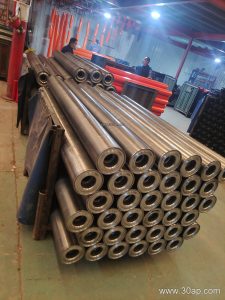
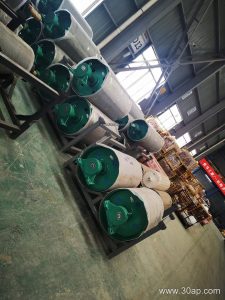
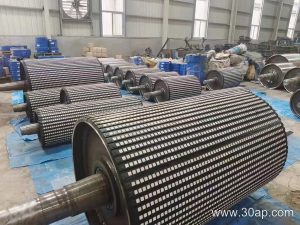
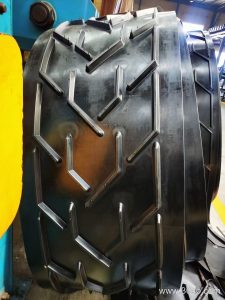
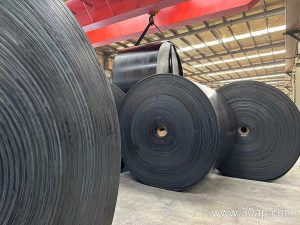
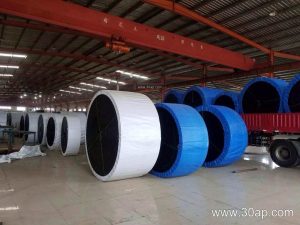
The bracket works together with the conveyor belt, idler roller and conveyor pulley. If the bracket is misaligned or too light for the load, the belt may drift, the idlers may wear unevenly, and the whole conveyor becomes harder to maintain. For this reason, buyers should treat the bracket as an engineered part, not a generic piece of steel.
How a Conveyor Bracket Is Built
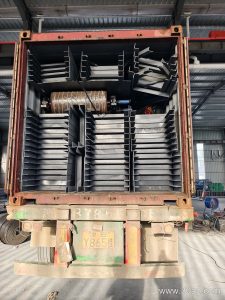
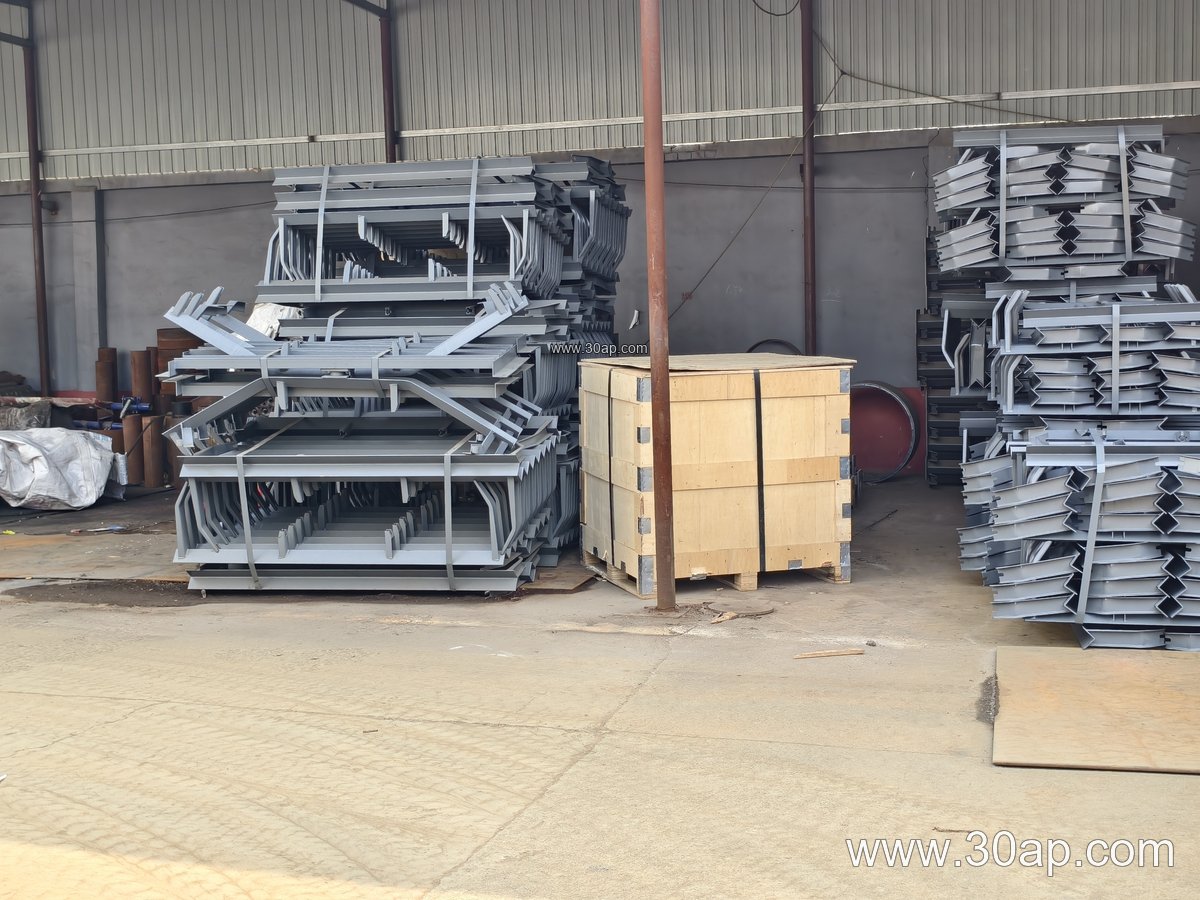
Most brackets are fabricated from angle steel, channel steel or folded steel plate. The frame is drilled or slotted so idler shafts sit at the designed spacing, and the crossbeam length follows the belt width and trough angle. Common materials include carbon steel with paint or galvanizing; stainless or other finishes are chosen when corrosion or washdown is a concern.
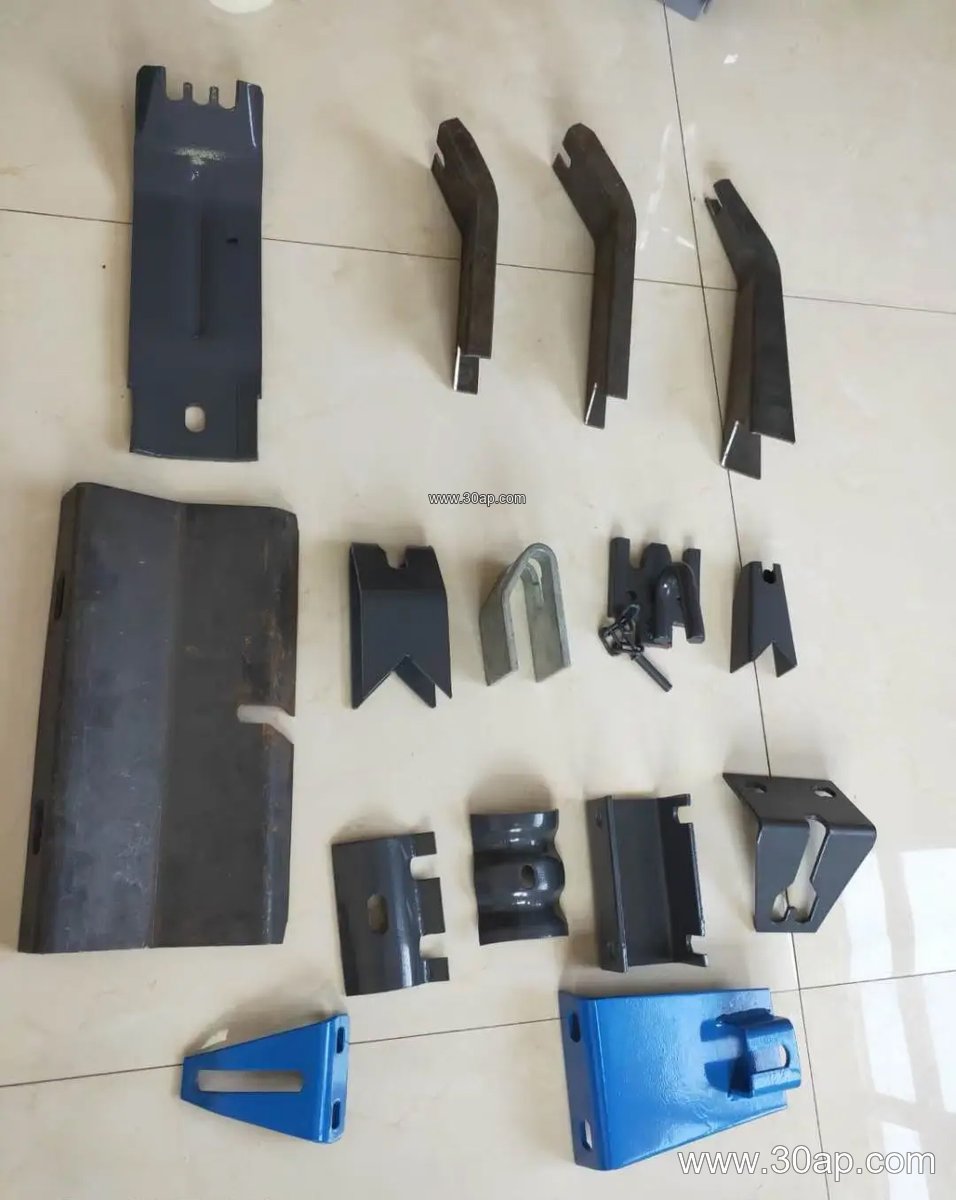
A typical bracket assembly includes mounting holes for the idler ends, a crossbeam that spans the conveyor frame, and sometimes adjustable slots that allow the trough angle to be set on site. Welds should be continuous at load points, and hole spacing should match the idler shaft and frame design rather than being assumed from belt width alone.
Common Bracket Types and Where They Fit
Different positions on a conveyor call for different bracket forms. The table below shows typical arrangements; final dimensions depend on the conveyor design.
| Bracket type | Typical position | Function |
|---|---|---|
| Trough bracket | Carrying side | Holds three idlers at a set trough angle |
| Transition bracket | Near pulleys | Gradually changes belt shape |
| Return bracket | Return side | Supports the empty belt |
| V-return bracket | Return side | Helps center the belt |
| Impact bracket | Load point | Carries impact idlers under the chute |
| Self-aligning bracket | Long runs | Corrects minor belt drift |
| Adjustable bracket | Carrying side | Allows trough angle changes |
Trough angles are commonly 20, 30, 35 or 45 degrees, and adjustable brackets can move between these settings. Forward-tilted brackets are often set at about 1.5 to 2 degrees to assist tracking. Idler diameters such as Ø89, Ø108, Ø133, Ø159 and Ø194 are matched to belt width and load, but one belt width does not dictate a single pulley or idler size.
Sizing a Bracket to the Belt and Idlers
Belt width is the starting point for bracket selection. A B650 line in a sand and gravel plant may use a 30-degree trough with Ø89 idlers, while a B1200 or B1400 conveyor in an iron ore or power plant coal yard often needs a heavier frame, 35 or 45 degrees and Ø133 or Ø159 idlers. These are common examples, not fixed rules. The bracket crossbeam, mounting hole distance and frame height should be confirmed from the conveyor drawing.
Load also matters. A crusher discharge or a transfer point handling lump ore benefits from impact brackets and reinforced crossbeams. A long overland run with a steel cord conveyor belt may call for self-aligning brackets at intervals to reduce edge wear. When the belt is a heat resistant conveyor belt or an abrasion resistant conveyor belt, bracket alignment still affects how evenly the belt wears.
Installation and Maintenance Notes
- Check that bracket centers are square to the conveyor centerline before tightening frame bolts.
- Keep mounting holes matched to the idler shaft; do not enlarge holes to force a fit.
- Inspect welds and paint at transfer points where spillage and impact are heavy.
- Recheck trough angle after replacing idlers, especially on adjustable brackets.
- Replace bent brackets rather than straightening them repeatedly, as alignment may be lost.
In a wash plant or a fertilizer handling line, galvanized or coated brackets reduce corrosion. In a tunnel spoil or underground coal mining conveyor, flame retardant conveyor belt and anti-static conveyor belt requirements usually come with attention to metal-to-belt clearance, so bracket height and idler fit should be verified during installation.
Buyer Checklist
Before ordering, confirm belt width, trough angle, idler diameter, frame channel size and mounting hole pattern. Ask for the bracket material and finish, and state whether the location is a carrying, return, impact or transition point. A clear drawing avoids the common mistake of ordering a bracket that fits the idler but not the conveyor frame. Related components such as the conveyor pulley, idler roller and conveyor belt should be reviewed together so the bracket supports the system as a whole, not just one part of it.