What a High Strength Conveyor Belt Is
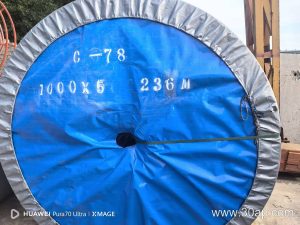
A high strength conveyor belt is a heavy-duty belt built to carry dense, abrasive, or sharply angular material over long distances without stretching beyond acceptable limits. In practice, “high strength” refers to the tensile strength of the carcass, the layer that carries the load and resists elongation. The rubber covers protect the carcass and grip the material, but the strength comes from the reinforcement inside. Buyers in mining, cement, quarrying, power generation, and port handling usually meet this product when ordinary belts fail too early or demand excessive take-up travel.
The same product is also described as a high tensile conveyor belt, and both names point to the same construction: a fabric or steel cord carcass with covers matched to the duty.
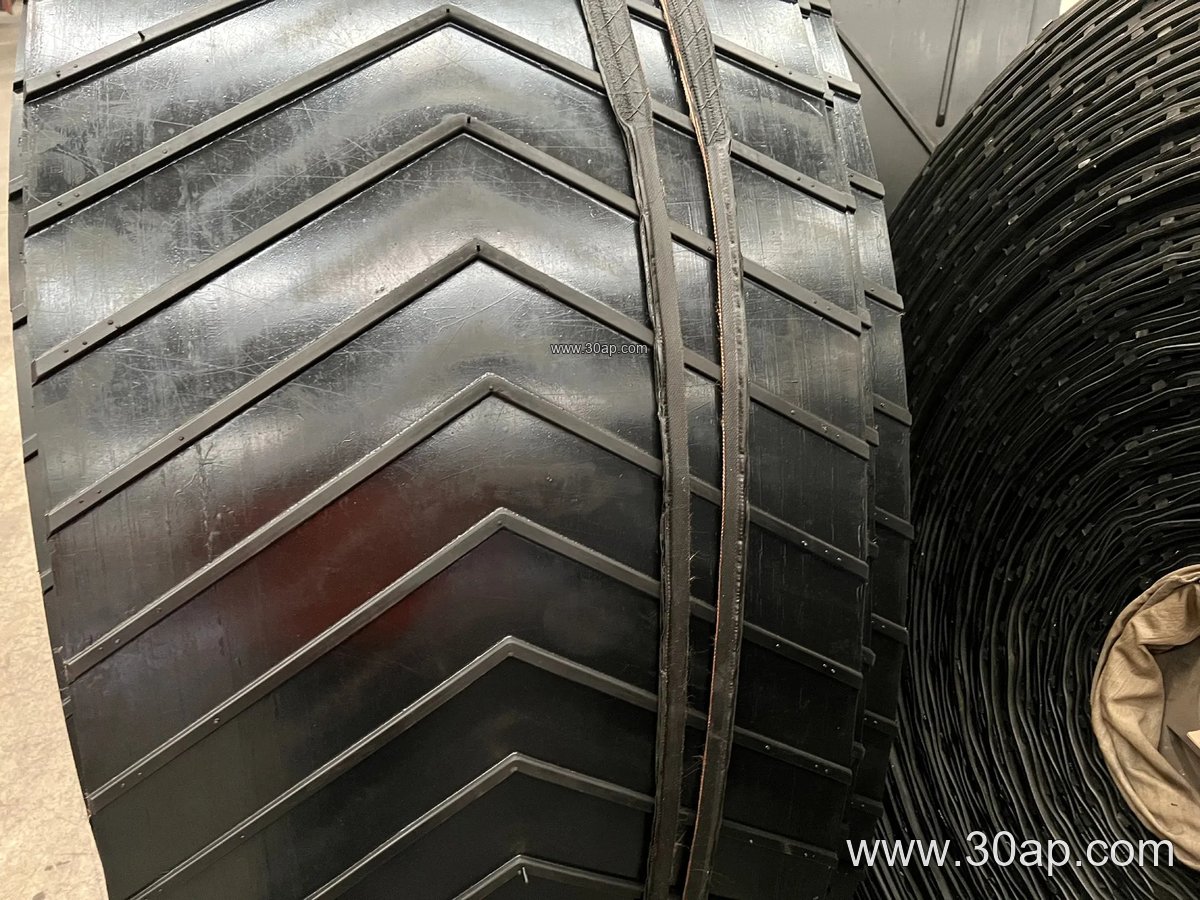
How the Belt Is Built
Two carcass families dominate. Fabric core belts use multiple plies of EP (polyester warp, polyamide weft) or NN (nylon/nylon) fabric. Steel cord belts use brass-plated wires embedded in rubber. Each family has a distinct role, and neither replaces the other.
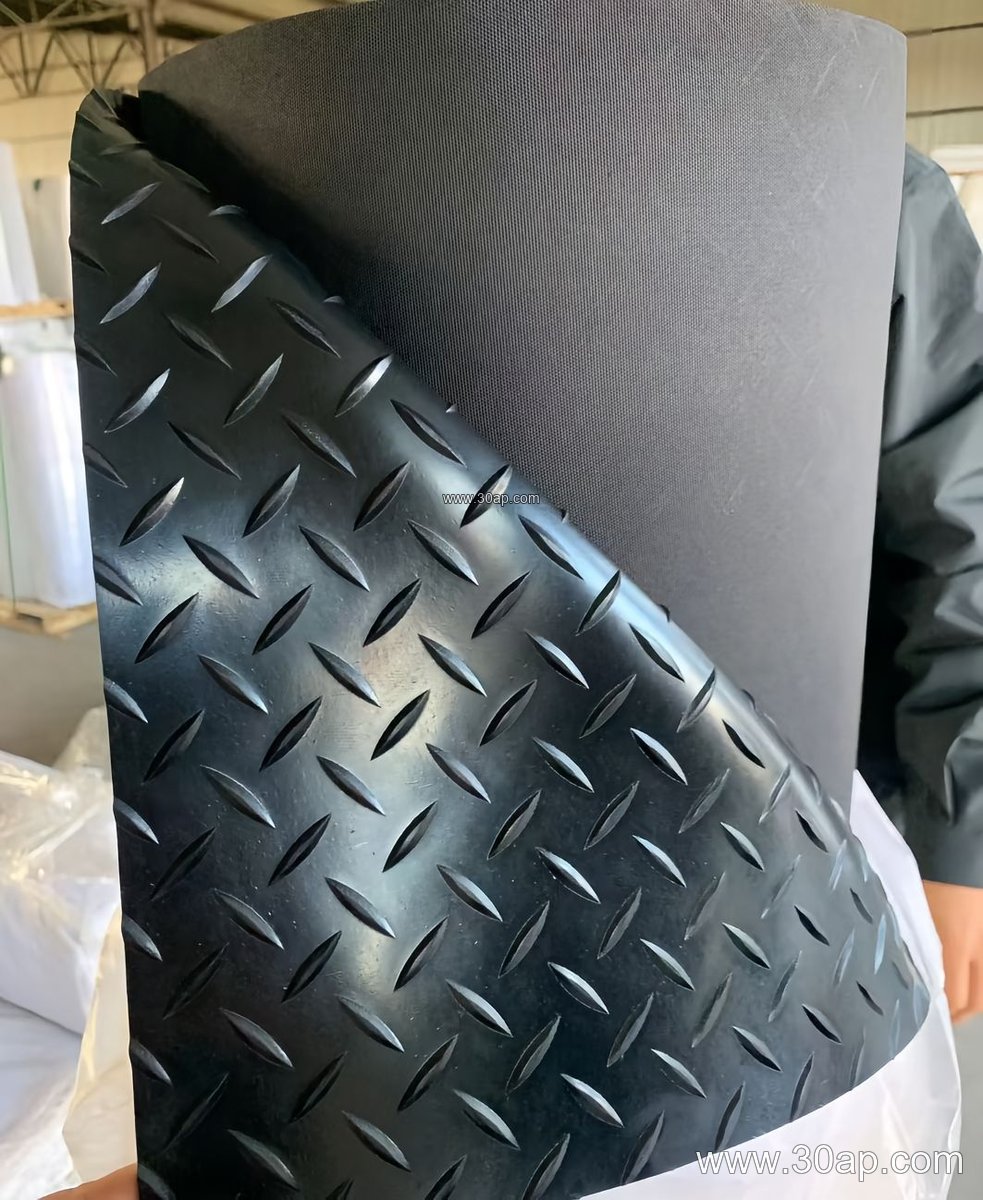
- EP conveyor belt — low elongation, good moisture resistance, widely used in medium and long conveyors.
- NN conveyor belt — high flexibility and impact absorption, useful where loading is rough.
- Steel cord conveyor belt — highest tensile classes for very long runs and high tonnage.
Cover compounds are selected for the environment: abrasion resistant for crushed rock, heat resistant near clinker or sinter, flame retardant and anti-static for underground coal mining, oil resistant for recycled material, and cold resistant for winter operations. Cover thickness is usually quoted as top plus bottom, for example 6+2 mm or 8+3 mm on heavy-duty mining conveyor belt, with 2 to 6 plies common in fabric constructions.
Typical Strength and Width Ranges
The values below are common reference ranges, not fixed supply promises. Final figures are confirmed by design.
| Family | Common strength grades | Typical carcass |
|---|---|---|
| EP fabric | EP200, EP315, EP400, EP500, EP630, EP800, EP1000, EP1250, EP1600, EP2000 | 2–6 plies |
| NN fabric | NN100 to NN400 class | 2–6 plies |
| Steel cord | ST1000, ST1250, ST1600, ST2000, ST2500, ST3150 | Single wire layer |
Belt widths commonly run from B500 and B650 up through B800, B1000, B1200, B1400, B1600, B1800, and B2000. A 1200mm or 1500mm wide belt is frequent in primary crushing circuits, while extra-wide belts appear in high-capacity port and ship loading lines. Width and strength are chosen together with pulley diameters, and no single width dictates one pulley size.
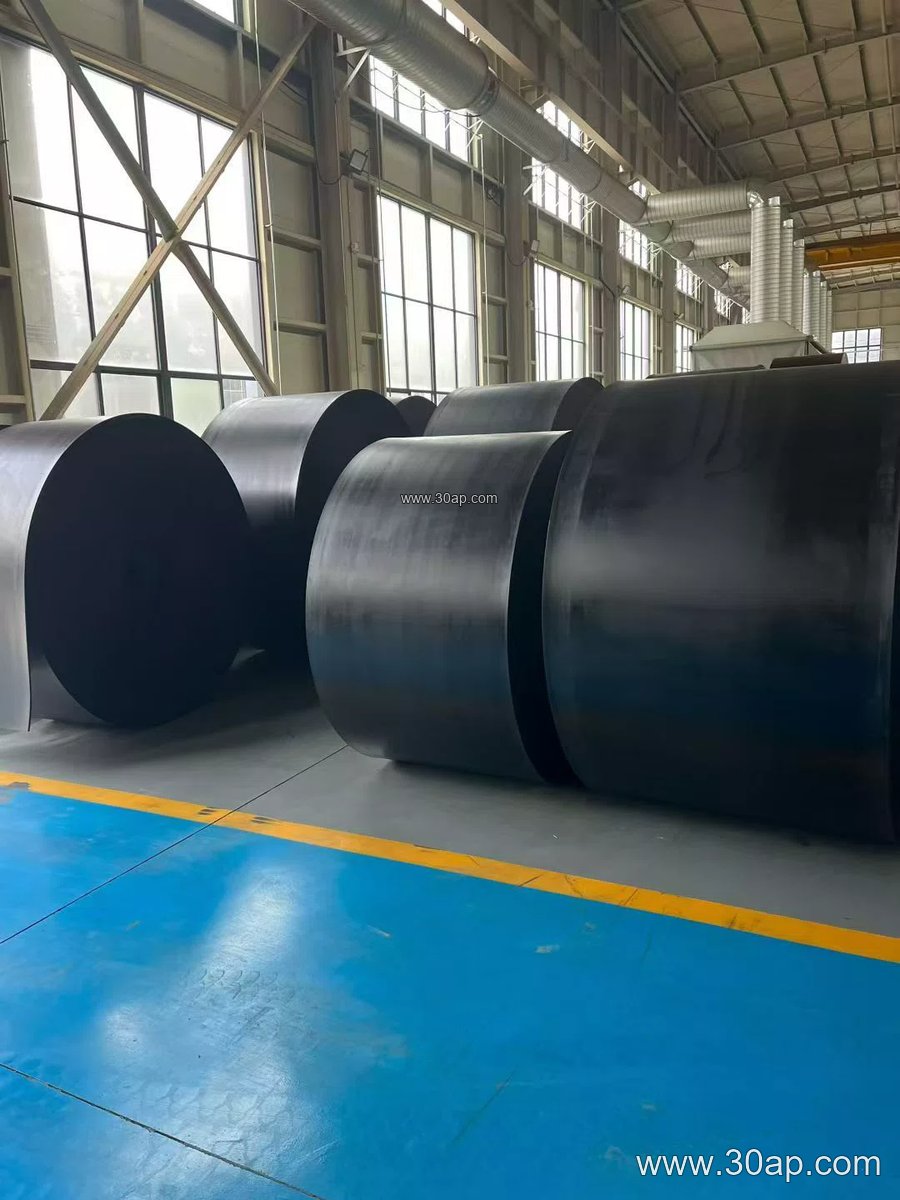
Where It Works
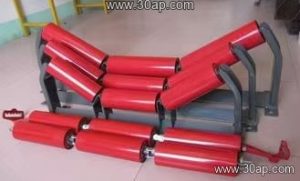
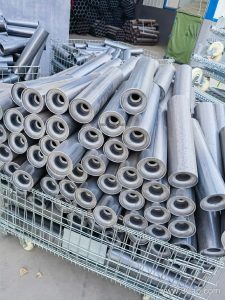
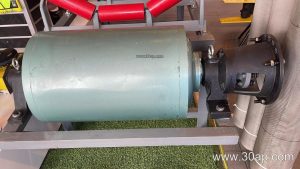
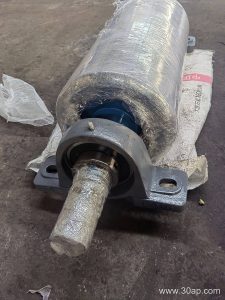
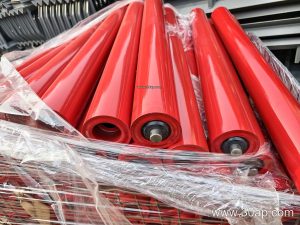
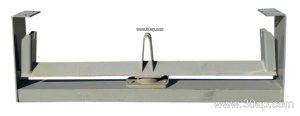
In an iron ore or copper ore terminal, a high strength belt moves material from the crusher to the stockyard, passing over conveyor pulleys and supported by idler rollers. In a cement plant, heat resistant grades handle clinker while EP belts feed limestone. Underground coal mining relies on PVG and flame retardant constructions with anti-static properties. Sand and gravel plants use abrasion resistant belts under a crusher, and power plants use them for coal and ash. Each installation also depends on conveyor brackets, frames, and take-up design, so belt selection cannot be separated from the whole conveyor.
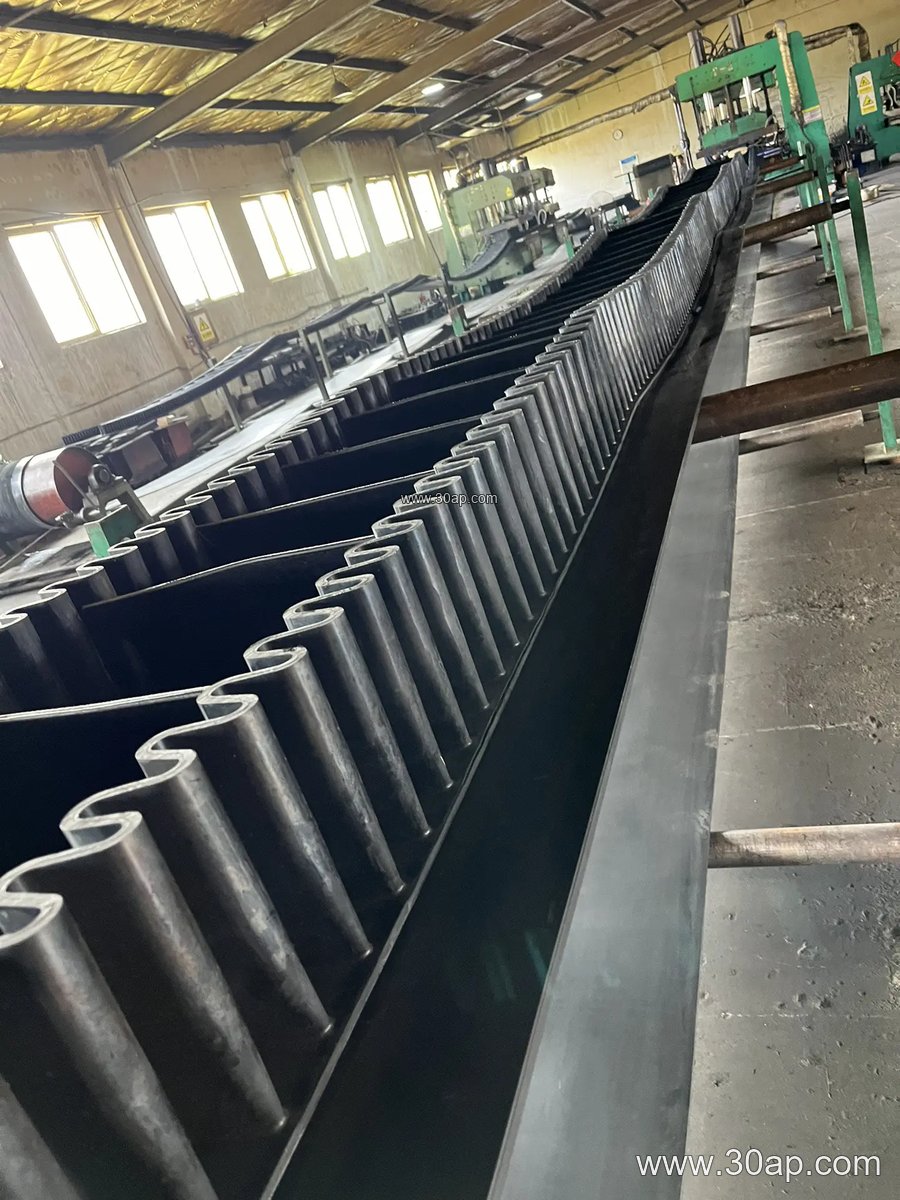
Specialty forms exist for steep or confined routes: chevron conveyor belt for incline grip, corrugated sidewall and skirted conveyor belt for steep inclines, and pipe conveyor belt for enclosed transport. These are different constructions and should be specified only when the route requires them.
What Buyers Should Check
Start with the actual duty: material type, lump size, tonnage per hour, incline, and the longest unsupported span. Confirm the required tensile grade, then match cover compound and thickness to abrasion, heat, oil, or fire risk. Ask for the elongation figure and verify take-up travel is sufficient. Check minimum pulley diameters for the carcass, and confirm splice method, since a high strength belt is only as strong as its joint. For fabric belts, ply count and ply adhesion matter; for steel cord, wire pitch and cord diameter do. If the conveyor runs underground, insist on flame retardant and anti-static documents. Finally, keep spare belt, splicing materials, and idler roller stock consistent with the installed grade so maintenance does not downgrade performance.
For more information on matching belt, pulley, and roller specifications, visit belt.airope.com and review the technical pages before ordering.