What a Large-Diameter Conveyor Pulley Is
A large-diameter conveyor pulley is a drum-style component with a shell diameter sized to handle high belt tension, thick belts, and heavy bulk materials. It is not simply a bigger version of a standard pulley; the larger diameter reduces bending stress in the conveyor belt, improves traction, and supports smoother rotation under demanding loads. In quarry and aggregate lines, cement plant clinker handling, and power plant coal conveying, this type of pulley often appears at the head or drive position where the belt wraps around a substantial arc.
Engineers sometimes refer to this same component as a heavy-duty conveyor drum or a large head pulley, but those terms describe the same product category. Drive, tail, and bend pulleys remain distinct roles, and a large-diameter drive pulley is not interchangeable with a large-diameter tail pulley.
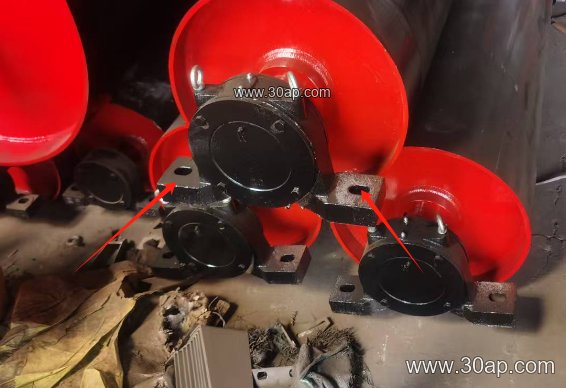
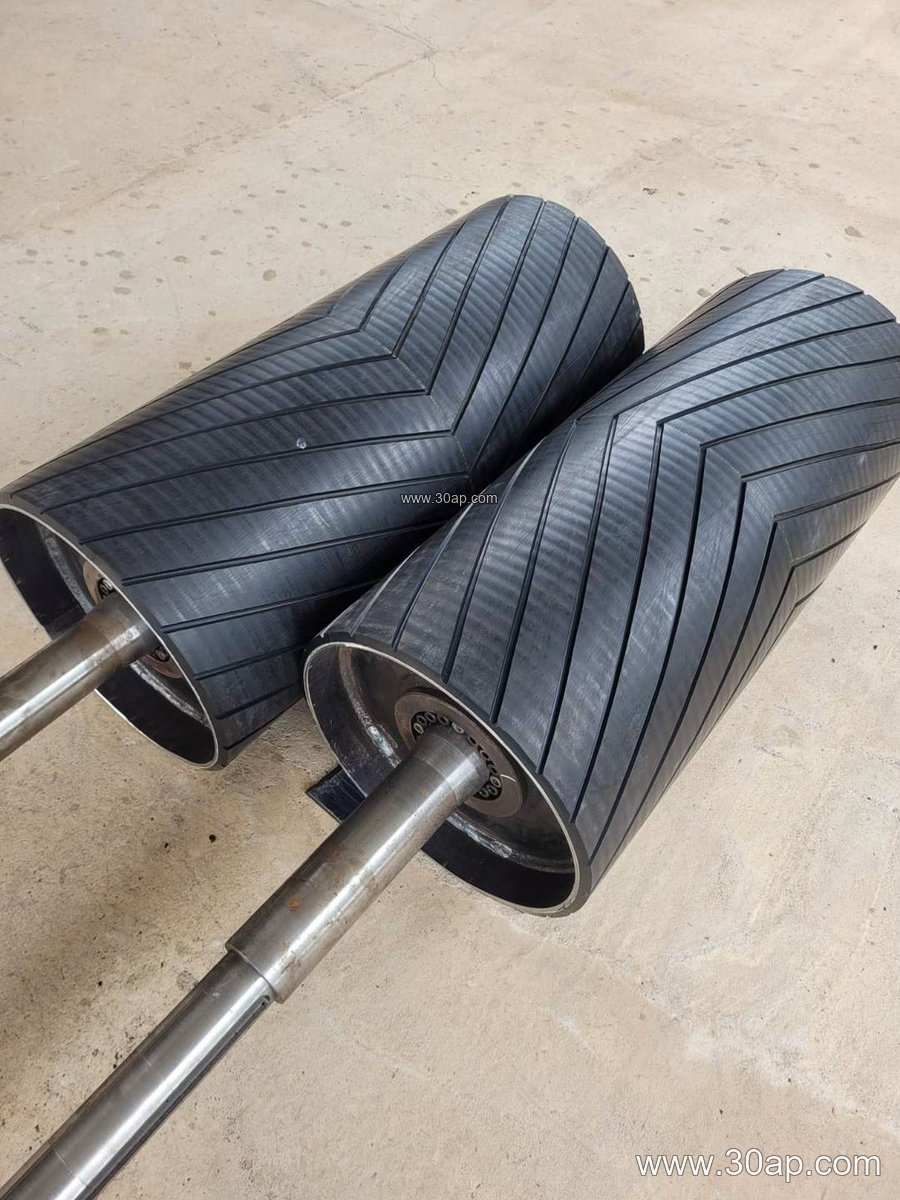
Construction and Surface Options
The shell is typically fabricated from rolled steel plate, machined for concentricity, and fitted with welded or bolted end discs. Shafts are sized by torque and load, not by belt width alone. Common shaft diameters include Ø50, Ø60, Ø80, Ø100, Ø120, Ø140, and Ø160 mm, with final selection depending on the conveyor design.
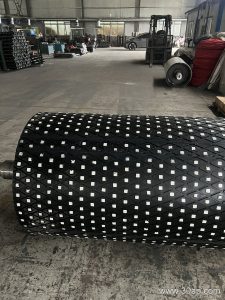
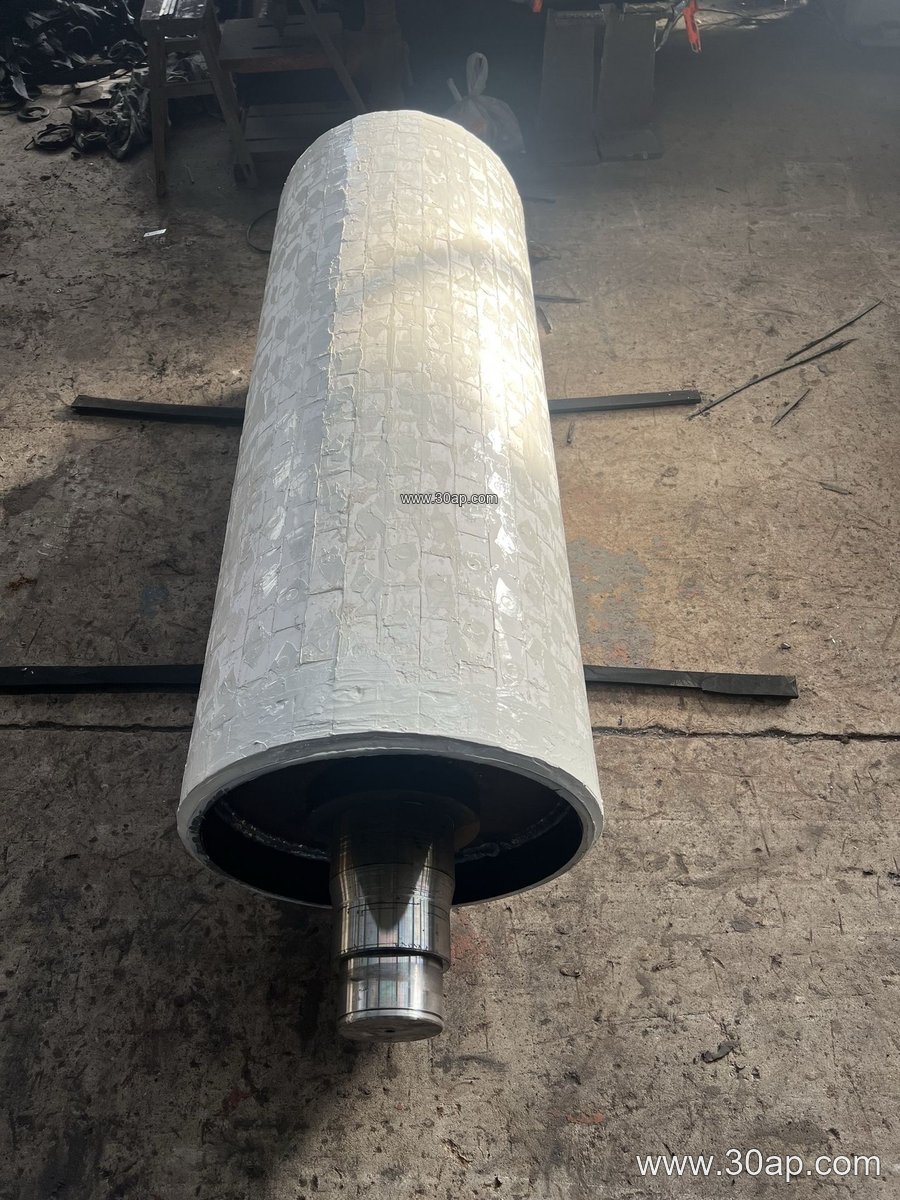
Surface treatment depends on the duty. Plain finish suits lighter contact; rubber lagging in 8, 10, 12, 15, or 20 mm thickness improves grip; diamond or herringbone grooving helps shed water and fines; ceramic lagging is chosen for high-abrasion service. In a coal mining conveyor belt system, flame retardant and anti-static properties of the belting often influence the lagging choice as well.
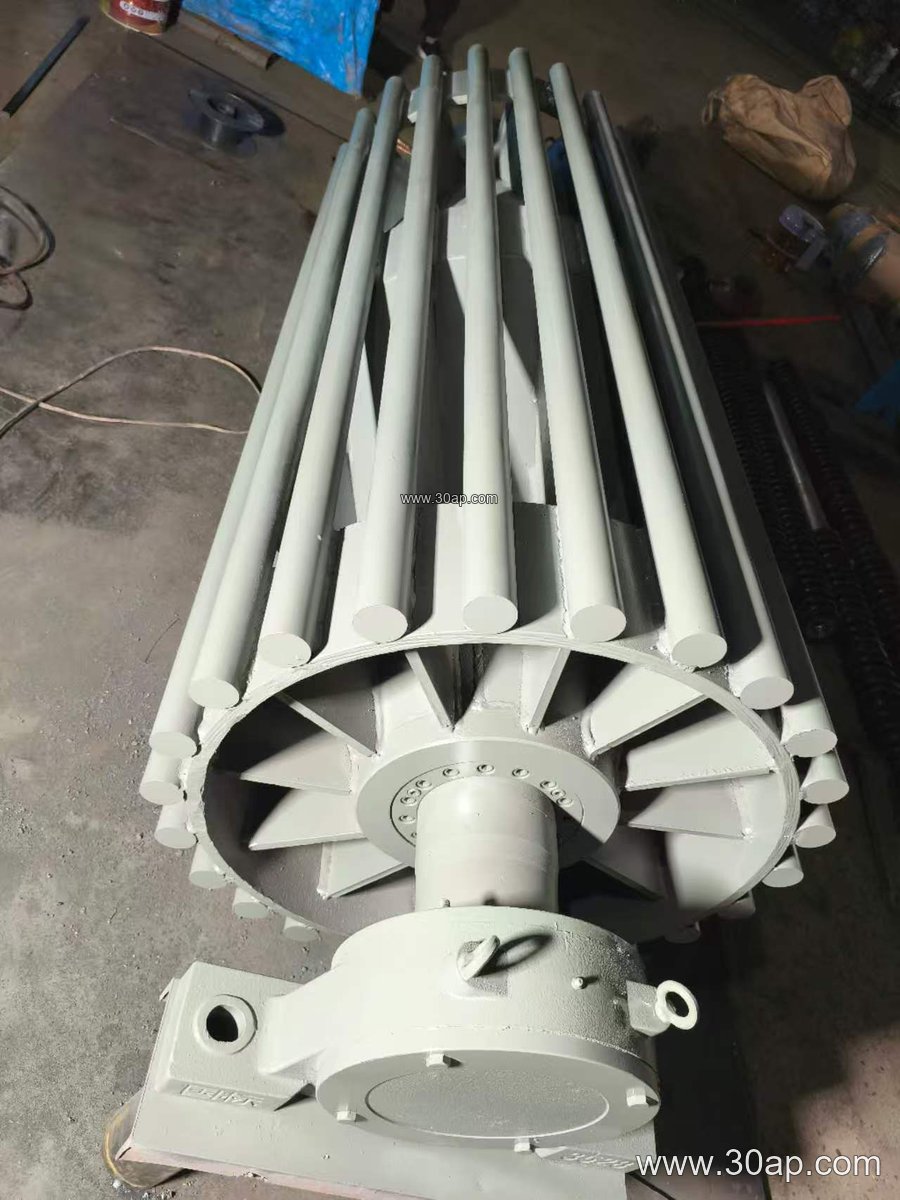
Common Diameter and Belt Width Combinations
Diameter and belt width are related but not locked together. A B800 conveyor might use a Ø500 mm pulley, while a B1200 system could run Ø1000 mm or larger. For reference, typical shell widths exceed the belt width: B650 about 750 mm, B1000 about 1150 mm, and B1400 about 1600 mm. These are reference values, not universal coupling rules.
| Belt Width | Common Shell Width (approx.) | Example Diameter Range |
|---|---|---|
| B800 | 950 mm | Ø400–Ø630 mm |
| B1000 | 1150 mm | Ø500–Ø800 mm |
| B1200 | 1400 mm | Ø630–Ø1000 mm |
| B1400 | 1600 mm | Ø800–Ø1250 mm |
| B1600 | 1800 mm | Ø1000–Ø1400 mm |
Where It Fits in the Conveyor
Large-diameter pulleys are often found at the drive or head end, where the conveyor belt must transmit the highest torque. In a copper ore or iron ore operation, a large head pulley with rubber lagging helps maintain grip on a steep incline. At the tail end, a large tail pulley can reduce material buildup and improve belt tracking, though it serves a different function. Bend and take-up positions may also use larger drums when space permits and belt stiffness requires a gentler wrap.
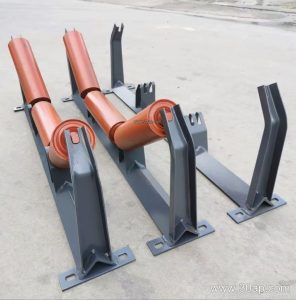
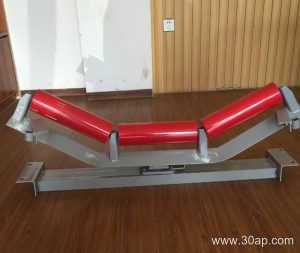
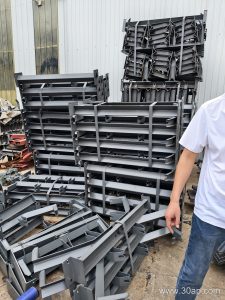
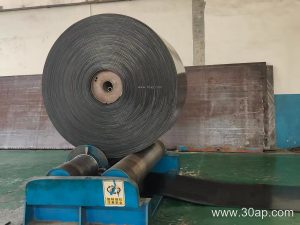
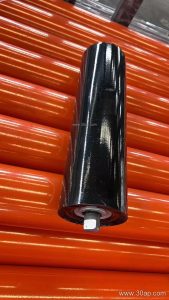
These pulleys work alongside conveyor brackets, idler rollers, and the belting itself. A poorly matched pulley diameter can accelerate belt fatigue, so selection should consider belt type—whether EP conveyor belt, steel cord conveyor belt, or a heat resistant conveyor belt—and the actual wrap angle.
Buyer Checklist
- Confirm the pulley role: drive, tail, bend, take-up, or snub. Do not substitute one for another.
- Check shell width against belt width with adequate margin.
- Specify lagging type and thickness based on abrasion, moisture, and fire risk.
- Provide shaft torque and radial load data rather than assuming a shaft size from belt width.
- Verify balance grade and bearing selection for the intended speed.
For a coal mining conveyor belt or a quarry conveyor belt, the pulley should be reviewed together with the belt’s tensile strength and the environment. A large-diameter conveyor pulley is a long-term investment in reliability when the diameter, lagging, and shaft are properly matched to the duty.