What a 500mm Conveyor Belt Is
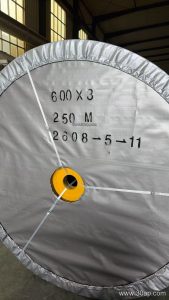
A 500mm conveyor belt is a belt with a nominal width of 500 millimeters, widely written as B500 in specifications and drawings. It sits at the narrow end of standard belt widths, above small package-handling belts and below the 650mm and 800mm sizes common on main haulage lines. Because the width is compact, a 500mm conveyor belt suits short transfer points, narrow galleries, mobile crushing spreads and plants where the material stream is modest but the duty is still continuous.
The width alone does not define the belt. Two B500 belts can differ completely in carcass, cover grade and surface form, and those choices decide how the belt performs in a mine, quarry, cement plant or power station.
Construction and Common Specifications
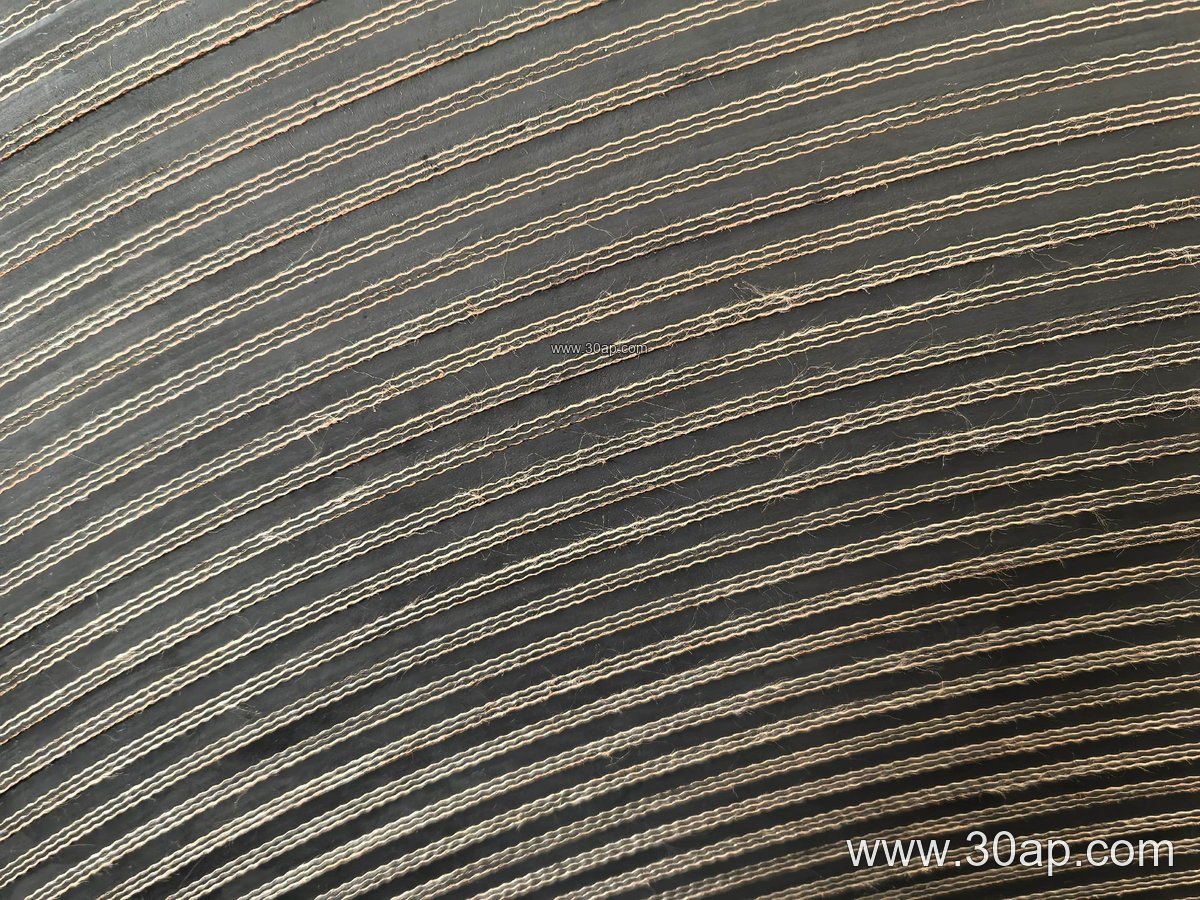
A typical 500mm conveyor belt is built from a fabric or steel carcass protected by rubber covers. Fabric constructions include EP (polyester-nylon) and NN (nylon-nylon) cores, usually with two to six plies depending on the required tension. Steel cord carcasses are also available, though narrow widths are more often specified with fabric cores. Cover thickness is stated as top plus bottom, for example 3+1.5 mm, 4+2 mm or 5+2 mm.
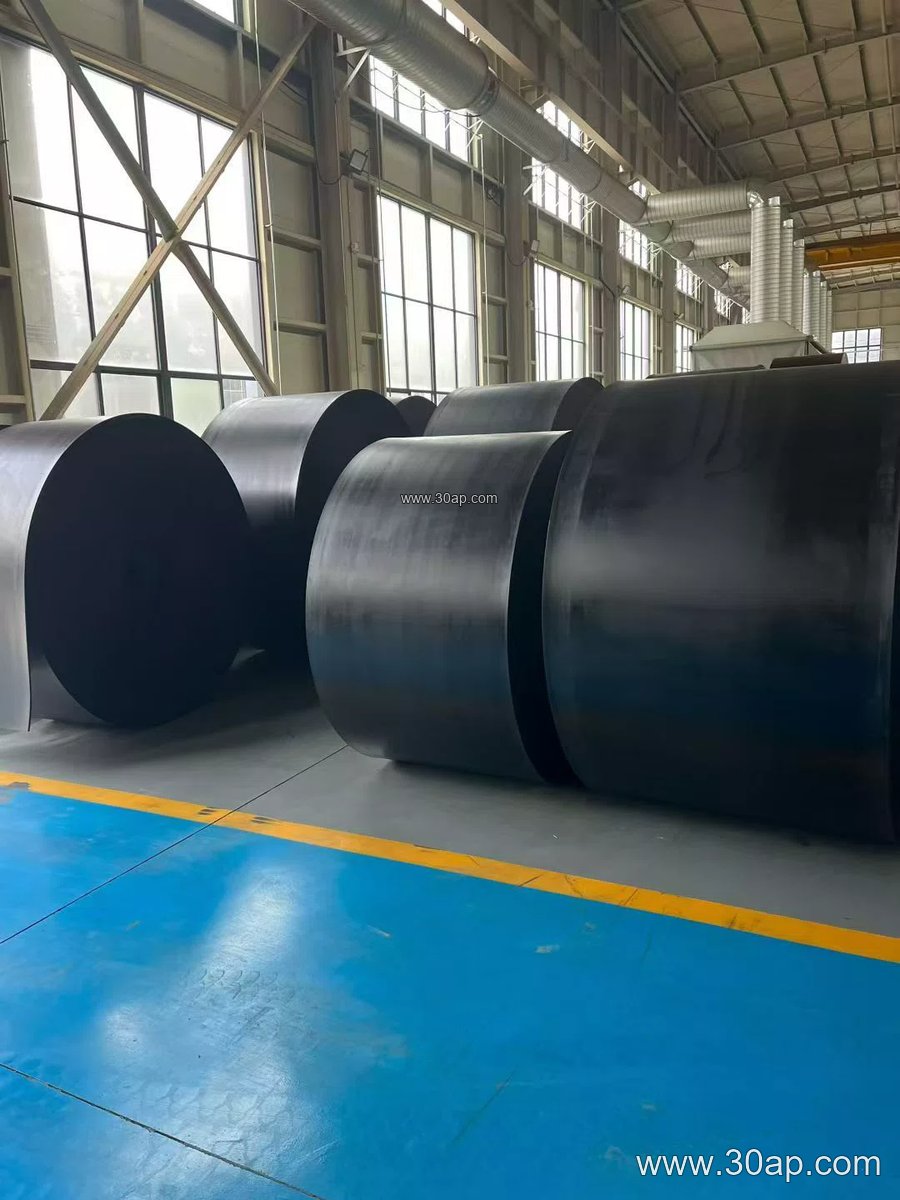
The table below gives common reference values for B500 belts. They are starting points for discussion, not fixed supply promises, and each manufacturer may offer a different range.
| Item | Common Reference Values |
|---|---|
| Nominal width | B500 (500 mm) |
| Fabric carcass | EP or NN, 2 to 6 plies |
| Strength grades (EP) | EP200, EP315, EP400, EP500, EP630 |
| Strength grades (NN) | NN100, NN200, NN300 |
| Cover thickness | 3+1.5 mm, 4+2 mm, 5+2 mm |
| Surface forms | Smooth, chevron, skirted, corrugated sidewall |
| Special grades | Abrasion resistant, heat resistant, oil resistant, flame retardant, anti-static, cold resistant |
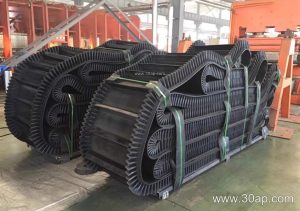
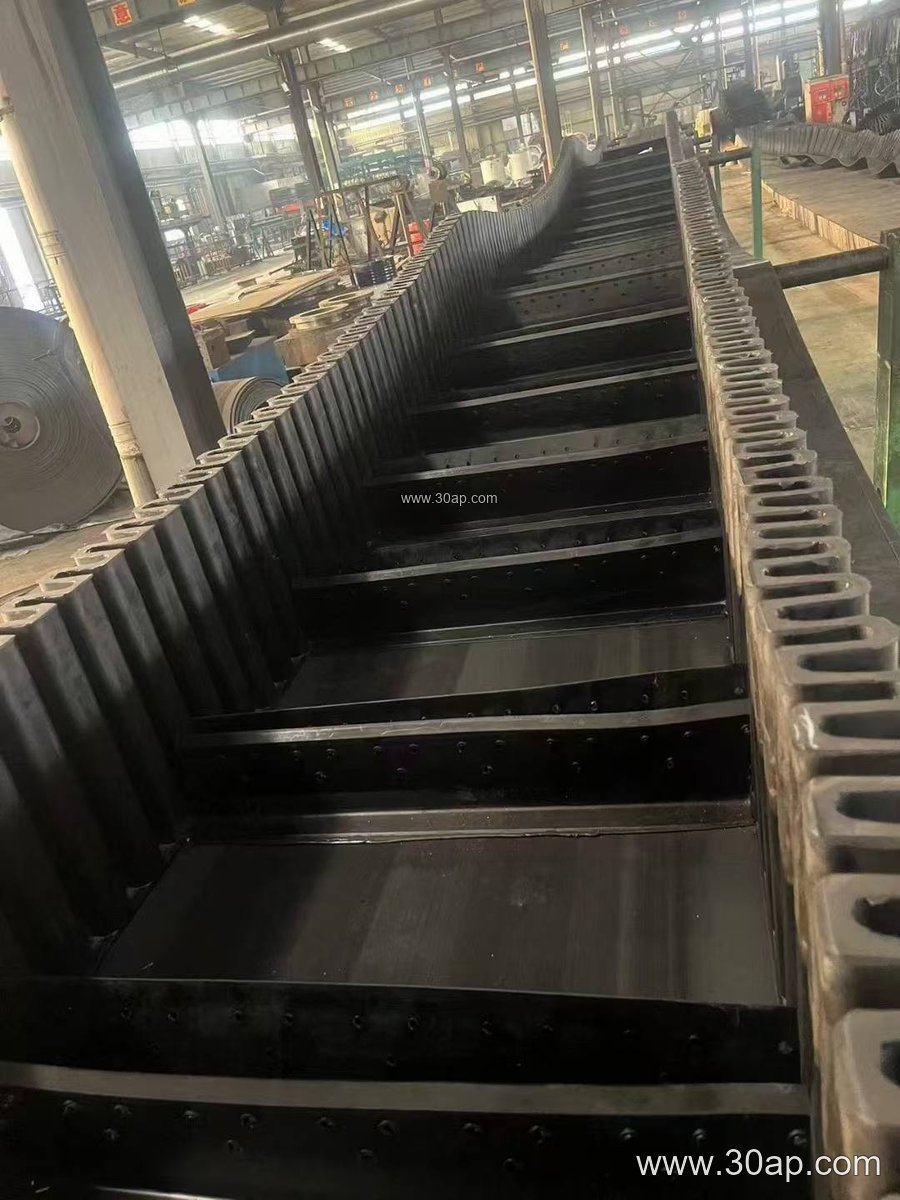
Surface form matters as much as width. A chevron conveyor belt adds cleats to control slip on inclines, while a corrugated sidewall belt carries material in a confined pocket on steep lifts. Skirted edges help contain loose bulk material on flat runs.
Where the Width Fits in a Plant
In a sand and gravel yard, a 500mm belt often feeds a screen or links a crusher to a short stockpile conveyor. Cement plants use it on additive and clinker transfer lines where the tonnage is moderate. Coal mining operations may choose a flame retardant conveyor belt in this width for gate roads and secondary haulage, and underground coal mining conveyors frequently pair narrow belts with compact frames.
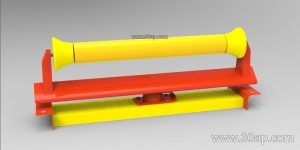
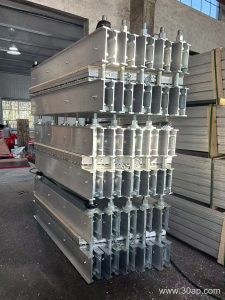
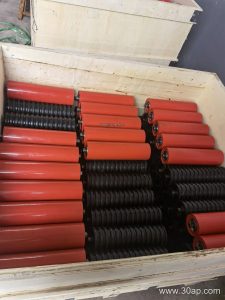
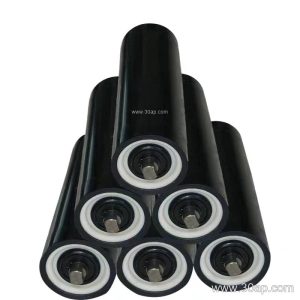
Other typical duties include fertilizer and chemical handling with an oil resistant or acid resistant belt, food and recycling lines with a food grade belt, and cold-climate sites with a cold resistant grade. In each case the belt runs over conveyor pulleys at the head and tail, supported by idler rollers and mounted on conveyor brackets or a steel frame.
Selection Notes for Buyers
Start with the material: lump size, bulk density, moisture and temperature. Then confirm the duty, whether continuous or intermittent, and the incline. The belt width must be wide enough for the load and the largest lumps, so a 500mm belt is not automatically right for every narrow line. Belt speed, trough angle and loading method all affect capacity.
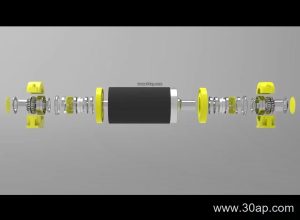
Pulley diameter should follow the belt carcass and tension rating, not the width alone. A drive pulley, a tail pulley and a bend pulley each have their own role, and none of them can be swapped for another type without checking the layout. The same applies to idler rollers and brackets, which must match the frame and the belt load.
- Confirm the strength grade and number of plies with the conveyor designer.
- Match cover grade to abrasion, heat, oil or flame risk.
- Check minimum pulley diameters against the chosen carcass.
- Allow for splice type and take-up travel when ordering an endless belt.
- Review skirt and cleat height if the belt runs on an incline.
Installation and Maintenance Basics
Track alignment is the first priority on a narrow belt. Misaligned idler rollers and worn pulleys cause edge damage quickly, and a 500mm belt has less margin for wander than a wide belt. Keep the loading point centered, inspect covers for cuts and check splices at regular intervals. Store spare belts flat and away from sunlight and ozone sources.
For more detail on matching belts with conveyor pulleys, idler rollers and frames, visit beltABC.com and review the selection notes before finalizing a B500 specification.