What a Steel Plant Conveyor Pulley Does
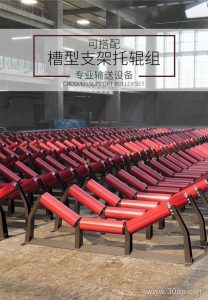
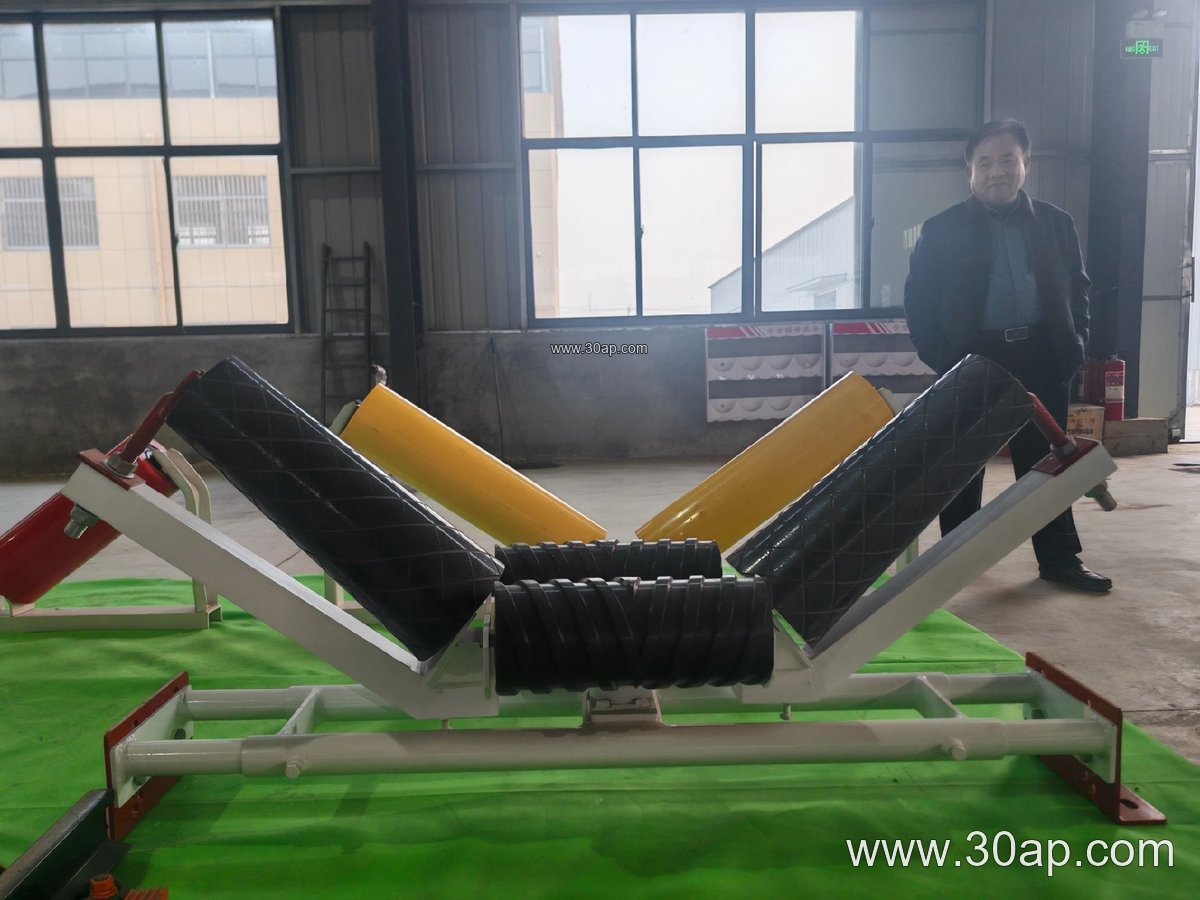
A steel plant conveyor pulley is the cylindrical rotating component that drives, tensions, or redirects the conveyor belt in sinter lines, coke handling, pellet transport, and finished-product movement. In a steel plant, belts carry hot sinter, abrasive ore, limestone, and coke fines, so the pulley must handle heavy loads, dust, and elevated temperatures without losing grip or alignment. The pulley is not a standalone item; it works with the conveyor belt, idler rollers, and conveyor brackets to keep the whole circuit running.
The same component is often called a conveyor drum or belt pulley. Drive pulleys transmit torque, tail pulleys hold tension, and bend pulleys change belt direction. These are different duties, and one cannot simply replace another in a steel plant layout.
How the Pulley Is Built
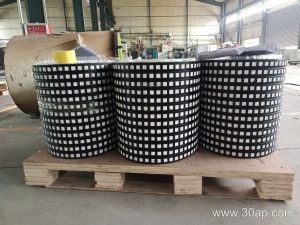
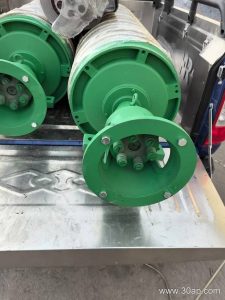
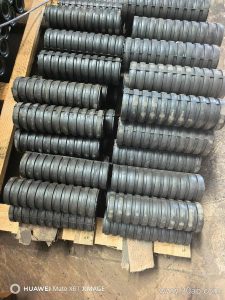
Most steel plant conveyor pulleys use a welded steel shell with end discs, a shaft, and bearing housings. The shell may be machined for balance and then covered with lagging. Common surface forms include plain finish, hot-vulcanized rubber, cold-bonded rubber, diamond grooved lagging, herringbone lagging, and ceramic lagging. Lagging thickness is often 8, 10, 12, 15, or 20 mm, depending on grip and wear requirements.
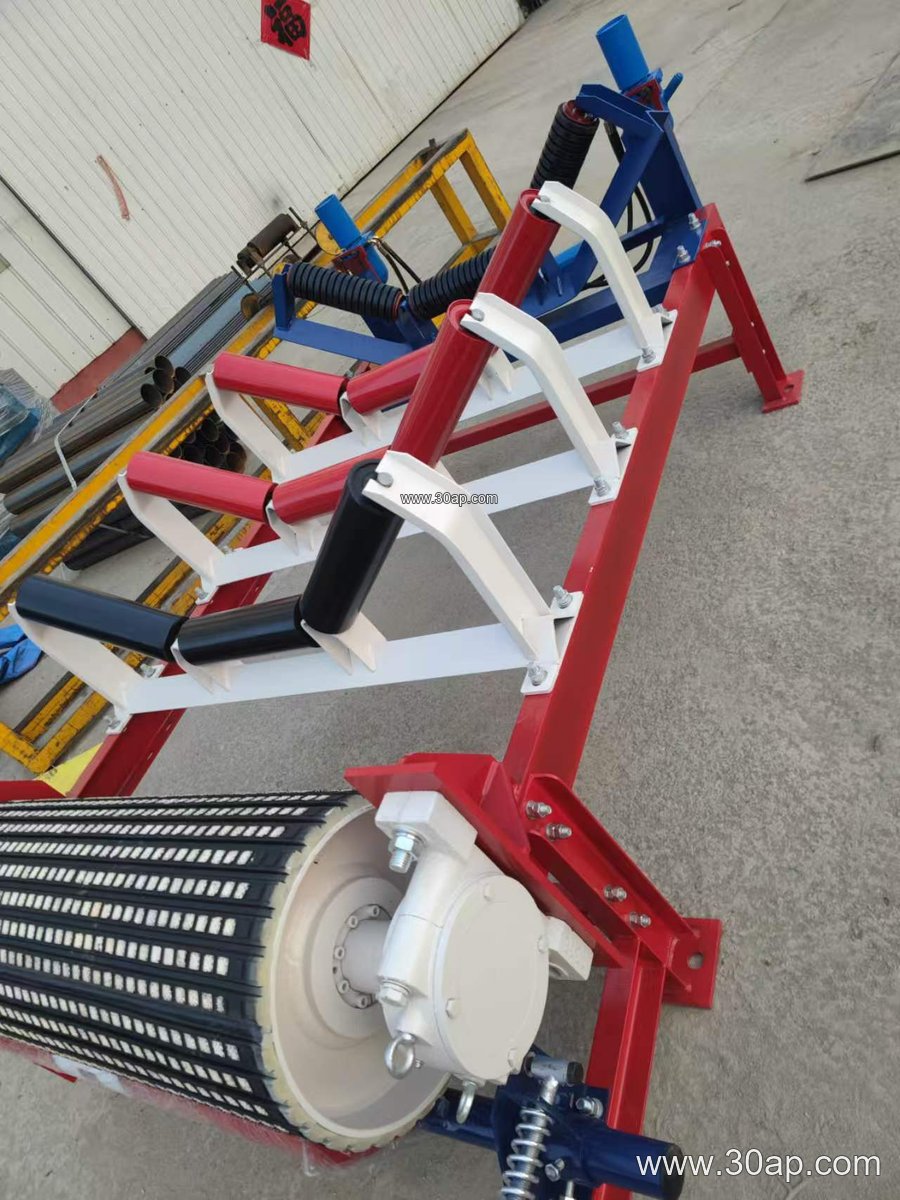
Shaft diameter is determined by torque and load, not by belt width alone. Typical shaft sizes range from Ø50 to Ø200, and the design should be confirmed by the pulley manufacturer or engineer. Shell diameter commonly falls between Ø200 and Ø1800 for heavy bulk handling, while face width usually exceeds the belt width to keep the belt centered.
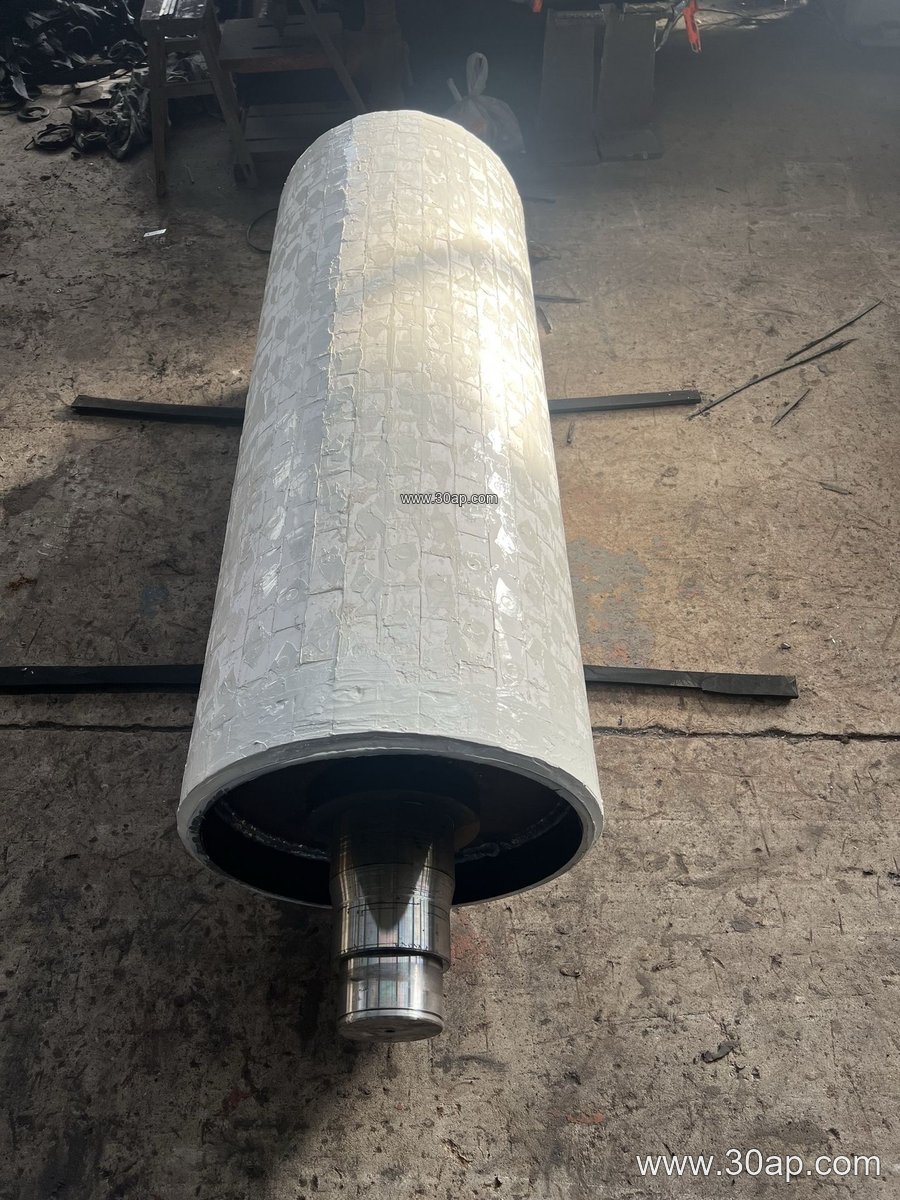
Matching Belt Width and Pulley Dimensions
Belt width and pulley face width are related but not fixed pairs. A B800 belt often runs on a pulley face around 950 mm, and a B1200 belt may use a face near 1400 mm. Diameter depends on belt tension, wrap angle, and space. For example, B800 × Ø500 and B1200 × Ø1000 are common combinations, but the same belt width can work with different diameters in different conveyor layouts.
| Belt Width (B) | Typical Pulley Face Width | Possible Diameter Range |
|---|---|---|
| B500 | About 600 mm | Ø200 to Ø500 |
| B650 | About 750 mm | Ø250 to Ø630 |
| B800 | About 950 mm | Ø315 to Ø800 |
| B1000 | About 1150 mm | Ø400 to Ø1000 |
| B1200 | About 1400 mm | Ø500 to Ø1250 |
| B1400 | About 1600 mm | Ø630 to Ø1400 |
| B1600 | About 1800 mm | Ø800 to Ø1600 |
| B1800 | About 2000 mm | Ø1000 to Ø1800 |
The values above are common references, not mandatory matches. Final dimensions should follow the conveyor design and the pulley duty.
Where It Fits in Steel Plant Material Flow
In sinter plants, a steel plant conveyor pulley may sit at the head of a conveyor carrying hot sinter to the crusher. In coke handling, tail pulleys keep tension on a flame retardant conveyor belt moving coke breeze. In pellet and ore yards, bend pulleys redirect a steel cord conveyor belt or an EP conveyor belt around transfer towers. A quarry conveyor belt or mining conveyor belt feeding the plant also relies on properly lagged pulleys to avoid slip under wet, dusty conditions.
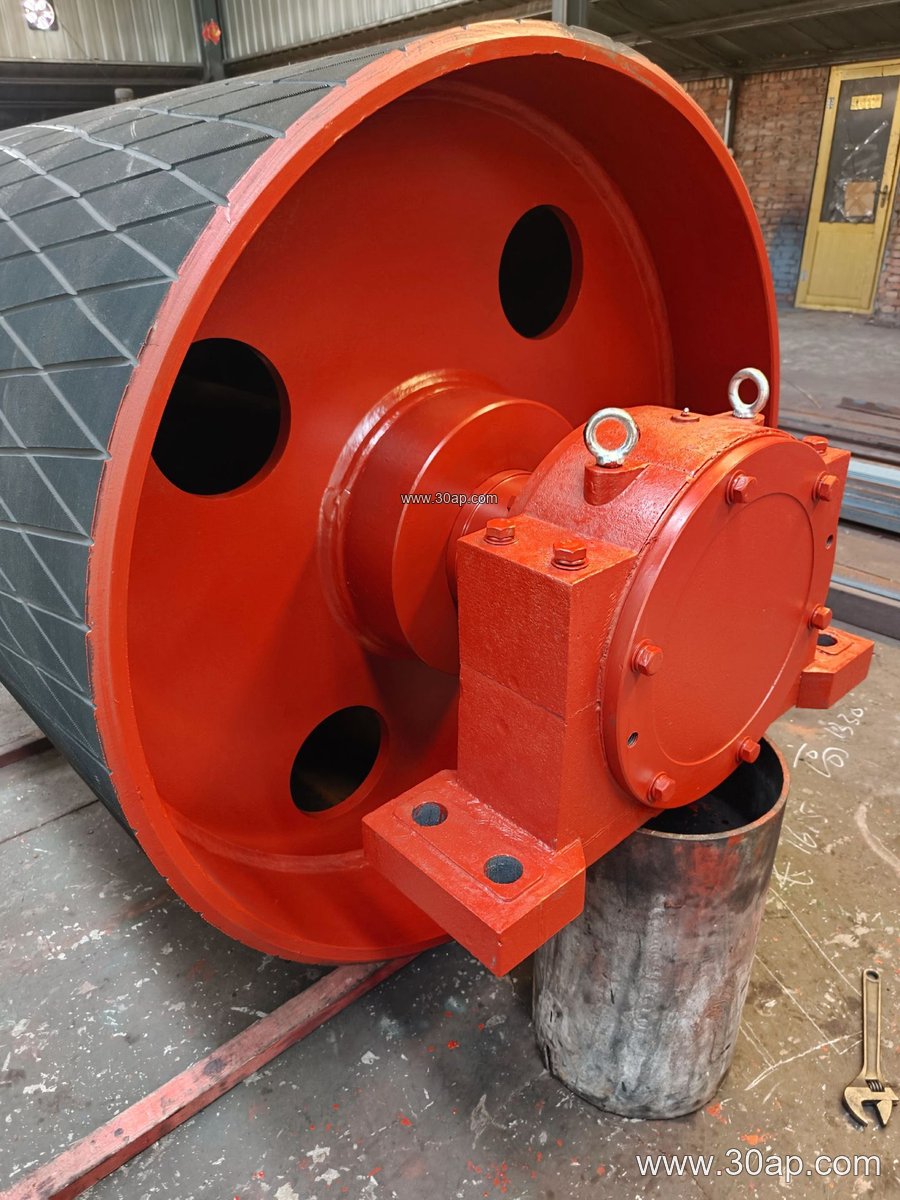
Drive pulleys in these circuits often use diamond or ceramic lagging to maintain friction. Tail pulleys may use plain or rubber lagging to allow belt self-cleaning. Bend pulleys in tight transfer stations are often smaller in diameter but must still support full belt tension.
What Buyers Should Check Before Ordering
- Confirm the pulley duty: drive, tail, bend, take-up, or snub. Each position has different load and wrap-angle requirements.
- Provide the belt width, belt type, and belt tension so the shell, shaft, and bearings can be sized correctly.
- State the material and environment: hot sinter, abrasive ore, oily coke, or wet limestone. This affects lagging choice and bearing protection.
- Specify lagging surface and thickness only after reviewing grip and wear needs. Ceramic lagging suits high-slip drives; plain finish suits some tail positions.
- Check that the conveyor bracket and bearing housing dimensions match the existing structure.
For steel plant conveyors, a correctly specified conveyor pulley protects the belt, reduces downtime, and keeps idler roller wear more even. Buyers should treat dimensions as design outputs, not catalog defaults, and confirm every shaft and shell size with the conveyor engineer before purchase.