What a Non-Standard Conveyor Bracket Really Is
A non-standard conveyor bracket is a supporting component made to match a conveyor line that does not fit a catalog pattern. Standard brackets follow common mounting dimensions; this type is drawn around the actual frame, the actual pulley or roller position, and the actual load path on site. In a quarry, a cement plant, or a power plant coal yard, the difference of a few millimeters at a mounting hole can decide whether a roller sits square under the belt. That is where custom fabrication earns its place. Our custom fabricated conveyor support bracket range at guanchangjixie.com is built around drawings, not around a single one-size-fits-all pattern.
Construction and Materials
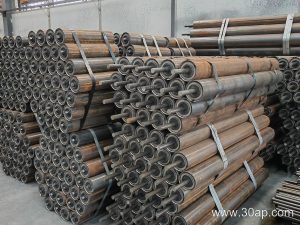
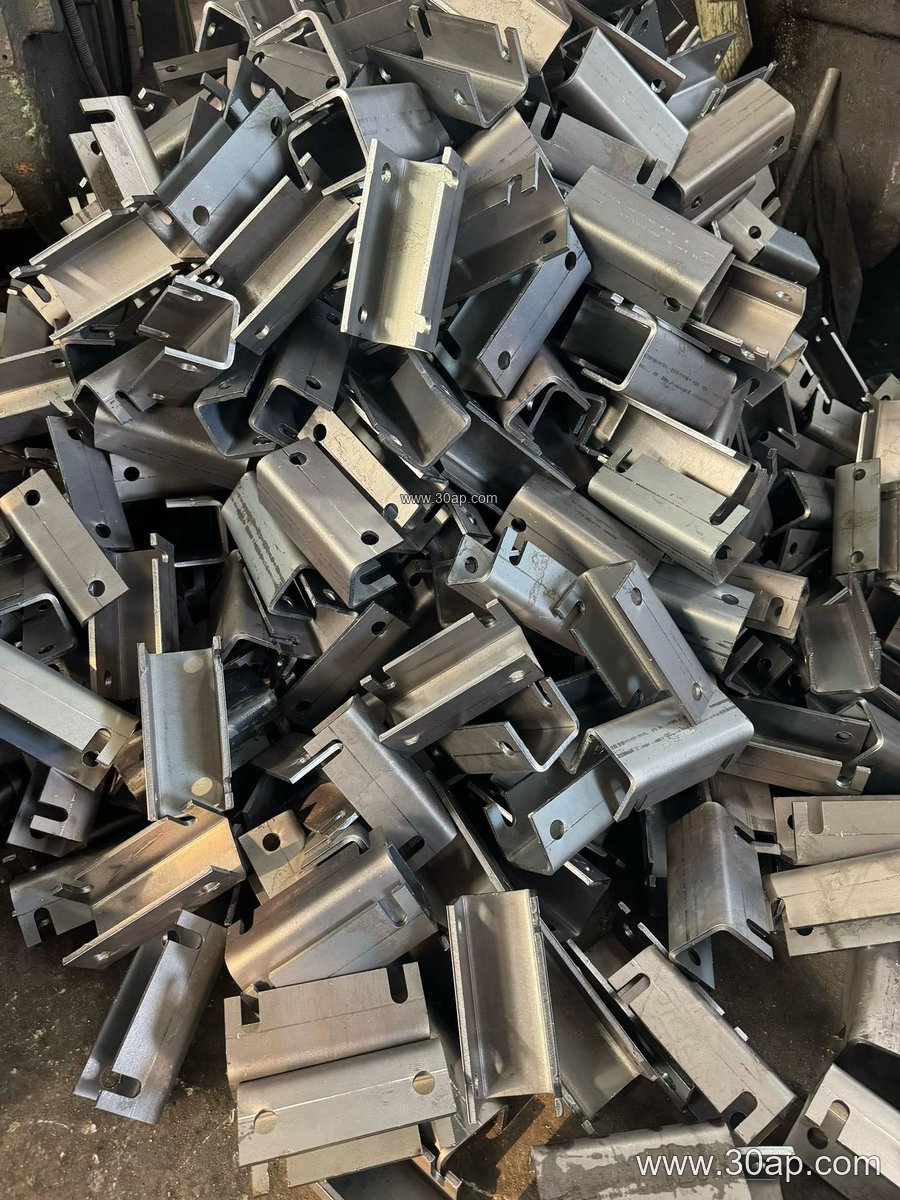
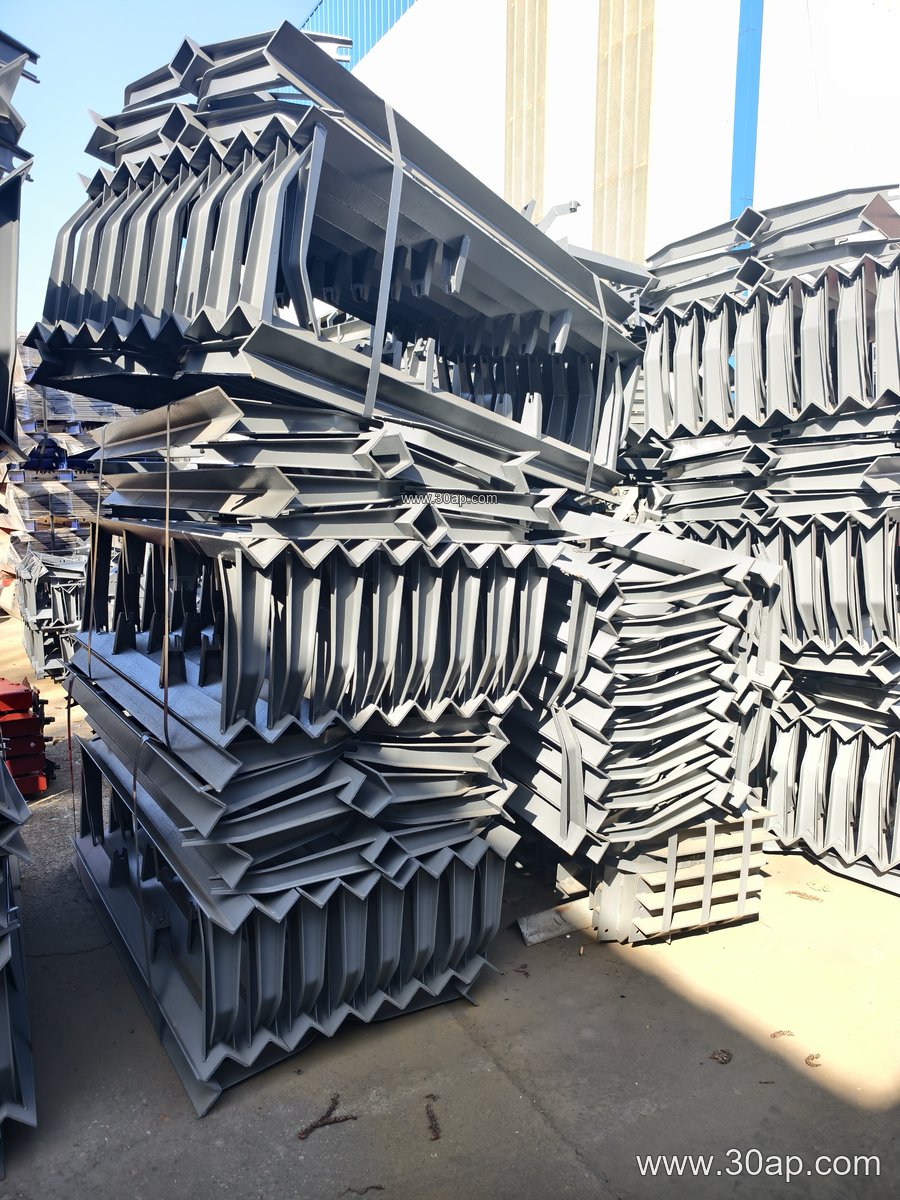
Most of these brackets are welded assemblies. Angle steel and channel steel are common choices for the main body, while bent steel plate is often used for gussets, base pads, and roller seats. The design logic is simple: carry the vertical load from the belt and material, resist the pull of a moving conveyor belt, and keep the roller axis aligned. A well-made bracket has straight mounting faces, consistent hole spacing, and enough stiffness that it does not flex when the belt is fully loaded.
Typical reference data
The figures below are common reference values, not fixed rules. Actual dimensions follow the conveyor design.
| Item | Common reference values |
|---|---|
| Belt width B | B500, B650, B800, B1000, B1200, B1400, B1600, B1800, B2000, B2200 |
| Trough angle | 20°, 30°, 35°, 45°; adjustable brackets can move between these angles |
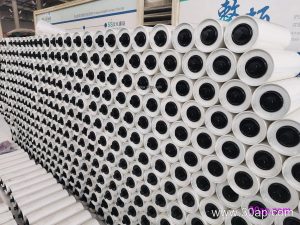
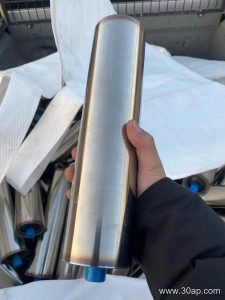
| Roller diameter | Ø89, Ø108, Ø133, Ø159, Ø194 |
| Material | Angle steel, channel steel, bent steel plate |
A combination such as B800 with a 35° trough and Ø108 rollers is common in aggregate service. A wider B1200 line with 45° troughing and Ø133 rollers may suit a high-capacity ore or coal stream. There is no rule that ties one belt width to one trough angle or one roller diameter; the bracket is designed around the whole conveyor, including belt speed, material lump size, and frame height.
Where It Fits on the Conveyor
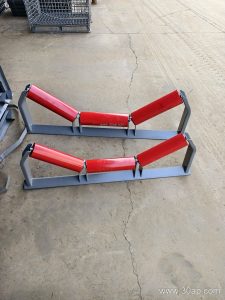
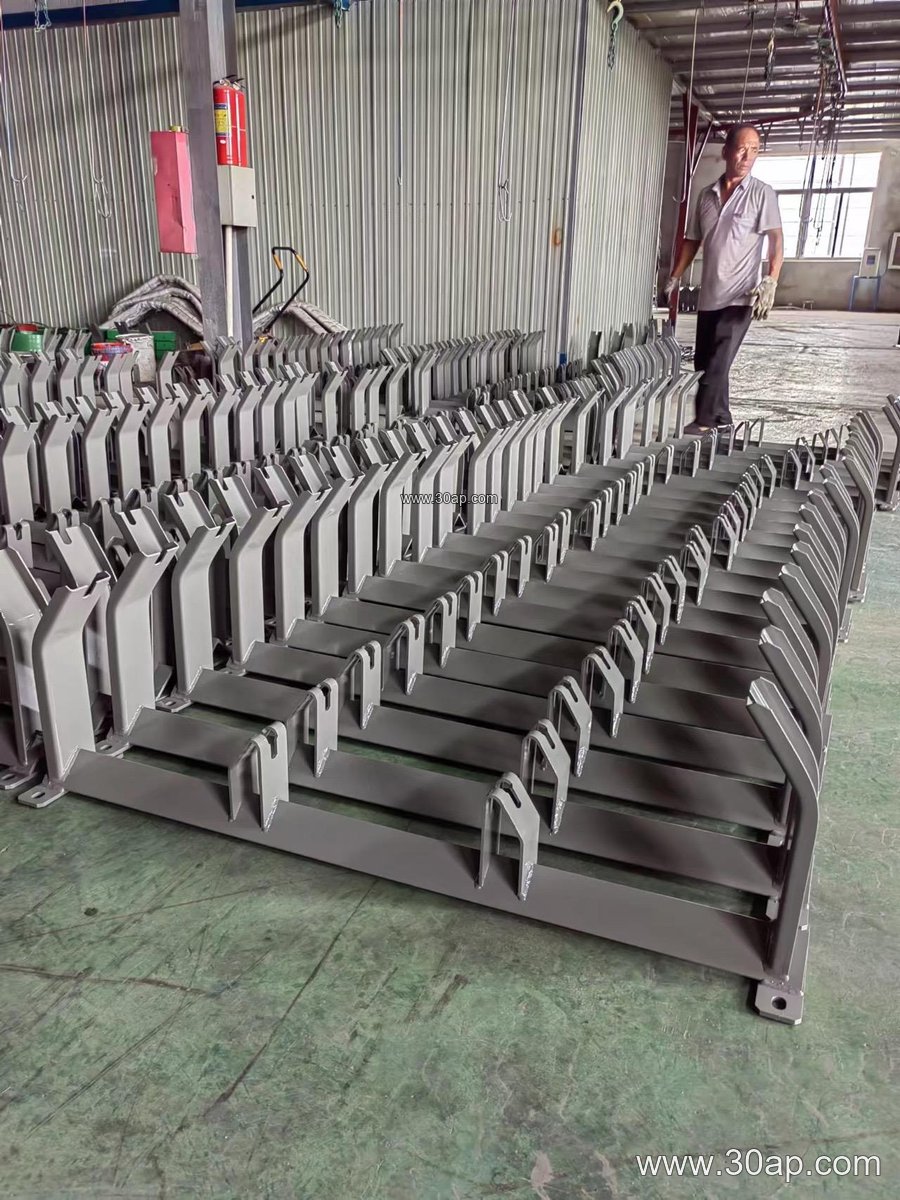
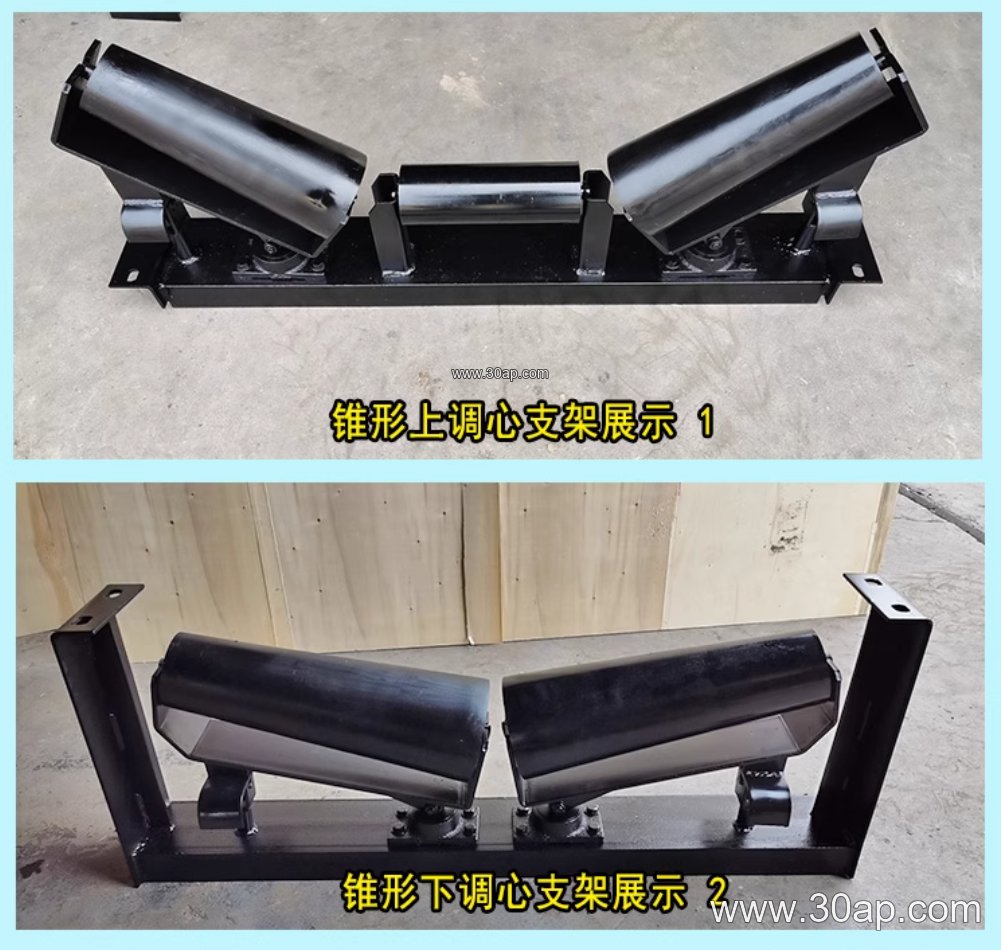
The bracket family covers several positions. Troughing brackets sit on the carrying side and hold the three-roller arrangement that shapes the belt into a trough. Return brackets support the belt on its way back, and a V-return bracket helps center it. Transition brackets sit near a conveyor pulley, where the belt changes from flat to troughed. Impact brackets go under a loading point to absorb the fall of rock or clinker. Self-aligning and forward-leaning brackets are used where belt tracking needs help.
A non-standard bracket often appears at these awkward points: a transfer tower with a short transition, a mobile crushing plant on a quarry floor, or a retrofit where the old frame cannot be modified. In a coal washing plant or a limestone crushing line, a custom bracket can solve a clearance problem that a standard part cannot.
Why Buyers Ask for Custom Versions
- The frame is existing and cannot be redrilled.
- The roller spacing or trough angle must differ from the standard.
- Site conditions call for extra stiffness or a different mounting height.
- A conveyor pulley or idler roller change requires a new support height.
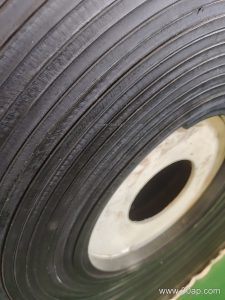
When ordering, give the belt width, the intended trough angle, the roller diameter and fixing centers, the material to be carried, and a sketch or drawing of the mounting interface. Buyers working with a heavy-duty mining conveyor belt or an abrasion resistant conveyor belt on sharp ore should mention impact and wear, because the bracket and the roller seat may need extra thickness. If the line uses a steel cord conveyor belt or an EP conveyor belt, the belt stiffness also affects how the transition bracket should be set.
Matching the Bracket to the Rest of the Line
The bracket is only one part of a system. It has to sit correctly under the idler roller, clear the conveyor belt edge, and align with the frame. On a port conveyor or a ship loading line, corrosion protection matters as much as strength. In a foundry or sintering plant, heat and dust can shorten the life of any support that is not designed for the environment.
Maintenance is straightforward: check for loose bolts, bent seats, and worn roller ends. A bracket that has moved out of line will show up as belt wander or edge wear. Replacing a damaged custom bracket with a standard one is rarely a good idea, because the geometry was the reason it was made in the first place.
For anyone sourcing these parts, the practical rule is to treat the drawing as the specification. Confirm the belt width, trough angle, roller diameter, hole pitch, and surface finish before production. A non-standard conveyor bracket is a small item, but it keeps the belt, the rollers, and the frame working as one.