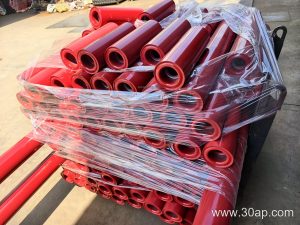
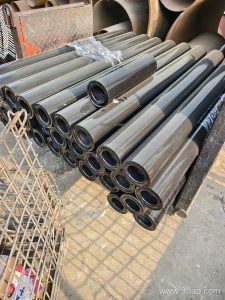
What a Mining Conveyor Bracket Does on the Line
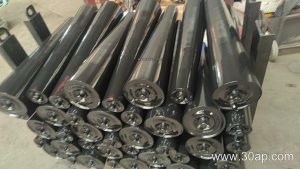
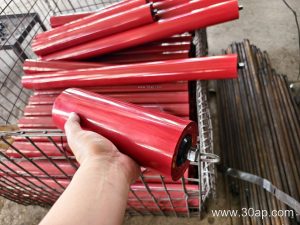
A mining conveyor bracket is the structural element that holds idler rollers at the correct position and angle under a moving conveyor belt. In a quarry, limestone mine, iron ore plant or coal handling circuit, the bracket carries the load of the belt, the material and the rollers, then transfers that load into the conveyor frame. It is a small part in terms of cost, but it decides how well the belt tracks, how long the idler roller bearings last and how much spillage the transfer point produces.
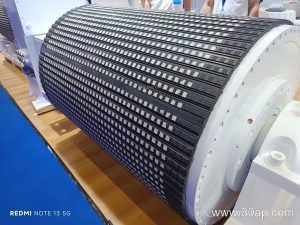
The same part is often called a conveyor idler support bracket or roller support frame. Both names describe the same item; the exact wording changes from one supplier drawing to another. It should not be confused with a conveyor pulley, which drives or redirects the belt at the head, tail or bend of the machine.
How the Bracket Is Built
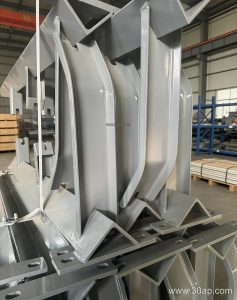
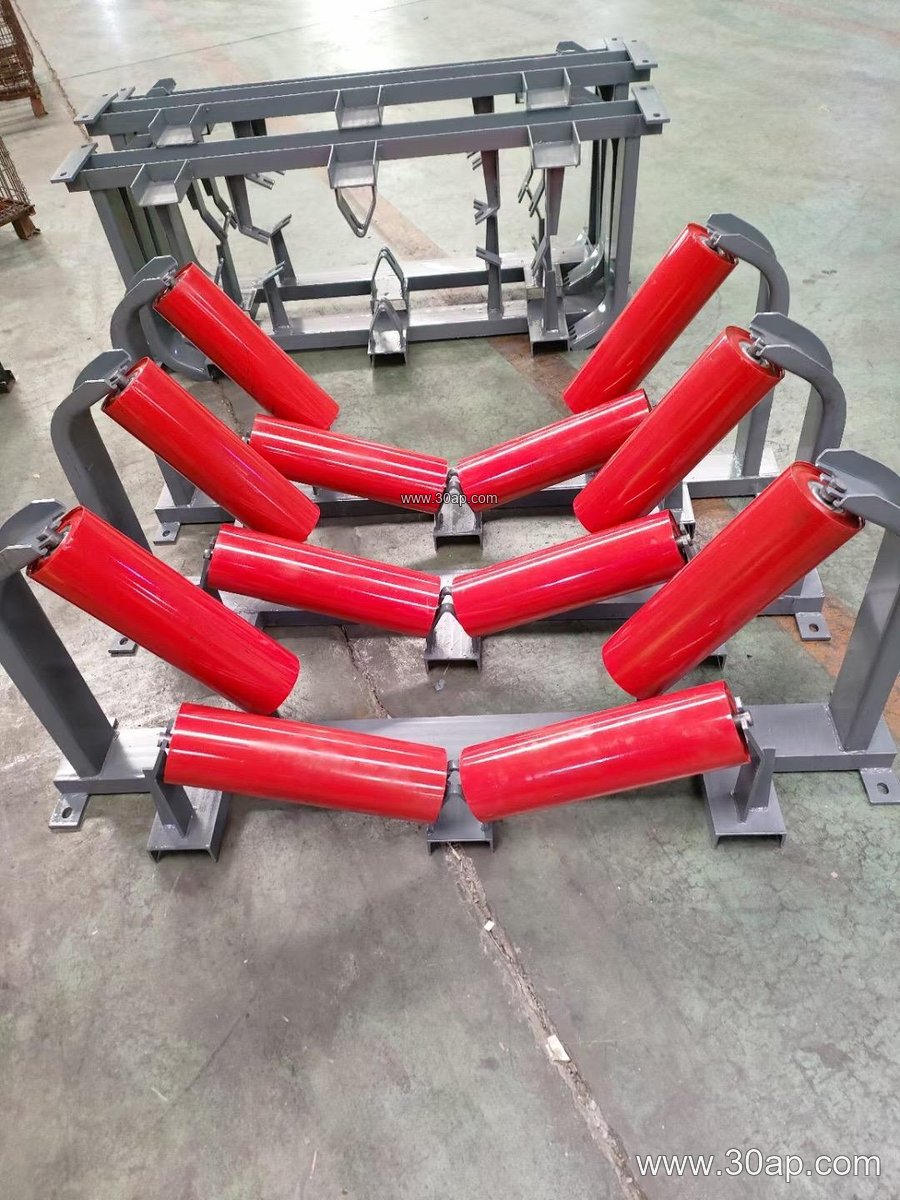
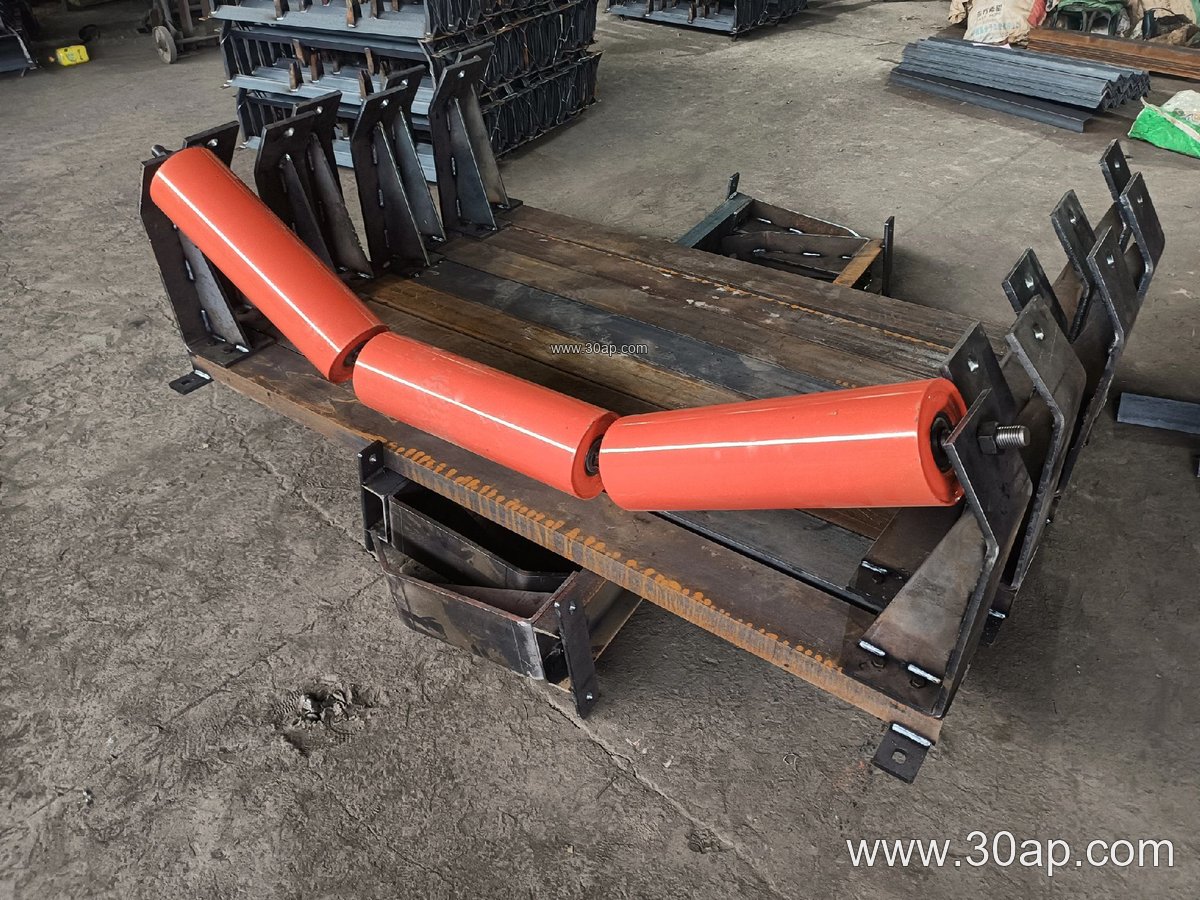
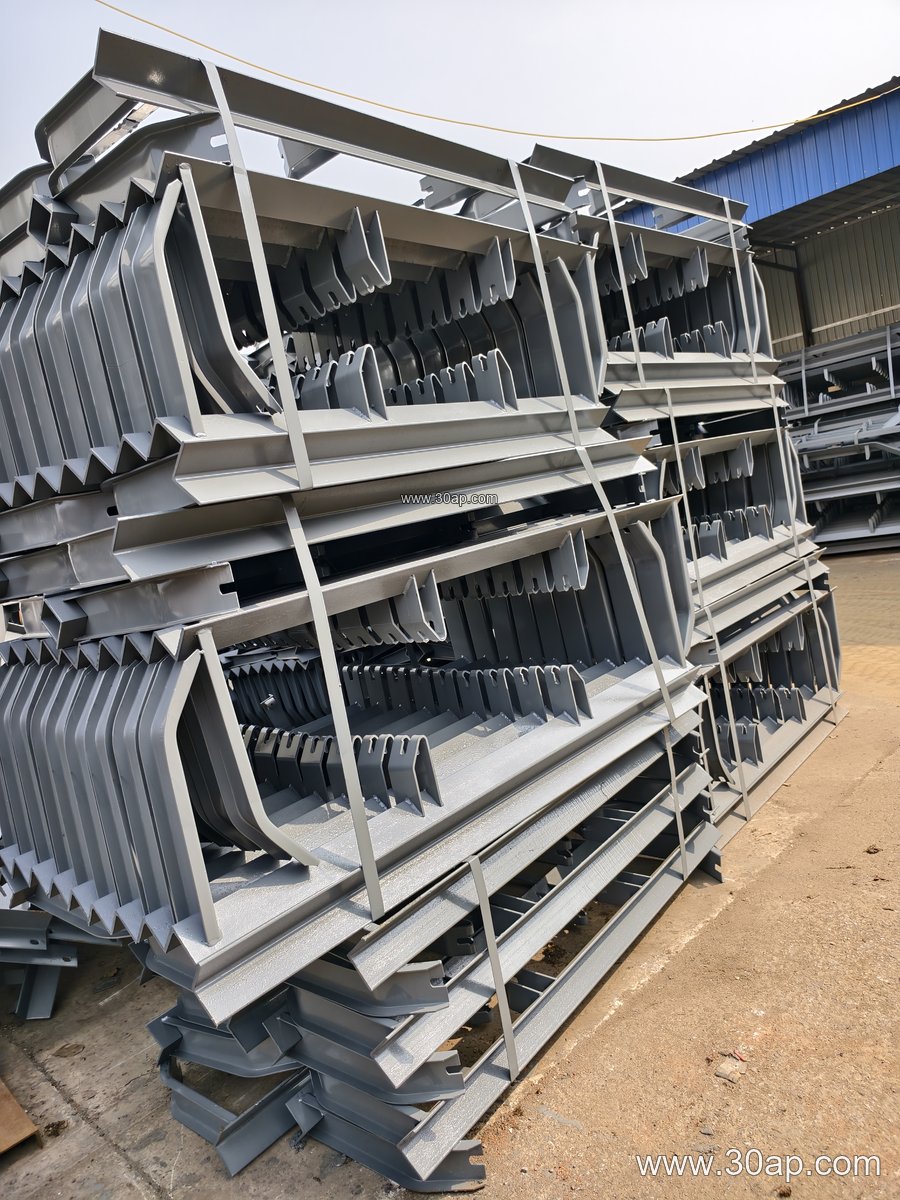
Most brackets are fabricated from angle steel, channel steel or folded steel plate, then drilled or punched for mounting bolts. A troughing bracket usually has two or three inclined arms that set the belt into a trough shape, plus a base that clamps onto the conveyor stringer. Return brackets are flatter and may be plain or V-shaped to support the empty belt. Impact brackets sit under the loading point and carry impact idlers with rubber rings.
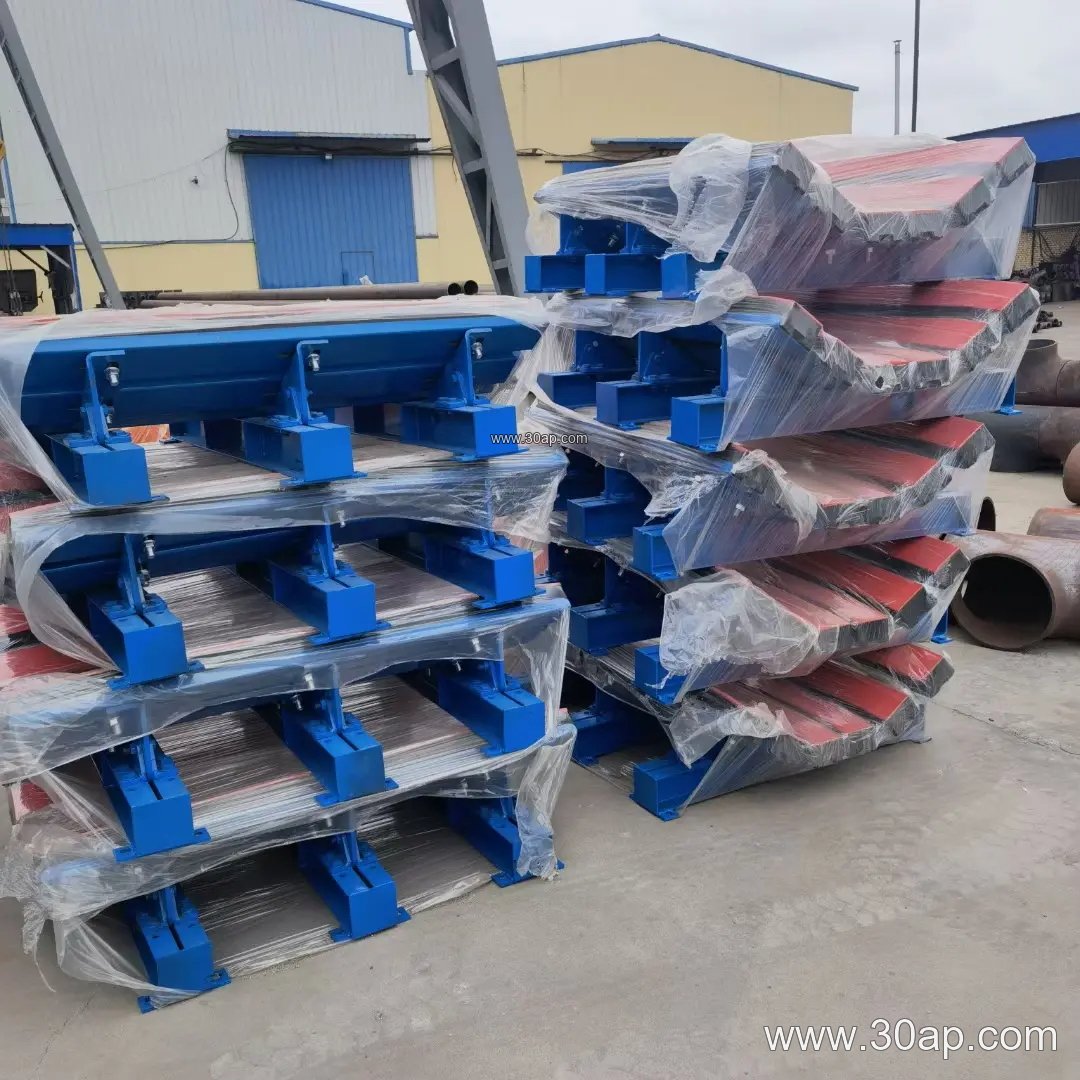
Welding quality, hole alignment and surface treatment matter more than the steel grade alone. A bracket with twisted arms will push the belt to one side no matter how carefully the rollers are installed. Galvanized or painted finishes are common for outdoor stockyards and port conveyors, while underground coal mining conveyors often use coated or painted steel with flame retardant belt and anti-static components around them.
Common Forms and Reference Dimensions
Bracket dimensions follow belt width, trough angle and roller diameter. The figures below are typical reference values, not fixed combinations; the actual hole spacing and beam length are confirmed by design.
- Troughing bracket, B800, 35 degree, Ø108
- Troughing bracket, B1200, 45 degree, Ø133
- Transition bracket, B1000, 30 degree, Ø108
- Return bracket, B1400, flat or V type, Ø133
- Impact bracket, B1600, 35 degree, Ø159
- Self-aligning bracket, B650, 30 degree, Ø89
Belt widths from B500 to B2200 appear in bulk material handling, and trough angles of 20, 30, 35 and 45 degrees cover most duty. Adjustable brackets let maintenance teams change the trough angle within that range without replacing the frame. Forward-leaning brackets are usually set at about 1.5 to 2 degrees to help belt training. A bracket for a 500mm belt and one for a 2000mm belt share the same principle but not the same steel section.
Matching the Bracket to the Belt and the Duty
The bracket must suit the belt it carries. A heavy-duty mining conveyor belt or a steel cord conveyor belt used on a long overland run needs a stiffer frame and larger rollers than a short aggregate conveyor belt. Abrasion resistant conveyor belt in a crusher discharge line often works with impact brackets and cushion rollers, while a heat resistant conveyor belt in a cement plant or power plant coal yard may need brackets that keep the rollers clear of hot material build-up.
On a pipe conveyor belt or a corrugated sidewall conveyor belt, the support arrangement is different and panel brackets are used instead of standard troughing sets. A chevron conveyor belt on an inclined stockpile conveyor still uses conventional brackets, but the belt must be guided carefully because the cleats can catch on misaligned rollers. Flame retardant conveyor belt and fire resistant conveyor belt are common in underground mining conveyor and coal mining conveyor applications, where bracket spacing is often tighter to limit belt sag.
Installation and Maintenance Notes
Align the bracket square to the conveyor centreline before tightening the bolts. Check that all idler rollers sit in the same plane; one high bracket will lift the belt and start edge wear. Inspect for loose bolts, bent arms, corrosion and material build-up, especially at transfer points and in wet washing plants. Replace deformed brackets rather than trying to straighten them under load.
Buyers should confirm belt width, trough angle, roller diameter, mounting hole pattern, beam length and finish before ordering, and ask for a drawing that shows the actual fixing points. For a full line, the bracket works together with the conveyor belt, idler roller and conveyor pulley, and the whole set should be reviewed as one system. Whether the site is a sand and gravel plant, a sintering line or a tunnel muck-out operation, a well-matched mining conveyor bracket keeps the belt centred and the maintenance budget predictable.