What an Impact Idler Bracket Does
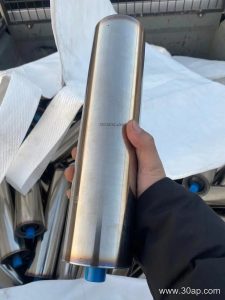
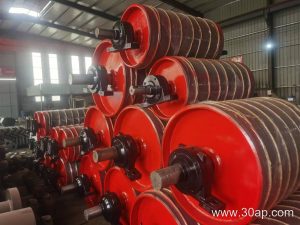
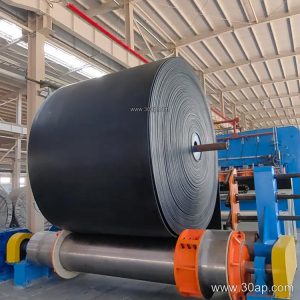
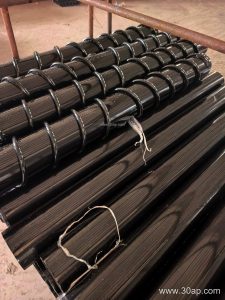
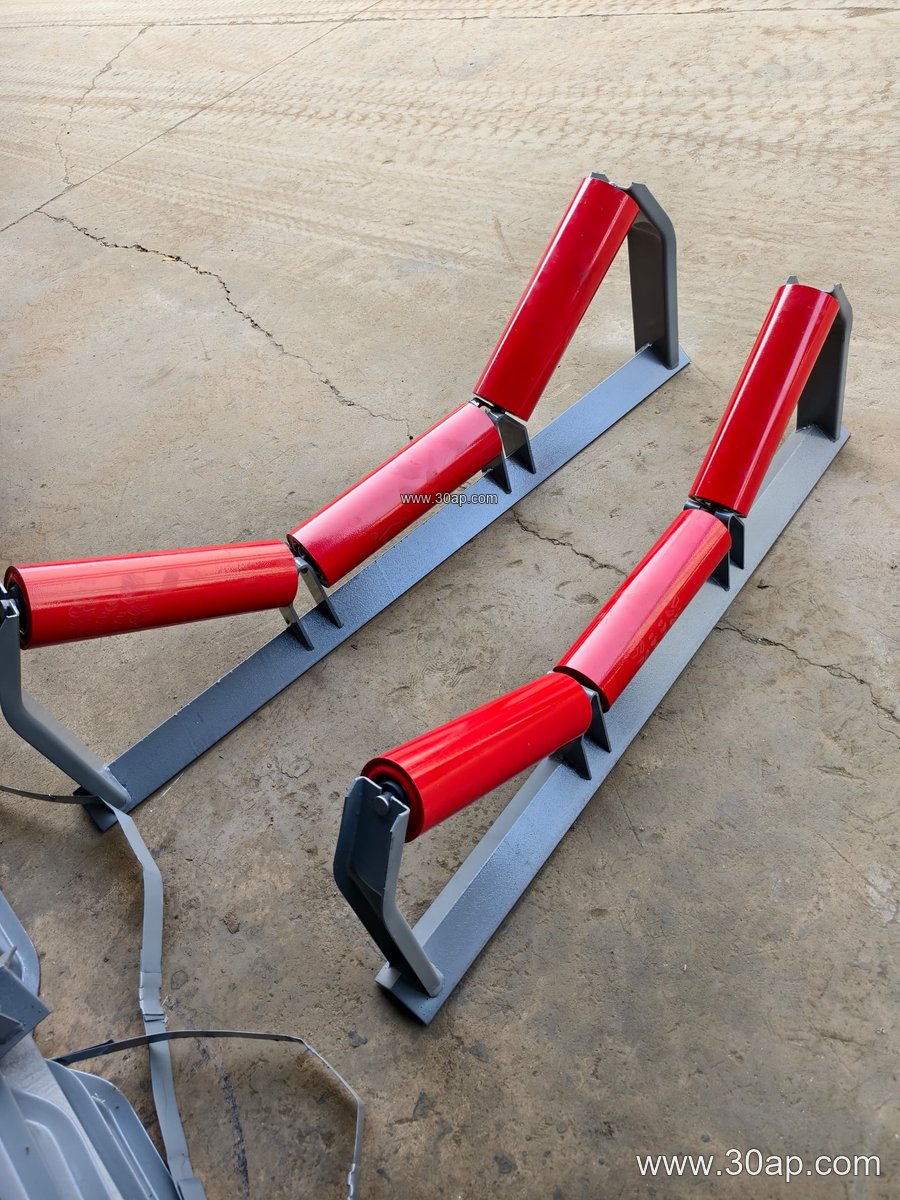
An impact idler bracket is the support structure that holds impact idlers in place at the loading point of a conveyor. It absorbs and distributes the force of falling material, protecting the belt and the idler frames from premature wear. In hard-rock quarries, iron ore terminals, and coal preparation plants, this bracket is often the first line of defense against belt damage. While a standard troughing bracket simply carries the belt, the impact version is built to take a beating. It works alongside the conveyor belt, idler roller, and conveyor pulley to keep material moving smoothly from the crusher or transfer chute.
Construction and Mounting
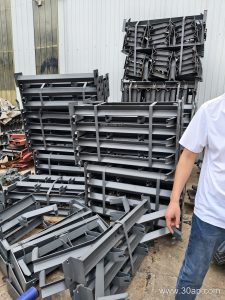
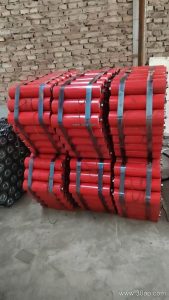
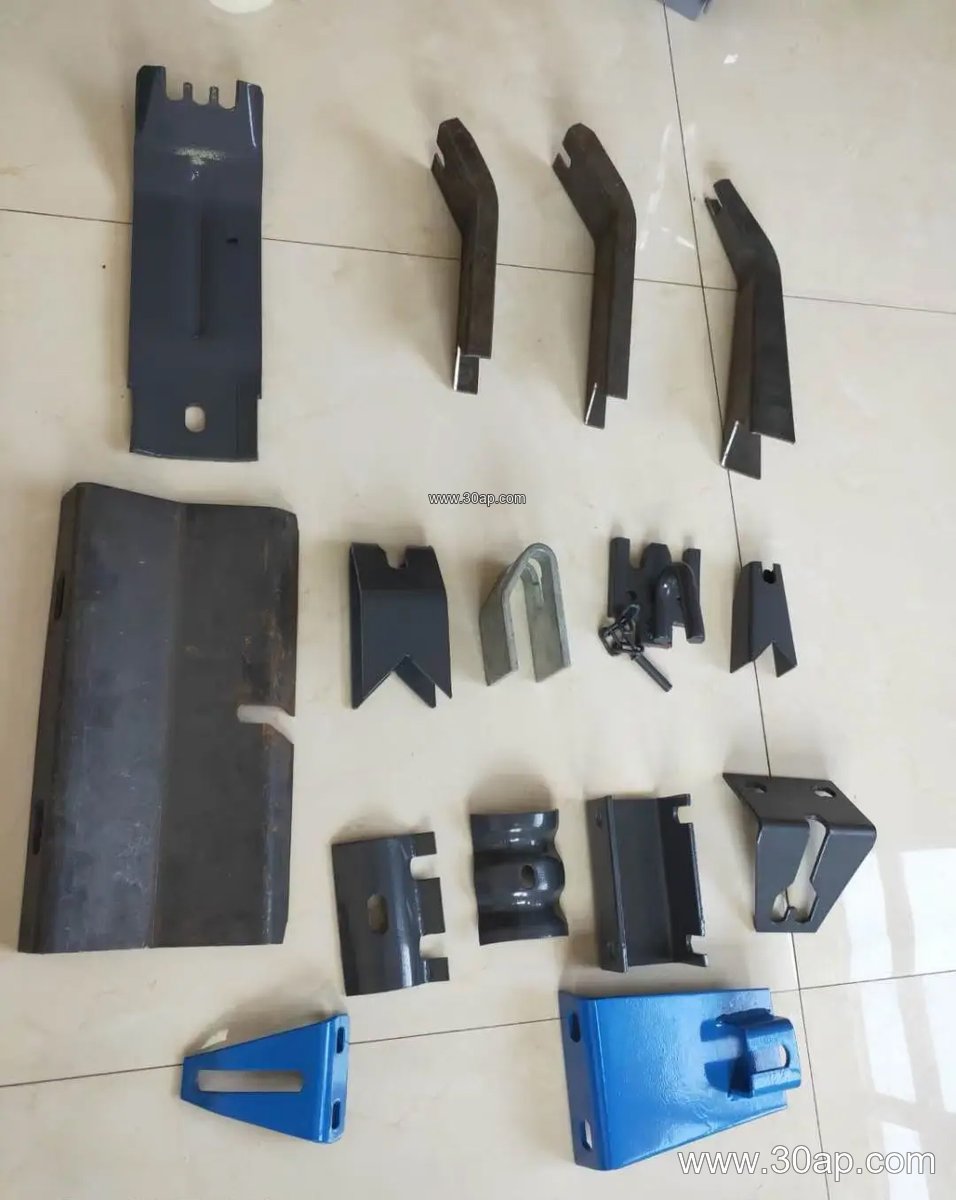
Most impact idler brackets are fabricated from angle steel, channel steel, or folded steel plate. The frame is typically reinforced with gussets or cross-bracing to resist deformation under repeated shock loads. The bracket is mounted on the conveyor stringer or cross beam, and its height and hole spacing are determined by the belt width, trough angle, and idler diameter. Unlike a fixed troughing bracket, an impact bracket may include rubber or polyurethane cushions between the frame and the idler shaft to dampen vibration. The bracket does not rotate; it is the impact idler that spins, while the bracket holds the assembly steady.
Where It Is Used
You will find impact idler brackets at transfer points in limestone mines, aggregate crushing circuits, and power plant coal handling systems. They are also common in tunnel spoil removal and fertilizer bulk loading. In these locations, material drops from a chute or another conveyor, creating a concentrated load. The bracket keeps the idlers aligned and prevents the belt from sagging excessively between supports. For heavy-duty mining conveyor belts carrying large lumps, the bracket must be robust enough to avoid bending after a few weeks of service.
Key Selection Factors
Buyers should match the bracket to the belt width, trough angle, and idler diameter used on the conveyor. Common belt widths include B500, B650, B800, B1000, B1200, B1400, and B1600. Trough angles of 20, 30, 35, and 45 degrees are typical, and adjustable brackets allow switching between these angles. Idler diameters such as Ø89, Ø108, Ø133, Ø159, and Ø194 are frequently specified. Installation hole spacing and cross beam length vary with belt width and trough angle, so these dimensions should be confirmed with the bracket supplier rather than assumed. The table below shows some reference combinations, but they are not fixed rules.
| Belt Width | Trough Angle | Idler Diameter | Typical Bracket Type |
|---|---|---|---|
| B650 | 30° | Ø89 | Impact troughing bracket |
| B800 | 35° | Ø108 | Impact troughing bracket |
| B1000 | 35° | Ø133 | Impact troughing bracket |
| B1200 | 45° | Ø133 | Impact troughing bracket |
| B1400 | 45° | Ø159 | Impact troughing bracket |
Material choice matters too. In a quarry handling abrasive rock, a heavy-gauge folded steel bracket may outlast a lighter angle-steel frame. In a coal mine, flame retardant conveyor belts are common, but the bracket itself is steel and does not carry a flame rating. For corrosive environments, such as some fertilizer plants, a painted or galvanized finish can help.
Installation and Maintenance Tips
Proper alignment is critical. The bracket should sit square to the conveyor centerline so that the impact idlers contact the belt evenly. Bolts should be checked after the first week of operation because shock loads can loosen connections. If the bracket shows signs of bending or cracked welds, replace it rather than trying to straighten it. Keep spare brackets on hand for critical transfer points in a steel plant or port facility. Remember that the impact idler bracket is only one part of the system; it works with the conveyor pulley, idler roller, and conveyor belt to maintain throughput.
Buyer Checklist
- Confirm belt width and trough angle before ordering.
- Specify idler diameter and shaft size to match existing idlers.
- Ask for installation hole spacing and cross beam length.
- Choose between fixed and adjustable bracket designs based on whether you need to change trough angles.
- Consider the environment: dust, moisture, and abrasive material affect bracket life.
For more information on conveyor components, visit our site at www.example.com/conveyor-bracket or www.example.com/impact-idler-bracket. Whether you are upgrading a crusher conveyor belt or building a new aggregate conveyor belt line, selecting the right impact idler bracket helps reduce downtime and belt wear.