What a Recycling Conveyor Belt Does
A recycling conveyor belt is the moving surface that carries mixed recyclables, C&D debris, scrap metal, glass cullet, compost, and shredded material through sorting lines, transfer stations, and baler feed sections. It has to survive sharp edges, metal wire, glass shards, oily residue, and occasional hot or burning material, so the belt is usually chosen around impact resistance and cut resistance rather than low cost. A well-matched recycling conveyor belt keeps a MRF line, quarry transfer point, cement plant intake, or power plant fuel yard moving with fewer stoppages.
Construction of the Belt and the Conveyor It Runs On
The belt itself is a composite: a fabric or steel cord carcass carries the tension, while top and bottom rubber covers protect the carcass from wear, moisture, and chemicals. Common carcass options include EP conveyor belt (polyester warp, nylon weft), NN conveyor belt (nylon both ways), and steel cord conveyor belt for long, high-tension runs. A fabric core conveyor belt with 2 to 6 plies is typical for sorting lines, while a multi-ply fabric core conveyor belt is common where impact from bulky scrap is expected.
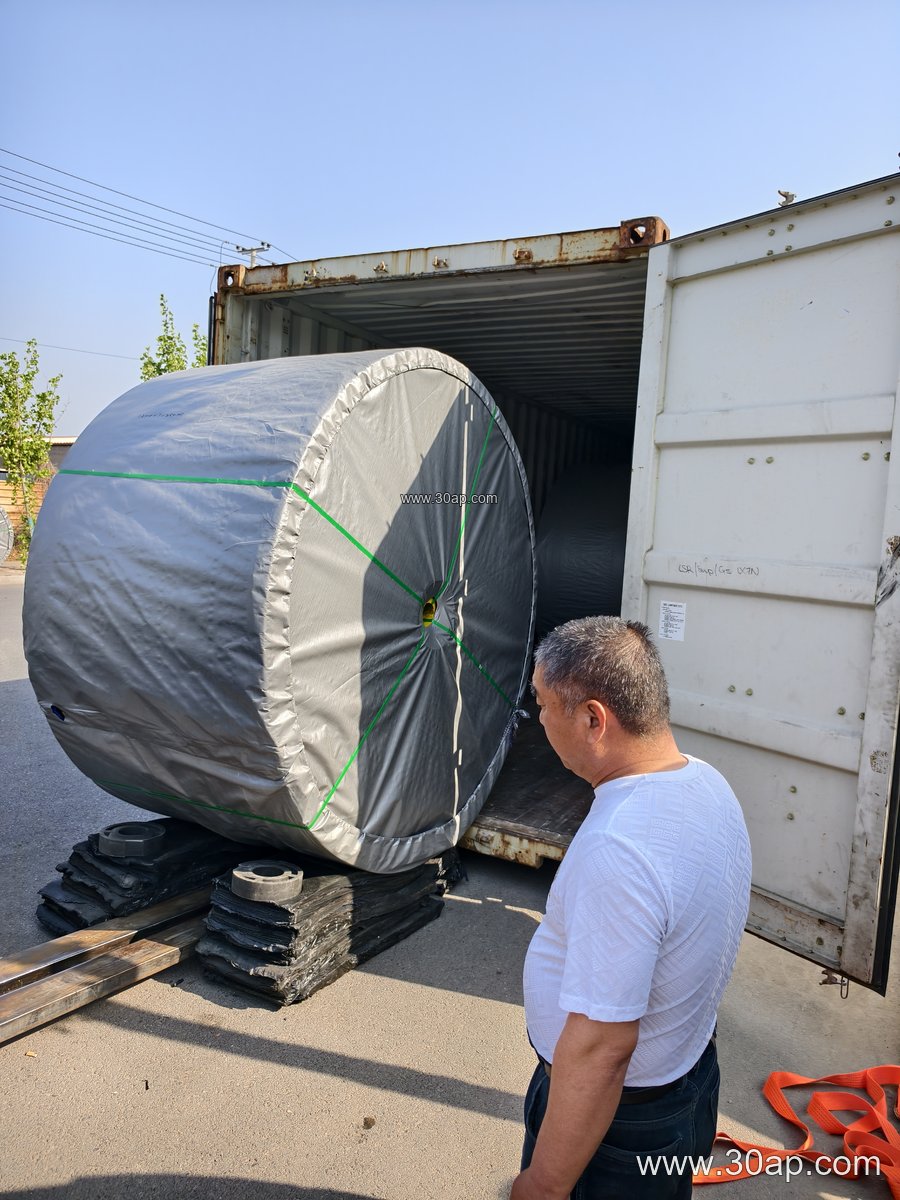
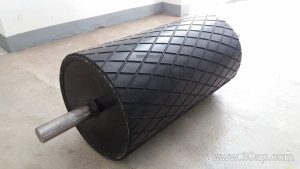
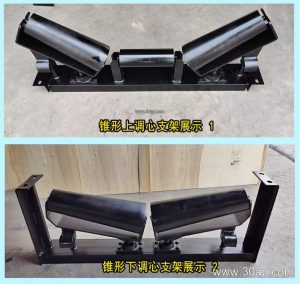
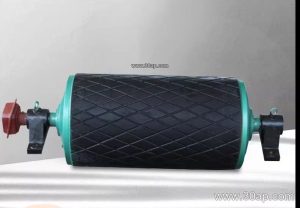
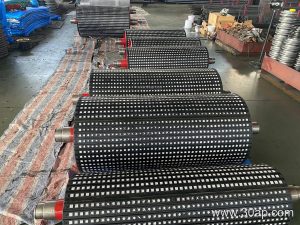
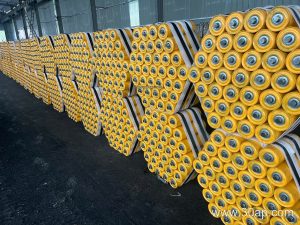
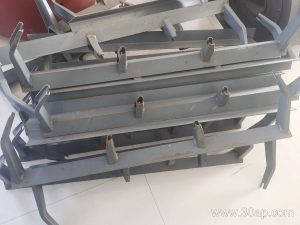
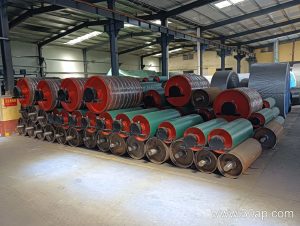
The belt is only one part of the system. A drive pulley pulls the belt, a tail pulley sets the return point, and bend pulleys guide it around curves and take-up sections. Idler rollers support the carrying and return sides, and conveyor brackets hold the idlers and pulleys in alignment. These parts are not interchangeable, and each is selected from the load, speed, and belt width of the line.
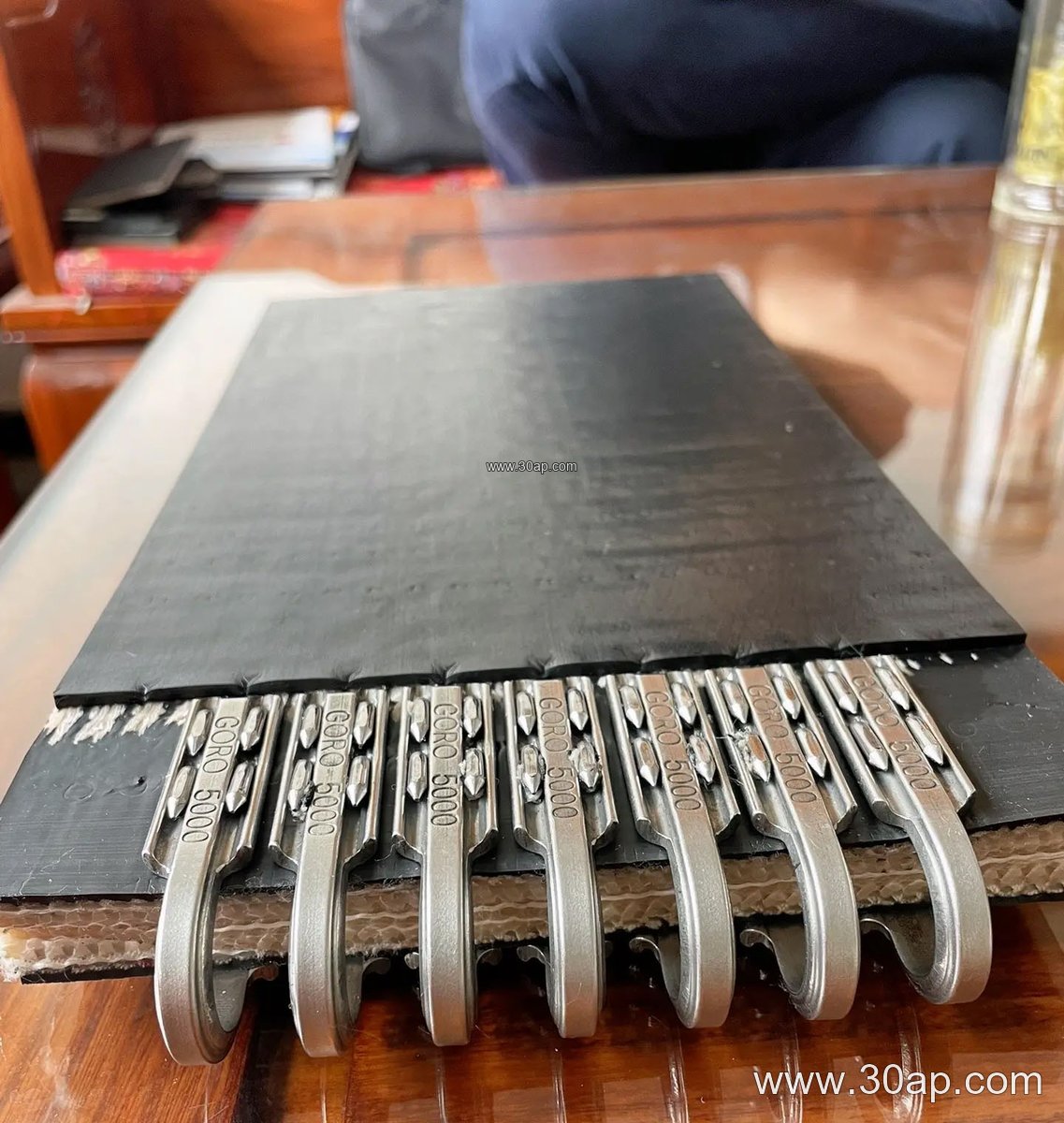
Typical Working Conditions
Recycling duty is rarely gentle. Material arrives by truck, loader, or grab and lands on the belt with impact. Ferrous and non-ferrous scrap can tear a cover, glass and aggregate act like abrasives, and paper or plastics may carry oil or moisture. In cement plants and power plants, recycling conveyor belt sections often sit alongside coal or limestone handling, so flame retardant conveyor belt and anti-static conveyor belt grades may be required in enclosed areas. In cold yards, a cold resistant conveyor belt reduces cracking at start-up.
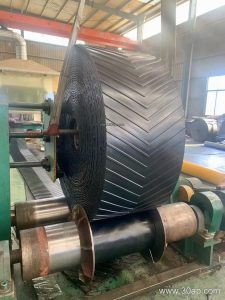
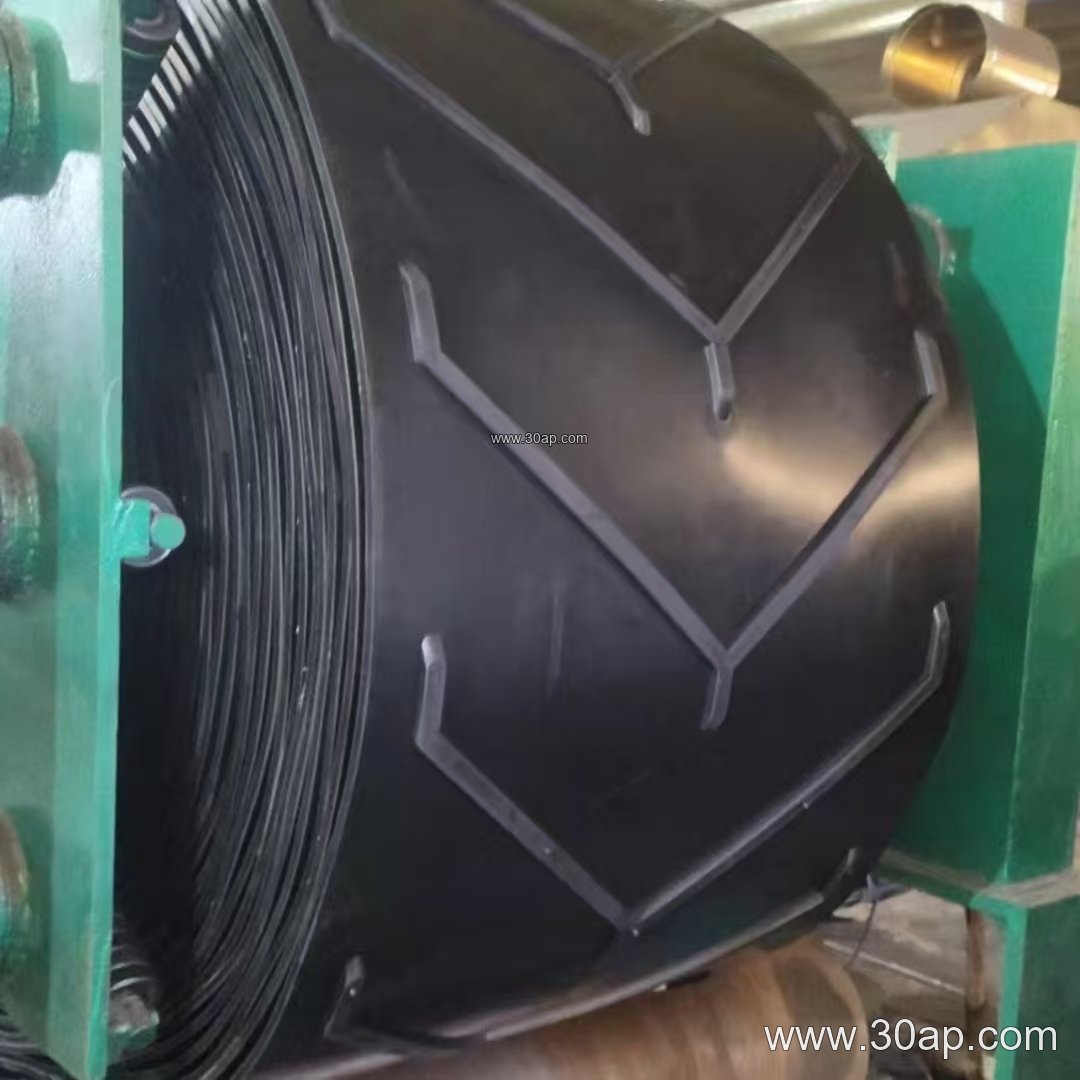
Where material must climb a steep incline, a chevron conveyor belt or a corrugated sidewall conveyor belt may be used to prevent rollback. For dusty or enclosed transfer points, a skirted conveyor belt helps contain spillage. These are alternatives for specific sections, not replacements for the main flat belt on a sorting line.
Common Specifications and Reference Data
The table below lists typical reference values only. Actual belt width, strength grade, cover thickness, and carcass layers are set by the conveyor design, material lump size, throughput, and pulley diameters.
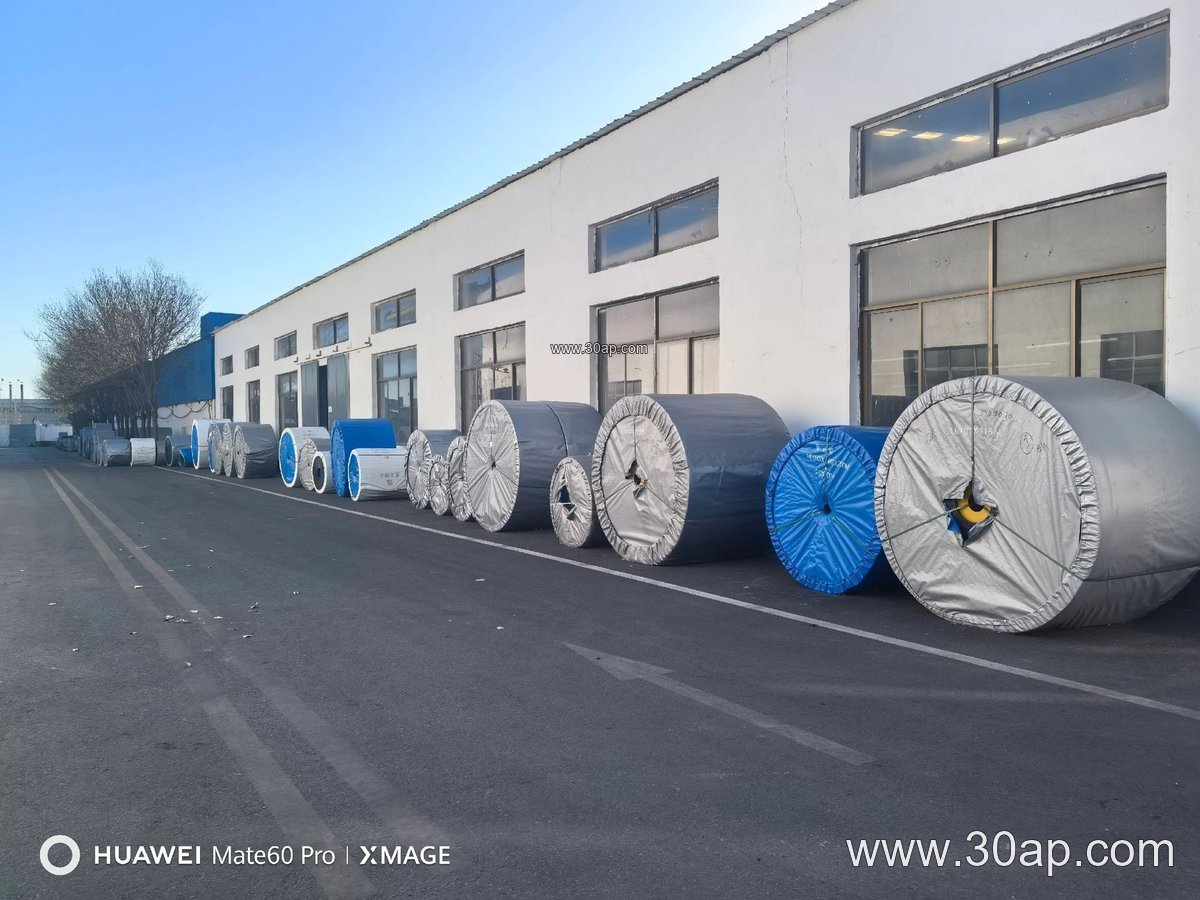
- Strength grades commonly referenced: EP200, EP400, EP630, EP800, EP1000, EP1250, and EP1600.
- Belt widths commonly referenced: B500, B650, B800, B1000, B1200, B1400, B1600, B1800, and B2000.
- Cover thickness combinations: 3+1.5 mm, 4+2 mm, 5+2 mm, 6+2 mm, and 8+3 mm.
- Carcass plies: usually 2 to 6 layers for fabric belts.
A 1000mm or 1200mm wide belt is common on municipal sorting lines, while a 1400mm or 1600mm belt may appear on high-volume transfer or aggregate conveyors. A heavy-duty mining conveyor belt or high abrasion resistant conveyor belt grade is often specified where scrap and stone share the same stream.
Selection Points for Buyers
Start with the material: sharp scrap favors a thick abrasion resistant conveyor belt cover; oily plastics may call for an oil resistant conveyor belt; hot ash or slag needs a heat resistant conveyor belt. Check the pulley diameters and idler spacing before fixing the carcass, because a stiff belt on a small pulley can crack or delaminate. Confirm whether the line needs an endless conveyor belt, spliced on site, or an open-end belt joined mechanically.
Ask for the cover grade, carcass type, ply count, and tolerance on width and thickness in writing. For underground or dusty plants, request flame retardant and anti-static properties in the same belt. Do not assume that one belt width matches only one pulley diameter; the drive pulley, tail pulley, and bend pulleys are sized from tension and wrap angle, not from width alone.
Maintenance and Uptime
Inspect the recycling conveyor belt weekly for edge damage, cover gouges, and exposed carcass. Check idler rollers for seized bearings, confirm that the conveyor pulley lagging is not worn smooth, and verify that conveyor brackets stay tight. Keep the belt tracking straight, remove trapped metal early, and repair small cuts before they grow. A planned inspection routine is usually cheaper than an unplanned line stop, whether the plant handles municipal waste, quarry rock, cement, or coal.