What a Conveyor Support Bracket Does
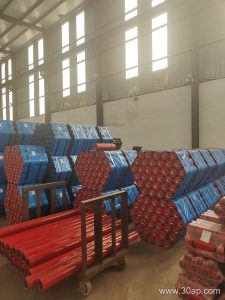
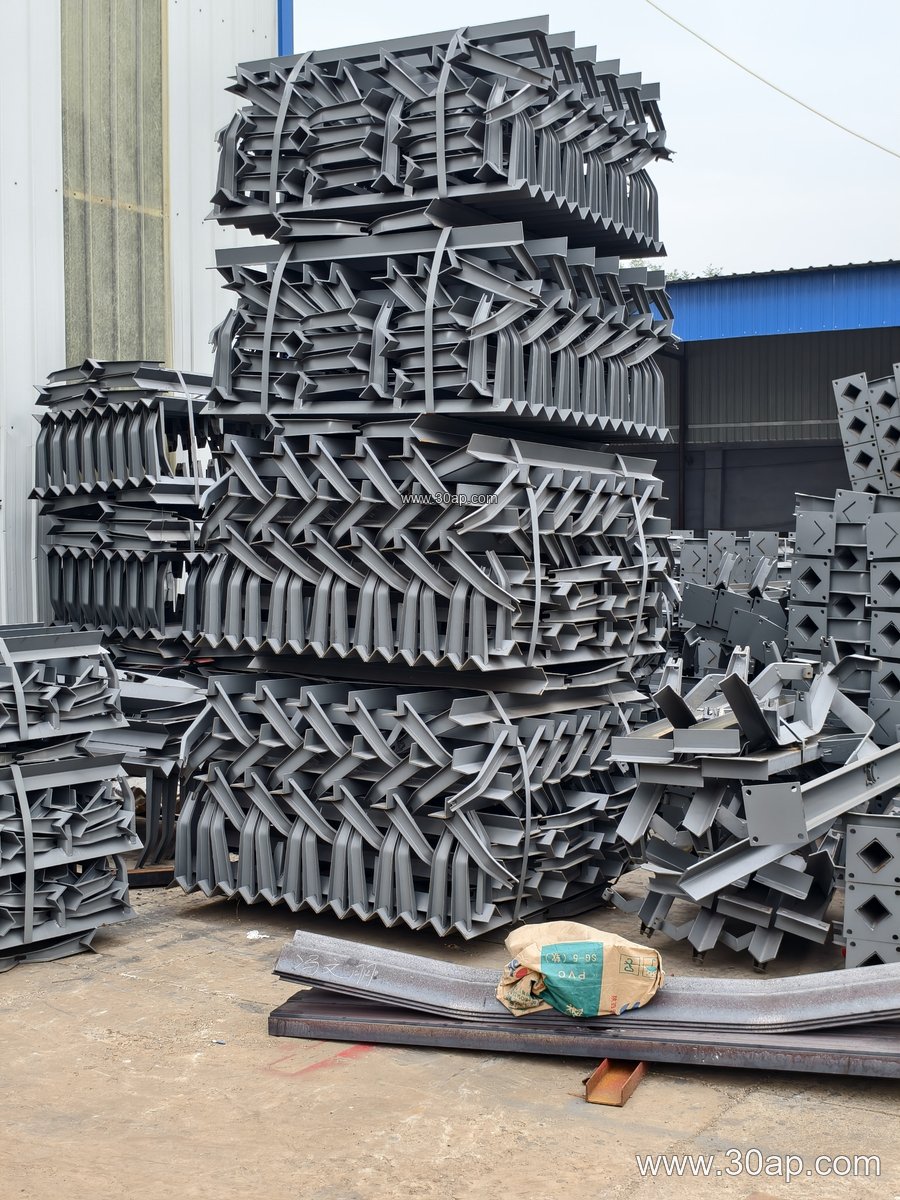
A conveyor support bracket is the structural component that holds the idlers in position along a conveyor frame. It connects the conveyor bracket to the stringers or cross beams and sets the trough angle that shapes the belt. In a quarry, a coal handling plant, or a cement kiln feed line, the bracket carries the load of the belt, the material, and the idlers, so its geometry and material directly affect tracking, wear, and downtime.
Although often treated as a minor part, the bracket determines how evenly the belt sits on the rollers. A poorly aligned bracket can cause edge damage on a heavy-duty mining conveyor belt, while a correctly set unit keeps the belt centered and reduces spillage.
How the Bracket Is Built
Most brackets are fabricated from angle steel, channel steel, or folded steel plate. The frame is drilled or punched to match the idler shaft spacing, then welded or bolted into a rigid assembly. Common configurations include:
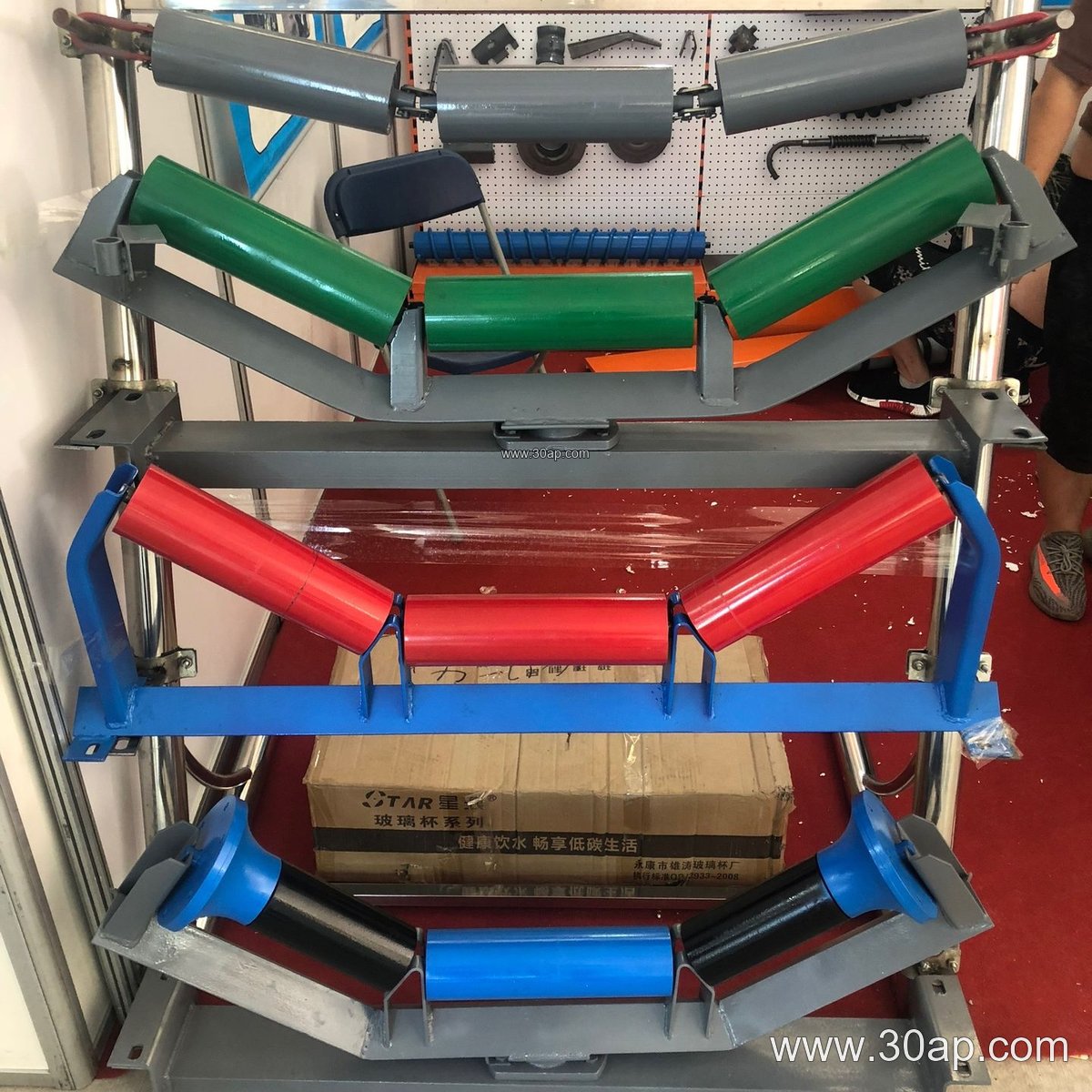
- Troughing brackets for the carrying side, often with 20°, 30°, 35°, or 45° trough angles
- Transition brackets near pulleys and loading points
- Return brackets, including flat and V-return designs
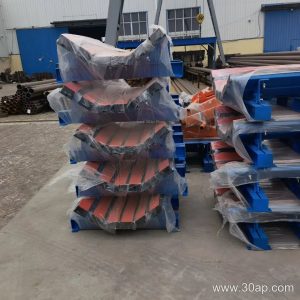
- Impact brackets under crusher discharge or transfer chutes
- Self-aligning and forward-leaning brackets for belt training
- Adjustable brackets that allow the trough angle to be changed on site
Forward-leaning brackets usually sit at about 1.5° to 2° to help center the belt. Adjustable units are useful where the same frame must handle different belt widths or material loads.
Matching Brackets to Belt Width and Roller Diameter
Bracket dimensions follow the belt width and the roller diameter, but there is no single fixed match. A B800 line might run 35° troughs with Ø108 rollers, while a B1200 line in an iron ore plant may use 45° troughs and Ø133 rollers. Larger plants handling abrasive ore often pair B1400 or B1600 belts with Ø159 or Ø194 rollers to reduce roller speed and wear.
| Belt Width | Typical Trough Angle | Common Roller Diameter |
|---|---|---|
| B500 / B650 | 20° to 30° | Ø89 |
| B800 / B1000 | 30° to 35° | Ø108 |
| B1200 / B1400 | 35° to 45° | Ø133 / Ø159 |
| B1600 / B1800 | 35° to 45° | Ø159 / Ø194 |
| B2000 / B2200 | 35° to 45° | Ø194 |
Mounting hole spacing and cross beam length change with belt width and trough angle, so these values are set per design rather than taken as universal constants. The bracket should be selected together with the idler roller and the conveyor pulley arrangement, not in isolation.
Where These Brackets Are Used
In a sand and gravel line, troughing brackets support the belt through the crushing and screening stages. In a power plant coal yard, flame retardant and anti-static belts run over brackets that must resist vibration and dust. In a cement plant, heat resistant belts near clinker coolers need brackets that stay rigid under thermal cycling. Port loading systems and underground coal mining conveyors also rely on well-aligned support brackets to keep long belts tracking true.
Impact brackets belong under transfer points where rock and ore drop onto the belt. Return brackets and V-return brackets support the belt on its empty run. Self-aligning brackets are often fitted on long overland sections to correct minor misalignment before it becomes edge wear.
Buyer Checklist
- Confirm belt width, trough angle, and roller diameter before ordering.
- Check the mounting hole pattern against the existing frame or stringer.
- Choose material and coating for the environment: wet, dusty, corrosive, or high temperature.
- For abrasive duty, consider a heavier bracket and matching abrasion resistant conveyor belt to reduce maintenance.
- Ask whether the bracket is fixed or adjustable, and whether the idler can be replaced without removing the whole frame.
- Review the total assembly with the conveyor belt, conveyor pulley, and idler roller supplier so the components work together.
At www.example.com/conveyor-bracket you can compare bracket styles side by side, and at www.example.com/idler-roller you can review roller options that fit the same frame. A bracket that suits the belt, the load, and the site conditions will keep the line running with fewer stoppages.