What a Recycling Conveyor Belt Does
A recycling conveyor belt is the carrying surface of a sorting or transfer line in a materials recovery facility, waste-to-energy plant, or scrap yard. It moves mixed municipal waste, construction and demolition debris, plastics, paper, glass cullet, and metal fractions between shredders, screens, magnetic separators, and balers. Because the load is unpredictable in shape and weight, the belt must resist cuts, punctures, and edge damage while staying flexible enough to track on the conveyor frame.
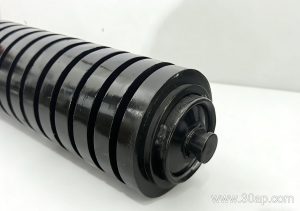
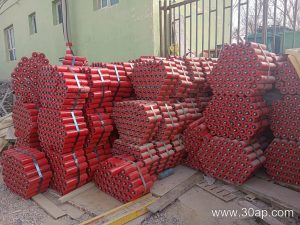
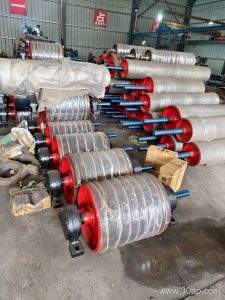
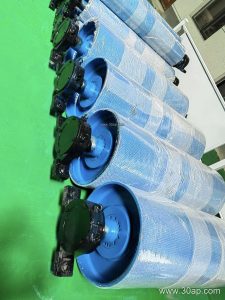
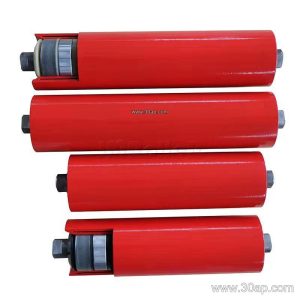
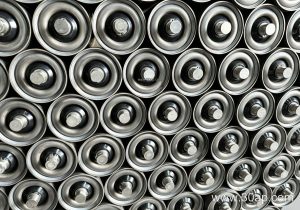
The belt is only one part of the system. It runs over a conveyor pulley at the head and tail, supported by idler rollers along the carry side, and held in line by conveyor brackets and training idlers. A well-matched belt and pulley set keeps the line running quietly and reduces spillage at transfer points.
Construction and Common Types
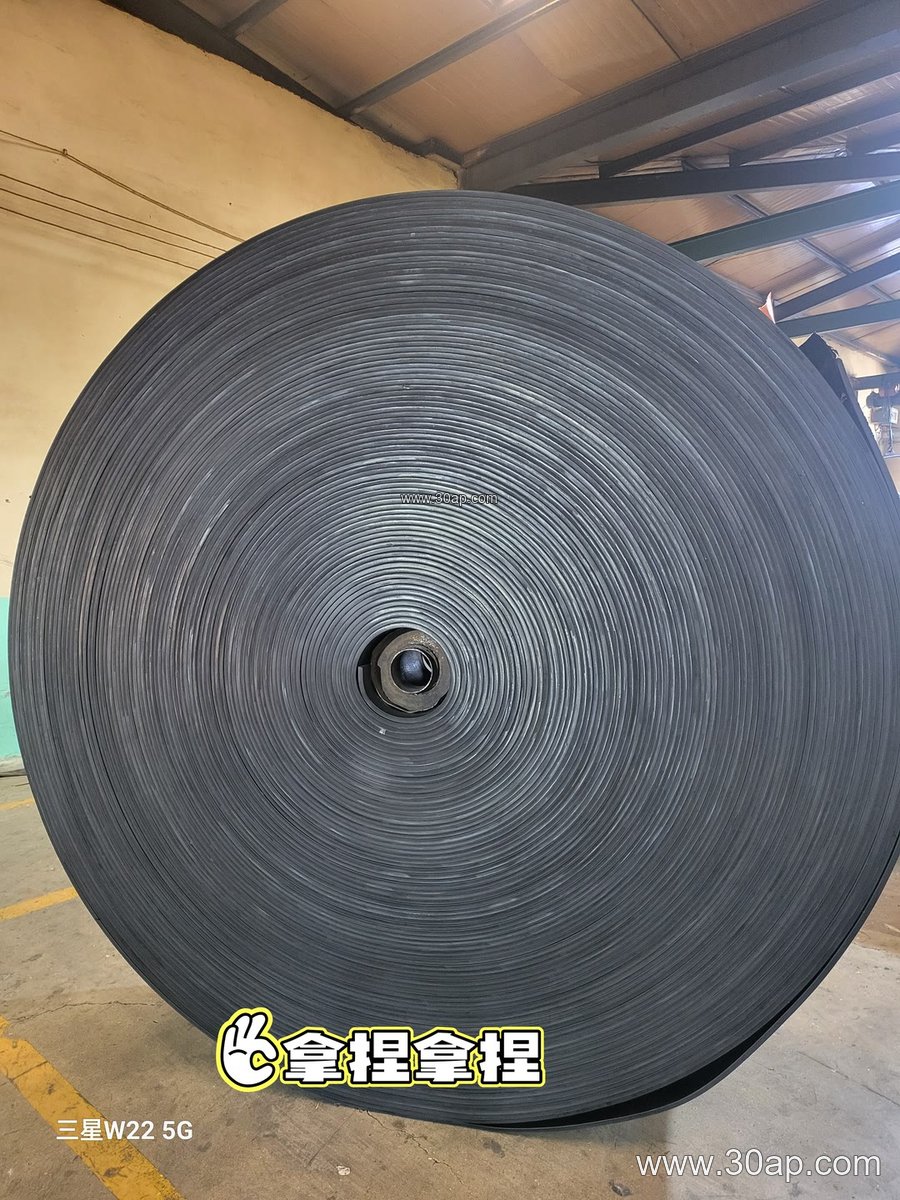
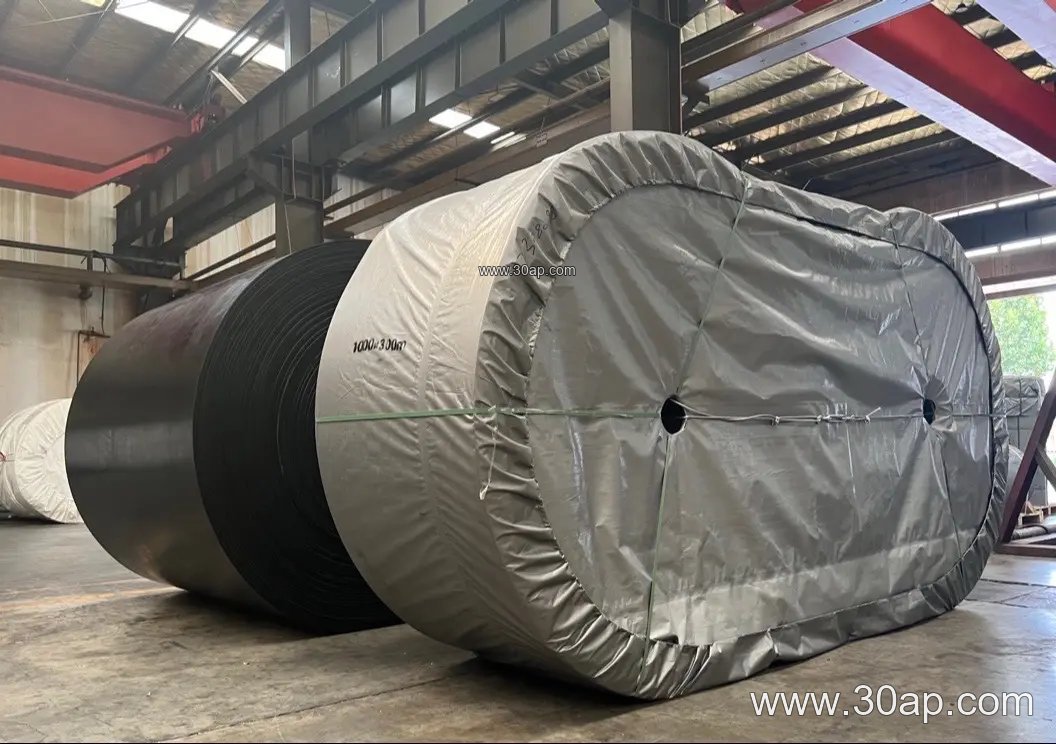
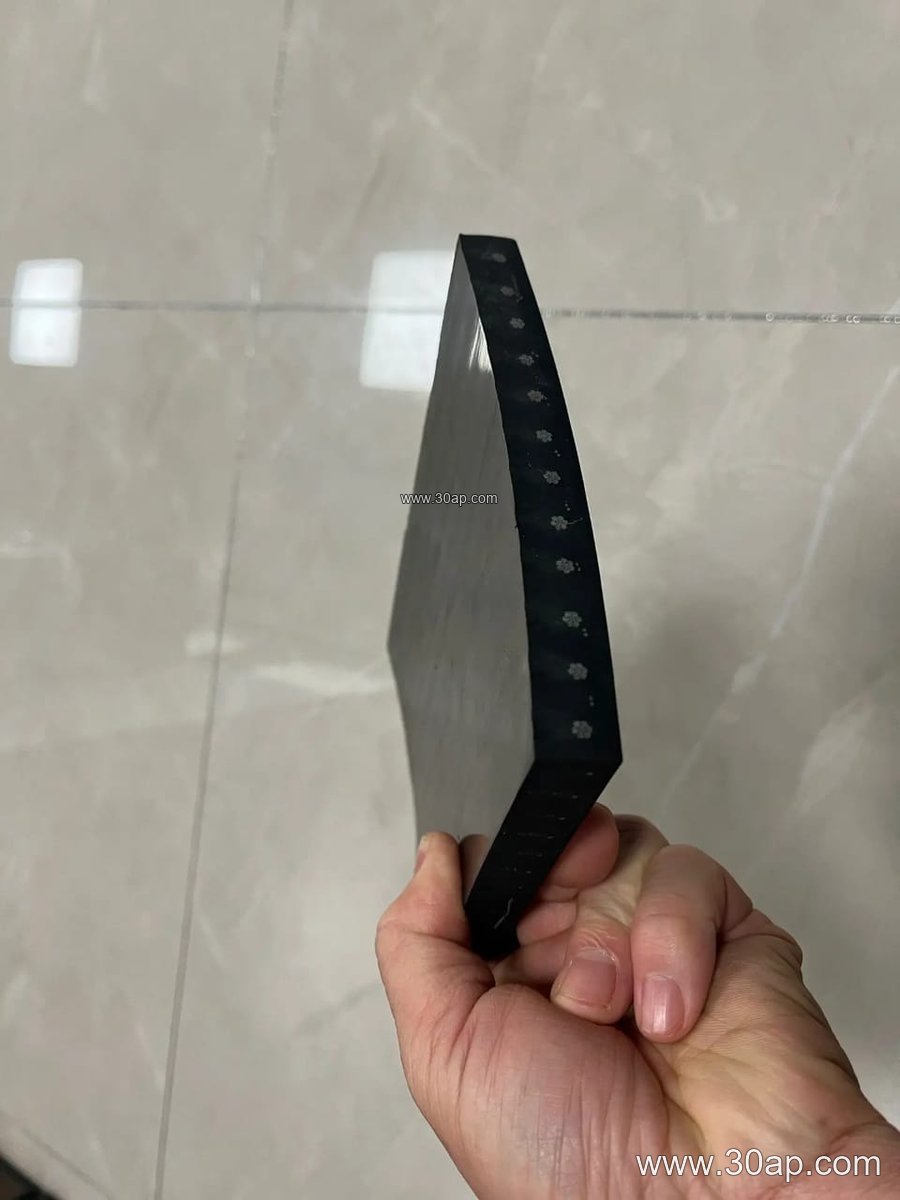
Most recycling lines use a fabric-cored belt with rubber covers. The carcass provides tensile strength, and the cover compound protects it from abrasion and impact. For lighter sorting lines, a PVC conveyor belt may be used because it is easy to clean and resists moisture. For heavy shredder feed and bulky debris, a heavy-duty rubber conveyor belt or an abrasion resistant conveyor belt with a thicker top cover is a common choice.
The table below shows typical reference values; actual selection depends on the conveyor design, load, and site conditions.
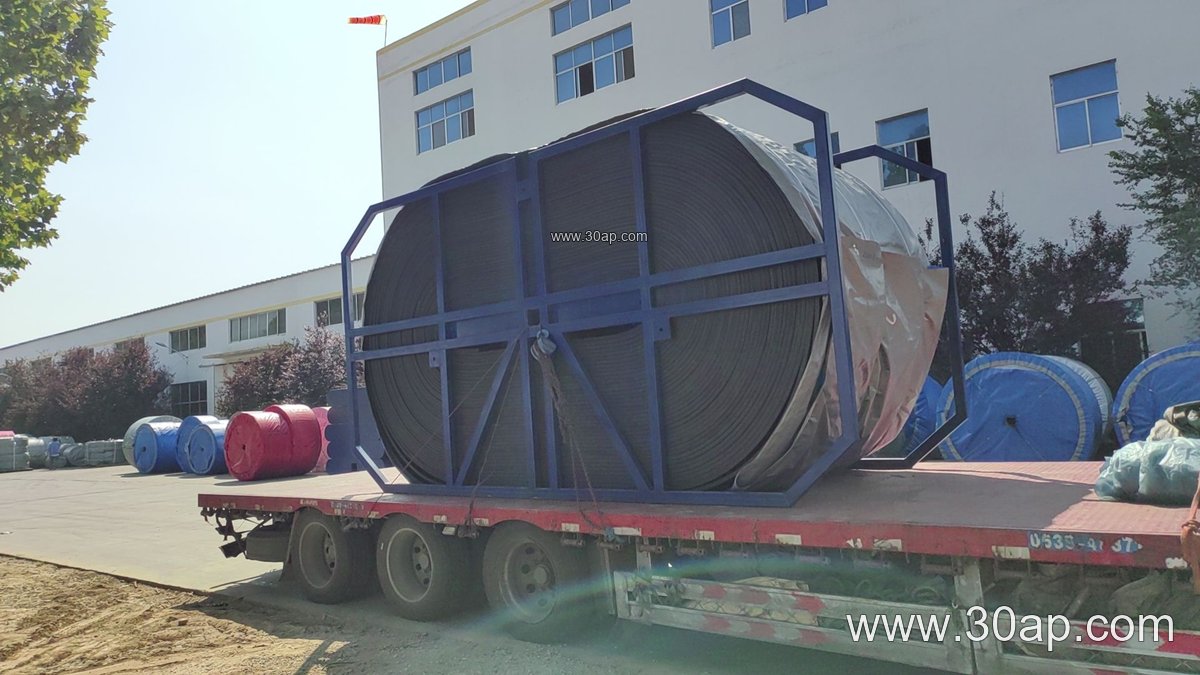
| Item | Common Reference Range |
|---|---|
| Belt type | EP conveyor belt, NN conveyor belt, steel cord conveyor belt, PVC or PVG belt |
| Fabric strength grades | EP200, EP315, EP400, EP500, EP630, EP800, EP1000 |
| Belt width | B500, B650, B800, B1000, B1200, B1400, B1600 |
| Cover thickness | 3+1.5 mm, 4+2 mm, 5+2 mm, 6+2 mm, 8+3 mm |
| Carcass plies | 2 to 6 layers, depending on strength grade |
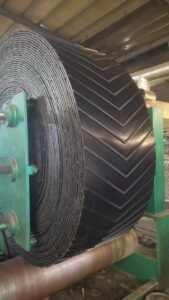
Where the line climbs steeply, a chevron conveyor belt or a corrugated sidewall conveyor belt can prevent material rollback. In enclosed transfer sections, a skirted conveyor belt helps contain dust and small particles. Some plants use a pipe conveyor belt to curve around buildings and reduce spillage on long routes.
Where It Fits in the Plant
Recycling conveyor belts appear in many industries that handle bulk material. In a construction waste line, they carry crushed concrete and brick from a crusher conveyor belt to a screening deck. In a port or ship loading conveyor belt system, they move recovered paper and scrap metal. Cement plants and power plants may use similar belts for ash, clinker, or fuel handling. Mining operations use a mining conveyor belt or quarry conveyor belt for ore and rock, though recycling lines usually demand more cut resistance than raw ore duty.
Environmental conditions also matter. An oil resistant conveyor belt suits scrap yards with leaking machinery. A flame retardant conveyor belt or fire resistant conveyor belt is often requested for indoor waste storage areas. A heat resistant conveyor belt may be needed near dryers or incinerator feed. In cold climates, a cold resistant conveyor belt keeps flexibility in winter.
Buyer Checklist
- Confirm the actual load: mixed waste needs higher impact and cut resistance than sorted paper or plastic.
- Match belt width and strength grade to the conveyor frame, pulley face, and drive power.
- Check cover thickness against abrasion and impact; a thicker cover is not always the answer if the belt must run on small pulleys.
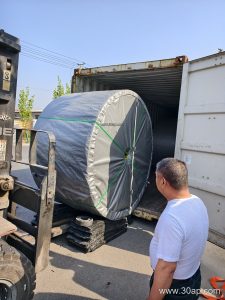
- Ask about splice type and whether an endless conveyor belt is preferred for reduced downtime.
- Review pulley and idler condition before fitting a new belt; worn idler rollers can damage a fresh cover.
- Consider cleaning, dust, and moisture on the return side, and specify anti-static conveyor belt where required.
For most recycling applications, an EP conveyor belt or multi-ply fabric core conveyor belt offers a practical balance of strength, flexibility, and repairability. On very long or high-tension routes, a steel cord conveyor belt may be considered, but it is less forgiving of sharp debris. Buyers should ask for the belt’s cover grade, carcass construction, and recommended pulley diameter rather than relying on a single number.