What a High-Strength Conveyor Idler Is
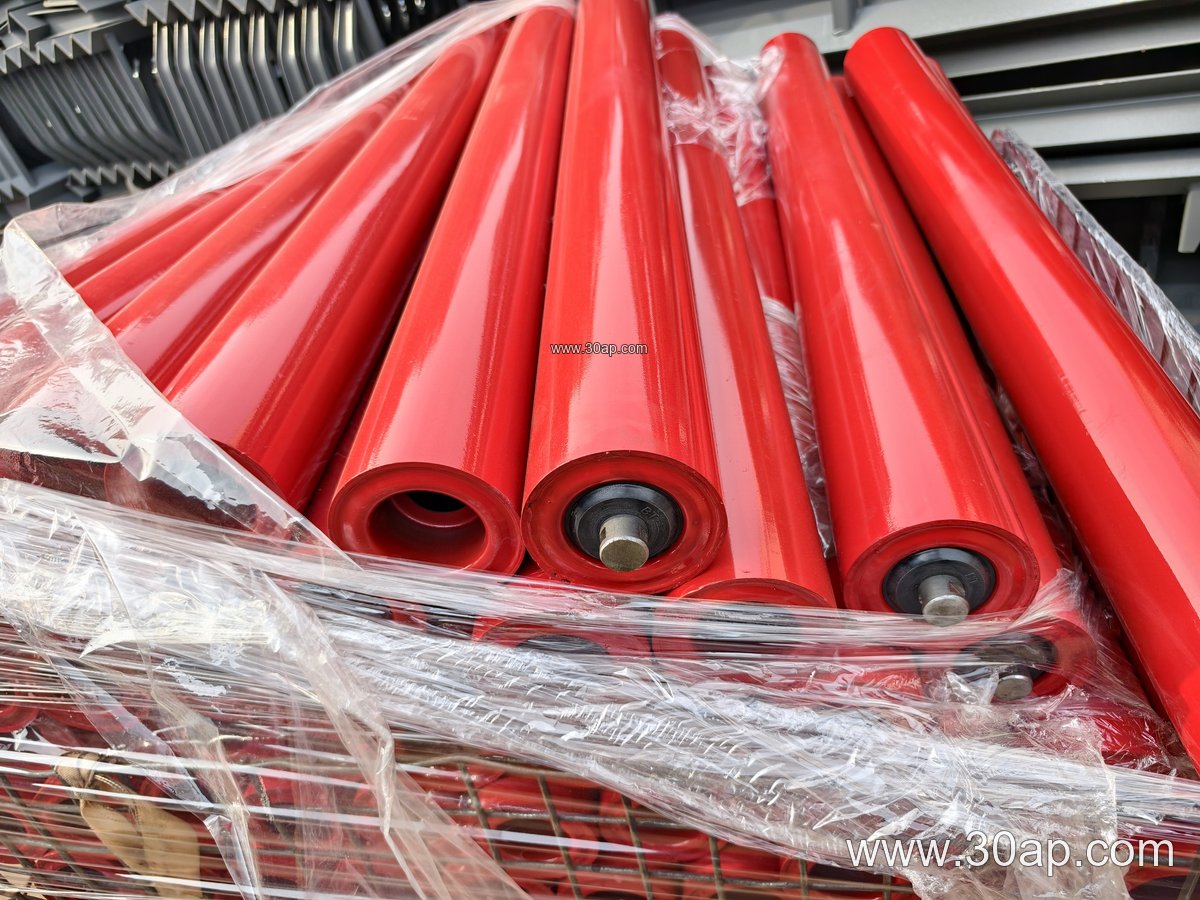
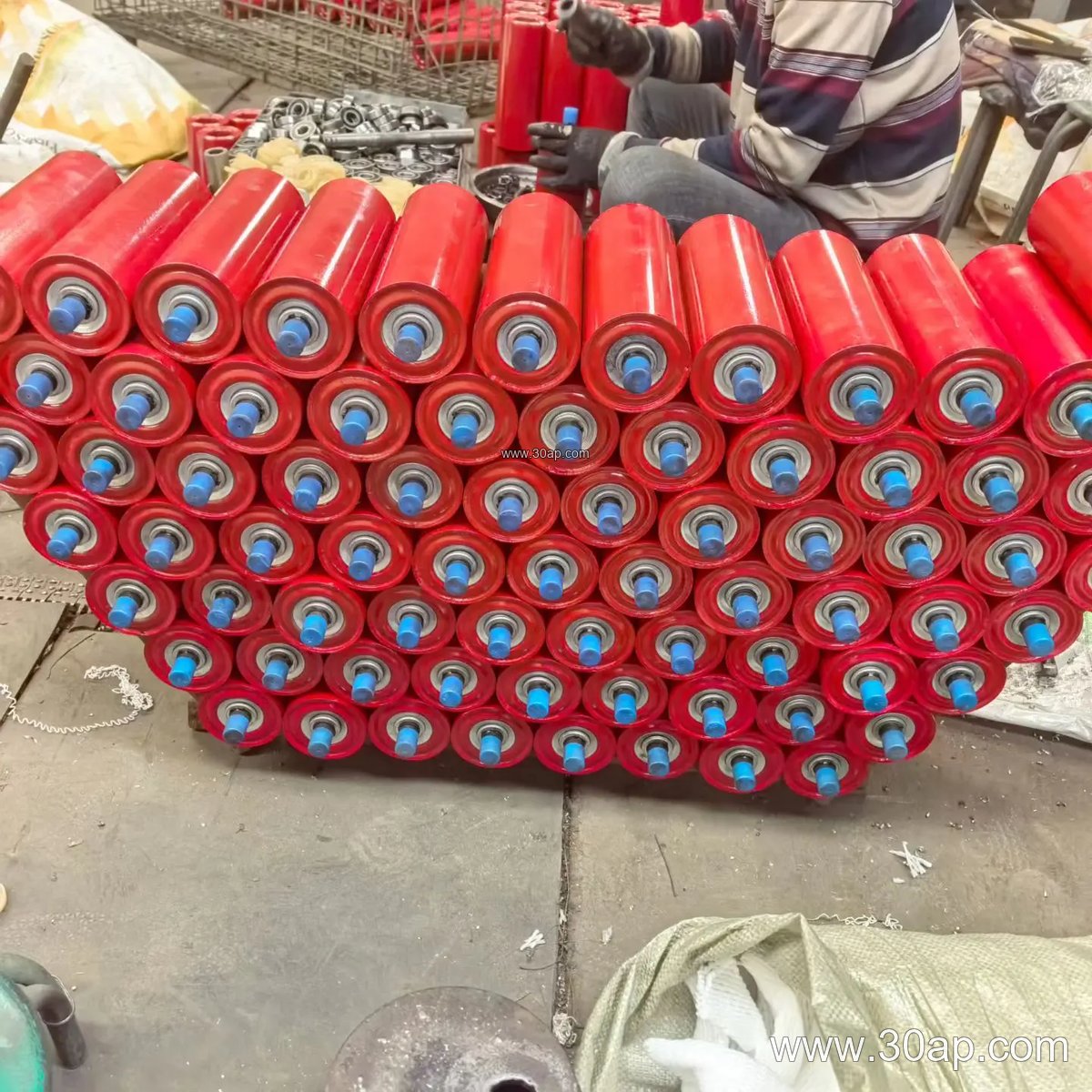
A high-strength conveyor idler is the load-bearing roller that supports the belt along the carrying and return runs of a conveyor. In a quarry, a cement plant, or a power plant coal yard, these rollers quietly carry the weight of the belt and the material on it, shift after shift. The term “high-strength” points to the way the roller is built: a heavier wall tube, a robust bearing housing, and a shaft sized for the duty, so the roller resists deflection, vibration, and early wear under continuous load. Buyers often refer to the same product as a heavy-duty idler roller, and both names describe the same component.
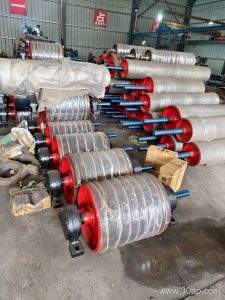
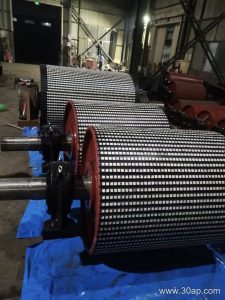
A high-strength conveyor idler is not a drive pulley, a tail pulley, or a bend pulley. Those are drum-type components that transmit or redirect belt motion. The idler is the free-rolling support between them, and the two should never be treated as interchangeable.
Construction Details That Matter
The roller body is usually a steel tube with a machined end face. Some plants choose nylon or ceramic surfaces for sticky or abrasive conditions, while rubber rings are used on impact zones. Inside, the bearing housing is sealed to keep out dust and water, a critical point in a stone crushing line or an underground mining conveyor where grit is everywhere.
Common bearing sizes include 6204, 6205, 6305, 6306, 6308, and 6310. The bearing should be matched to the shaft and load, not picked by roller diameter alone. The shaft diameter follows the design load and the bracket, so a given belt width does not dictate one fixed shaft size.
Where the Roller Sits on the Conveyor
A high-strength conveyor idler appears in several positions. Troughed carrying idlers, often in three-roller sets with a 20, 30, 35, or 45 degree trough angle, support the loaded belt. Return idlers, including flat and V-type, support the empty side. Impact idlers with rubber rings sit under the loading point, and self-aligning idlers help keep the belt centered on long runs.
These positions work with the conveyor bracket and the conveyor pulley to keep the whole line tracking correctly. When a belt misaligns in a cement plant or an iron ore terminal, the cause may be a worn idler, a loose bracket, or a pulley issue, so inspection should cover the full assembly.
Common Roller Diameters and Belt Widths
The table below shows typical reference values that help in early planning. They are common examples, not fixed pairings, and final selection depends on load, speed, and the idler set design.
| Item | Common Reference Values |
|---|---|
| Roller diameter | Ø63, Ø76, Ø89, Ø102, Ø108, Ø127, Ø133, Ø159, Ø178, Ø194, Ø219 |
| Belt width | B400, B500, B650, B800, B1000, B1200, B1400, B1600, B1800, B2000, B2200, B2400 |
| Trough angle | 20°, 30°, 35°, 45° |
| Bearing | 6204, 6205, 6305, 6306, 6308, 6310 |
| Roller length, three-roll trough (example) | B500 about 200 mm, B650 about 250 mm, B800 about 315 mm, B1000 about 380 mm, B1200 about 465 mm, B1400 about 530 mm, B1600 about 600 mm |
Side rollers and center rollers can differ in length, and the values above are only a starting point. A high-strength conveyor idler on a B1800 or B2000 line will need a design review rather than a copied size.
Matching the Idler to the Belt and the Job
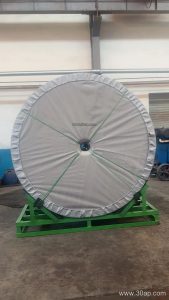
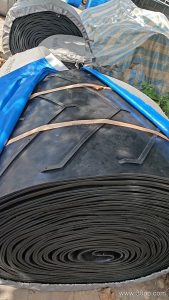
The belt itself guides the choice. A heavy-duty mining conveyor belt carrying ore demands more support than a light aggregate belt. A steel cord conveyor belt on a long overland run, or an EP conveyor belt in a cement plant, each has its own tension and load profile. Where the material is hot, a heat resistant conveyor belt may be used, and the idler should tolerate the same environment. In coal mining, a flame retardant conveyor belt is common, and the roller seals should suit the dusty, sometimes wet conditions.
Other belt types such as chevron, corrugated sidewall, or pipe conveyor belts change the way the belt sits on the roller, so the idler layout should follow the belt manufacturer’s guidance. Abrasion resistant and impact resistant belts are often paired with reinforced idlers at transfer points.
Buyer Checklist
- Confirm the roller diameter, length, and bearing size against the actual conveyor design.
- Check the trough angle and the number of rollers in each set.
- Ask about tube wall thickness, seal type, and shaft material for the intended duty.
- Match the idler to the belt type and the site conditions, whether a quarry, a coal yard, or a port terminal.
- Plan a spare-parts stock for high-wear positions such as impact and return idlers.
For more on related components, see the conveyor idler roller range and conveyor pulley options at our site, and review conveyor belt choices together with the roller specification so the whole line works as one system.