What a Construction Industry Conveyor Belt Has to Handle
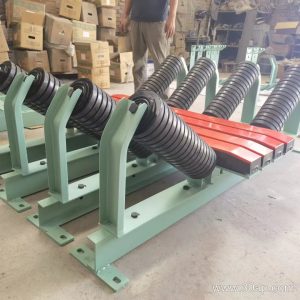
A construction industry conveyor belt is the flexible carrying element on a site conveyor that moves crushed stone, sand, gravel, cement, recycled concrete, and other bulk materials between crushers, screens, stockpiles, and loading points. The working environment is rarely gentle: dust, rain, sharp aggregate edges, and repeated starts under load all affect belt life. In a sand and gravel plant, a quarry, or a concrete batching yard, the belt is usually part of a system that also includes idler rollers, conveyor pulleys, and conveyor brackets, and each component must suit the duty.
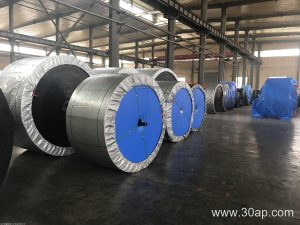
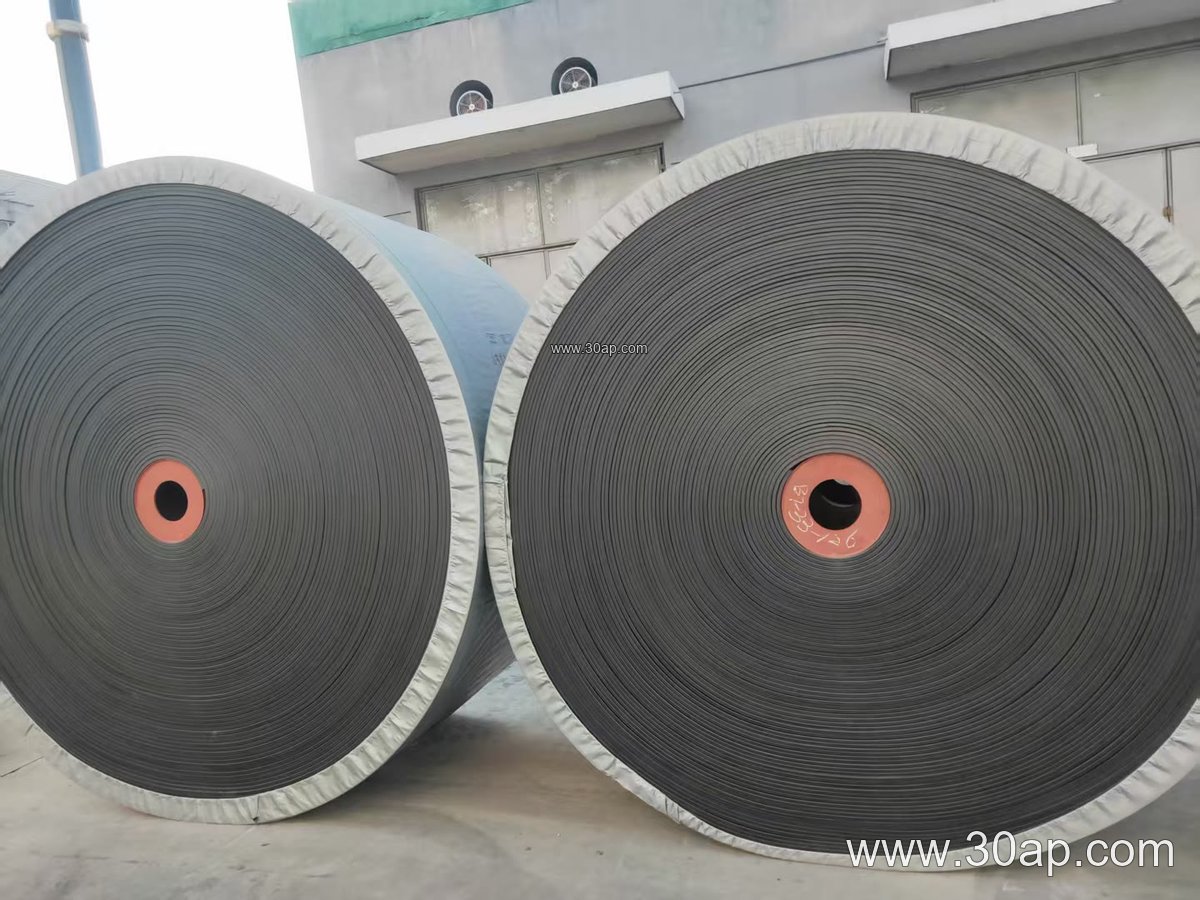
The belt itself is a composite. A fabric core or steel cord carcass carries tension, while rubber or PVC covers protect the carcass from abrasion, moisture, and impact. A fabric core conveyor belt is common in construction because it balances strength with flexibility and is easier to splice on site. Where loads are heavier and runs are longer, a steel cord conveyor belt may be preferred for its higher tensile capacity.
Construction and Cover Grades
Most construction belts use multiple fabric plies. A multi-ply fabric core conveyor belt typically has two to six plies, and the ply count, together with fabric strength, sets the working tension. Cover thickness is chosen for the material being carried: common combinations include 3+1.5 mm, 4+2 mm, 5+2 mm, 6+2 mm, and 8+3 mm, where the first figure is the top cover and the second is the bottom cover. Sharp, heavy rock calls for a thicker top cover, while a thinner bottom cover is often enough where the belt runs on smooth idler rollers.
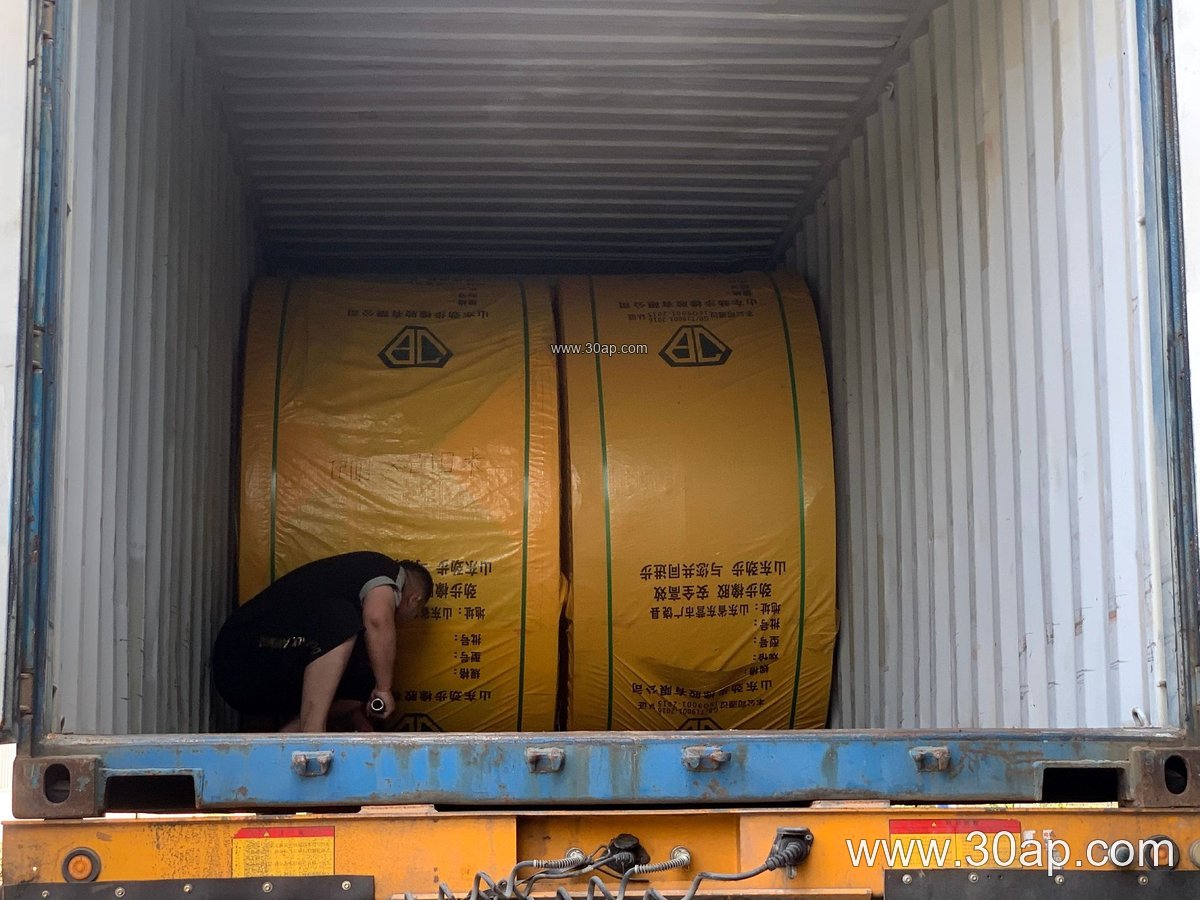
Surface form matters too. A chevron conveyor belt or a corrugated sidewall conveyor belt helps on inclines where loose aggregate would otherwise roll back. A skirted conveyor belt keeps material centered at transfer points. For dusty or enclosed plants, an anti-static conveyor belt reduces static build-up, and a flame retardant conveyor belt is often specified where fire risk must be controlled.
Common Specifications
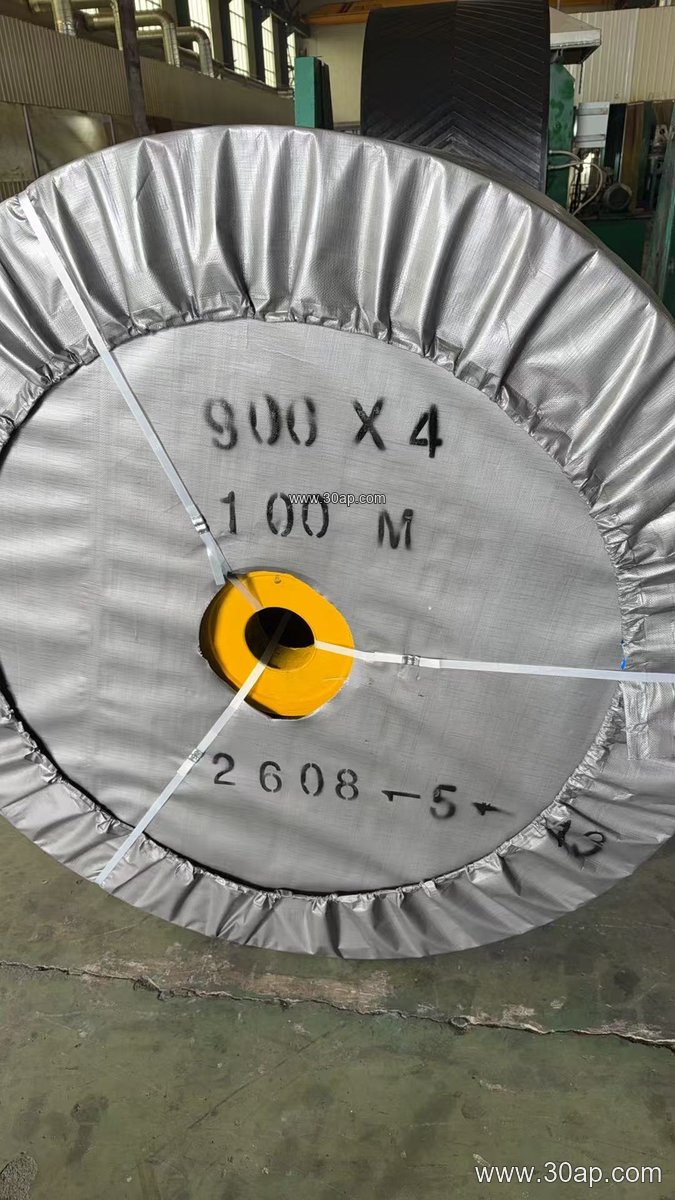
The table below shows reference values that appear in construction belt discussions. Actual values depend on the conveyor design and should be confirmed with the supplier.
- Fabric types: EP conveyor belt, NN conveyor belt, multi-ply fabric core
- Strength grades: EP200, EP315, EP400, EP500, EP630, EP800, EP1000, EP1250, EP1600, EP2000
- Belt widths: B500, B650, B800, B1000, B1200, B1400, B1600, B1800, B2000
- Cover combinations: 3+1.5, 4+2, 5+2, 6+2, 8+3 mm
- Carcass plies: usually 2 to 6
An EP conveyor belt is a frequent choice for aggregate and cement service because polyester-nylon fabric offers low stretch and good troughability. An NN conveyor belt uses nylon warp and weft and is valued for impact resistance. Abrasion resistant conveyor belt grades are widely used under crushers, while a heat resistant conveyor belt suits hot clinker or asphalt-related duty. Oil resistant and cold resistant grades cover special site conditions.
Where It Is Used
Construction material handling overlaps with several industries. A quarry conveyor belt or aggregate conveyor belt feeds screens and stockpiles. A crusher conveyor belt receives freshly broken rock, so impact resistant and high abrasion resistant covers are useful. Cement plants use belts for limestone, clinker, and additives, and a cement conveyor belt often needs both abrasion resistance and dust tolerance. Power plants and steel plants handle coal and ore, where a mining conveyor belt or heavy-duty conveyor belt may be specified. Ports and ship loading terminals use wide belts, sometimes a 1200mm wide conveyor belt or a 1500mm wide conveyor belt, to achieve high tonnage.
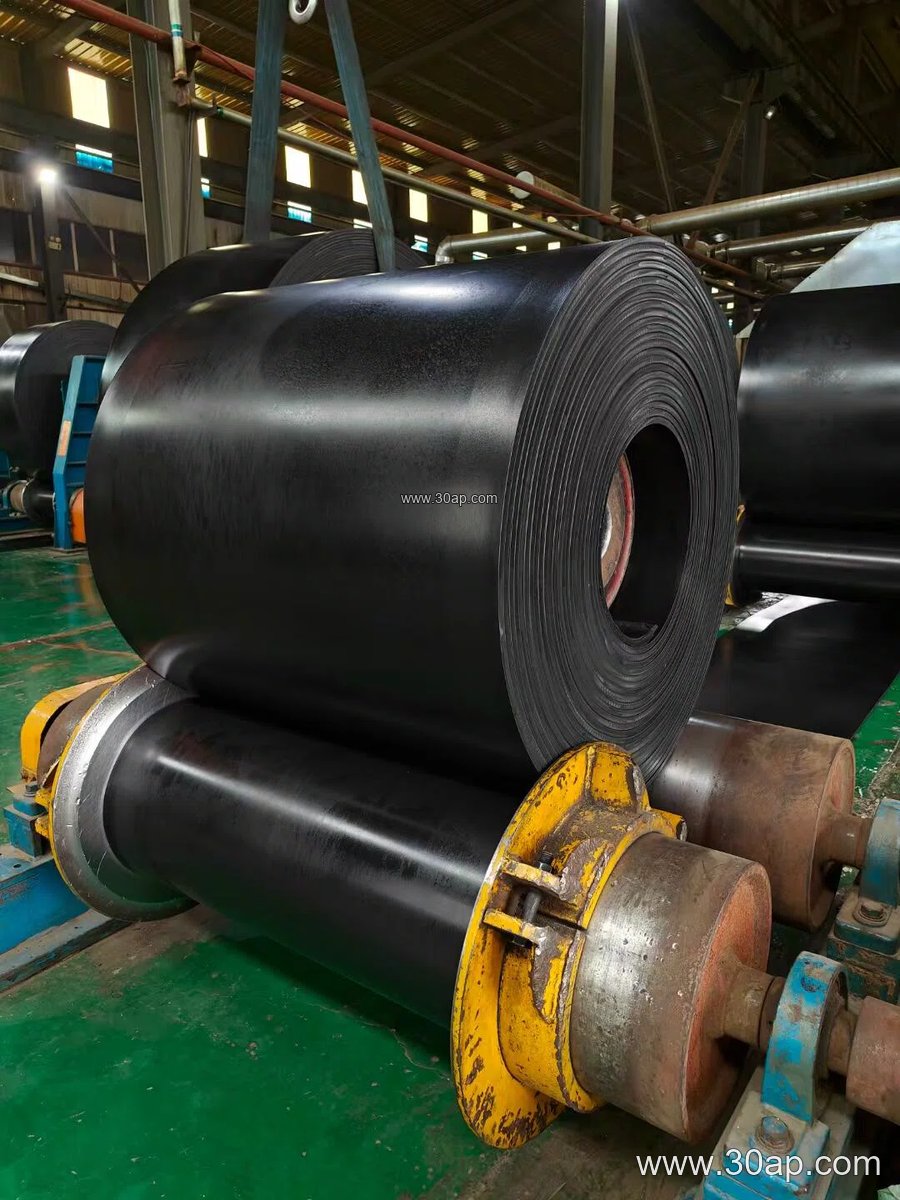
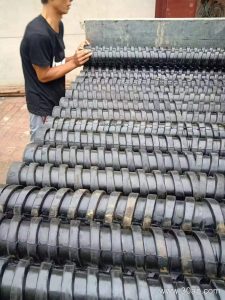
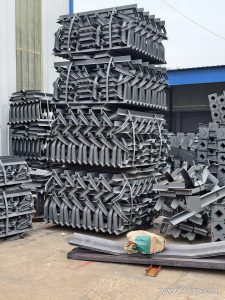
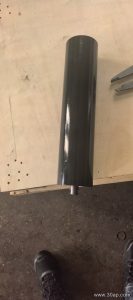
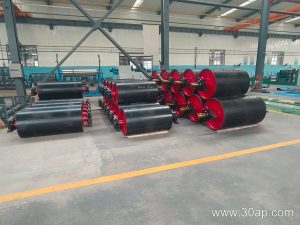
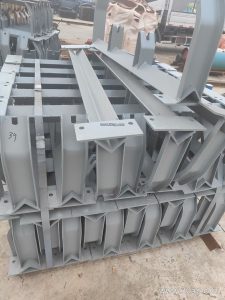
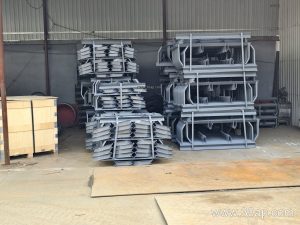
The belt does not work alone. Troughing idler rollers shape the belt into a channel, a drive pulley transmits power, a tail pulley returns the belt, and bend pulleys route it around curves. Conveyor brackets hold the idlers in alignment. Poor alignment of any of these parts shortens belt life faster than cover wear alone.
Buyer Checklist
- Match belt strength and ply count to the calculated working tension, not to habit.
- Choose cover thickness and grade for the actual material: sharp rock, hot material, oil, or cold weather.
- Confirm belt width against the conveyor frame, idler rollers, and pulley face width.
- Decide whether an endless conveyor belt splice or a mechanical splice suits the maintenance plan.
- Ask for the belt’s storage and splicing recommendations, since site conditions vary.
A construction industry conveyor belt is a wear part, so the aim is not the thickest or strongest belt available but the one that matches the conveyor, the material, and the maintenance team’s ability to keep it running straight.