What a Belt Conveyor Bend Pulley Does
A belt conveyor bend pulley is the drum that changes the direction of the belt without driving it. In a typical conveyor layout it sits near the tension take-up, guiding the belt around a curve so the take-up carriage can travel in a compact frame. Because it does not transmit drive torque, it is often grouped with other non-drive conveyor pulleys, yet its position in the belt path makes it just as important as the head or tail drum. A misaligned bend pulley can cause belt wander, edge wear and premature splice failure, so treating it as a minor accessory is a costly habit.
The same component is also called a redirect pulley or angle pulley in some plant drawings. Those names describe the same product, and they should not be confused with a drive pulley at the head end or a tail pulley at the loading point, which carry different loads and different design priorities.
How the Drum Is Built
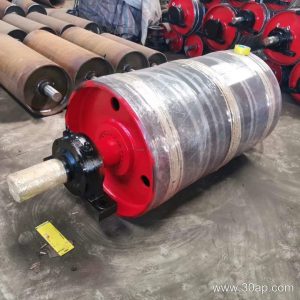
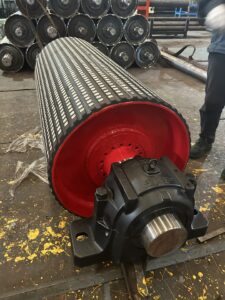
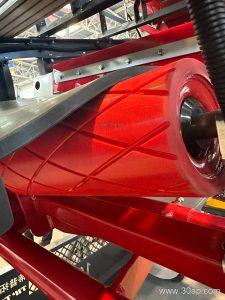
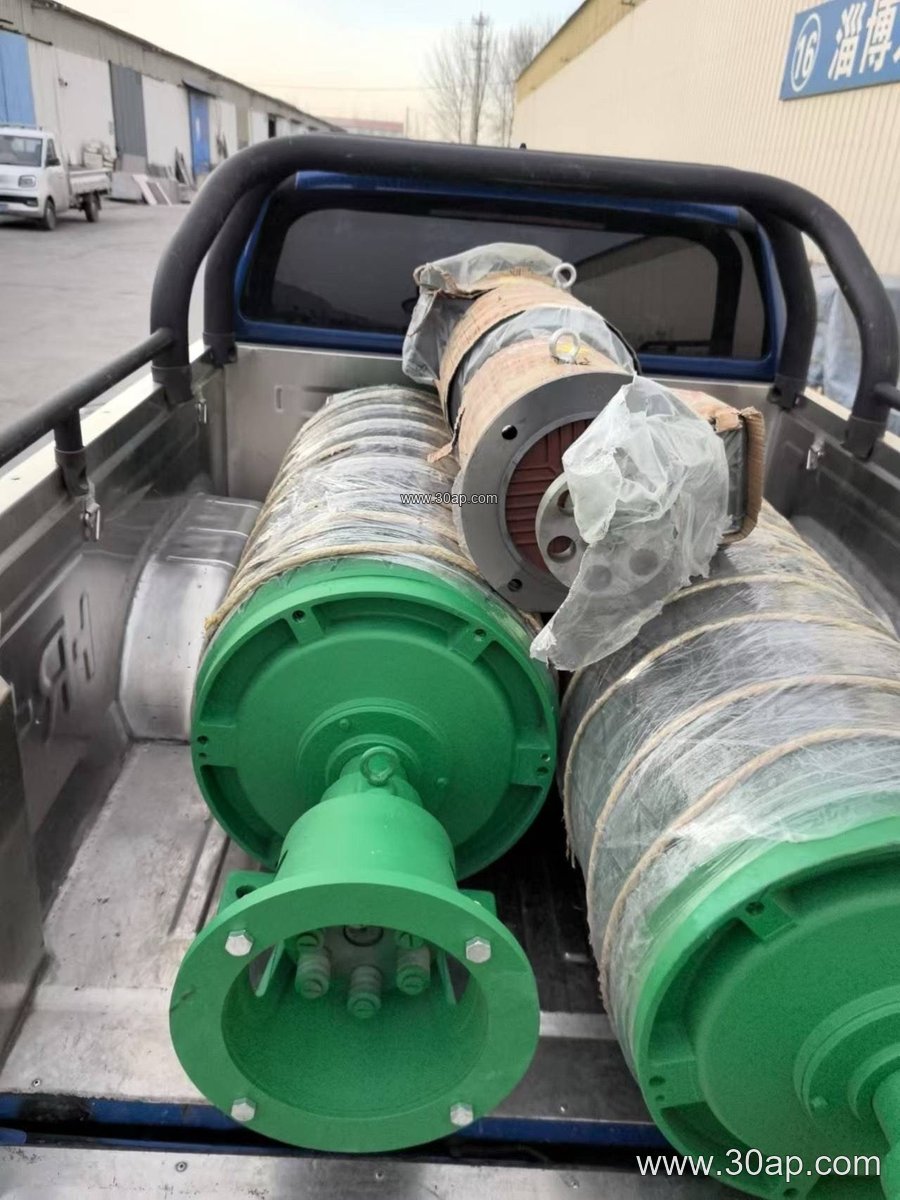
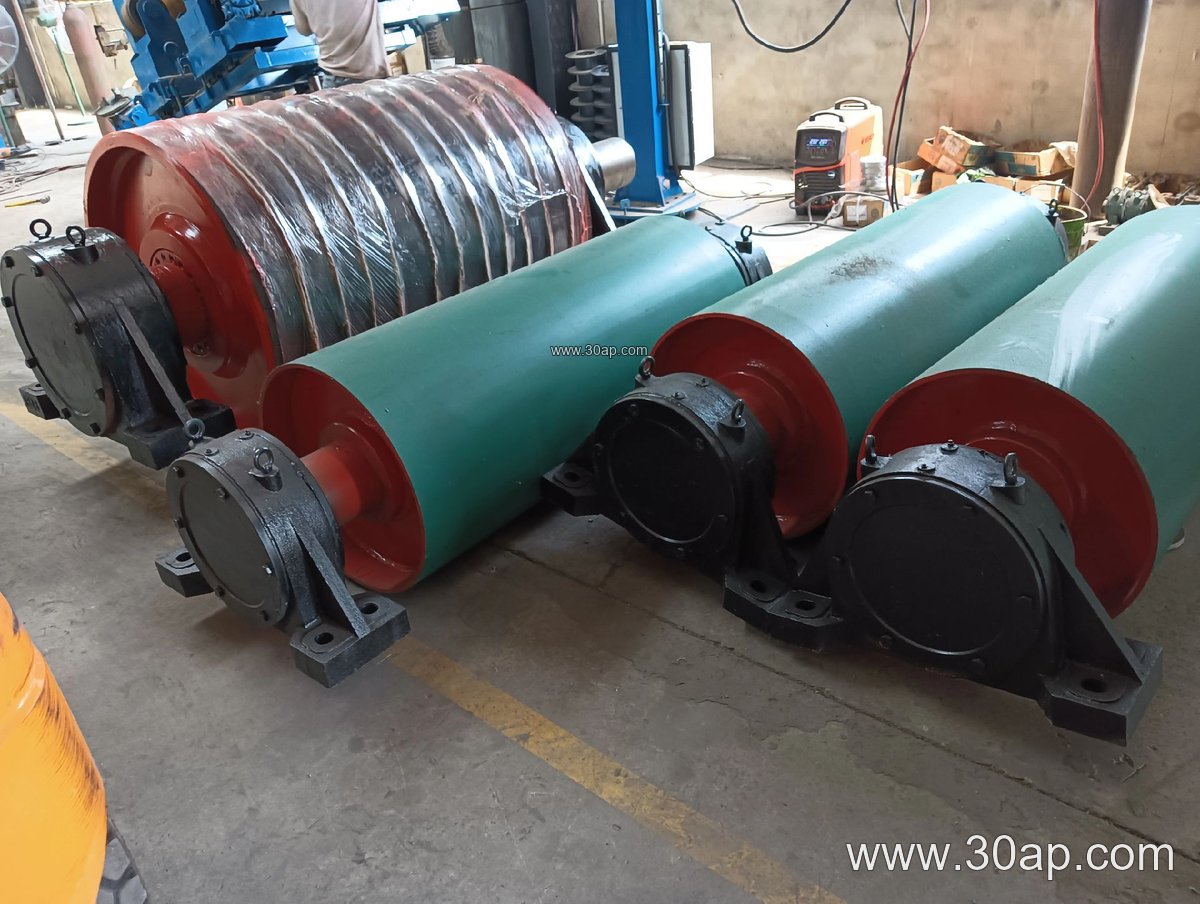
Most bend pulleys use a welded steel shell with machined end discs and a through shaft. The shell is supported by a hub and disc arrangement, and the shaft ends sit in bearing housings mounted on conveyor brackets. Common surface forms include plain finish, hot-vulcanized rubber lagging, cold-bonded rubber and diamond-pattern lagging. Lagging on a non-drive drum is mainly about protecting the shell and improving belt tracking rather than increasing traction, so a thin 8–10 mm layer is often enough, while 12–15 mm may suit heavy-duty mining service.
Typical sizes follow the belt and the layout rather than a single rule. A drum around Ø500 with a 950 mm face might serve a B800 conveyor, and a B1200 line could use Ø800 or Ø1000 depending on wrap angle and shaft load. Common diameters in the reference range include Ø315, Ø400, Ø500, Ø630, Ø800, Ø1000 and Ø1250. Face width usually exceeds belt width, for example about 1400 mm for B1200 and about 1800 mm for B1600. Shaft diameter is set by torque and bearing loads, commonly Ø80 to Ø160 on mid-size units, and should never be picked from belt width alone.
Where It Fits in Bulk Handling
In a limestone quarry, a bend pulley often guides the return strand beneath the take-up tower, keeping the belt clear of the discharge chute. In a coal-fired power plant the same drum may sit inside a covered gallery where dust and fine coal accumulate, so sealing and lagging wear matter as much as alignment. Cement plants use them on clinker and raw meal lines, while sand and aggregate plants fit them on short transfer conveyors feeding screens and crushers.
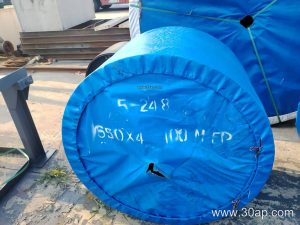
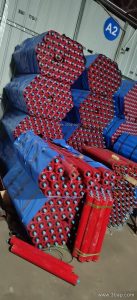
The belt itself shapes the duty. An abrasion resistant conveyor belt carrying sharp rock puts more stress on the shell than a smooth fabric-core belt on a fertilizer line, and a steel cord conveyor belt on a long overland route demands very accurate pulley alignment to avoid edge damage. Whatever the belt type, the bend pulley must run true with the frame and with the adjacent idler roller sets.
Selection and Maintenance Points for Buyers
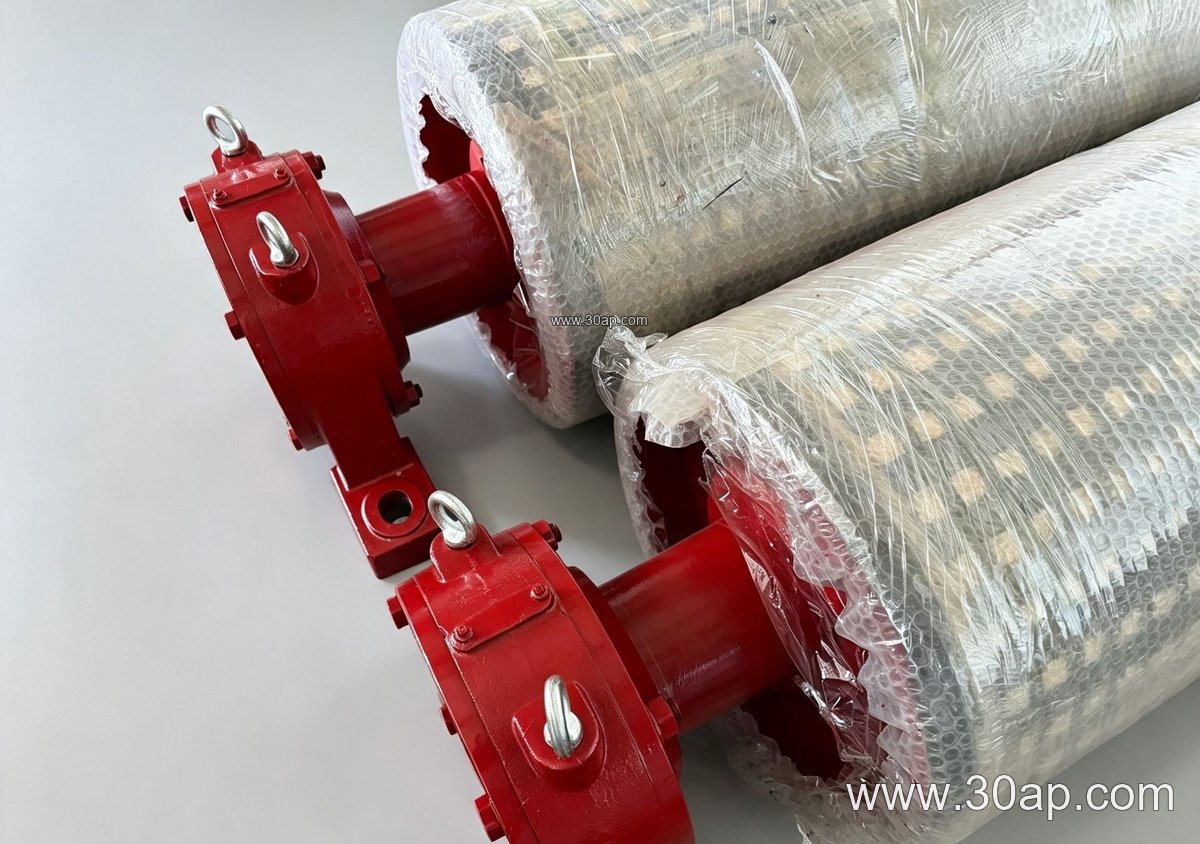
Buyers should confirm the belt width, the required wrap angle, the take-up travel and the shaft load before choosing a diameter. A larger drum reduces belt bending stress but adds weight and cost, so the choice is a balance, not a fixed pairing. Surface finish should match the environment: plain for clean indoor service, rubber lagging for dusty or wet conditions, and ceramic or grooved lagging only where tracking problems justify it.
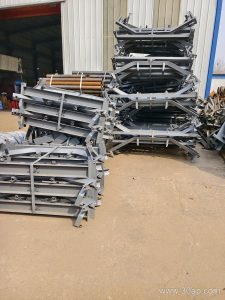
During operation, check bearing temperature, listen for rumble, and inspect lagging for cuts and loose edges. Keep the drum square to the belt centerline and verify that the conveyor bracket bolts remain tight after the first weeks of running. Replacing lagging on time is cheaper than replacing a grooved shell or a damaged belt.
For buyers sourcing drums together with belts, idlers and frames, matching the bend pulley to the actual belt tension data is the safest route. Further details on related components can be found at www.example.com/conveyor-pulley and www.example.com/belt-conveyor-idler, and a review of the belt specification at www.example.com/ep-conveyor-belt helps confirm compatibility.