What the Return Idler Bracket Does
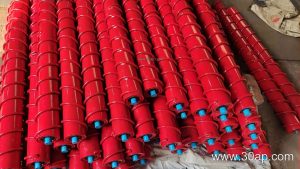
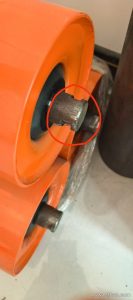
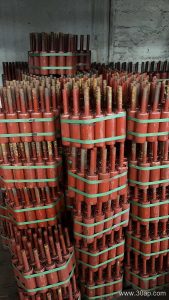
A return idler bracket holds the return rollers that support the empty, returning strand of a conveyor belt. On the underside of the conveyor, the belt comes back after discharging its load, and this run needs steady support so the belt does not sag, rub against the frame, or train poorly. The bracket is the mounting interface between the conveyor structure and the idler roller, and it is usually a fabricated steel part rather than a simple flat plate.
The return idler bracket is often called a return roller bracket or return-side bracket. These are accurate names for the same component. It should not be confused with the carrying-side brackets that hold troughing idlers, nor with the pulleys at the head and tail of the conveyor, which perform a different job entirely.
How the Bracket Is Built
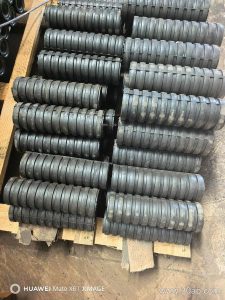
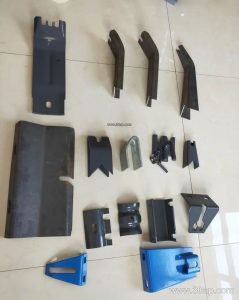
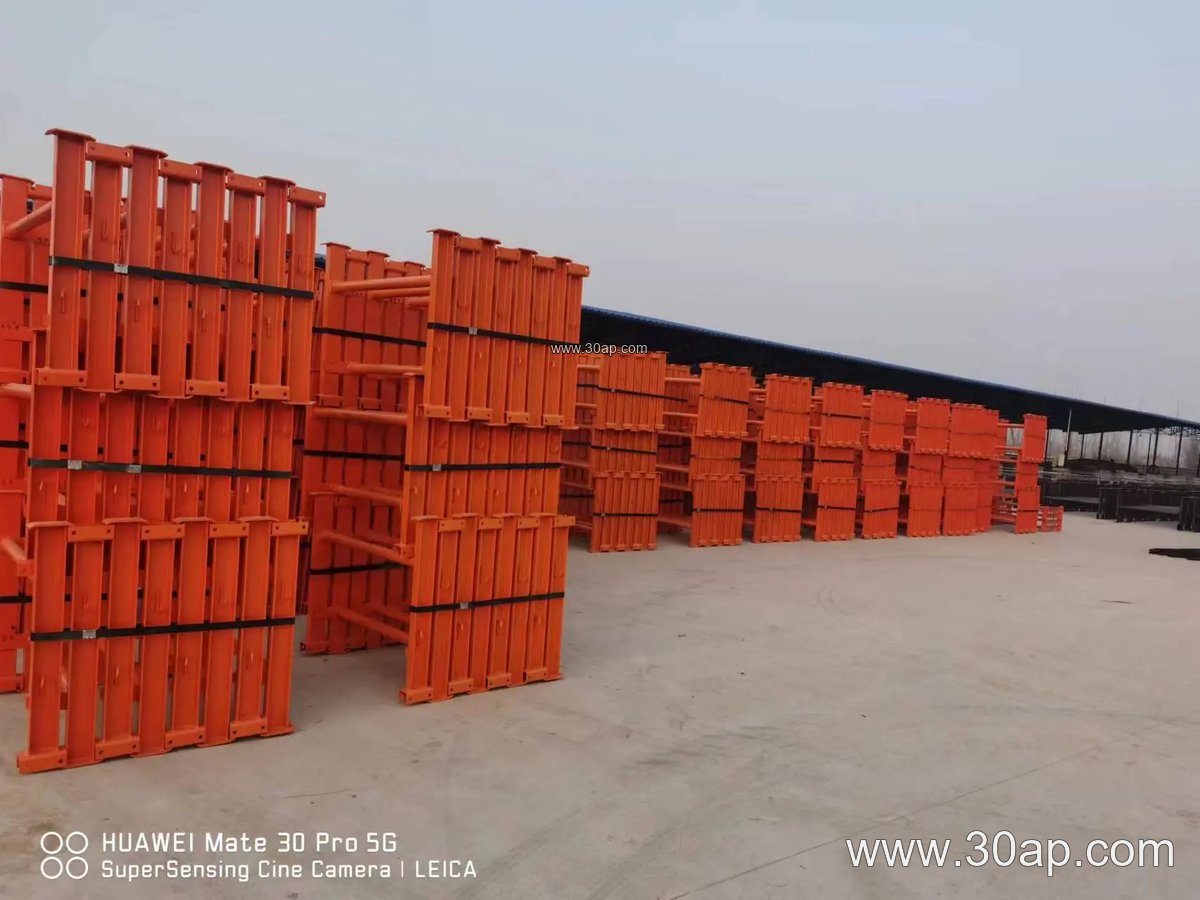
Most brackets are made from angle steel, channel steel, or folded steel plate. The fabrication choice depends on the load, the belt width, and how the bracket attaches to the stringer or cross member. A typical return bracket carries one or two rollers, and its mounting holes and beam length follow the belt width and the roller diameter rather than a single fixed dimension.
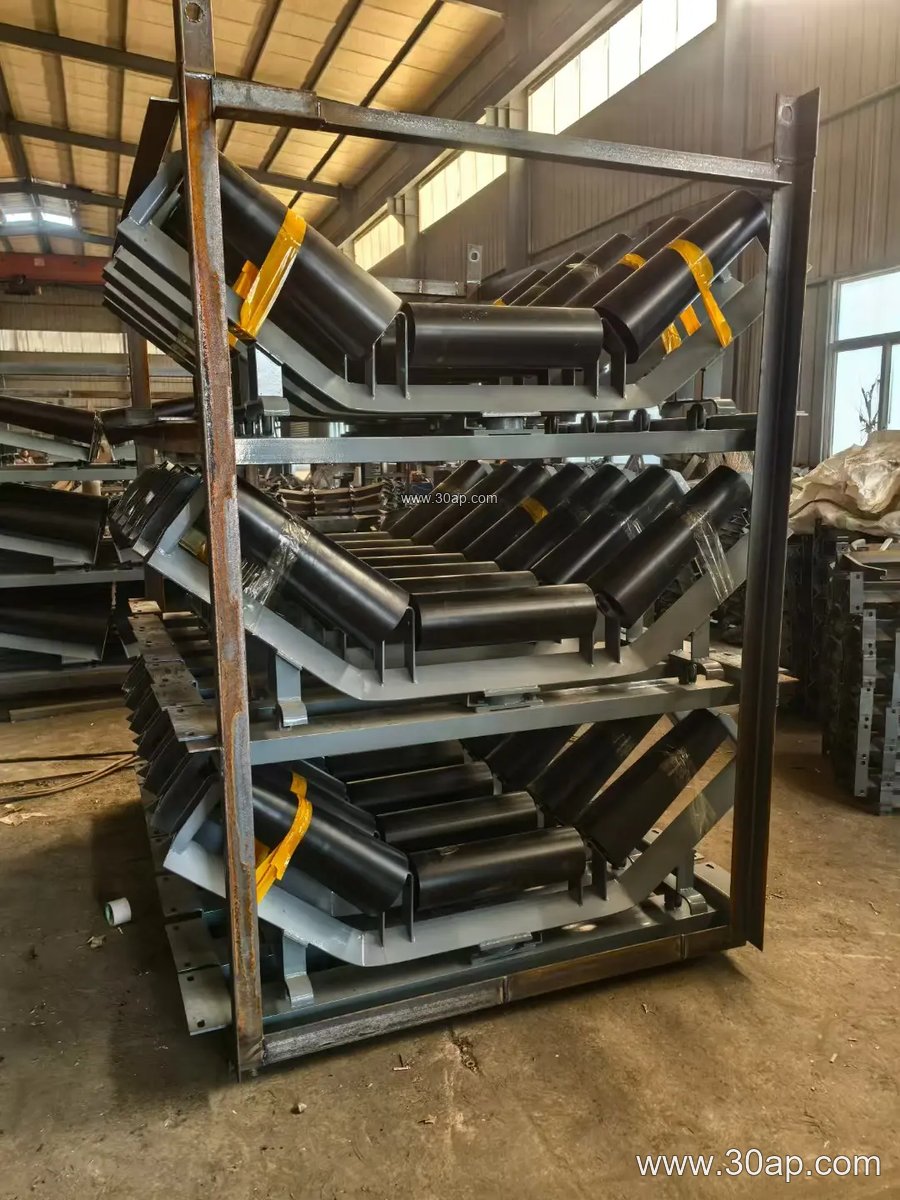
A simple flat return bracket supports a single horizontal roller. A V-type return bracket holds two rollers set at an angle, which helps center the belt on the return run. Adjustable versions allow the roller position or the support angle to be changed after installation, which is useful where field alignment is difficult.
Common reference combinations
The values below are typical references for planning, not fixed matching rules. A given belt width can work with more than one roller diameter and more than one bracket style.
- B650 with Ø89 rollers on a light return bracket
- B800 with Ø108 rollers in a V-return arrangement
- B1000 with Ø133 rollers on a heavy folded-plate bracket
- B1200 with Ø133 or Ø159 rollers, depending on load
- B1400 and B1600 with Ø159 or Ø194 rollers for high-tonnage service
Where It Fits in the Conveyor
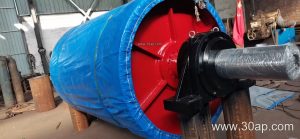
The bracket appears on the return side, spaced along the conveyor at intervals set by the belt sag allowance. In a quarry or sand and gravel line it supports the belt after the discharge point, keeping the return strand clear of build-up. In a coal handling plant or power station coal yard it works alongside the conveyor pulley and conveyor bracket assemblies that guide and tension the belt. In cement plants and steel plants, dusty conditions make a sturdy, well-aligned bracket important because a loose or bent bracket lets the roller sit off-square and the belt begins to wander.
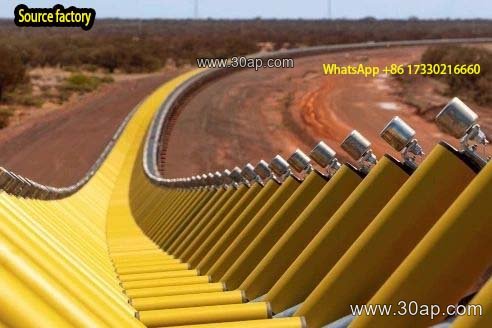
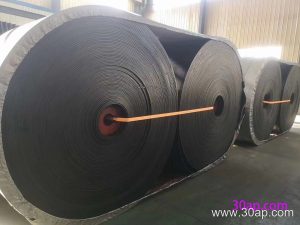
It is used with a wide range of belting, from a heavy-duty mining conveyor belt carrying ore to a flame retardant conveyor belt in underground service. In a coal mining conveyor belt system, the return bracket must be positioned so the belt clears the structure even when it is slightly misaligned. Plants handling abrasive bulk material often pair the bracket with abrasion resistant conveyor belt so the return side lasts longer.
What a Buyer Should Check
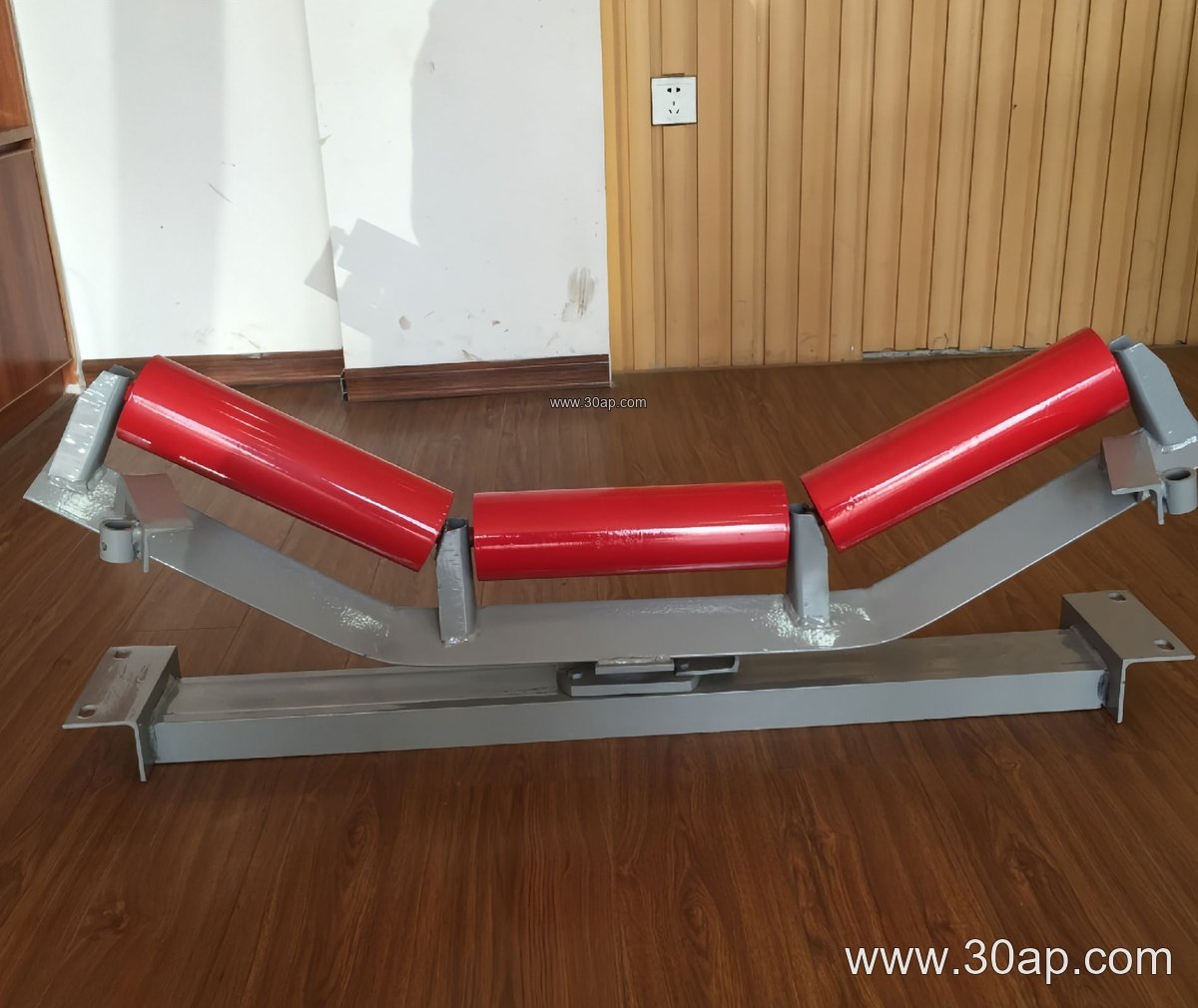
Before ordering, confirm the belt width, the roller diameter, and the mounting hole pattern on the existing stringer. Ask whether a fixed or adjustable bracket is needed. A fixed bracket is simpler and cheaper; an adjustable one helps when the frame is not perfectly square. Check the material thickness and the finish, since a thin bracket can flex under a loaded return strand.
Also confirm the bracket type: flat return, V-return, or a self-aligning design. The return idler bracket should match the idler roller it carries, and the roller should match the belt speed and load. For long conveyors or steep inclines, discuss spacing with the conveyor designer rather than copying a spacing figure from another line. A bracket that fits a 1200mm wide conveyor belt will not automatically suit a 650mm belt, and the reverse is also true.
Finally, keep spare brackets on hand. A bent return bracket is a small part, but it can cause belt tracking problems that affect the whole conveyor. Inspect mounting bolts and welds during routine maintenance, and replace any bracket that has cracked or deformed.