What a 1400mm Diameter Conveyor Pulley Is
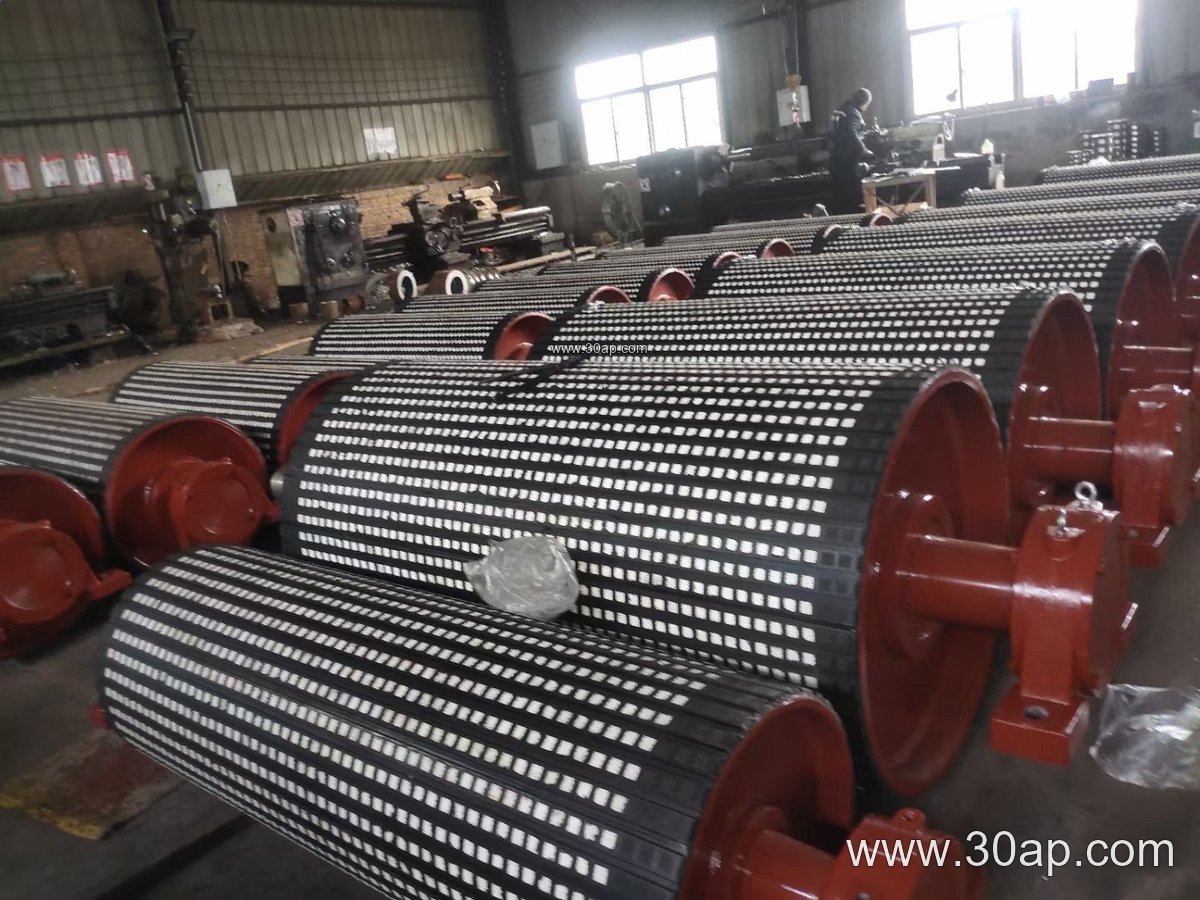
A 1400mm diameter conveyor pulley is a large-diameter drum used in high-capacity bulk handling conveyors. At this size, the pulley is usually a heavy fabricated or welded steel drum with a machined shell, end discs, a hub and shaft assembly, and a lagged surface. The 1400mm diameter is the nominal outside diameter of the shell, and it is most often seen on mainline conveyors where belt tensions and material loads are substantial. In a typical arrangement, this drum may serve as a drive pulley at the discharge end, but the same diameter can also be built as a tail or bend pulley when the conveyor layout calls for it.
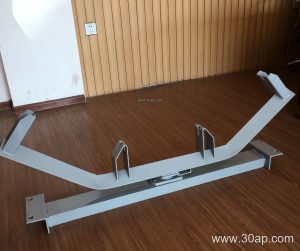
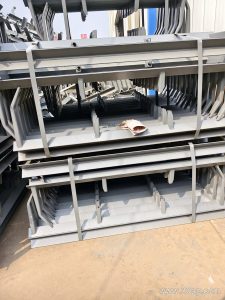
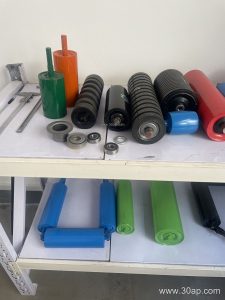
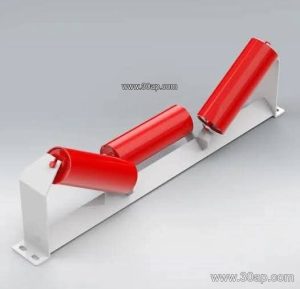
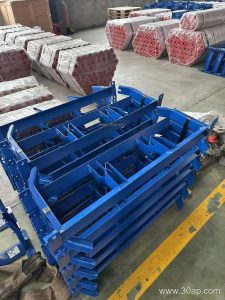
Because the drum is large, it is rarely a stock item. Buyers usually specify a 1400mm diameter conveyor pulley together with belt width, shaft size, lagging type, bearing arrangement and duty conditions. The pulley works with the conveyor belt, conveyor idler rollers and conveyor brackets to keep the belt tracking and transmitting power efficiently.
Construction Details That Matter
The shell is normally rolled steel plate, with the thickness chosen for the belt tension and the concentrated load at the hub. End discs are welded to the shell and machined to accept the shaft. The shaft diameter is determined by torque and bending load rather than by belt width alone, so a 1400mm diameter pulley may be supplied with a shaft sized for the specific drive duty.
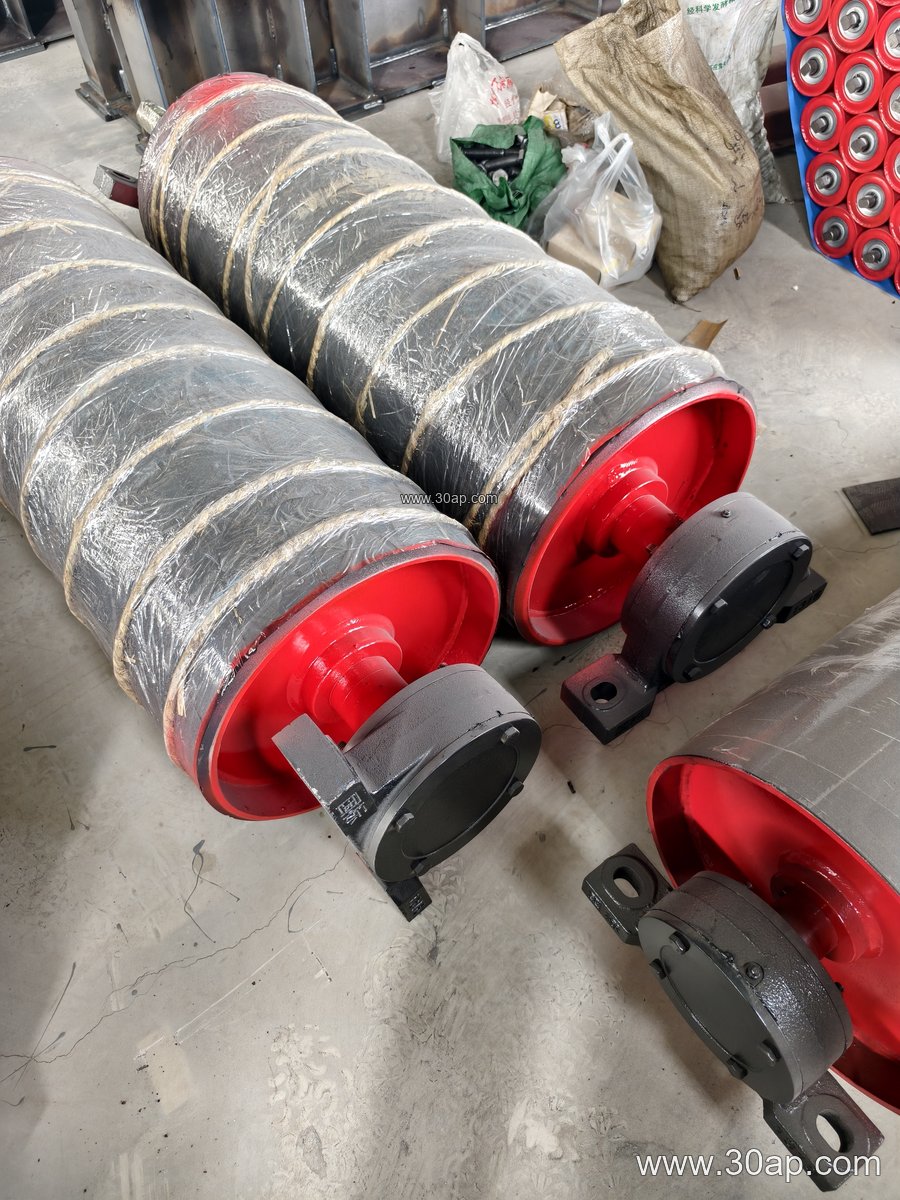
Surface treatment is a major decision. Plain shells are used where grip is not critical, while rubber lagging, diamond grooving or ceramic tiles improve traction and shed water and fines. Common lagging thicknesses are 8, 10, 12, 15 and 20 mm. For a large drum, hot-spliced rubber lagging is often preferred because it bonds well and can be replaced in the field. The pulley also needs a suitable bearing housing, locking assembly and, where required, a shaft end for the gearbox coupling.
Where This Size Fits
Large-diameter pulleys appear in quarry and aggregate lines, iron ore and copper ore handling, coal preparation plants, cement clinker conveyors, power plant coal yards and port bulk terminals. In a primary crushing circuit, a 1400mm diameter conveyor pulley may be used at the head end to handle a wide, heavily loaded belt carrying rock or ore. In a tunnel or underground mine, the same size might be chosen for a bend or tensioning position where the belt path needs a gentle curve and low bending stress.
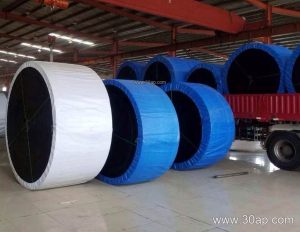
The large diameter reduces the bending cycle on the belt and helps with belt life when the conveyor carries a heavy-duty mining conveyor belt or a steel cord conveyor belt. It is also easier on thick covers and on belts with high tension ratings, such as EP1000 or ST1600 constructions, than a small drum would be.
Matching the Pulley to the Belt and Layout
Belt width and pulley diameter are related but not locked together. A common reference table uses shell widths slightly wider than the belt, for example about 1400 mm for B1200 and about 1600 mm for B1400. A 1400mm diameter drum can be built for several belt widths, and the final combination should follow the conveyor design.
| Belt width reference | Typical shell width | Possible drum use |
|---|---|---|
| B1000 | About 1150 mm | Drive or tail position, light to medium duty |
| B1200 | About 1400 mm | Head drive or bend position |
| B1400 | About 1600 mm | Main drive or tensioning position |
| B1600 | About 1800 mm | Heavy mainline drive |
The table is a reference only. A 1400mm diameter pulley for a B1400 belt is a common request, but the shaft, bearing and lagging still need to be checked against the actual tension and speed. The pulley should also be reviewed with the conveyor idler roller spacing and the conveyor bracket dimensions so that the drum fits the frame without interference.
Buyer Checklist
- Confirm the pulley position: drive, tail, bend, tension or snub. These are different duties and should not be treated as interchangeable.
- State the belt width, belt type and belt tension. A fabric core conveyor belt and a steel cord conveyor belt place different demands on the drum.
- Specify lagging: plain, rubber, diamond or ceramic, with thickness such as 10 or 15 mm.
- Provide the shaft diameter required by the torque calculation, not a guessed value from belt width.
- Check the bearing type, housing and locking method, and confirm the pulley drawing before production.
- For abrasive or wet service, consider abrasion resistant conveyor belt grades and adequate lagging drainage.
A well-specified 1400mm diameter conveyor pulley is a long-life component when the shell, shaft and lagging are matched to the conveyor duty. Buyers who supply clear belt data and layout drawings usually get a better fit and fewer installation surprises.