What a Cleaning Idler Does on a Conveyor
A cleaning idler is a specialized roller assembly mounted on the return side of a belt conveyor to remove adhered material from the conveyor belt before it reaches the tail pulley. In dusty operations such as limestone quarries, coal washing plants, and cement kilns, fines and moisture combine to stick to the belt cover. If left unchecked, this carryback builds up on return rollers, causes belt misalignment, and accelerates wear on the conveyor pulley and other components. The cleaning idler—often called a belt cleaning roller or return-side cleaner roller—addresses this problem at the source.
Unlike a standard carrying idler or impact idler, the cleaning idler is typically positioned just after the head pulley discharge zone. Its role is not to support the belt’s carrying run but to contact the dirty return surface and scrape or flick off residual material. This distinction matters: a drive pulley, tail pulley, or bend pulley cannot substitute for a cleaning idler, and neither can a conventional troughing idler. Each serves a different function in the conveyor system.
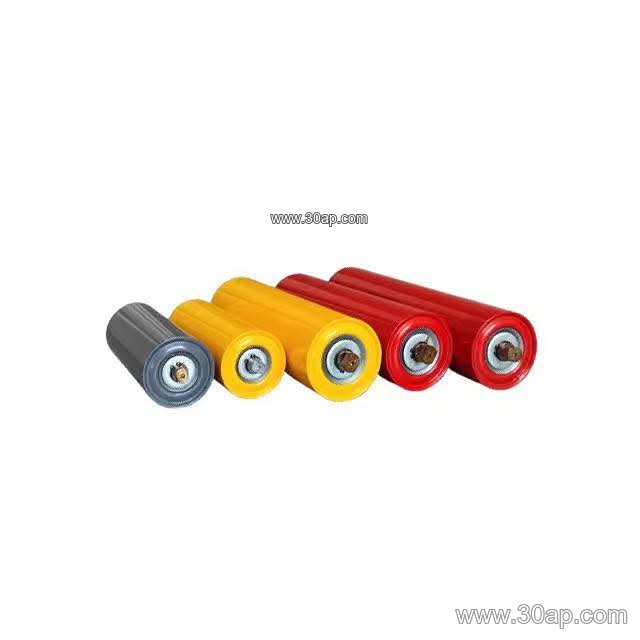
Construction and Key Components
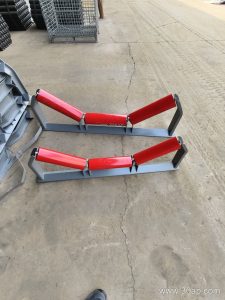
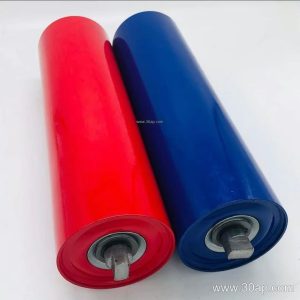
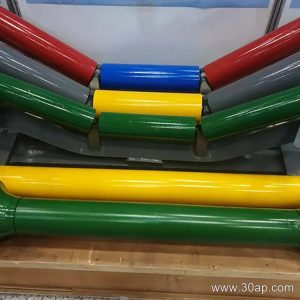
A typical cleaning idler consists of a steel tube shell, shaft, bearing housings, and a scraping or cleaning element. The shell may be fitted with rubber or polyurethane segments, spiral flights, or brush strips depending on the material being handled. Bearing selection is critical in dusty environments; common bearing numbers include 6205, 6305, and 6308, but the bearing size should be matched to the roller diameter and load, not chosen by belt width alone. Shaft ends often mount into conveyor brackets that allow height adjustment as the cleaning element wears.
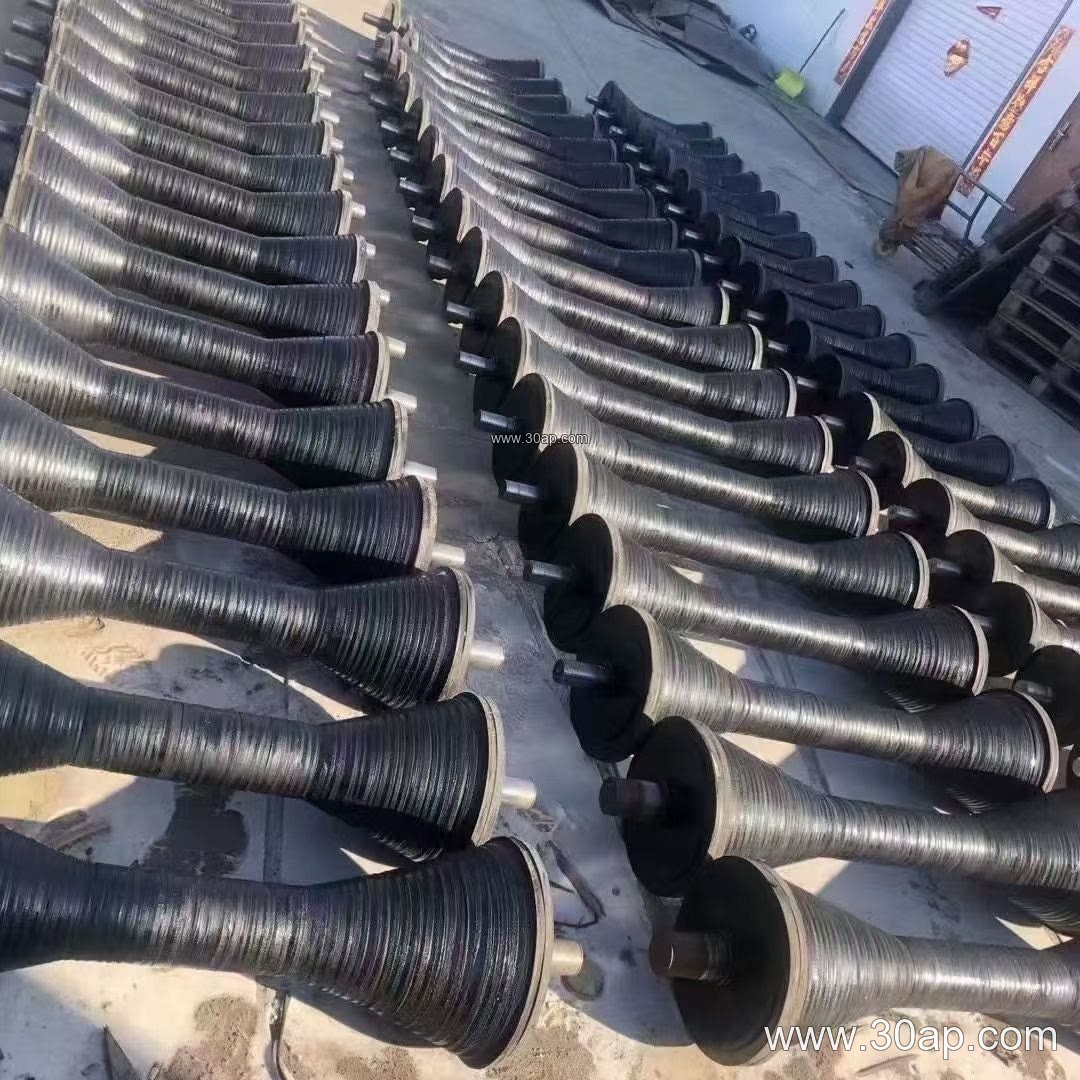
Roller diameters for cleaning idlers usually follow the same range as other return rollers—Ø89, Ø108, Ø127, Ø133, and Ø159 are common examples. The shell length depends on belt width and the mounting arrangement; for instance, a 1000mm wide conveyor belt might use a cleaning roller with a face length around 1150mm to ensure full coverage, but this is design-specific. Surface options include plain steel, rubber lagging, or segmented rubber discs. In abrasive service such as iron ore or copper ore handling, a rubber-covered shell can reduce wear on the belt cover while still removing fines.
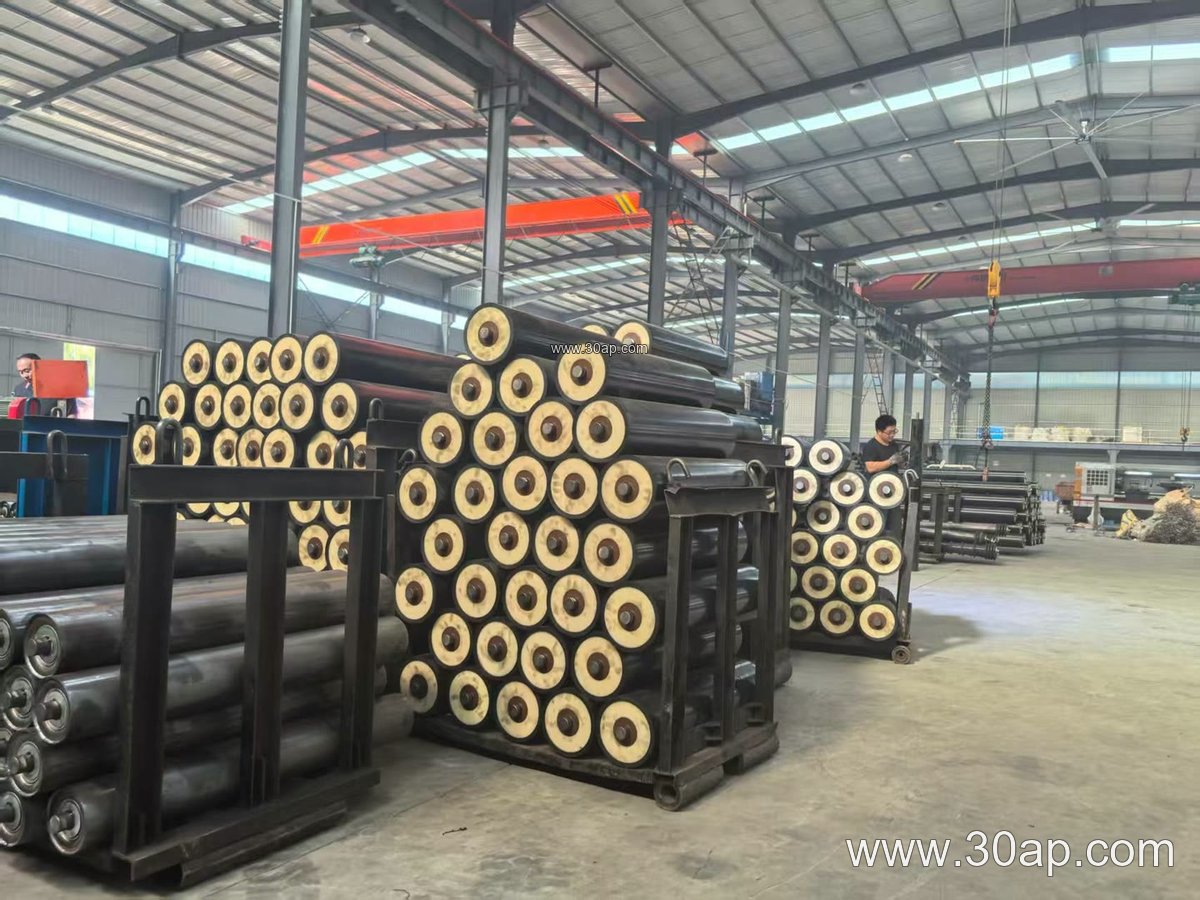
Where Cleaning Idlers Are Used
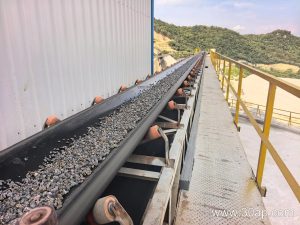
These rollers appear in bulk material handling across many industries. In a sand and gravel plant, a cleaning idler after the primary crusher helps keep the return belt free of wet sand that would otherwise pack around standard return rollers. In a power plant coal handling system, a cleaning roller reduces coal dust buildup that can lead to belt tracking problems and fire risk when combined with a flame retardant conveyor belt. Other common locations include:
- Port ship-unloading conveyors handling damp ore or aggregate
- Concrete batching plants where cement dust adheres to the belt
- Fertilizer and grain terminals requiring frequent belt cleaning
- Underground coal mining conveyors using PVG conveyor belts
In each case, the cleaning idler works alongside primary and secondary belt cleaners, not as a replacement for them. It is a complementary component that protects the return run.
Selection Factors for Buyers
When specifying a cleaning idler, buyers should consider belt width, belt speed, material characteristics, and the available mounting space. A cleaning roller for a 650mm wide belt will differ in face length and bearing size from one for a 1800mm wide conveyor belt, but no single belt width dictates a fixed shaft diameter. The table below lists common reference dimensions; actual values should be confirmed with the conveyor design.
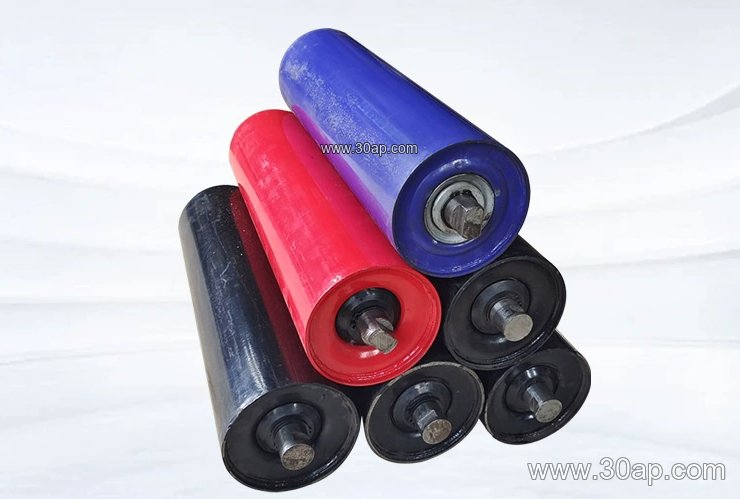
| Parameter | Common Reference Range | Notes |
|---|---|---|
| Roller diameter | Ø89 to Ø159 mm | Larger diameters suit higher belt speeds and heavier carryback |
| Belt width examples | B500, B650, B800, B1000, B1200, B1400 | Face length usually exceeds belt width by 100–200 mm |
| Bearing numbers | 6204, 6205, 6305, 6306, 6308 | Match to load and speed; not fixed to one roller size |
| Cleaning element | Rubber disc, spiral, brush, polyurethane strip | Choose based on material stickiness and abrasiveness |
Also verify the mounting bracket compatibility and the adjustment range for wear take-up. A cleaning idler that cannot be adjusted will lose effectiveness as the cleaning element wears down.
Maintenance and Operational Notes
Regular inspection of the cleaning idler is essential. Check for material buildup on the roller itself, worn or missing cleaning segments, and bearing play. In dusty service, relubrication intervals may be shorter than for carrying idlers. If the belt shows signs of mistracking or the return rollers behind the cleaning idler accumulate carryback, the cleaning element may need replacement or adjustment. Remember that a cleaning idler is not a substitute for a bend pulley or tail pulley; it performs a distinct function in the conveyor’s cleaning strategy. Keeping it in good condition protects the conveyor belt, extends pulley life, and reduces downtime in demanding environments such as mining, quarrying, and cement production.