What a Ceramic Lagged Pulley Does on a Conveyor
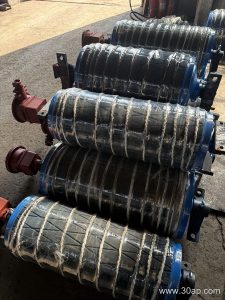
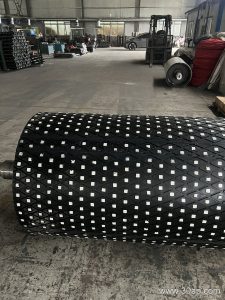
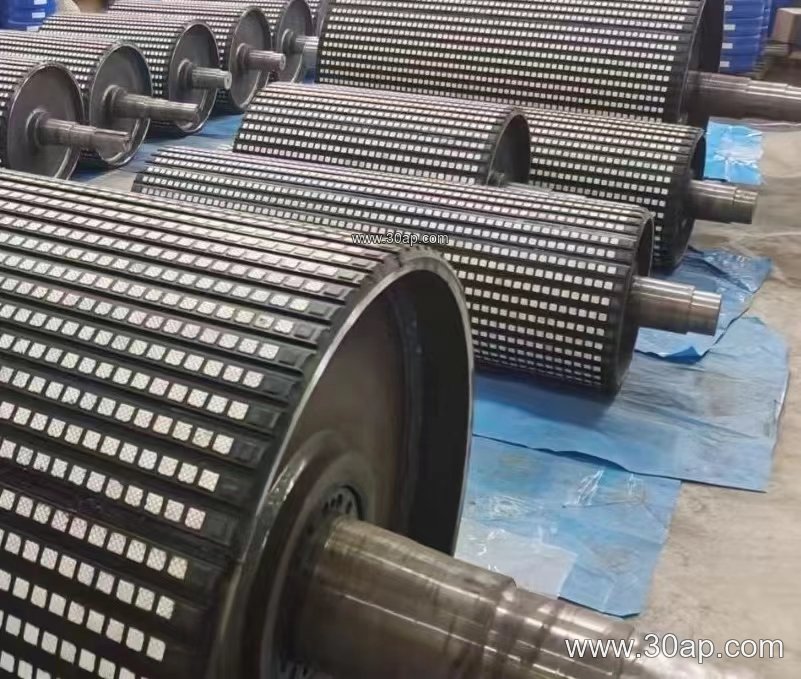
A ceramic lagged pulley is a conveyor pulley whose outer shell is covered with ceramic tiles set into a rubber or polymer backing. The ceramic segments usually take the form of small raised pads or blocks, and the rubber between them holds them in place while allowing slight flexibility under load. The result is a drive surface that bites into the belt cover without the rapid polishing that smooth steel or plain rubber can suffer in wet, dusty or oily conditions. In a quarry, a limestone mine or a sand and aggregate line, that extra grip often decides whether a conveyor starts smoothly under a full load or slips and burns the belt cover.
The key point is that ceramic lagging is a surface treatment, not a pulley type. A ceramic lagged pulley can be built as a drive pulley, a tail pulley, a bend pulley or a tension pulley, and each position uses the ceramic surface for a different reason. The ceramic lagging itself must not be confused with a drive pulley, tail pulley or bend pulley; those names describe where the pulley sits and what job it performs.
How the Ceramic Surface Is Built
Most ceramic lagged pulleys start with a steel shell that is machined, then covered with a bonding layer. Ceramic tiles are laid into that layer in a pattern, and the assembly is cured so the tiles sit slightly proud of the rubber. Common tile shapes include square, rectangular and dimpled pads, and the gaps between tiles act as drainage channels for water and fines. This is why the surface keeps its grip in wash-down areas and in humid underground work.
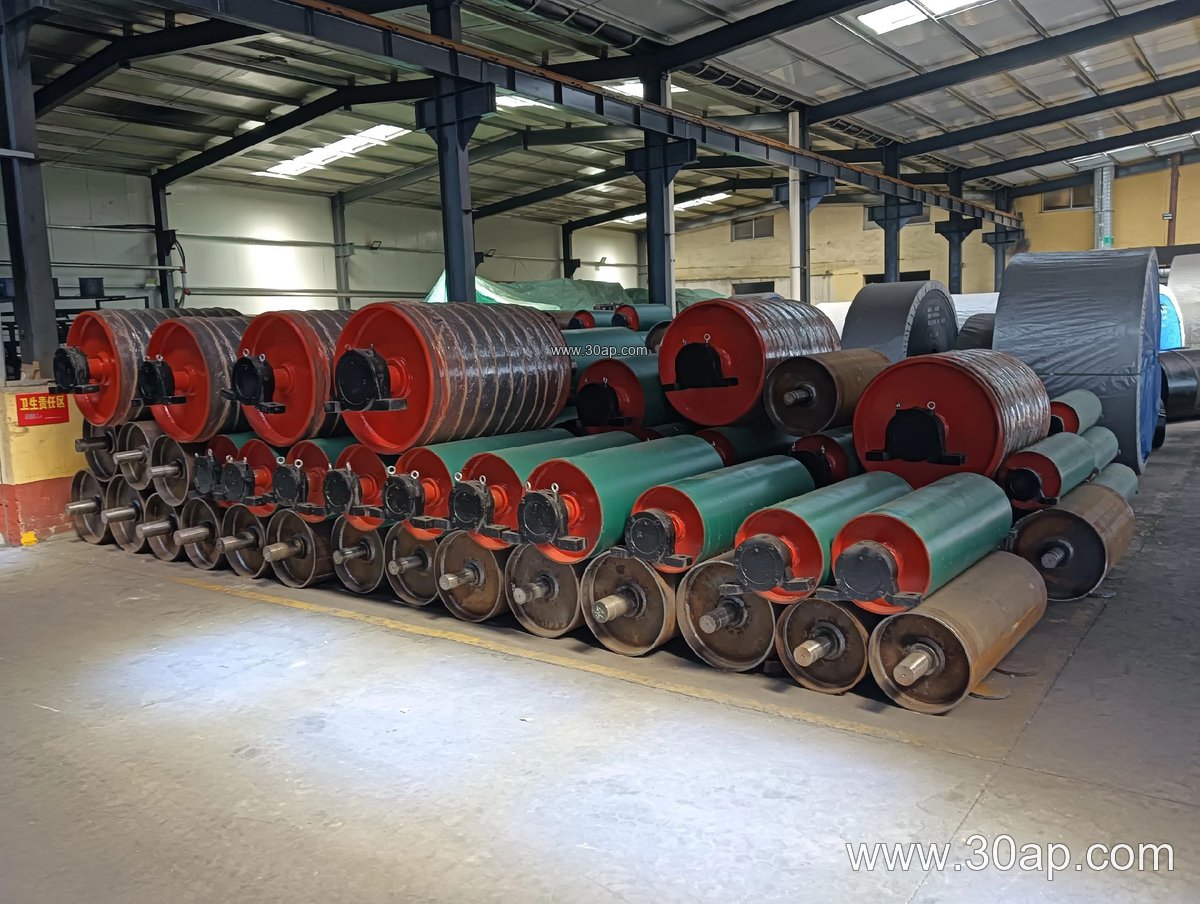
Typical lagging thickness ranges from 8 mm to 20 mm, with 10 mm, 12 mm and 15 mm often seen. The shell width normally runs a little wider than the belt: a B800 belt usually pairs with a shell around 950 mm, a B1200 belt with roughly 1400 mm, and a B1400 belt with about 1600 mm. Diameters such as Ø500, Ø630, Ø800 and Ø1000 are common, but the correct diameter depends on belt tension, wrap angle and shaft load rather than on belt width alone.
Common Reference Combinations
| Belt width | Approximate shell width | Example diameter | Typical lagging |
|---|---|---|---|
| B650 | 750 mm | Ø400 | 10 mm ceramic |
| B800 | 950 mm | Ø500 | 12 mm ceramic |
| B1000 | 1150 mm | Ø630 | 12–15 mm ceramic |
| B1200 | 1400 mm | Ø800–Ø1000 | 15 mm ceramic |
| B1400 | 1600 mm | Ø800–Ø1000 | 15 mm ceramic |
| B1600 | 1800 mm | Ø1000–Ø1250 | 15–20 mm ceramic |
These figures are reference values only. Shaft diameter is set by torque and bearing load, commonly in the Ø80 to Ø200 range for heavy conveyors, and should never be guessed from belt width.
Where Ceramic Lagging Earns Its Place
The strongest case for ceramic lagging appears where the belt carries abrasive, wet or oily material. In a coal preparation plant, a wash box discharge conveyor often runs with a wet belt and fine solids; a plain rubber lagging can glaze over, while a ceramic surface keeps a rough profile. In a copper or iron ore concentrator, the same pulley may face slurry splash and sharp fines. A power plant coal handling system and a cement plant clinker line also benefit when the drive pulley must transmit high torque without belt slip.
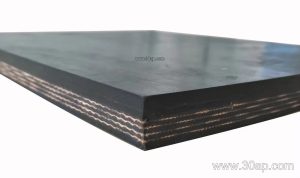
Ceramic lagging is also used on bend pulleys and tension pulleys where belt wander and misalignment cause edge wear. The raised ceramic pads can reduce the contact area slightly, so the belt must have a cover tough enough to resist the local pressure. A heavy-duty mining conveyor belt with good abrasion resistance, such as an abrasion resistant conveyor belt or a thick EP conveyor belt, usually works well. Thin covers or heat-sensitive belts need a closer check before ceramic is specified.
For very hot service, ceramic lagging is generally not the first choice because the bonding layer has temperature limits. A heat resistant conveyor belt on a clinker or sinter line may call for a different lagging design. Similarly, a food grade conveyor belt or a pipe conveyor belt with a delicate cover should be reviewed with the pulley supplier before ceramic tiles are selected.
Buyer Checklist Before Ordering
- Confirm the pulley position: drive, tail, bend or tension. Each has a different slip and wear duty.
- State belt width and belt type, for example an EP conveyor belt, NN conveyor belt or steel cord conveyor belt, plus cover thickness.
- Give the actual belt speed, motor power and wrap angle so the torque demand can be checked.
- Specify lagging thickness and tile pattern, and ask how the tiles are bonded and finished at the edges.
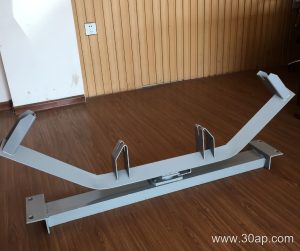
- Confirm shaft diameter, bearing centers and the conveyor bracket interface.
- Check that the pulley face width matches the belt and that the ceramic does not interfere with the idler roller or skirt rubber.
A ceramic lagged pulley is a long-term investment in grip and wear life, but it only pays off when the pulley position, belt cover and lagging pattern are matched. Buyers who share full duty data with the supplier usually get a surface that holds traction through the wet season as well as the dry one.