What a Conveyor Frame Does
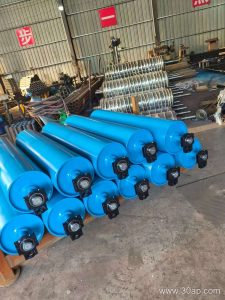
A conveyor frame is the steel backbone that holds every rotating part of a belt conveyor in the right position. It carries the idler roller sets, supports the conveyor pulley at each end, and keeps the conveyor belt tracking along a stable path. Without a rigid frame, even a well-made belt and carefully selected rollers will misalign under load. The frame is therefore the reference structure for the whole conveyor line, whether it runs in a quarry, a cement plant, or a power plant coal yard.
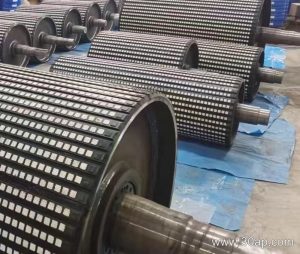
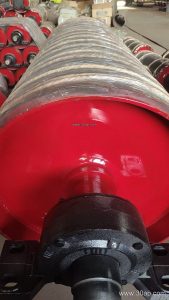
In practice, the frame is a system rather than a single beam. It includes the longitudinal stringers, cross beams, support legs, and the brackets that hold each idler station. It also provides the mounting base for the drive pulley, tail pulley, and bend pulley, plus the take-up arrangement.
How the Structure Is Built
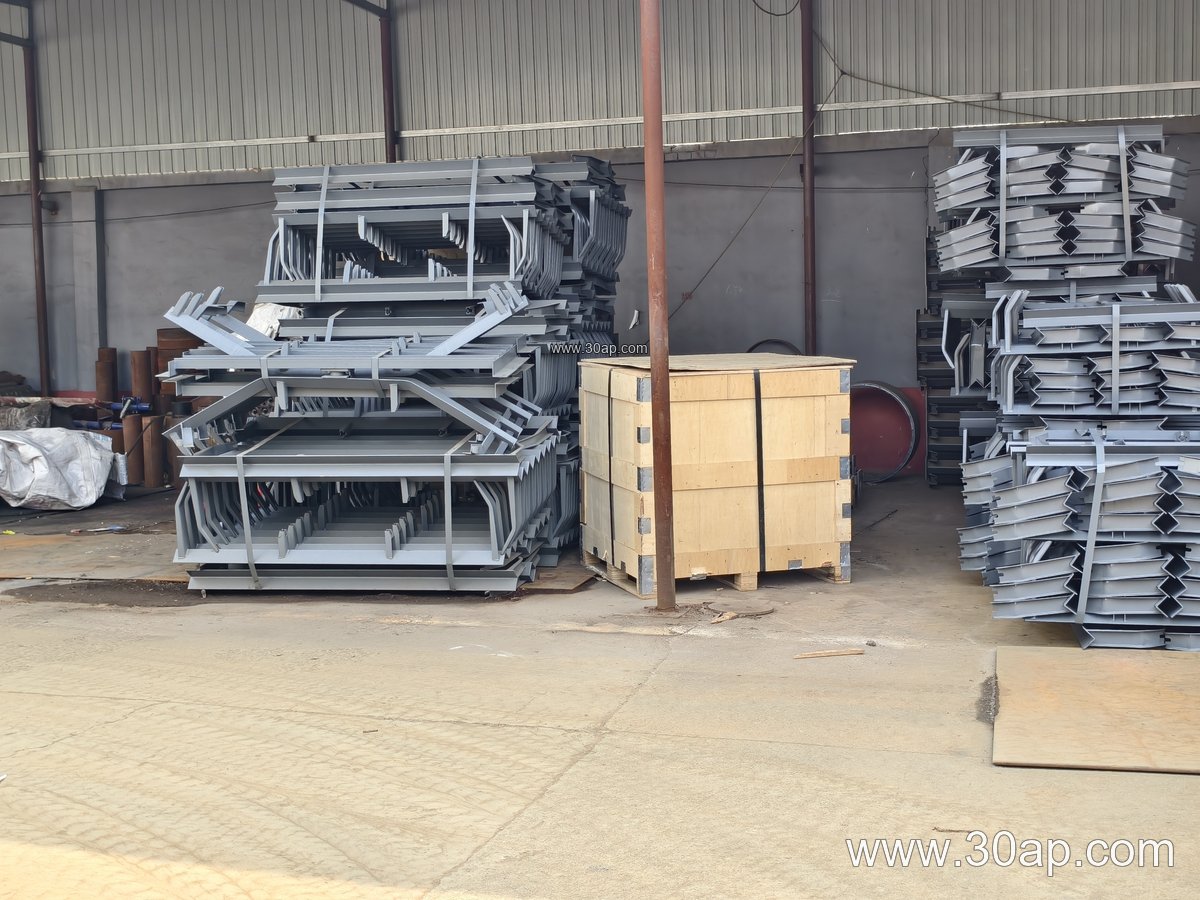
Most frames are fabricated from angle steel, channel steel, or folded steel plate. Sections are cut, drilled, and welded into modules that bolt together on site. Modular construction keeps transport simple and allows a long conveyor to be assembled in sections. Bolted joints also make later modification easier when a line is extended or re-routed.
The load path matters more than the steel grade alone. Vertical loads from material and belt pass through the idler rollers into the brackets, then into the cross beams and down the legs. Starting torque and belt tension add longitudinal forces that the stringers must resist. A frame that is undersized in the cross beam will deflect, which changes the trough angle and encourages belt misalignment.
Frame Types and Their Place on the Line
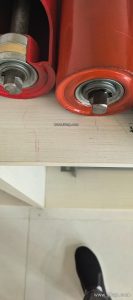
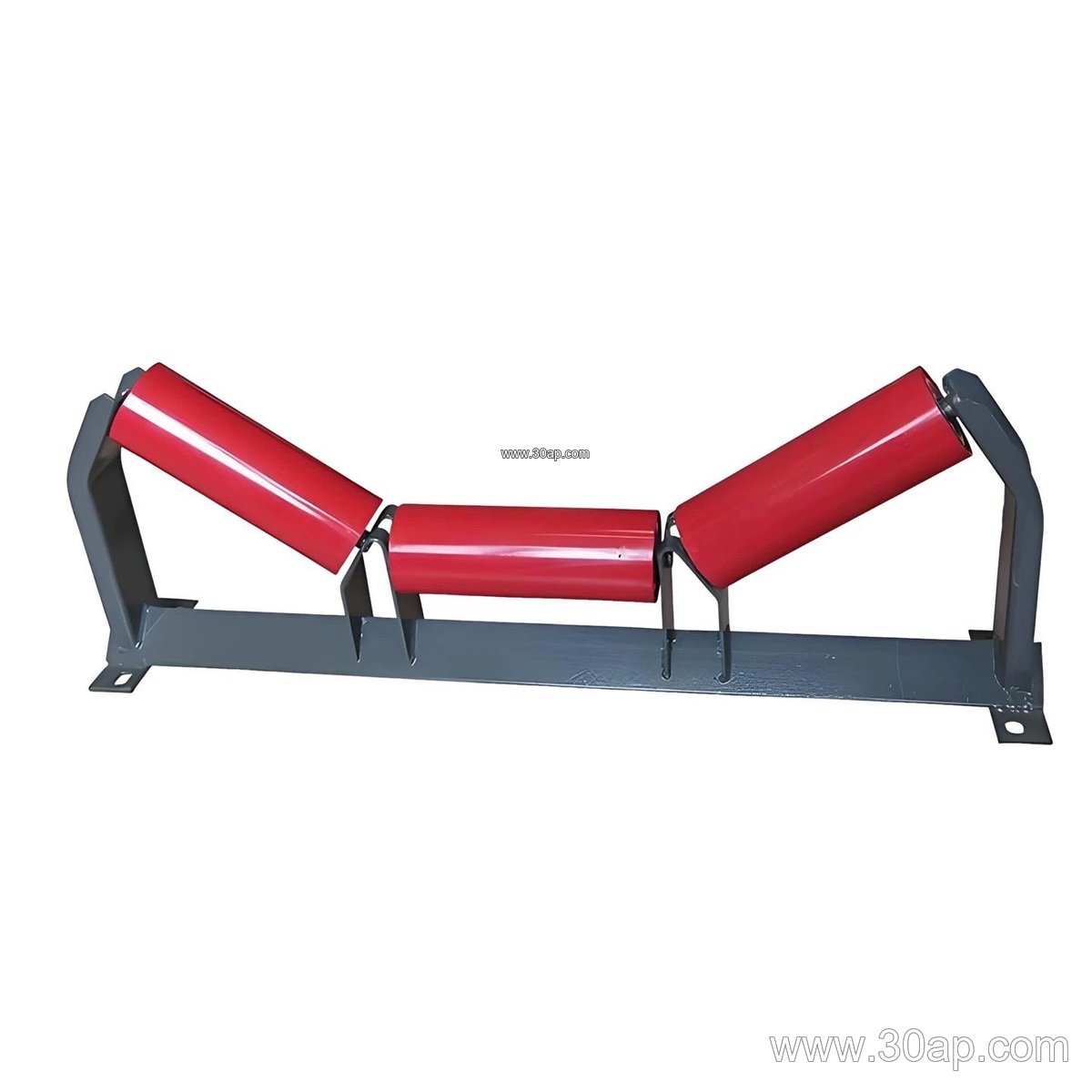
Different positions on a conveyor call for different frame arrangements. The carrying side usually uses a troughing idler bracket set, while the return side uses a flat or V-return bracket. Transition zones near the pulleys need brackets that gradually change the belt from flat to troughed. Impact areas under a chute benefit from impact idler brackets with extra support. Self-aligning brackets help correct minor tracking drift.
Adjustable frames allow the trough angle to be set within a range, which is useful when the same structure must handle different materials. Fixed frames are simpler and stiffer. The choice depends on how much flexibility the operator needs over the life of the conveyor.
Typical Reference Combinations
The values below are common reference examples only. Actual selection depends on belt width, material, capacity, and design requirements.
| Belt Width | Trough Angle | Roller Diameter | Typical Use |
|---|---|---|---|
| B650 | 30 degrees | Ø89 | Small aggregate lines, light duty |
| B800 | 35 degrees | Ø108 | Sand and gravel, cement additives |
| B1000 | 35 degrees | Ø133 | Coal handling, ore transfer |
| B1200 | 45 degrees | Ø133 | High capacity bulk material |
| B1400 | 35 degrees | Ø159 | Heavy-duty mining and port duty |
| B1600 | 45 degrees | Ø159 | Large tonnage crushing plants |
Mounting hole spacing and cross beam length change with belt width and trough angle, so they should be confirmed from the drawing rather than assumed. A wider belt does not automatically dictate one roller diameter; the design load and belt stiffness matter just as much.
Where Conveyor Frames Are Used
Frames appear wherever bulk material moves continuously. In a limestone quarry, a frame carries a rubber conveyor belt over long distances between the crusher and the stockpile. In a coal-fired power plant, the coal handling system depends on a stable frame to keep the belt centered through transfer towers. In a cement plant, frames support belts carrying clinker and raw meal, often with heat resistant conveyor belt where temperatures are high.
The same structure serves iron ore terminals, steel plant sinter lines, and sand and gravel operations. In each case, the frame must match the belt type and the environment. A steel cord conveyor belt is heavier and needs stiffer support than a lighter fabric core belt. An abrasion resistant conveyor belt in a crusher discharge area works best with well-aligned idlers on a rigid frame.
What Buyers Should Check
- Confirm the belt width and trough angle before ordering brackets, since these define the cross beam and hole spacing.
- Ask how the frame handles transition zones near the drive pulley and tail pulley.
- Check whether adjustable or fixed brackets suit the operation, and whether self-aligning stations are needed.
- Review the leg spacing and foundation plan, especially on inclined conveyors.
- Match the frame finish to the environment, for example wet or dusty conditions in a wash plant or tunnel project.
- Confirm that the frame design leaves room for maintenance access to idler rollers and pulleys.
A well-matched conveyor frame is not the most visible part of a conveyor, but it decides how long the belt, rollers, and pulleys last. Buyers who check structure, bracket type, and alignment early avoid most tracking problems later.