What a Ø63.5 Conveyor Idler Is
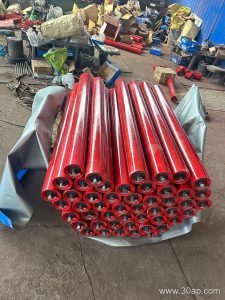
A Ø63.5 conveyor idler is a small-diameter carrying or return roller used in light to medium-duty belt conveyors. The number refers to the outside diameter of the roller shell, roughly 63.5 mm, which sits between the smaller Ø63 and the more common Ø76 sizes. Because the roller is compact and relatively light, it suits narrow belts and installations where space under the belt line is limited. In practice, this idler roller is often chosen for auxiliary conveyors, small transfer belts, and low-capacity lines in a sand and gravel plant, a concrete mixing station, or a tunnel muck removal system.
How the Roller Is Built
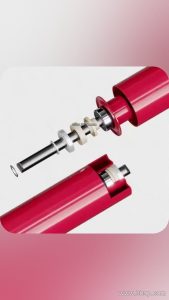
The typical construction is straightforward. A steel tube forms the shell, with a shaft running through the center and bearing housings pressed into each end. Seals protect the bearings from dust and moisture, which matters in crushing and screening areas where fine grit is constant. Common bearing sizes for small rollers include 6204 and 6205, though the exact bearing is set by the idler manufacturer and the load case rather than by the 63.5 mm diameter alone.
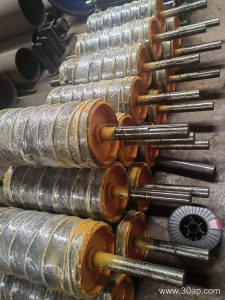
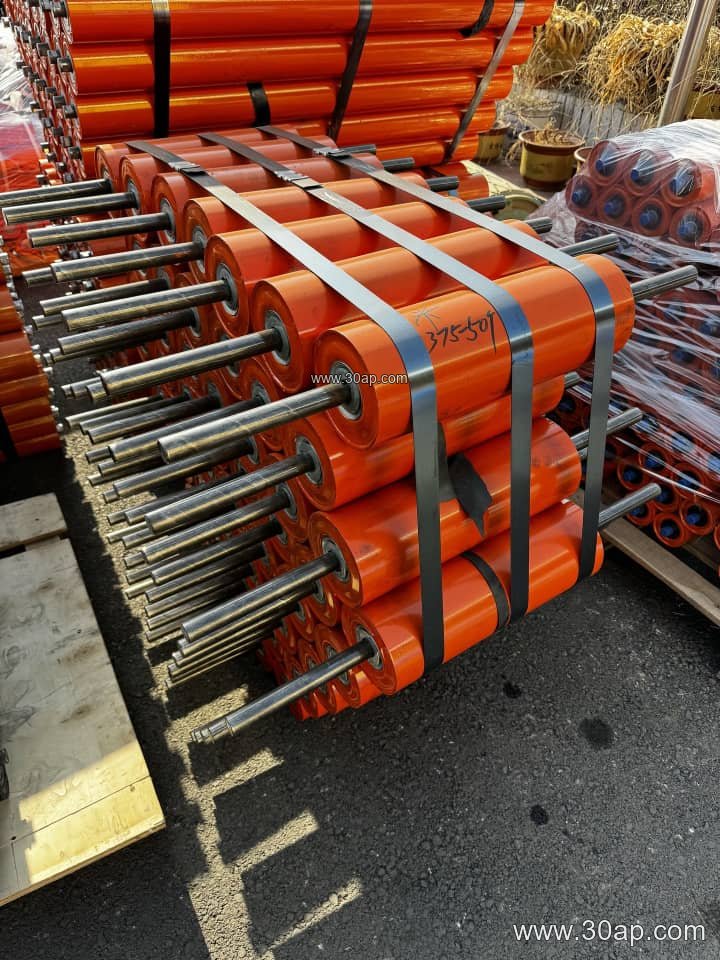
The roller surface can be plain steel, nylon-coated, or fitted with rubber rings for impact absorption. For a small diameter like this, rubber-ring versions are sometimes used at loading points where lumps fall onto the belt. The shaft ends locate in a conveyor bracket or frame, and the whole assembly is normally supplied as a single sealed unit that can be swapped out quickly.
Where the Size Fits in a Conveyor
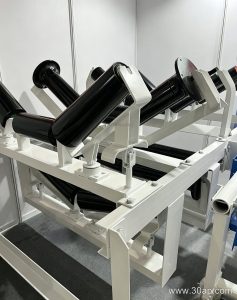
Diameter and belt width are related but not locked together. A Ø63.5 idler can appear on belts around B500 to B800, and in three-roll trough sets the roll length usually follows the belt width and trough angle. For reference, common roll lengths in three-roll troughing sets are roughly 200 mm for B500, 250 mm for B650, and 315 mm for B800, but side rolls and center rolls can differ and the final figure is set by design.
- Troughing sets at 20, 30, or 35 degrees for carrying bulk material
- Flat return idlers supporting the empty belt
- Impact positions with rubber rings under a loading chute
- Short transfer and feeder belts in a cement plant or power plant coal handling line
The roller works together with the conveyor belt, the conveyor pulley at the head and tail, and the frame brackets. It does not replace a drive pulley, tail pulley, or bend pulley; those are separate components with different duties.
Typical Applications
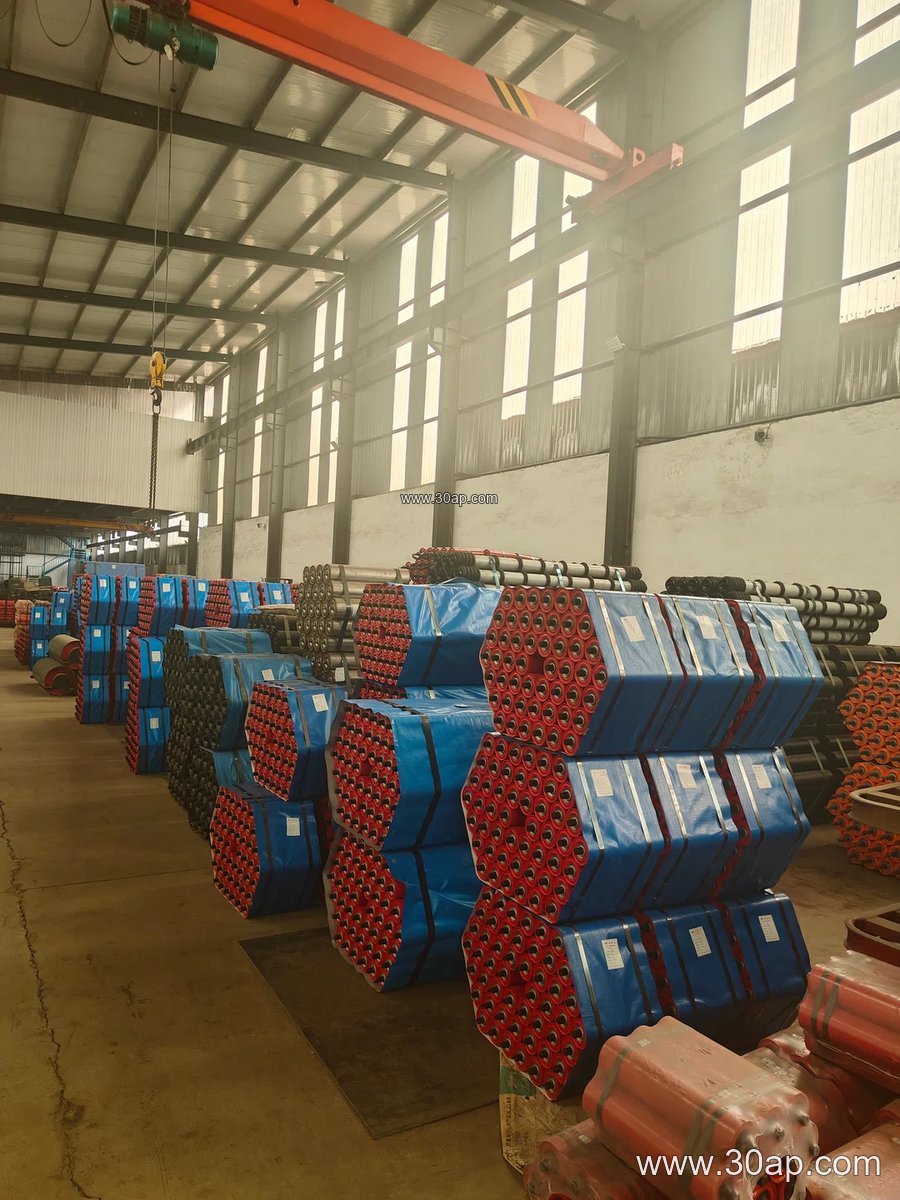
Small-diameter idlers are common on belts moving aggregate, sand, cement, and similar bulk material at modest tonnage. A quarry conveyor handling crushed stone, a batching plant feeding aggregates, or a fertilizer plant moving granular product may all use this size. Where the belt carries a Fabric Core Conveyor Belt or a light EP Conveyor Belt, the lower rotating mass of a 63.5 mm roller can be an advantage on short centers. In dusty or wet conditions, sealed versions are preferred, and in cold climates the seal and grease choice matter more than the diameter.
Specification Reference
| Item | Common Reference |
|---|---|
| Outside diameter | Ø63.5 mm |
| Belt width range | B500 to B800 (typical, not fixed) |
| Trough angle | 20°, 30°, 35° |
| Roll length, three-roll set | About 200 mm (B500), 250 mm (B650), 315 mm (B800) |
| Bearing options | 6204, 6205 (per design) |
| Shell material | Steel tube, nylon, rubber rings |
| Set types | Single roll, two-roll, three-roll trough |
These values are reference data. Actual roll length, shaft size, and bearing selection depend on the conveyor design, load, and speed.
What Buyers Should Check
Before ordering, confirm the shaft diameter and the mounting method, since two idlers with the same 63.5 mm shell can have different shaft ends. Check the seal type for the site: a wash-down area needs better protection than a dry transfer point. Confirm the roll length matches the frame and trough angle, and ask whether the roller is supplied with or without the bracket. For abrasive duties, a thicker shell or a nylon surface may extend service life. Also verify rotation freedom and grease type, especially in a coal mining conveyor or an underground installation where maintenance access is limited.
Matching the idler to the belt matters as much as the diameter. A heavy Steel Cord Conveyor Belt on a long overland line will normally use larger rollers, while a compact Ø63.5 idler fits the lighter end of the range. Buyers comparing options should treat the size as one part of the conveyor layout, not as a universal rule.