What a Take-Up Wheel Pulley Does
A take-up wheel pulley is a specialized conveyor pulley that maintains proper belt tension in a conveyor system. Often referred to as a tension pulley or take-up pulley, it moves along a guided frame to compensate for belt stretch and load variations. This keeps the conveyor belt in firm contact with the drive pulley, preventing slippage and reducing material spillage. In quarry conveyors, coal mining operations, and aggregate plants, a well-designed take-up wheel pulley is essential for stable, continuous material flow.
Construction and Key Components
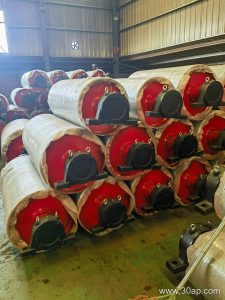
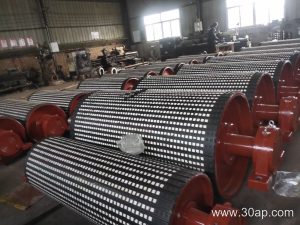
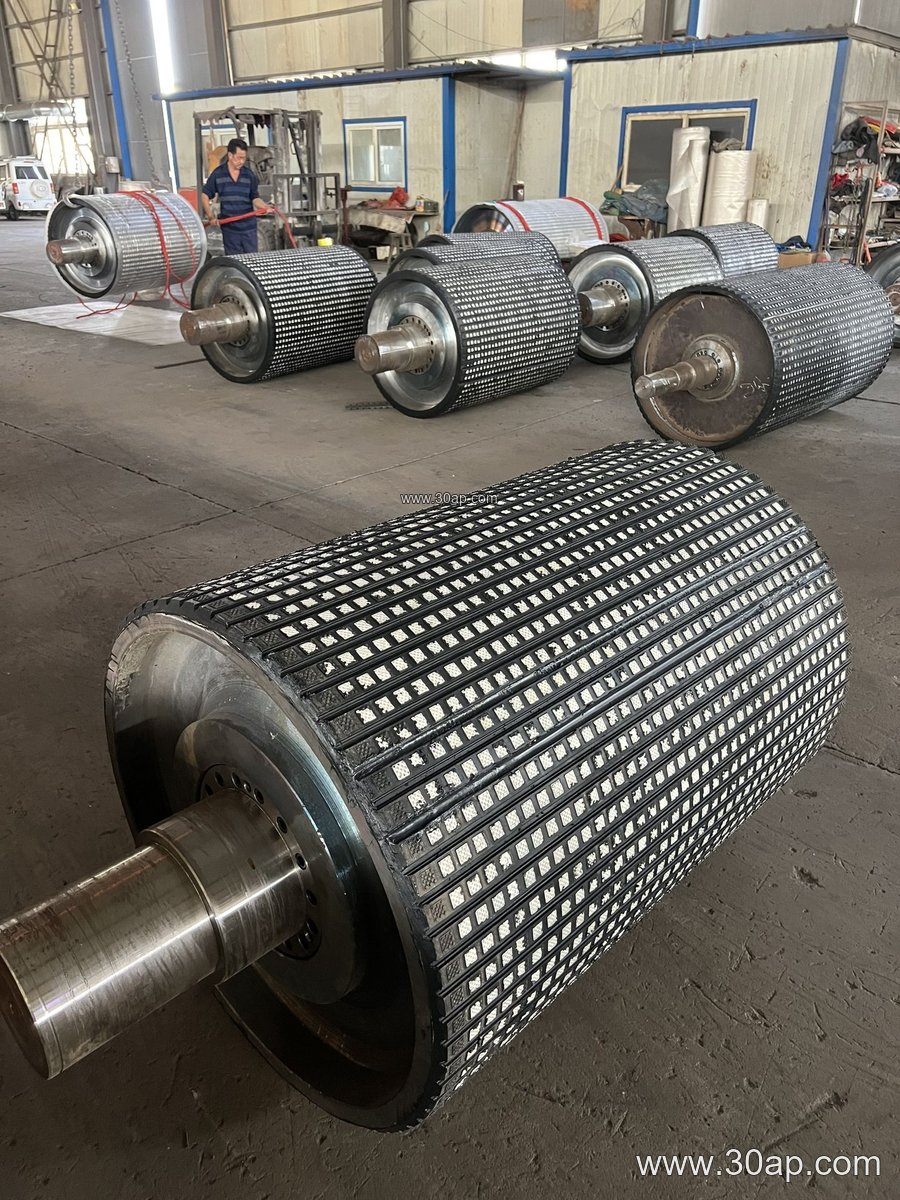
The pulley typically consists of a cylindrical shell, end discs, a shaft, and bearing housings. The shell may be smooth or covered with rubber lagging to improve traction and protect the belt. Common surface forms include plain, diamond grooved, and ceramic lagging, with lagging thicknesses often ranging from 8 mm to 20 mm. The shaft diameter is determined by torque and load requirements, not simply by belt width. Common shaft sizes include Ø50, Ø80, Ø120, and Ø160, among others. The pulley is mounted in a sliding carriage or on a pivoted arm, allowing controlled movement to take up slack.
Where It Fits in a Conveyor System
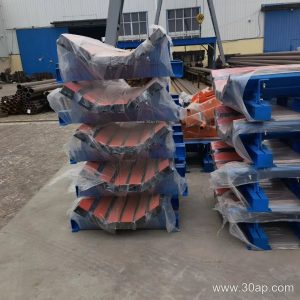
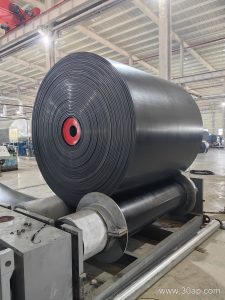
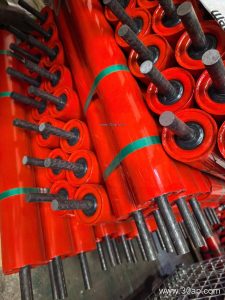
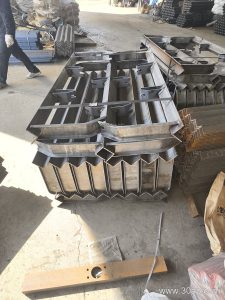
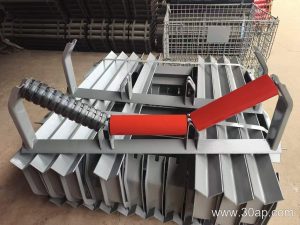
Take-up wheel pulleys are usually located near the tail end or in a dedicated take-up section. They work in coordination with the conveyor belt, idler rollers, and conveyor brackets to maintain alignment and tension. In mining and cement plants, these pulleys help accommodate heavy loads and frequent starts and stops. For example, a B1200 conveyor belt might use a take-up pulley with a Ø1000 shell, but the exact combination depends on the overall system design. The pulley must be sized to handle the belt width and the expected tension, with shell widths typically slightly wider than the belt, such as 1400 mm for a 1200 mm belt.
Applications Across Industries
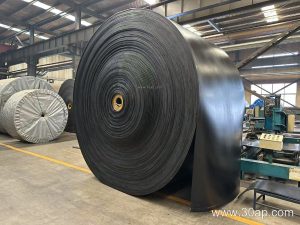
You will find take-up wheel pulleys in a variety of bulk material handling operations. In coal mining, they help manage the tension of flame retardant conveyor belts and steel cord conveyor belts. In power plants, they support coal conveyor belts that feed boilers. Aggregate operations use them with abrasion resistant conveyor belts to handle crushed rock and sand. The pulley also plays a role in port conveyor belts and ship loading systems, where precise tension control is critical for efficient loading. Whether the belt is an EP conveyor belt, NN conveyor belt, or a heavy-duty mining conveyor belt, the take-up pulley ensures reliable operation.
Selection and Sizing Considerations
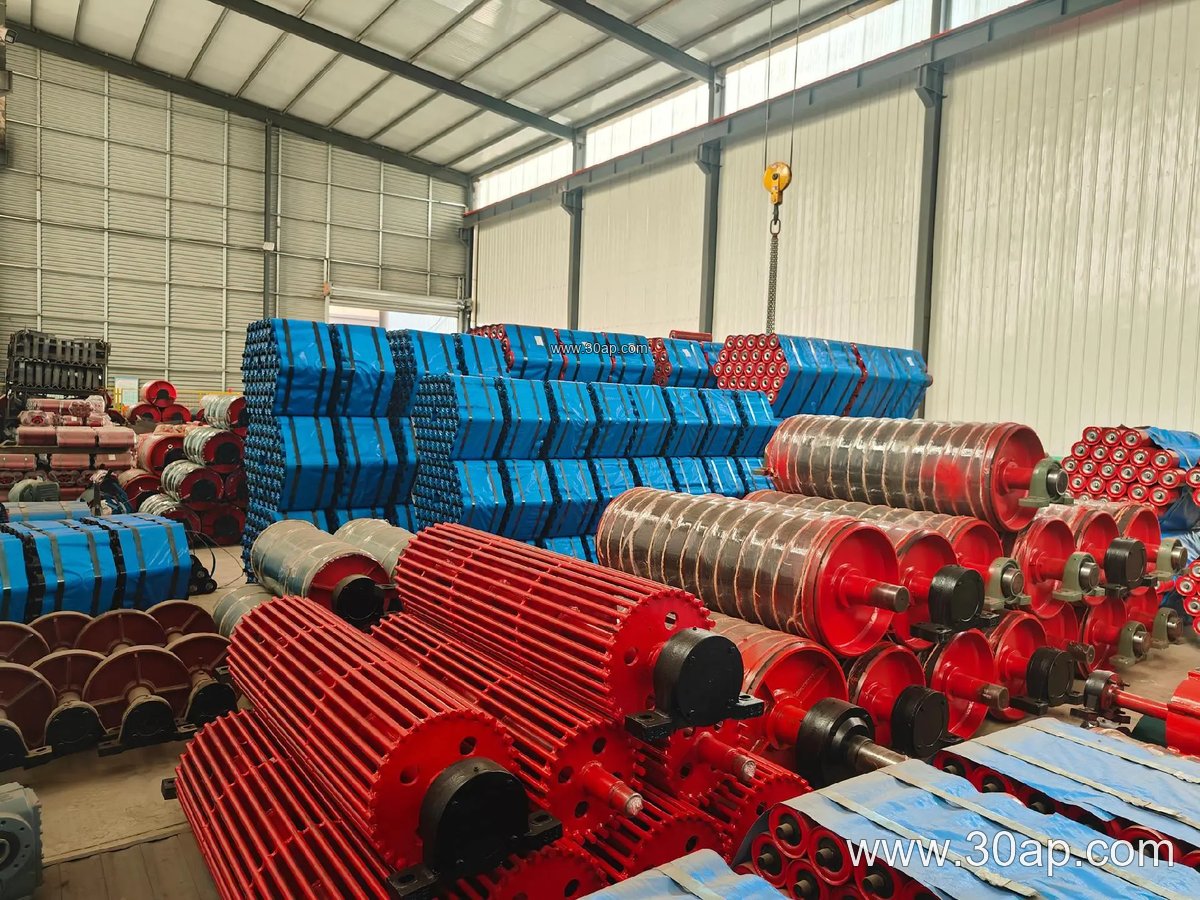
When choosing a take-up wheel pulley, consider the belt width, the required take-up travel, and the environmental conditions. The pulley diameter should be large enough to avoid excessive belt bending stress, but there is no fixed rule that one belt width matches only one diameter. For instance, a B800 belt might work with a Ø500 pulley in some systems, while a B1400 belt could use a Ø800 pulley. Bearing selection, shaft size, and lagging type should be matched to the load and duty cycle. In dusty or wet environments, sealed bearings and corrosion-resistant lagging are advisable. Always consult the conveyor design to determine the optimal take-up pulley specifications.
Maintenance Tips for Long Service Life
Regular inspection of the take-up wheel pulley helps prevent unplanned downtime. Check the lagging for wear or damage, and replace it if the surface becomes smooth or uneven. Lubricate bearings according to the manufacturer’s schedule, and ensure the sliding mechanism moves freely. Keep the pulley aligned with the belt to avoid edge damage. In harsh conditions, such as those found in quarries or cement plants, more frequent checks may be needed. Pairing the pulley with quality components like a rubber conveyor belt and well-maintained idler rollers will further extend service life.