What Is a Q355 Conveyor Bracket?
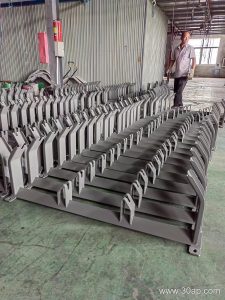
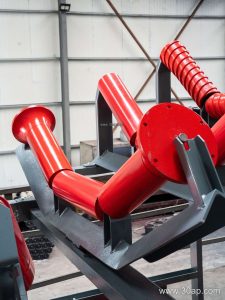
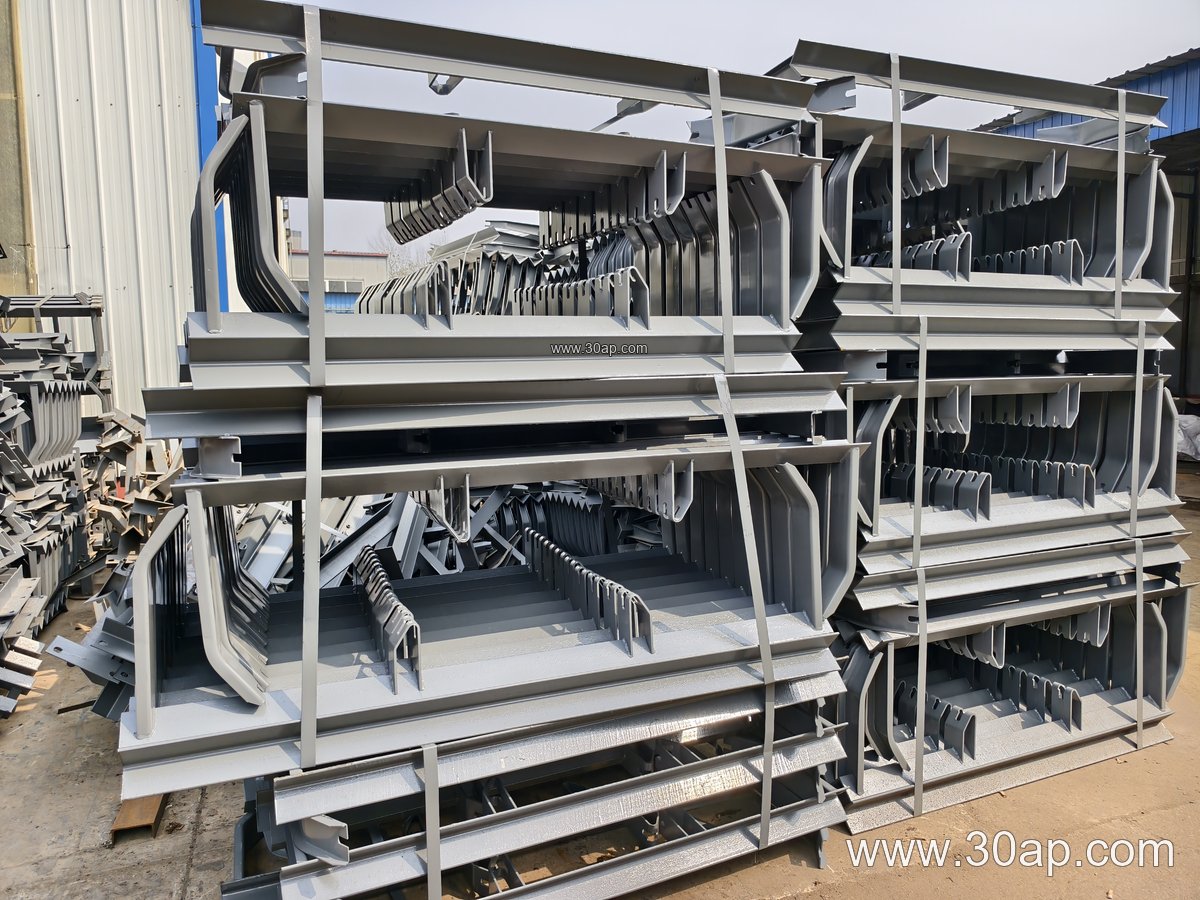
A Q355 conveyor bracket is a structural component that supports idler rollers and helps maintain the correct belt profile on a conveyor system. Made from Q355 steel – a common low-alloy, high-strength structural steel – this bracket provides reliable load-bearing capacity in demanding environments such as coal mines, cement plants, power station coal yards, and aggregate quarries. Also called a Q355 belt conveyor bracket, it is typically fabricated from angle steel, channel steel, or folded steel plate, and is designed to hold conveyor idlers at the required trough angle or return position.
Construction and Key Features
The Q355 conveyor bracket is built for strength and longevity. The material grade Q355 offers a minimum yield strength of around 355 MPa, making it suitable for heavy-duty applications where standard carbon steel might deform. Common manufacturing methods include cutting, bending, drilling, and welding, followed by surface treatment such as painting or galvanizing to resist corrosion.
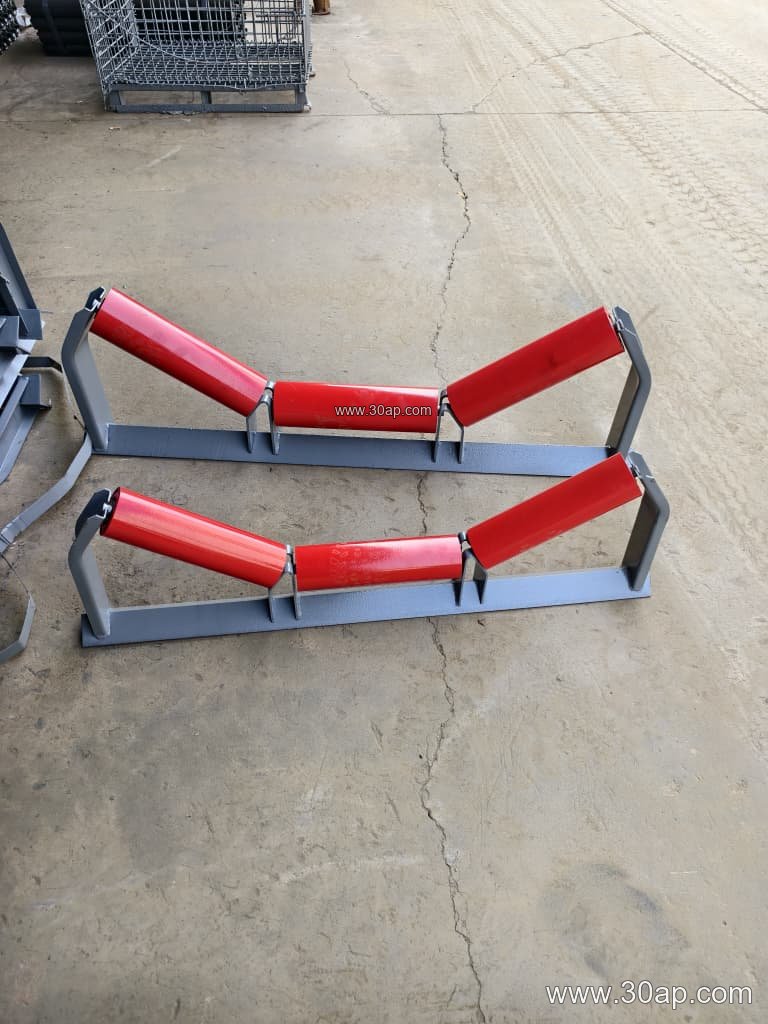
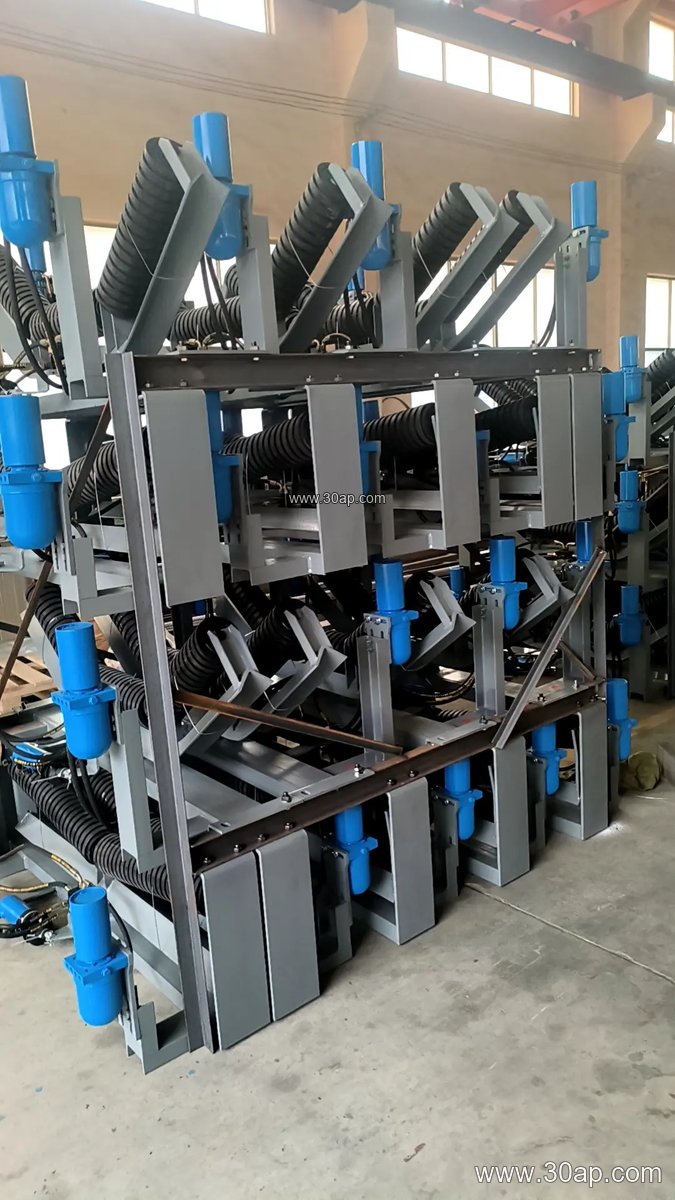
Brackets come in several forms to suit different positions along the conveyor:
- Troughing bracket (carrying side): supports three idlers at a trough angle, typically 20°, 30°, 35°, or 45°.
- Return bracket (return side): supports flat or V-return idlers.
- Impact bracket: reinforced to absorb shock at loading points, often used with impact idlers.
- Transition bracket: aids the belt’s transition from flat to troughed profile near pulleys.
- Self-aligning bracket: allows idlers to pivot slightly to correct belt tracking.
- Adjustable bracket: permits on-site adjustment of trough angle to optimize belt contact.
These brackets are commonly matched with idler rollers of diameters such as Ø89, Ø108, Ø133, Ø159, or Ø194 mm, depending on belt width and load requirements. Belt widths from B500 to B2200 are supported by appropriately sized brackets – for example, a B800 belt might use a 35° troughing bracket with Ø108 idlers, while a B1200 system could employ a 45° bracket with Ø133 rollers. Installation hole spacing and beam length vary with belt width and trough angle; these are determined by design, not fixed values.
Where Q355 Conveyor Brackets Are Used
Thanks to their strength and durability, Q355 conveyor brackets are found in a wide range of bulk material handling operations. In coal mining, both underground and surface, they support conveyor belts that transport coal from the face to processing plants. In cement plants, they carry limestone, clinker, and additives across long distances. Power stations rely on them in coal handling systems, while quarries and sand and gravel lines use them to move crushed stone and aggregate. Other applications include steel mills (sinter and pellet handling), port loading facilities, and fertilizer or grain silos.
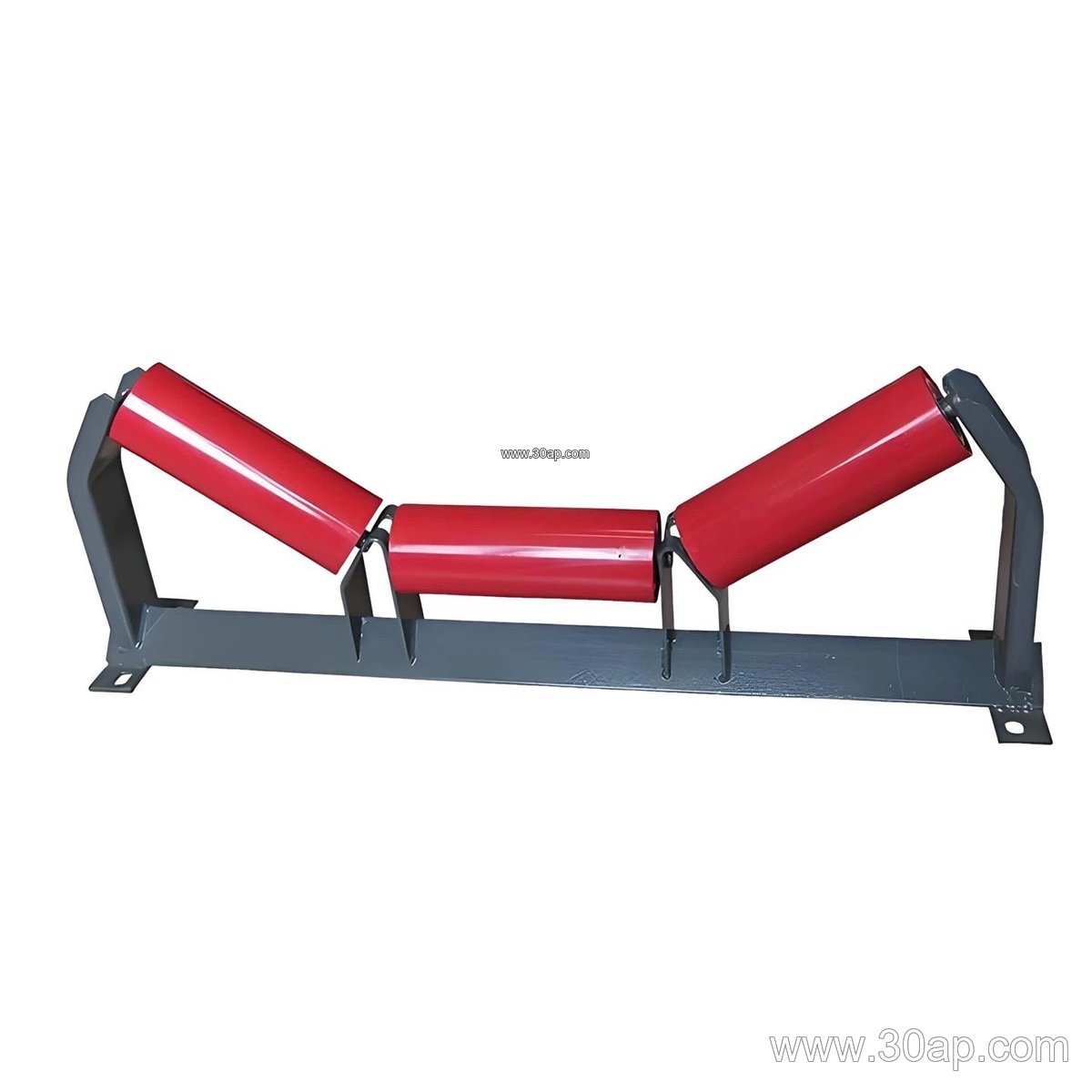
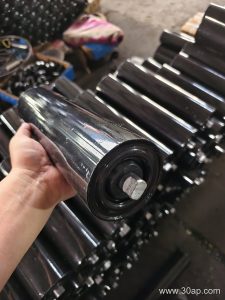
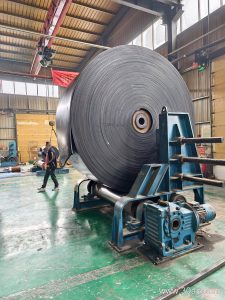
The bracket works in tandem with other conveyor components: the conveyor belt (such as EP conveyor belt, steel cord conveyor belt, or heat resistant conveyor belt) rides on idler rollers, which are held in place by the brackets. Proper alignment of brackets ensures smooth belt travel, reduces wear, and extends the service life of the entire system.
Selection and Maintenance Tips
When choosing a Q355 conveyor bracket, consider the belt width, trough angle, idler diameter, and the specific load conditions. Adjustable brackets offer flexibility if the conveyor handles varied materials or if future modifications are likely. For high-impact areas, impact brackets with reinforced construction are recommended. Regular inspection of brackets for deformation, loose bolts, or corrosion is essential – especially in wet or corrosive environments. Replacing damaged brackets promptly prevents idler misalignment, belt edge damage, and costly downtime.
For reliable conveyor performance, match Q355 brackets with quality idler rollers and a suitable conveyor belt for the application. Whether you operate a coal mine, a cement plant, or a quarry, investing in properly specified brackets pays off in reduced maintenance and longer equipment life.