What a Building Materials Conveyor Pulley Does
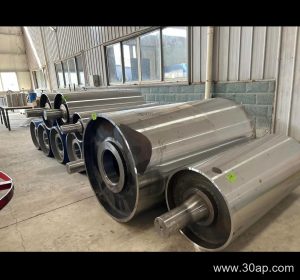
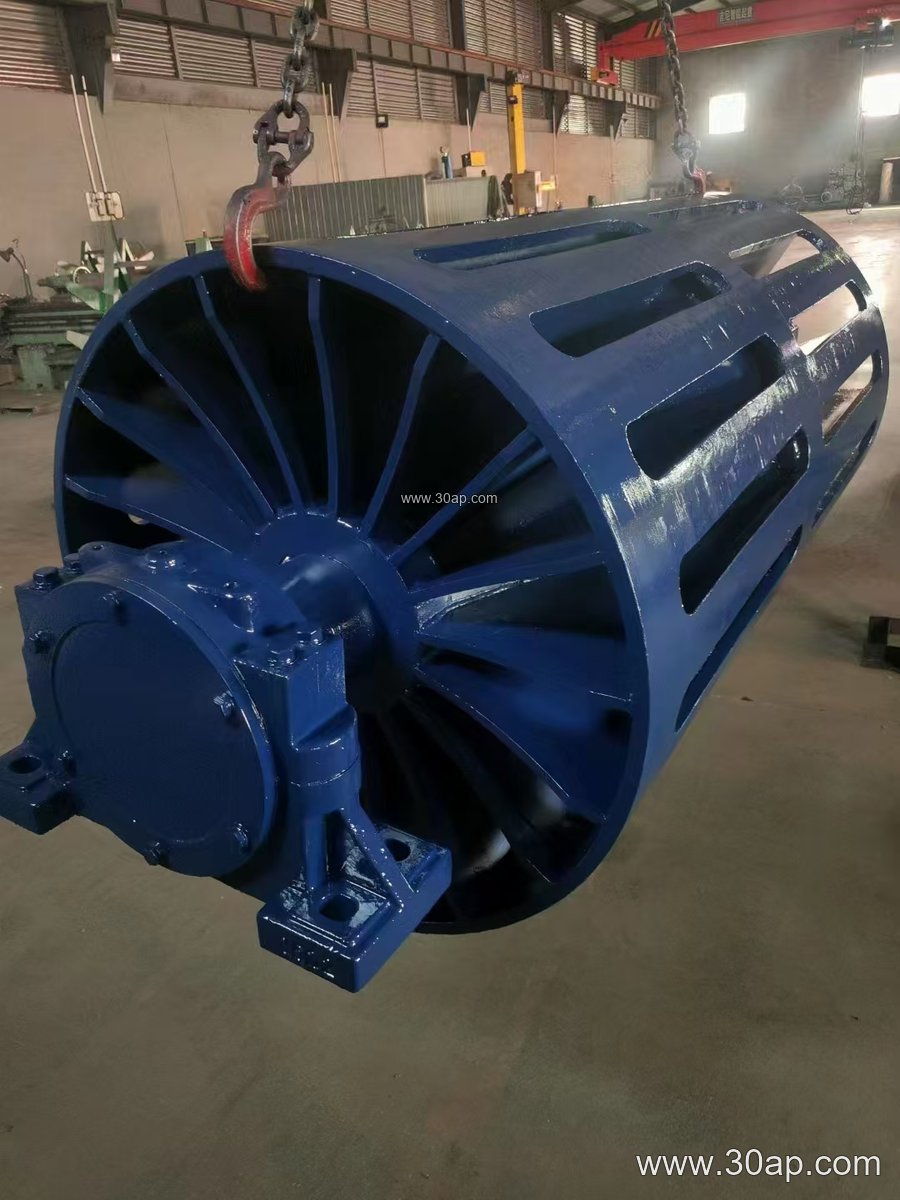
A building materials conveyor pulley is the cylindrical component that drives or guides the conveyor belt in quarries, cement plants, power plants, and aggregate yards. It transfers motion to the belt and maintains tension, making it essential for moving crushed stone, clinker, coal, and sand. Unlike an idler roller that supports the belt, the pulley is a powered or tensioning element. The term covers several positions, but this article focuses on the general building materials conveyor pulley as a complete assembly.
Construction and Surface Options
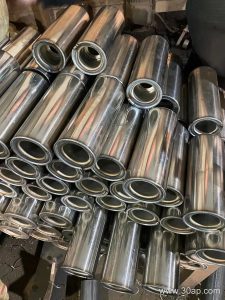
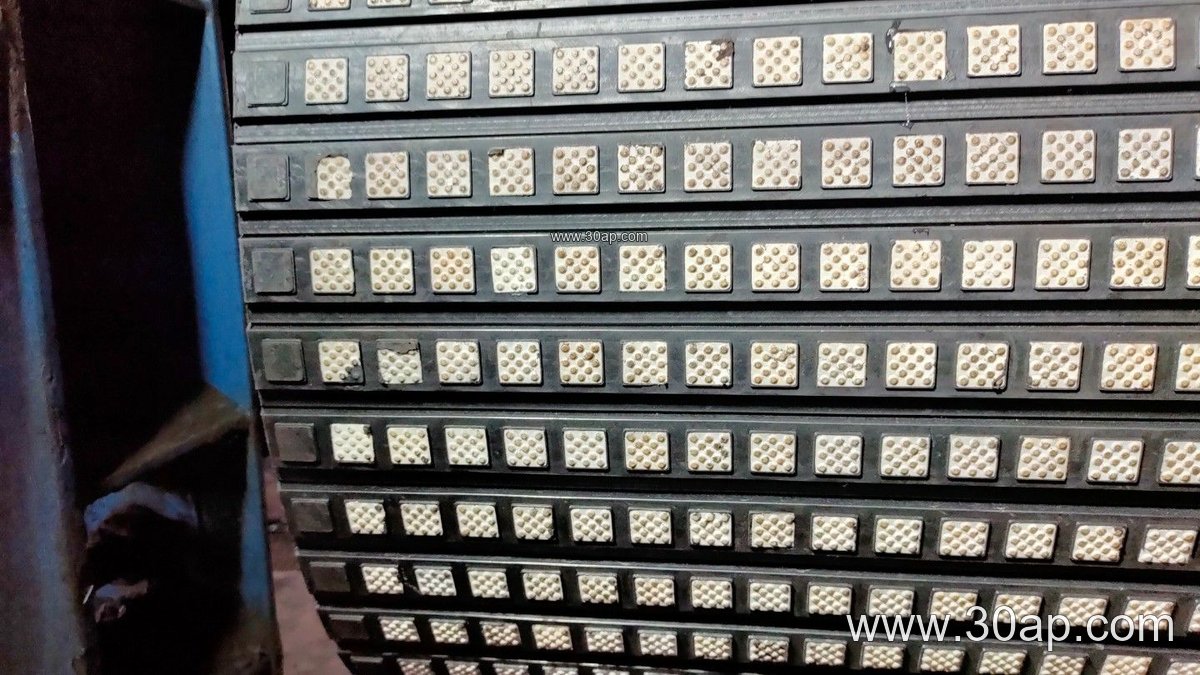
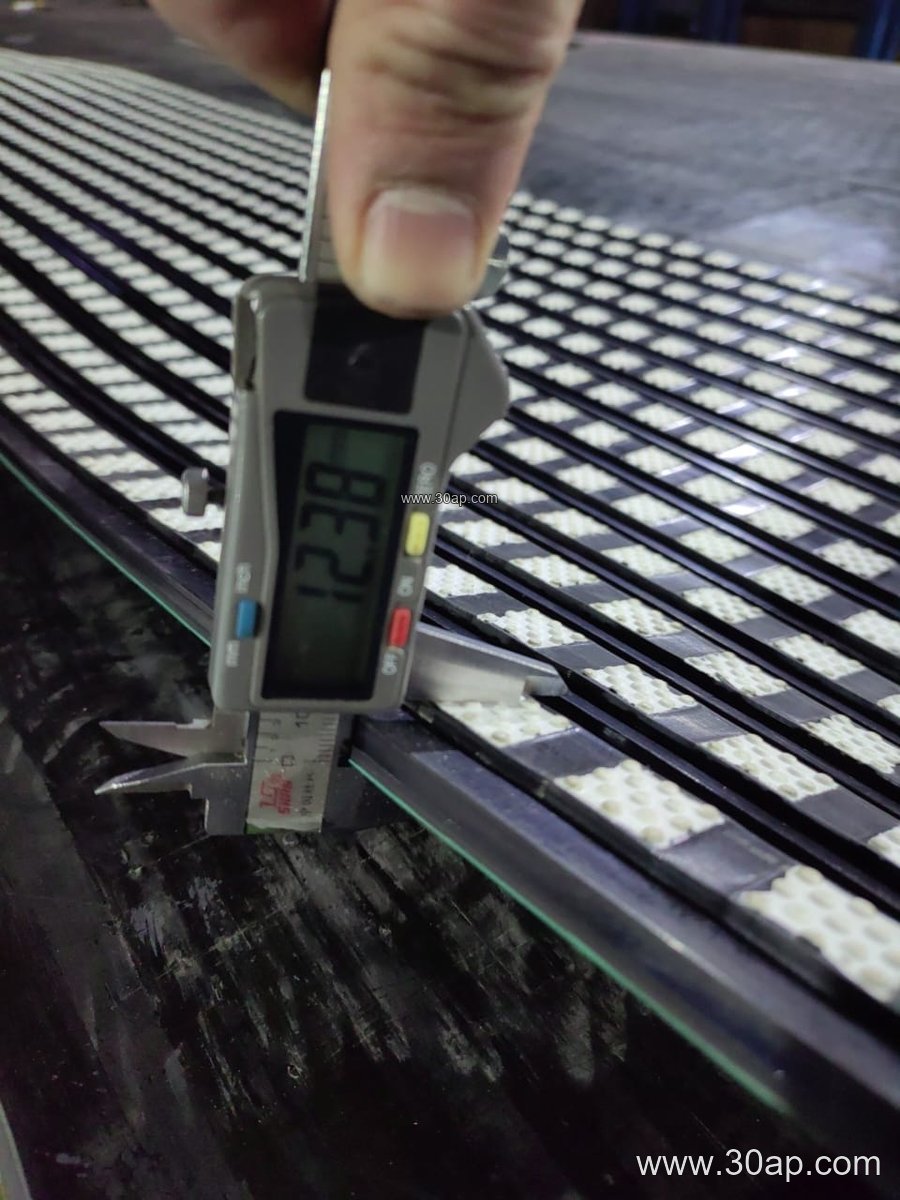
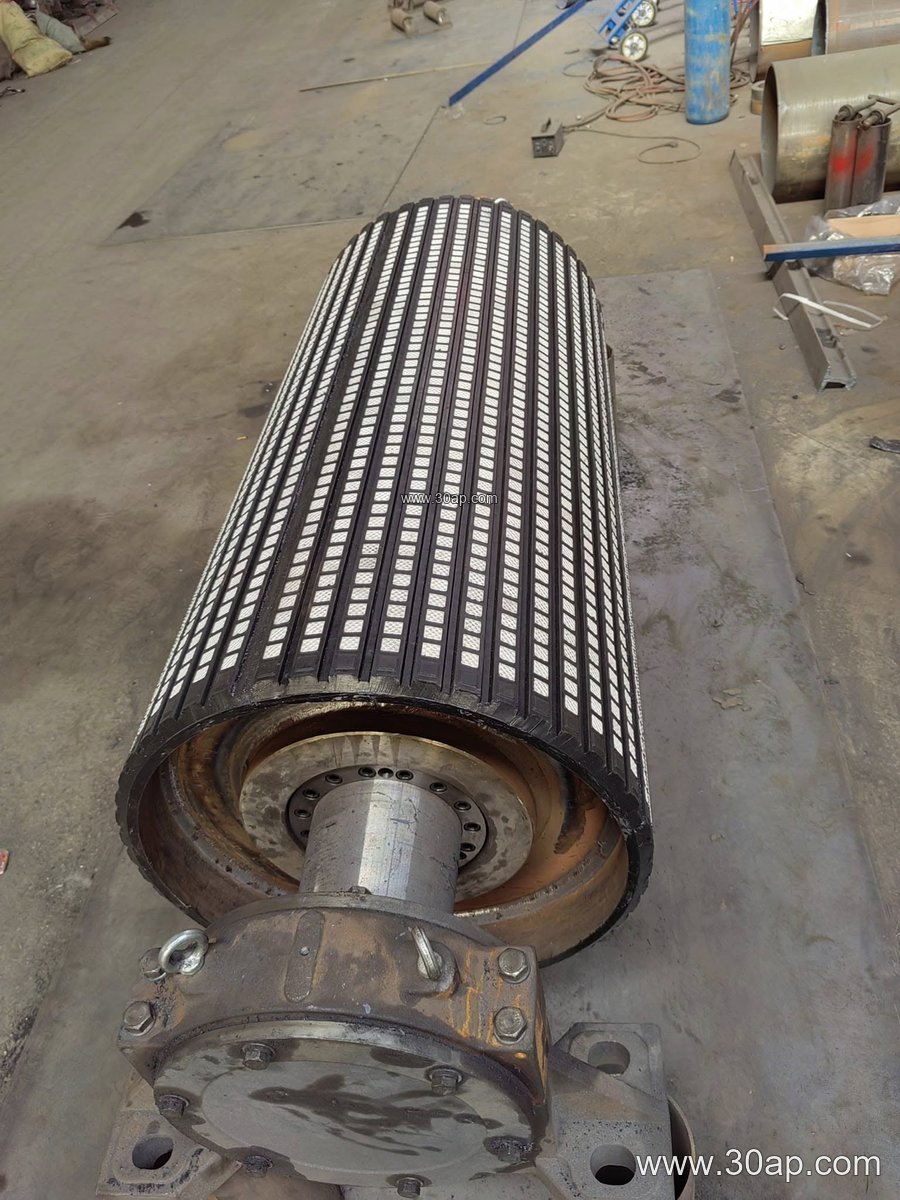
These pulleys are built with a steel shell, shaft, and end discs. The surface can be plain, lagged with rubber, or ceramic-lined to improve grip. Common lagging thicknesses include 8, 10, 12, 15, and 20 mm. For abrasive building materials, diamond or herringbone grooving helps shed material. The pulley face width is usually wider than the belt; for example, a B800 belt often pairs with a 950 mm face, and a B1200 belt with a 1400 mm face. Diameters range from Ø200 to Ø1800, and shaft diameters from Ø50 to Ø200, selected by torque and load rather than belt width alone.
Where It Fits in the Plant
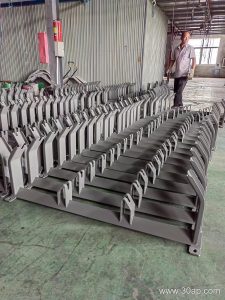
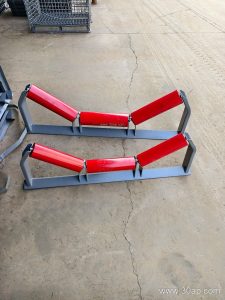
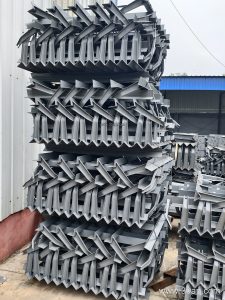
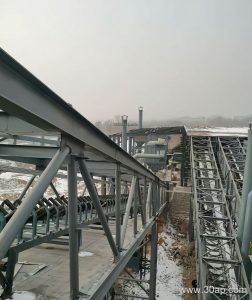
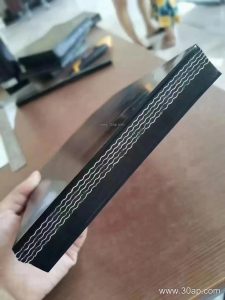
In a limestone quarry, a building materials conveyor pulley at the head drives the belt while a tail pulley maintains tension. In a cement plant, heat-resistant belts and lagged pulleys handle clinker. Power plants use them in coal handling systems, often with flame-retardant belts. The pulley works with a conveyor belt, idler rollers, and conveyor brackets to form a reliable line. For example, an EP conveyor belt or steel cord conveyor belt may run over a Ø800 pulley in a primary crushing circuit.
Key Parameters to Check
Buyers should confirm belt width, pulley diameter, face width, shaft diameter, lagging type, and bearing size. The table below shows common combinations, but these are examples, not fixed rules.
| Belt Width (mm) | Typical Face Width (mm) | Example Pulley Diameter (mm) |
|---|---|---|
| B500 | 600 | Ø250 |
| B650 | 750 | Ø315 |
| B800 | 950 | Ø400 |
| B1000 | 1150 | Ø500 |
| B1200 | 1400 | Ø630 |
| B1400 | 1600 | Ø800 |
| B1600 | 1800 | Ø1000 |
Shaft diameter is determined by the torque and radial load, not by belt width. For a B1200 conveyor with a Ø1000 pulley, the shaft might be Ø120 or Ø140, but this must be calculated. Always specify the application and load conditions.
Selection Tips for Building Materials
Match the pulley surface to the material. For wet or muddy conditions, use diamond lagging. For high abrasion, ceramic lagging extends life. Ensure the pulley diameter is large enough to reduce belt bending stress, especially with thick or stiff belts such as steel cord conveyor belt. In dusty environments like a sand and gravel plant, sealed bearings and proper drainage help. Remember that drive, tail, and bend pulleys are not interchangeable; each has a specific role. A bend pulley only changes direction, while a drive pulley transmits power.
Maintenance and Compatibility
Regularly check lagging wear, bearing condition, and shaft alignment. A worn pulley can damage the conveyor belt and cause tracking issues. Keep idler rollers and brackets aligned to avoid uneven load. When replacing a pulley, verify the shaft diameter and keyway match the original design. For harsh industries such as iron ore or copper ore, consider a heavy-duty building materials conveyor pulley with thicker lagging and larger shaft. Always consult the conveyor design for correct sizing.