What the NN200 Conveyor Belt Is
The NN200 Conveyor Belt is a fabric-core rubber belt built on nylon (NN) canvas plies. In the naming convention used by belt makers, NN200 indicates a nominal tensile strength of 200 N/mm per ply, so a multi-ply construction multiplies that figure across the carcass. It belongs to the broader family of fabric core conveyor belts and sits between lighter NN100 grades and heavier NN300 or NN400 constructions. Buyers comparing it with an EP Conveyor Belt will find the two share a similar role, but nylon canvas offers high elongation under load and strong resistance to fatigue, while polyester-nylon carcasses tend to hold length more firmly.
The belt is not a substitute for a steel cord conveyor belt. Where a steel cord conveyor belt handles very long center distances and extreme tensions, the NN200 Conveyor Belt is usually chosen for medium-duty main hauls, transfer lines and yard conveyors where flexibility and troughability matter.
Construction and Typical Build
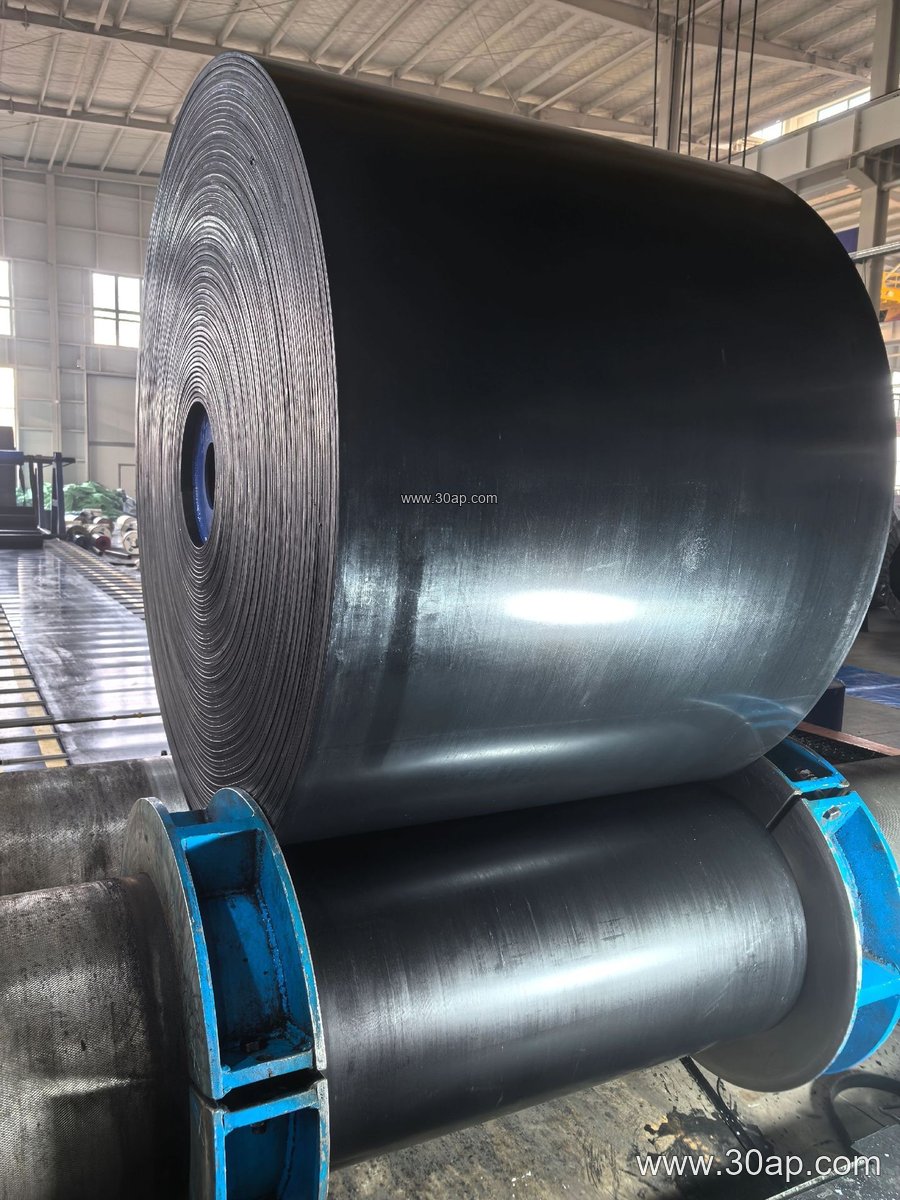
The carcass usually contains 2 to 6 nylon fabric plies, bonded with rubber skim compounds and protected by top and bottom cover rubber. Cover thickness is stated as a pair, for example 3+1.5 mm or 5+2 mm. Heavier covers such as 6+2 or 8+3 mm are used where abrasion or impact is severe. Edge construction, whether cut edge or molded edge, affects how the belt tracks and how well it resists fraying at the edges.
- Carcass: nylon canvas plies, normally 2 to 6 layers
- Cover grades: abrasion resistant, flame retardant, heat resistant, oil resistant, cold resistant, anti-static
- Surface options: plain, chevron or other patterned top covers where incline grip is needed
- Widths: commonly from B500 to B2000, with B800, B1000 and B1200 among the most requested
- Nominal strength: NN200 per ply, with total belt strength set by ply count and design
These are reference ranges, not fixed combinations. A 1000mm wide NN200 Conveyor Belt may run on quite different pulley diameters from one plant to another, because the pulley size depends on load, ply count and the conveyor designer’s calculation, not on belt width alone.
Where It Fits in the Plant
Mining, coal preparation, cement works, power stations, quarries and sand and gravel yards all use nylon ply belts for primary and secondary conveying. A crusher conveyor belt feeding a screen deck often needs impact tolerance near the loading point, so a thicker top cover and closer idler roller spacing help. In a cement plant, the same belt may carry clinker, limestone or raw meal along inclined galleries. In a coal mining conveyor line, flame retardant and anti-static covers are frequently specified for underground mining conveyor belts.
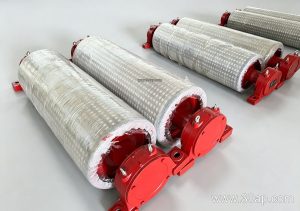
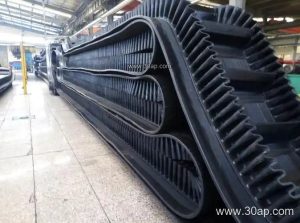
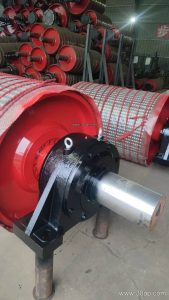
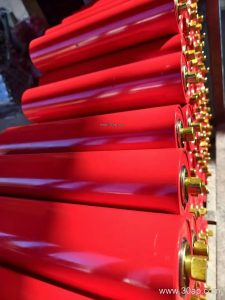
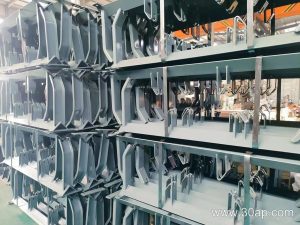
The belt works with conveyor pulleys at the drive, tail and bend positions, each with its own function, plus idler rollers and conveyor brackets that support the loaded strand. Correct alignment of these components protects the carcass from edge damage and mistracking. Where the route climbs steeply, a chevron conveyor belt or corrugated sidewall conveyor belt may be a better answer than a plain NN200 belt, and where fine dusty material must be enclosed, a pipe conveyor belt can be considered. Those are different belt types, not variants of the NN200 itself.
Specification Points Worth Checking
| Item | Common reference | Note |
|---|---|---|
| Strength grade | NN200 | 200 N/mm per ply nominal |
| Ply count | 2 to 6 | Selected by tension calculation |
| Belt width | B500 to B2000 | B650, B800, B1000, B1200, B1400, B1600, B1800 also common |
| Cover thickness | 3+1.5, 4+2, 5+2, 6+2, 8+3 mm | Top and bottom cover pair |
| Cover grade | Abrasion, heat, oil, flame, cold, anti-static | Match to the material and environment |
Ask for the actual test data rather than relying on the grade label. Elongation at break, adhesion between plies and cover, and cover hardness all influence service life. For hot clinker or sinter, a heat resistant conveyor belt grade is needed; for oily scrap or recycled material, an oil resistant cover is advisable; for cold outdoor yards, a cold resistant compound reduces cracking.
Selection and Maintenance Notes
Match the belt to the duty, not to habit. Calculate the working tension, check the minimum pulley diameters recommended for the chosen ply count, and confirm the take-up travel because nylon carcass stretches more than polyester under start-up load. Keep skirt rubber, chute liners and belt cleaners from pressing too hard on the cover. Inspect splices, edges and cover wear at regular intervals, and check that idler rollers turn freely so the belt is not dragged over a seized roller.
For a full quotation, state the material, lump size, capacity, incline, ambient temperature, belt width and required cover grade. That detail lets a supplier recommend the right NN Conveyor Belt build, whether a standard two-ply light duty unit or a heavier multi-ply belt for an ore or aggregate duty.