Conveyor Bracket Fundamentals for Industrial Buyers
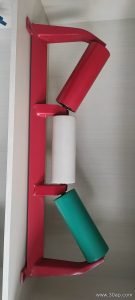
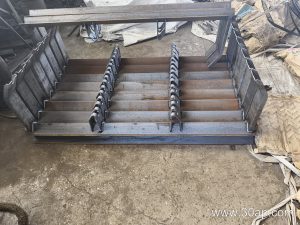
The conveyor bracket is the critical interface between your conveyor structure and its moving components. It holds idlers, rollers, and pulleys in precise alignment, absorbing shock and vibration. A poorly chosen bracket causes belt misalignment, premature wear, and costly downtime.
Key Selection Criteria
- Material grade: Choose hot-dipped galvanized steel for corrosive environments, or stainless steel for food-grade and washdown systems.
- Load rating: Match bracket capacity to your belt width, speed, and material density—never undersize for peak surge loads.
- Adjustability: Slotted bolt holes allow fine-tuning of idler tilt for proper belt tracking.
Purchasing Advice
Always verify bracket flange dimensions and bolt spacing against your existing stringer holes. Request samples before bulk order. Check that the bracket’s weld seams are fully penetrated to avoid fatigue cracking under continuous operation. Also inquire about powder-coated options for extended outdoor lifespan.
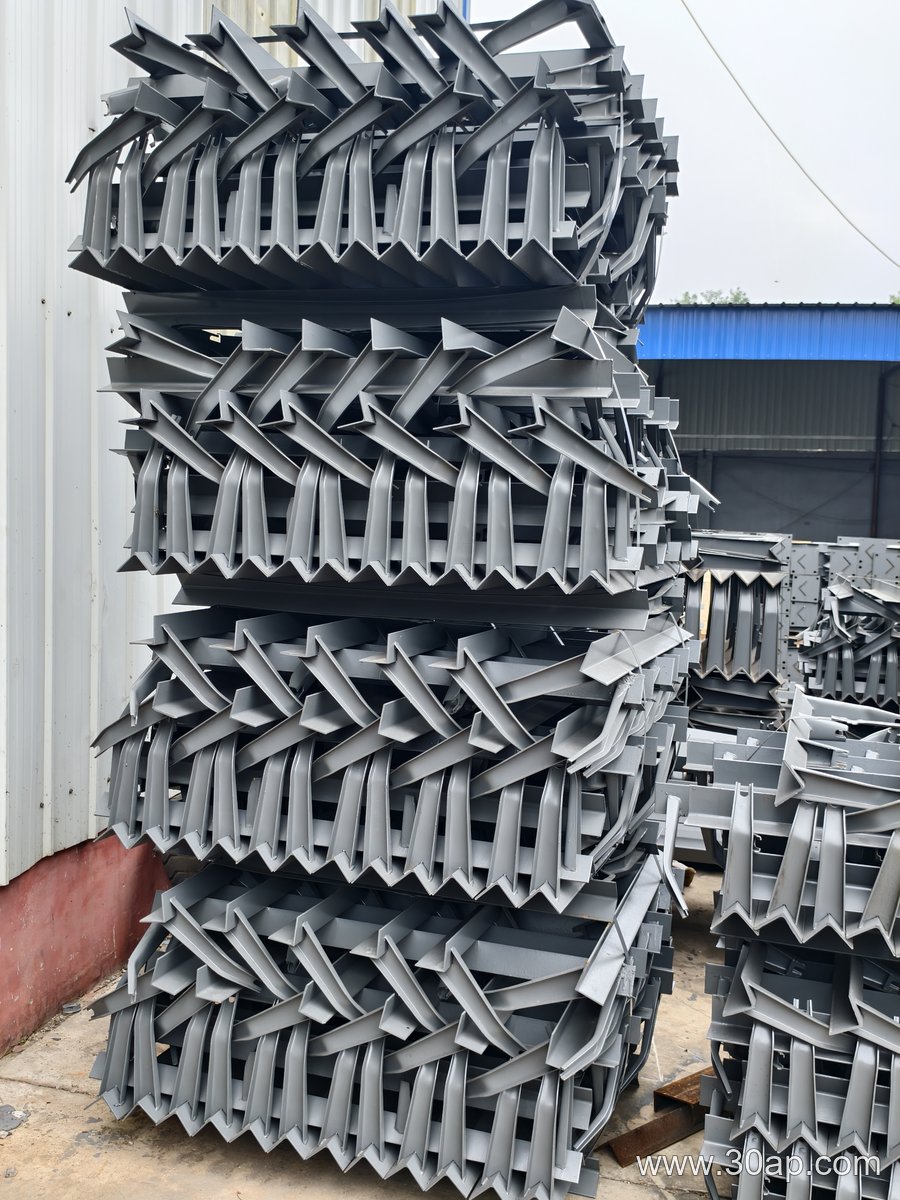
For replacement, measure the center distance between mounting holes and the bracket’s vertical drop to ensure a direct retrofit. Reliable suppliers provide dimension drawings and load test certificates—demand them.
Why the Conveyor Belt Remains the Backbone of Modern Industry
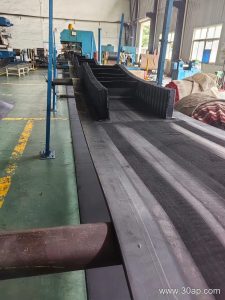
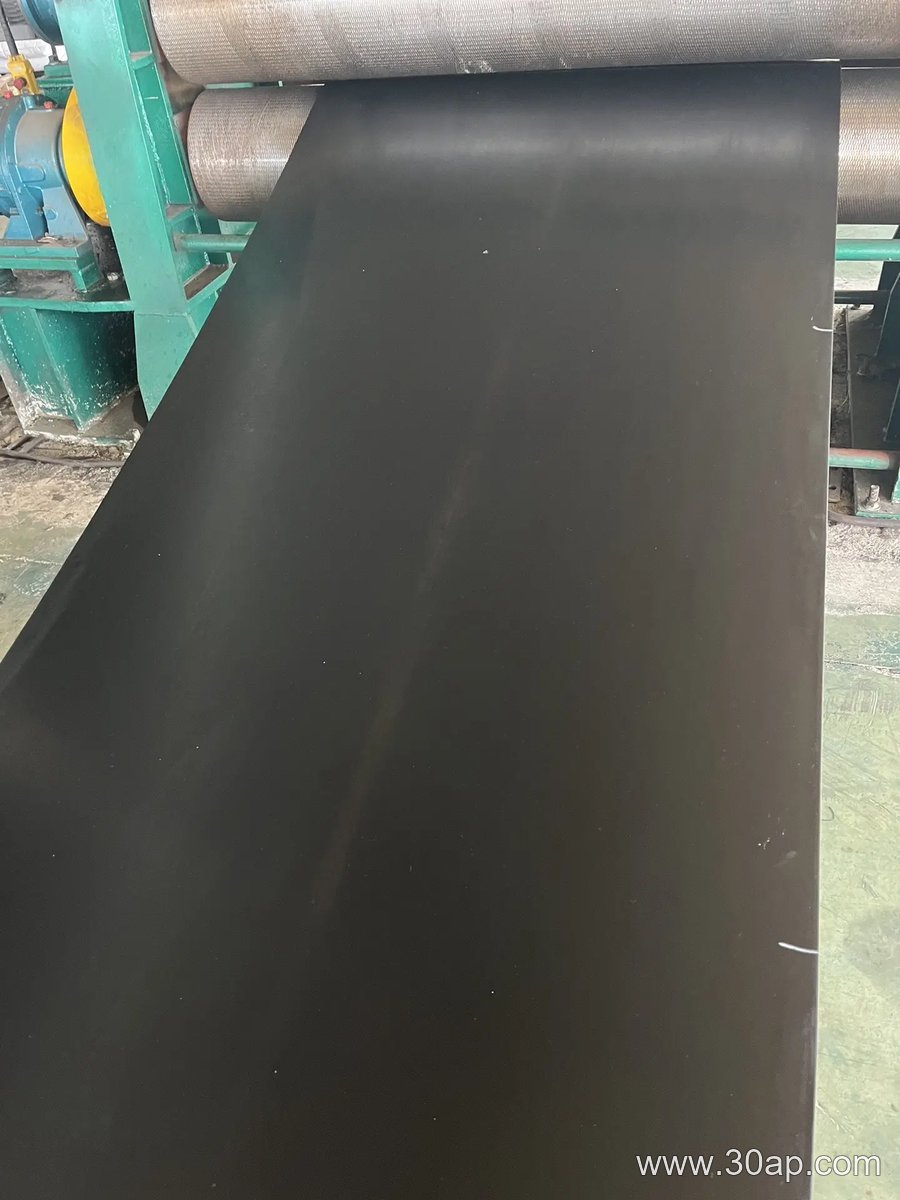
From mining aggregates to packaging finished goods, the conveyor belt is the silent workhorse that reduces labor costs and accelerates throughput. Choosing the wrong belt, however, can lead to frequent downtime, product damage, or safety hazards. This guide focuses on core conveyor belt parameters to help you specify correctly.
Key Specifications to Evaluate
- Material: Rubber resists abrasion; PVC handles food contact; metal mesh suits high heat or sharp edges.
- Tensile strength: Match the carcass (polyester, nylon, or steel cord) to your load weight and belt width.
- Cover thickness: Thicker covers extend life under heavy impact, while thinner covers save cost for light transport.
Purchasing and Maintenance Advice
Always request a technical datasheet confirming belt thickness, splice type, and maximum operating temperature. For inclined or curved routes, add cleats or sidewalls to prevent spillage. Buy spare rolls with matching lot numbers to ensure consistent elongation. Schedule monthly tracking checks and replace worn idlers promptly—a misaligned belt accelerates edge fraying and motor strain.
Why the Idler Roller Dictates Conveyor Performance
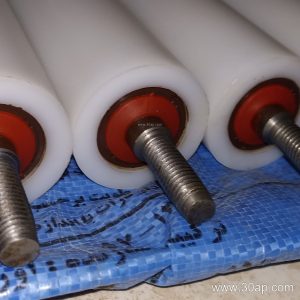
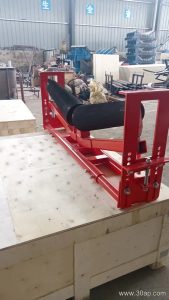
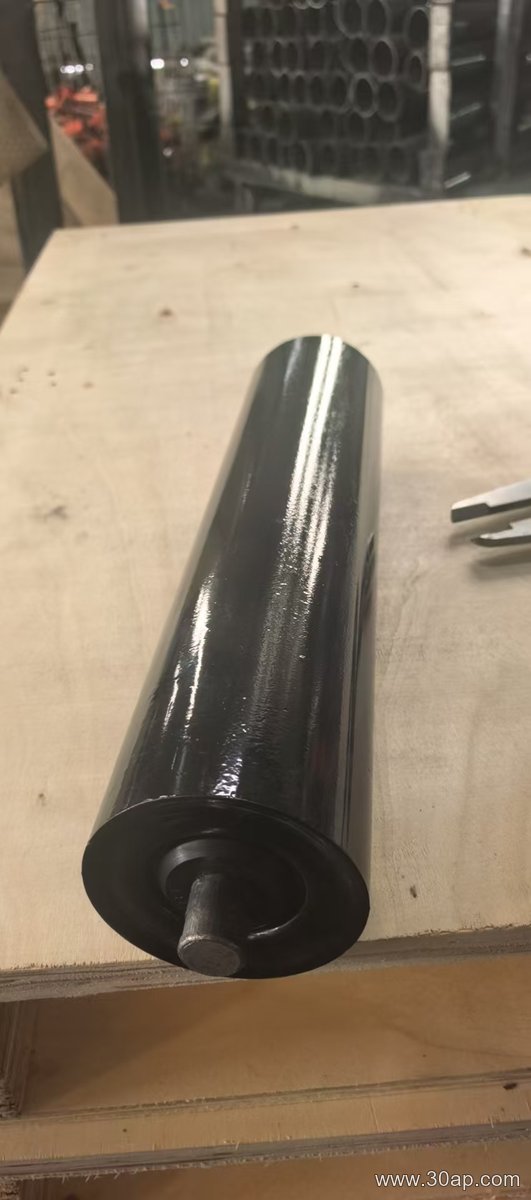
The idler roller is the unsung workhorse of any bulk material handling system. It supports the belt, shapes the load, and absorbs impact—yet it is often the first component to fail when overlooked. Choosing the wrong idler roller leads to belt misalignment, excessive downtime, and costly energy waste.
Key Specifications for Purchasing
- Diameter and wall thickness: Match to belt speed and load density to prevent deflection.
- Bearing type and sealing: Specify C3 clearance bearings with labyrinth seals for dusty or wet environments.
- Idler roller spacing: Reduce spacing under heavy or abrasive materials to avoid sagging.
Material and Environment Considerations
Steel idler rollers suit high-impact zones, but for corrosive or food-grade operations, opt for stainless steel or HDPE shells. Always verify the idler roller’s TIR (total indicated runout) below 0.5 mm to ensure smooth rotation and minimal belt wear.
Practical Advice for Longevity
- Request a life-cycle cost analysis, not just upfront price—cheaper rollers often fail faster.
- Test a sample idler roller under actual load conditions before bulk ordering.
- Plan for regular rotation of idler rollers to distribute wear evenly.
Invest in a certified idler roller with documented load ratings. A precise match to your conveyor’s speed, trough angle, and material density will extend belt life and reduce maintenance budgets dramatically.
Understanding the Conveyor Pulley’s Role
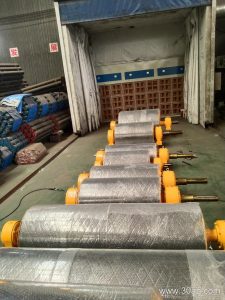
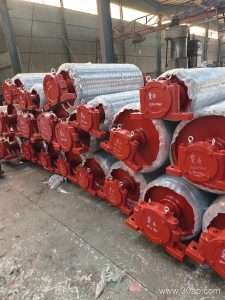
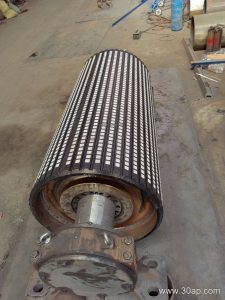
The conveyor pulley is the mechanical heart of any belt conveyor system, transferring drive torque and maintaining belt tension. Without a correctly specified pulley, even the best belt will fail prematurely.
Key Selection Criteria
- Diameter: Match to belt speed and flex life. Smaller pulleys increase belt fatigue.
- Face width: Must exceed belt width by 150–200 mm for proper tracking.
- Shaft and hub design: Verify load ratings for starting torque and live load.
Buying Advice
Always choose a crowned face for the head (drive) pulley to aid self-centering. For tail and take-up pulleys, lagging is optional but recommended in wet or dusty environments. Request a full stress analysis from the manufacturer—especially for belt tensions above 100 kN.
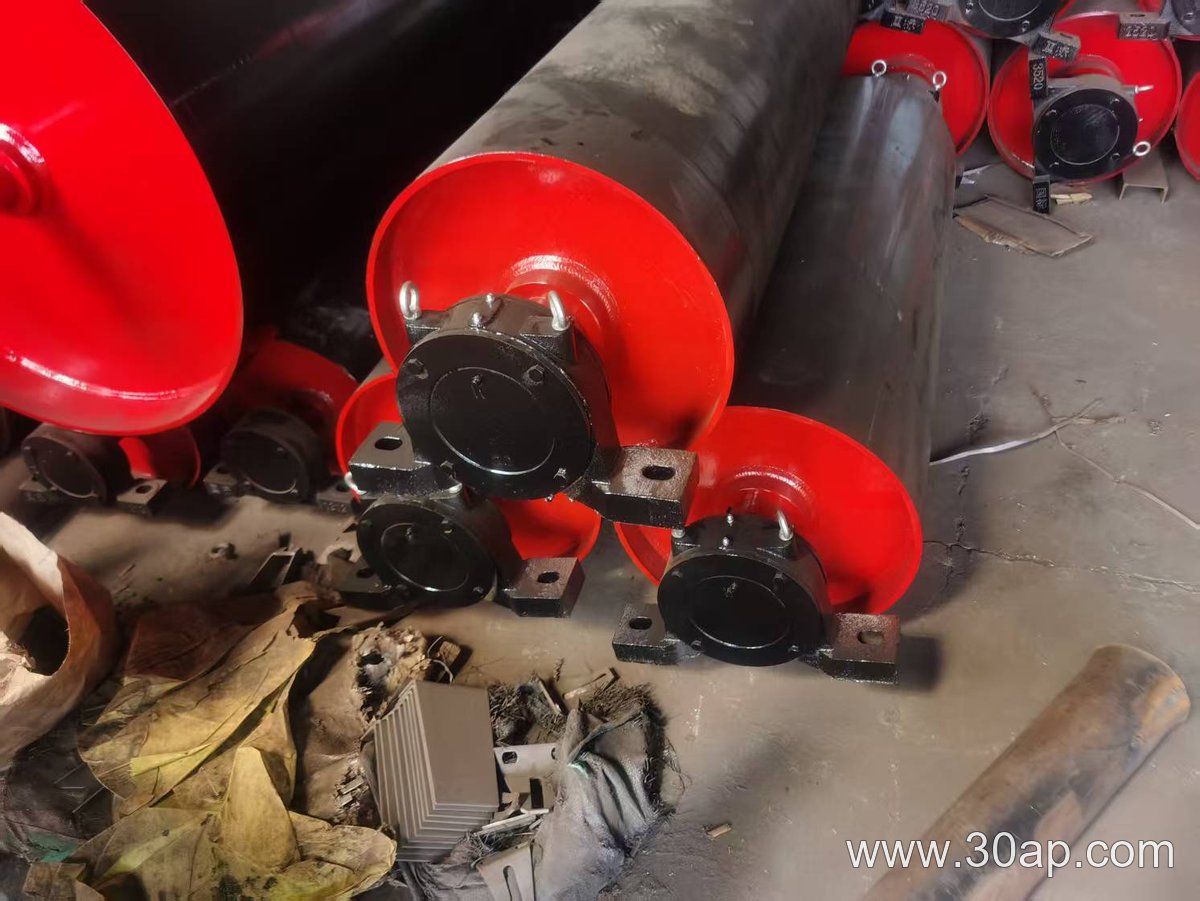
Inspect welding quality and balancing grade (G6.3 or better). For retrofits, measure existing shaft centers and bearing housing dimensions before ordering. Prioritize OEM spec sheets over generic replacements.