What a 1800mm Conveyor Belt Is
A 1800mm conveyor belt is a wide rubber or fabric-reinforced belt designed for conveying large volumes of bulk material. The 1800mm width (approximately 70.9 inches) makes it a preferred choice in mining, coal preparation, cement plants, power stations, and large quarries where high throughput and wide loading areas are required. This belt width is often paired with heavy-duty conveyor pulleys and idler rollers to handle the load without excessive sag or misalignment.
Buyers may also see this product called an 1800mm wide conveyor belt or a 1.8m wide belt. The naming reflects the belt width, not a specific compound or carcass type. A 1800mm conveyor belt can be supplied in several constructions, including EP conveyor belt, steel cord conveyor belt, and specialized variants for heat, oil, or flame resistance.
Construction and Common Specifications
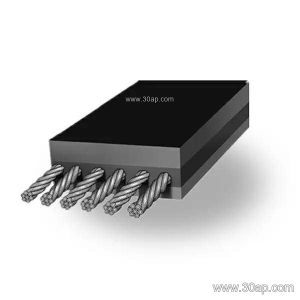
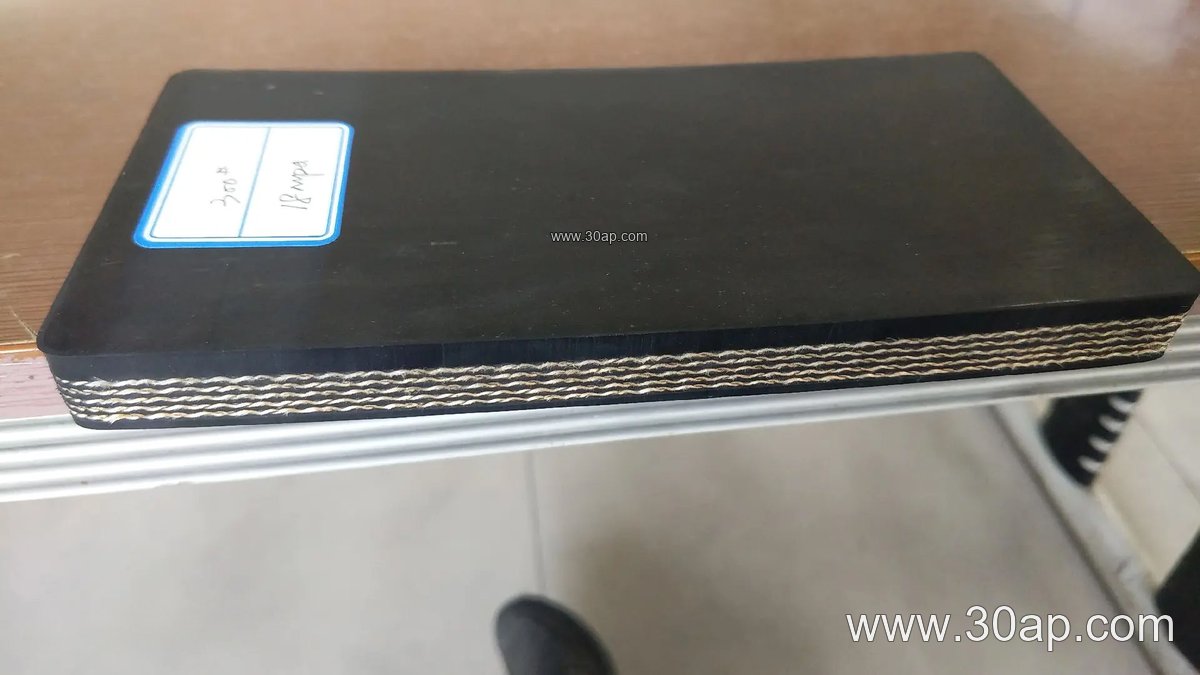
The belt body typically consists of a fabric core (EP or NN) or steel cord, covered with rubber on both sides. For a 1800mm width, common fabric core constructions use multiple plies—often 3 to 6—to provide the required tensile strength and troughability. Steel cord belts are also available in this width for long-distance, high-tension applications.
Cover rubber thickness and grade are selected according to the material being conveyed. For abrasive rock or ore, a high abrasion resistant conveyor belt with 6+2 mm or 8+3 mm covers is common. In coal mining, flame retardant and anti-static properties are usually specified, such as PVG conveyor belt or fire resistant conveyor belt constructions.
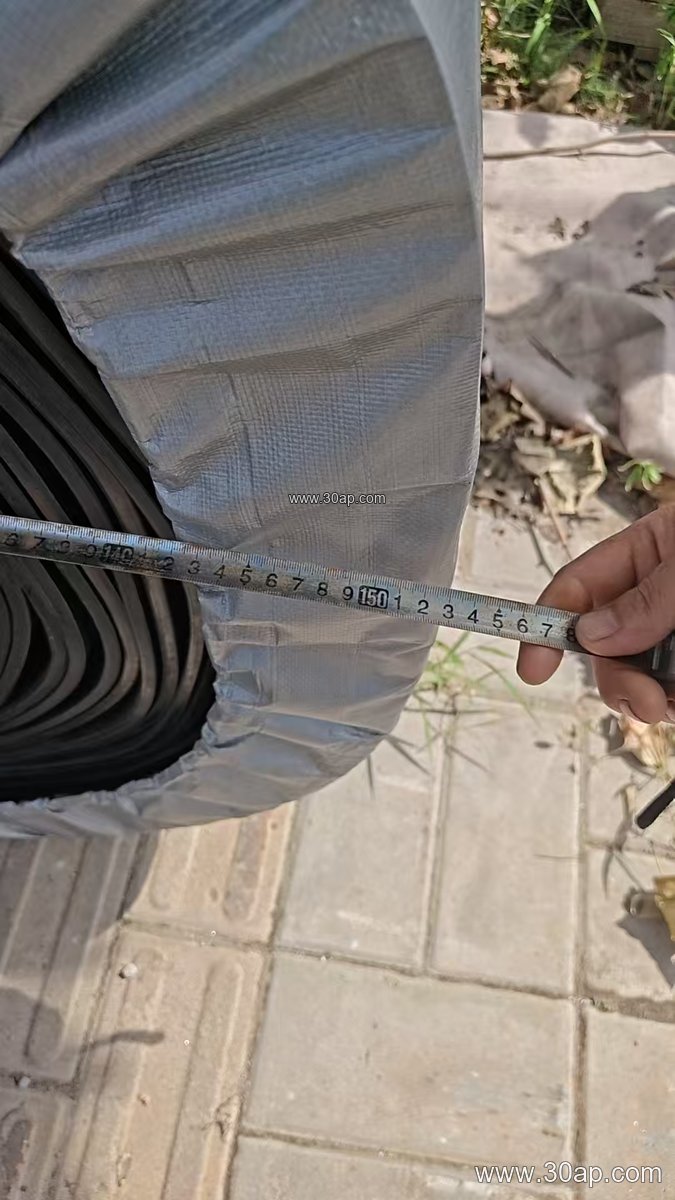
Typical reference values for 1800mm conveyor belts include:
- Belt width: 1800 mm (B1800)
- Fabric core types: EP200, EP315, EP400, EP500, EP630, EP800, EP1000, EP1250
- Steel cord strengths: ST1000, ST1250, ST1600, ST2000
- Cover thickness examples: 4+2 mm, 5+2 mm, 6+2 mm, 8+3 mm
- Number of fabric plies: commonly 2 to 6, depending on strength class
These figures are reference data, not fixed universal specifications. Actual belt design should match the conveyor’s calculated tension, load support, and environmental conditions.
Where It Is Used
Wide belts are common in high-capacity material handling systems. In the mining industry, a 1800mm conveyor belt may carry copper ore, iron ore, or coal from primary crushing to stockpiles. In cement plants, it can transport clinker, limestone, or raw meal. Power plants use wide belts for coal feeding, while quarries and sand making plants rely on them for aggregate and rock transport.
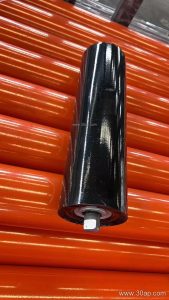
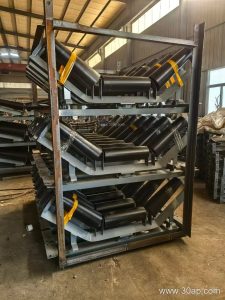
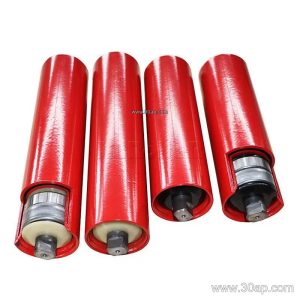
Because of the large width, the belt requires properly sized conveyor pulleys, idler rollers, and conveyor brackets to maintain alignment and support the load. The drive pulley, tail pulley, and bend pulleys each perform different functions and must be selected based on the belt’s tension and speed—not simply on width alone.
Selection and Maintenance Notes
When specifying a 1800mm conveyor belt, buyers should consider the material characteristics (lump size, abrasiveness, temperature, oil content), the conveyor layout, and the required tensile strength. For example, a high abrasion resistant conveyor belt may be needed for sharp rock, while a heat resistant conveyor belt is appropriate for hot clinker or sinter.
Special constructions such as chevron conveyor belt or corrugated sidewall conveyor belt are available in wide sizes for inclined conveying, but these are different subtypes and should not be confused with a standard flat 1800mm belt. Similarly, a pipe conveyor belt is a distinct product and not a replacement for an open trough belt.
Maintenance focuses on belt tracking, splice integrity, and cover wear. Regular inspection of idler rollers and pulleys helps prevent edge damage, which is more critical on wide belts because replacement costs are higher. Keeping the belt clean and properly tensioned extends service life in demanding environments such as coal mining, cement, and metallurgical plants.
For more information on matching belts with conveyor pulleys, idler rollers, and brackets, or to discuss specific 1800mm conveyor belt constructions, please contact our technical team.