What Is a Terminal Conveyor Pulley
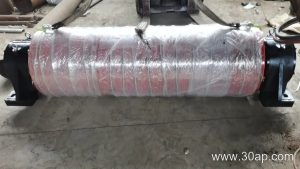
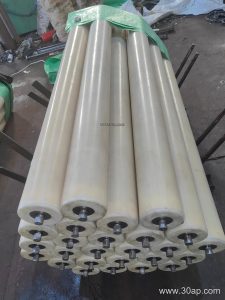
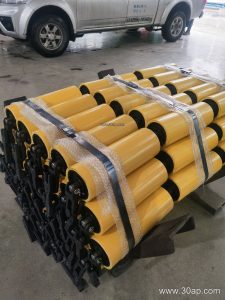
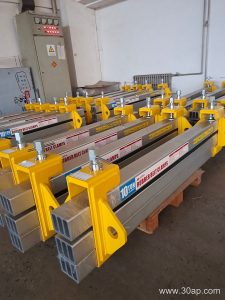
A terminal conveyor pulley is the drum at the extreme end of a conveyor’s run—either the head (discharge) end or the tail (loading) end. In many layouts, the terminal pulley serves as the drive pulley at the head or as the tail pulley that redirects the belt. It is distinct from bend, take-up, and snub pulleys, which serve different positions and functions along the conveyor path. The terminal pulley works together with the conveyor belt, idler rollers, and conveyor brackets to keep material moving efficiently. Whether you are running a quarry conveyor belt, a coal mining conveyor belt, or a power plant conveyor belt, the terminal pulley is a critical component for belt alignment and tension control.
Construction and Surface Options
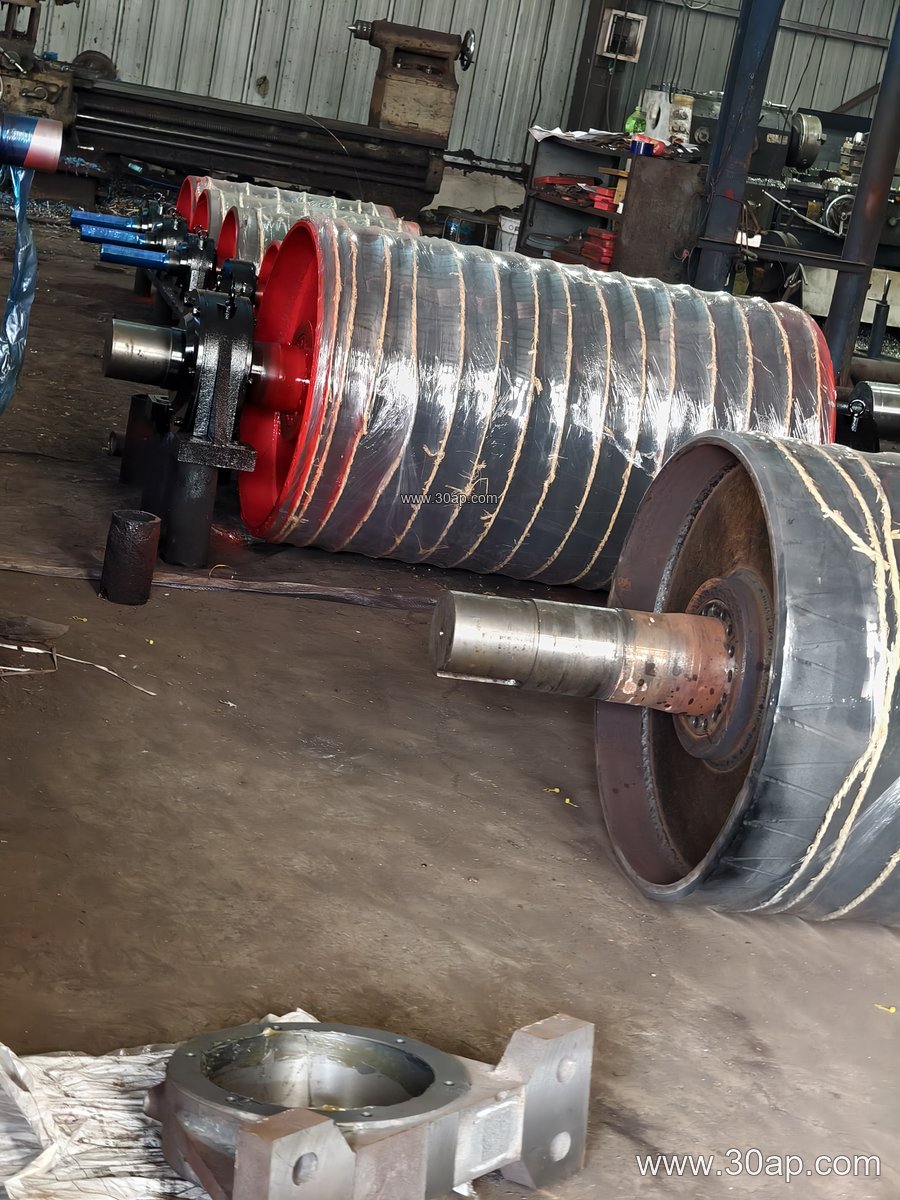
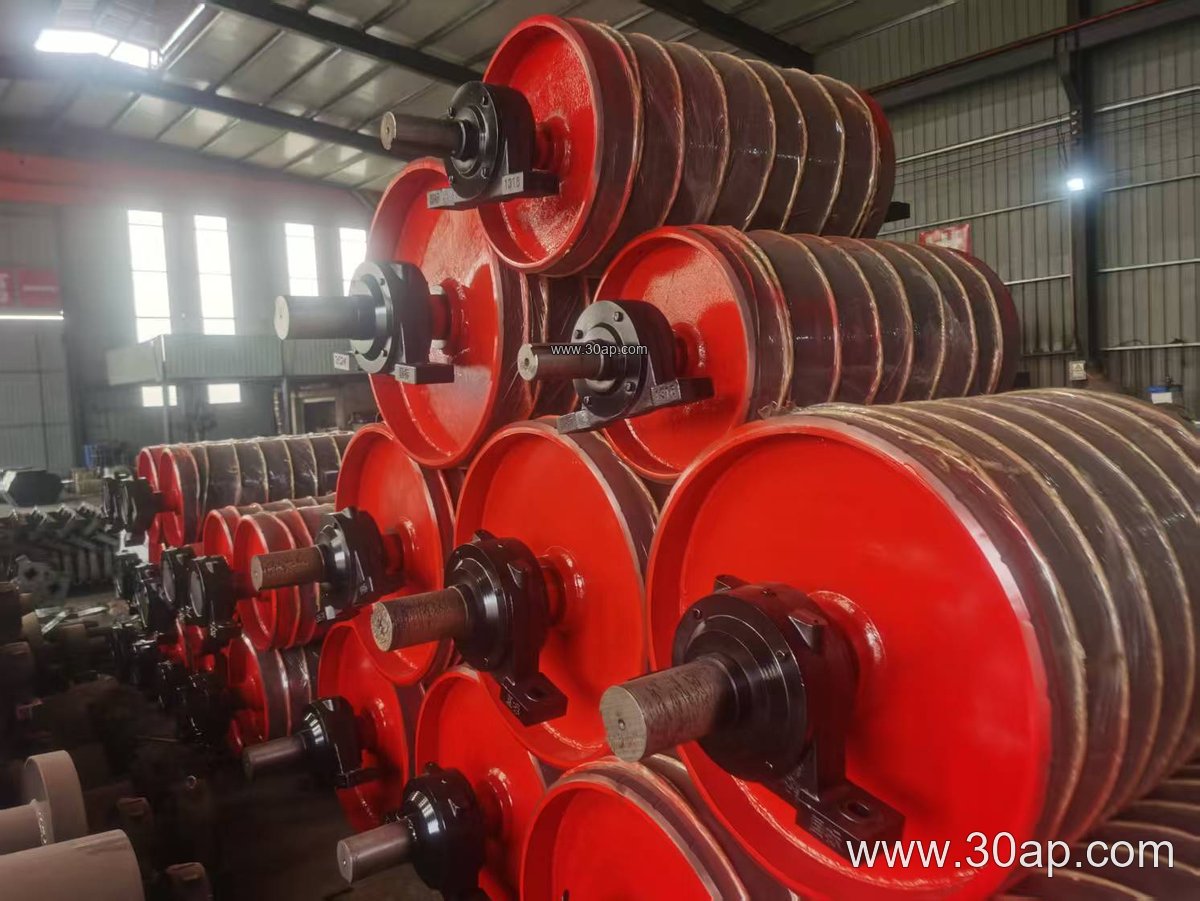
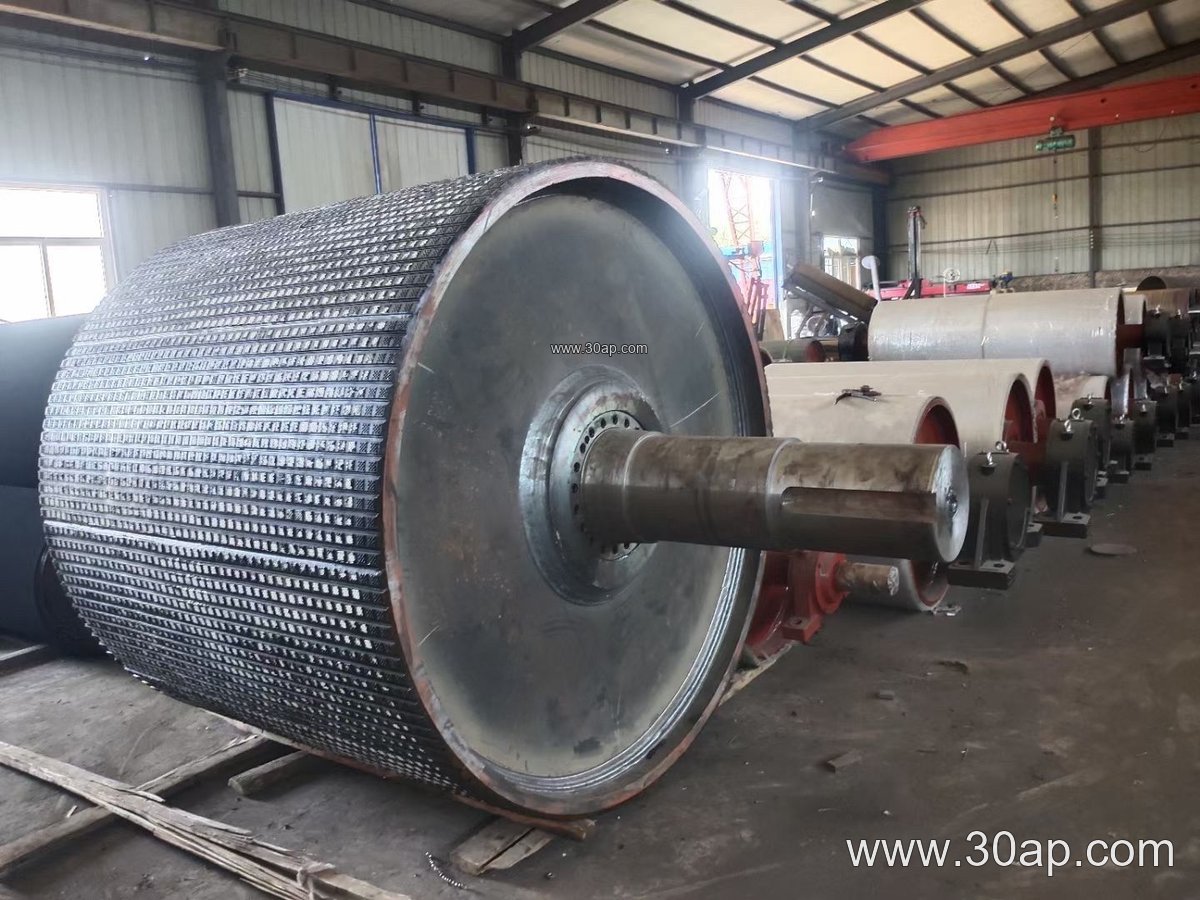
Terminal pulleys are typically built with a steel drum, shaft, and bearing housings. The shell may be plain or covered with rubber, ceramic, or other lagging to improve grip and protect the belt. Common surface forms include plain, cast rubber, cold-bonded rubber, hot vulcanized rubber, diamond groove lagging, herringbone lagging, and ceramic lagging. Lagging thickness often ranges from 8 mm to 20 mm, depending on the duty. The pulley face width is usually wider than the belt width—for example, a B800 belt may use a pulley face around 950 mm, while a B1200 belt might use about 1400 mm. These are typical references, not fixed rules; actual dimensions should be confirmed with the conveyor design. Shaft diameters are determined by torque and load, with common sizes such as Ø80, Ø100, Ø120, and Ø140 mm, but never assume a shaft size from belt width alone.
Where It Fits in the System
In a stone crushing plant or aggregate conveyor line, the terminal pulley at the head discharges crushed rock onto a stockpile or transfer point. In a cement plant, it may handle clinker or raw meal on a heavy-duty conveyor belt. Underground coal mining conveyor belts rely on robust terminal pulleys that resist abrasive dust and moisture. The terminal pulley must be compatible with the belt type—whether it is an EP conveyor belt, a steel cord conveyor belt, or a flame retardant conveyor belt for underground coal mining. Proper matching of pulley diameter to belt thickness and flexibility helps prevent belt fatigue and tracking issues.
Key Parameters for Buyers
When specifying a terminal conveyor pulley, consider the following:
- Belt width and pulley face width: Common combinations include B650 with about 750 mm face, B1000 with about 1150 mm, and B1400 with about 1600 mm. Larger widths like B1800 may use a 2000 mm face.
- Diameter: Typical diameters range from Ø200 mm to Ø1800 mm. For example, a B800 conveyor might use a Ø500 pulley, while a B1200 system could use Ø1000. These are examples only; the correct diameter depends on belt tension and speed.
- Lagging: Choose plain for low-tension applications, or rubber/ceramic lagging for high-traction drives. Diamond or herringbone patterns improve water shedding.
- Shaft and bearing: Shaft size (e.g., Ø60, Ø90, Ø120) must be calculated from actual load, not guessed from belt width.
Always request a dimensional drawing and material certificate from the supplier. For harsh environments such as iron ore or copper ore operations, consider abrasion resistant conveyor belt and a pulley with wear-resistant lagging. In food or fertilizer plants, a food grade conveyor belt may require a smooth, cleanable pulley surface.
Maintenance and Compatibility
Regular inspection of the terminal pulley for lagging wear, shaft alignment, and bearing condition helps avoid unplanned downtime. Keep the pulley clean and ensure the conveyor belt tracks centrally. Remember that drive, tail, and bend pulleys are not interchangeable; each has a specific role. A bend pulley, for instance, only changes belt direction, while a terminal pulley at the head often drives the belt. Using the wrong type can lead to slip, misalignment, or premature belt failure.
For more information on conveyor pulleys, conveyor belts, and idler rollers, visit our site at www.example.com/conveyor-pulley. Our team can help you select the right terminal pulley for your quarry, coal mine, or cement plant application.