What a PVC Mining Conveyor Belt Is
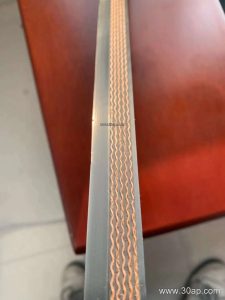
A PVC Mining Conveyor Belt is a solid-woven fabric belt whose carcass is impregnated and coated with polyvinyl chloride. Unlike laminated rubber belts, the PVC compound penetrates the fabric and forms a homogeneous body, so the belt resists delamination and holds its shape under repeated flexing. In mining and quarry duty it is often chosen for medium-load, high-frequency conveying where flame resistance and low stretch matter more than raw tensile strength.
The same product appears under a few equivalent names, including PVC solid woven conveyor belt and PVC mining belt. These describe the same construction; they are not different belt types. When a specification calls for a PVC conveyor belt in a mine, it is this solid-woven PVC product that is meant.
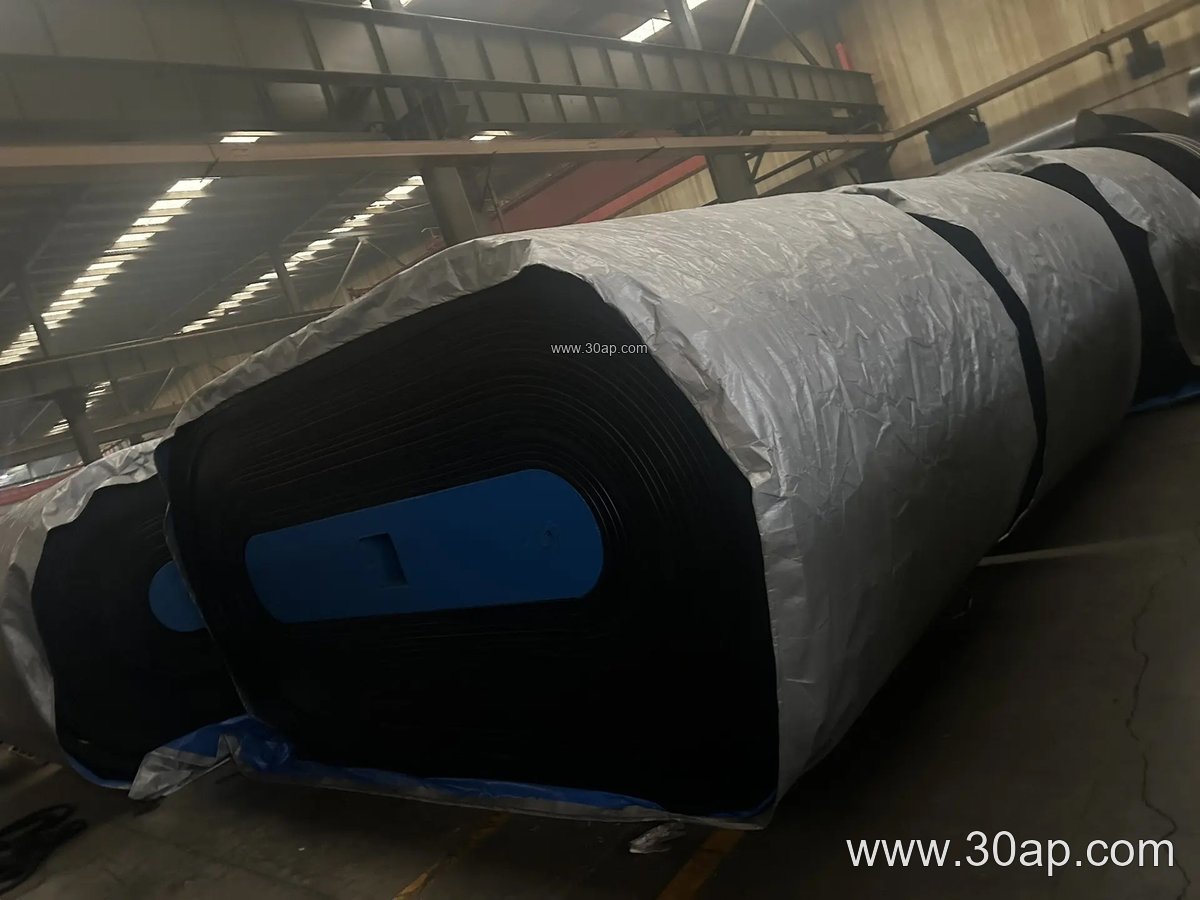
Construction and Build
The carcass is woven from synthetic filament yarn, usually polyester warp and nylon weft, then dipped in PVC paste and cured. Cover layers are applied on both faces, and the edges are sealed to keep moisture out of the weave. Because the cover and carcass are chemically similar, the bond is strong and the belt can be spliced by hot vulcanizing or by mechanical fasteners depending on the installation.
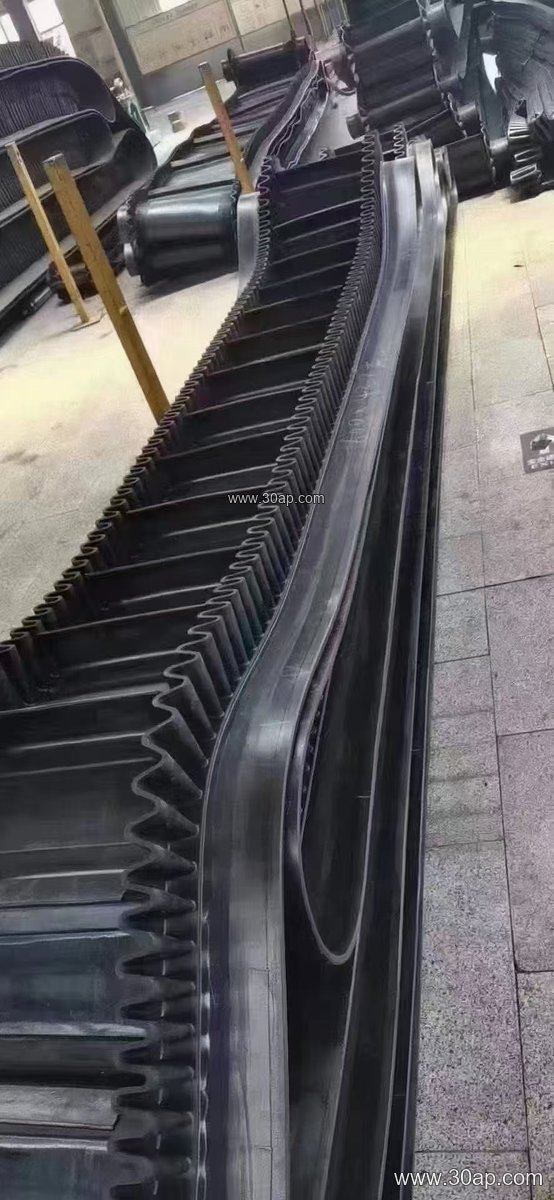
Surface options matter in real installations. A plain cover suits clean, steady flow; a chevron or patterned top helps on inclines where material would otherwise slide back; corrugated sidewall and skirted edges are used where the belt must contain material without a deep trough. These are variants of the same PVC product family, not substitutes for it.
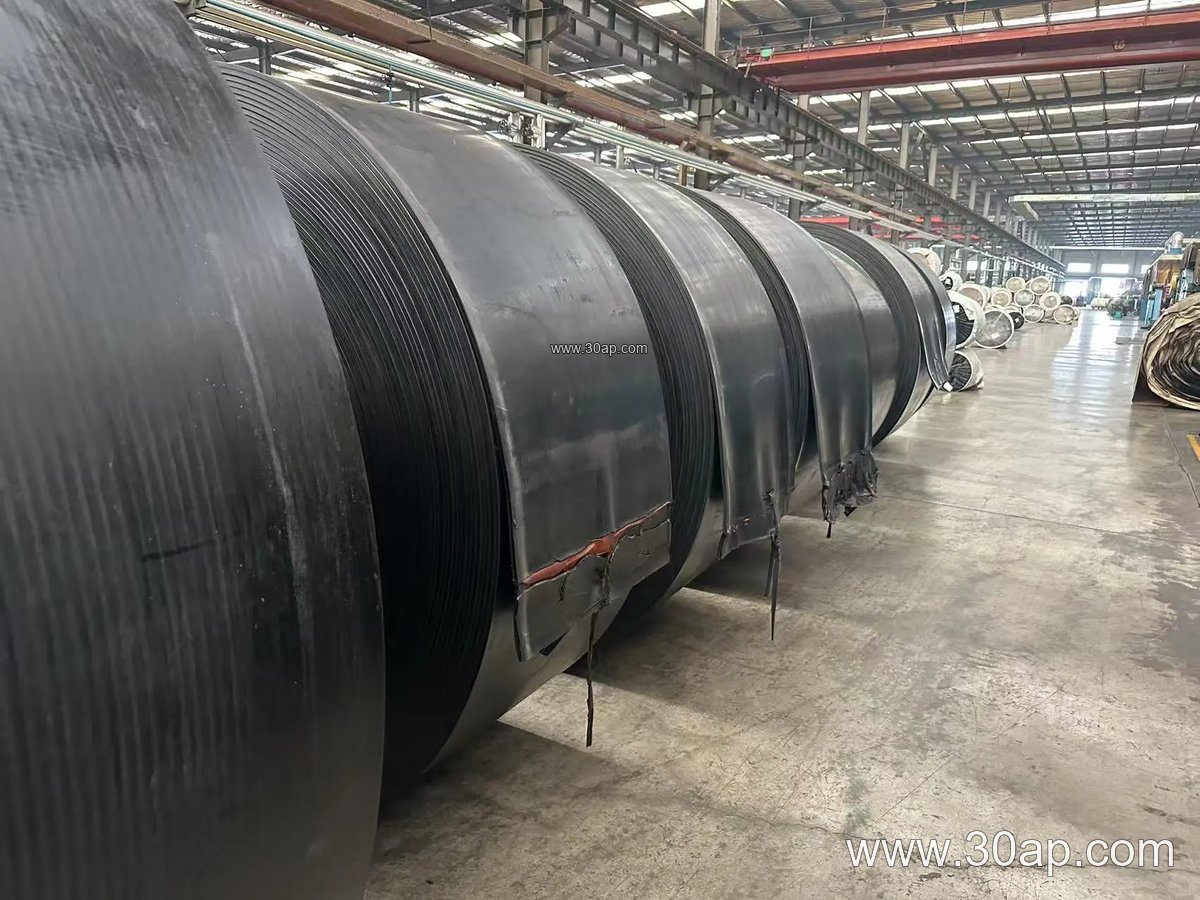
Typical Specifications
Values below are common reference ranges. Final figures are set by the conveyor design and by each manufacturer, so treat them as a starting point for discussion rather than a fixed promise.
| Parameter | Common range |
|---|---|
| Belt width | B500, B650, B800, B1000, B1200, B1400, B1600 |
| Cover thickness | 3+1.5 mm, 4+2 mm, 5+2 mm, 6+2 mm |
| Carcass | Solid woven, 2 to 6 fabric layers equivalent |
| Surface form | Plain, chevron, skirted, corrugated sidewall |
| Property variants | Flame retardant, anti-static, abrasion resistant, cold resistant |
Width selection follows the lump size and the required throughput, not a single universal rule. A 650mm or 800mm belt may serve a secondary transfer, while a 1200mm or 1400mm belt is common on main trunk lines. Belt width and pulley diameter are matched through the conveyor design, and one width does not lock the belt to one pulley size.
Where It Fits in Mining and Processing
Underground coal mining is a classic application, because PVC solid woven belts can be formulated as flame retardant and anti-static, which suits gassy environments. The same belt appears in cement plants moving clinker and raw meal, in power plant coal yards, in sand and gravel plants, and in iron ore, copper ore and gold mining circuits where the load is moderate and the belt runs long hours.
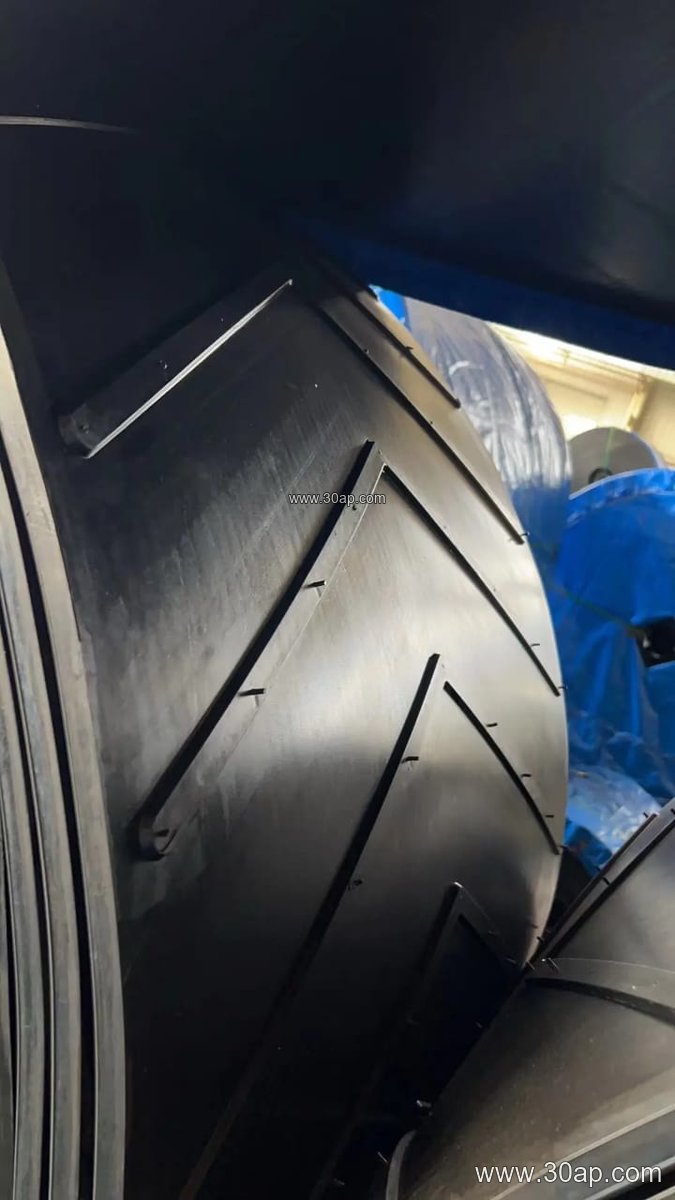
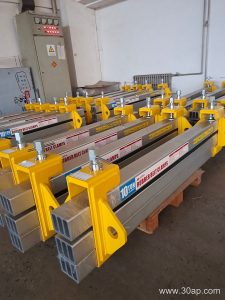
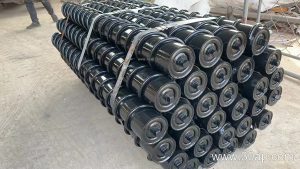
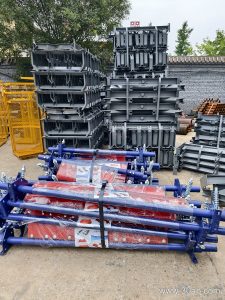
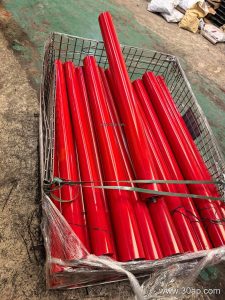
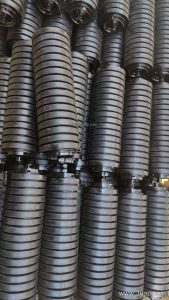
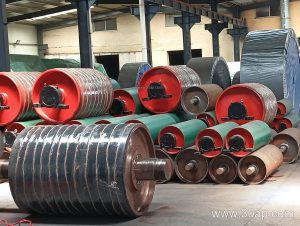
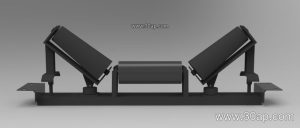
It also works well in stone crushing lines and aggregate yards, feeding crushers and screening stations. Around the belt, the conveyor pulley, idler roller, conveyor bracket and frame all influence belt life. A misaligned idler roller or a worn bend pulley will shorten any belt’s service life, so alignment and maintenance deserve attention alongside belt selection.
Buyer Checklist
- Confirm the duty: lump size, throughput, incline angle and whether the belt runs underground.
- State the required properties clearly, for example flame retardant and anti-static for coal mining, or abrasion resistance for sharp rock.
- Give the belt width and the pulley diameters at drive, tail and bend positions so the splice and tension can be checked.
- Ask for the cover thickness in the 3+1.5 to 6+2 mm range that matches wear conditions.
- Check whether a chevron or corrugated sidewall form is needed for the incline.
- Plan the splice method and confirm the belt can be installed with the available frame and take-up.
For comparison, an EP Conveyor Belt or a Steel Cord Conveyor Belt may be preferred on very high-tension or long-distance main lines, but those are different constructions and should not replace the PVC belt where flame resistance and solid-woven toughness are the priority. On many mining and processing conveyors, a well-specified PVC Mining Conveyor Belt remains a practical, low-stretch and easy-to-maintain choice.