What a Heavy-Load Conveyor Pulley Does
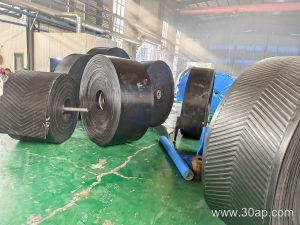
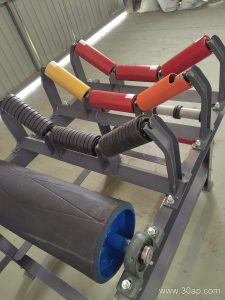
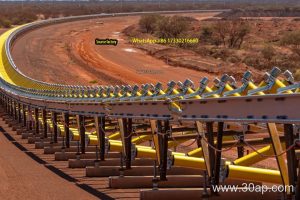
A heavy-load conveyor pulley is the drive or tensioning component that transfers power to the conveyor belt and carries the highest mechanical stresses in a bulk handling system. Unlike a standard-duty pulley, this class is built for continuous operation under high belt tensions, large material loads, and harsh conditions found in mines, cement plants, power stations, and aggregate quarries. The pulley works together with the conveyor belt, idler rollers, and conveyor brackets to keep the entire line running smoothly. Whether you are moving iron ore, coal, clinker, or crushed stone, the pulley must be matched to the duty.
Construction and Key Features
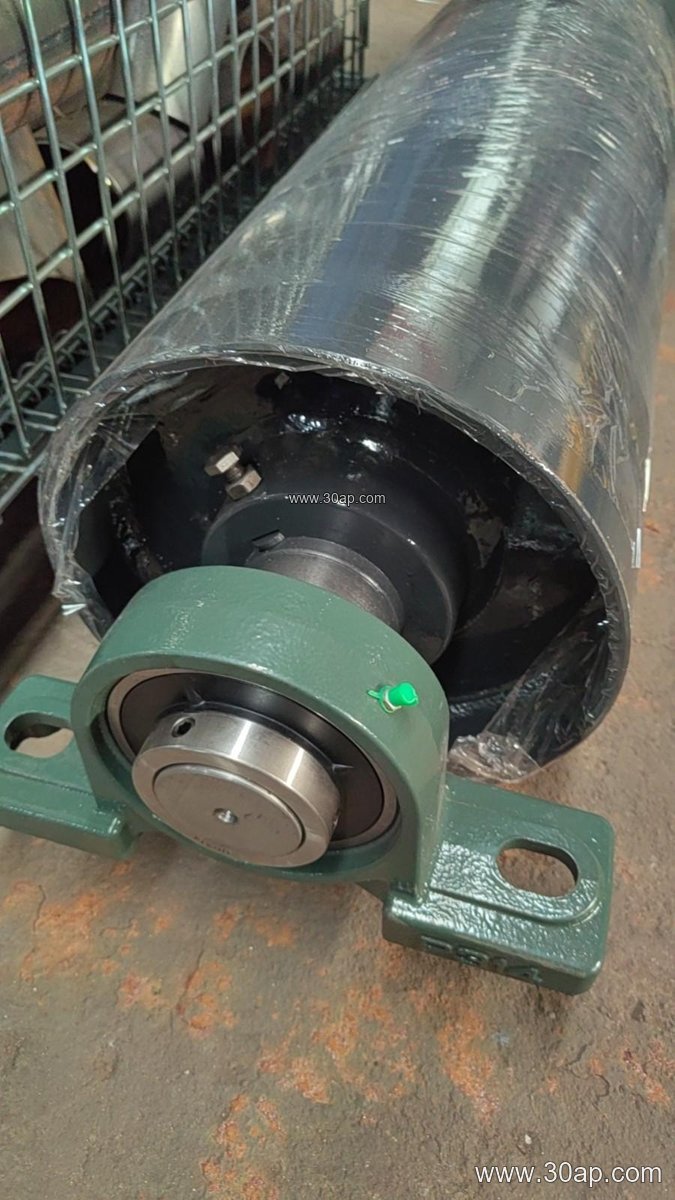
Heavy-load pulleys typically use a sturdy steel drum with welded end discs and a shaft sized by torque and radial load, not by belt width alone. Common shaft diameters range from Ø100 to Ø200 mm for larger units, while smaller diameters like Ø80 or Ø90 mm may appear on lighter sections. The drum surface may be plain, rubber-lagged, or ceramic-lagged to improve grip. Lagging thickness is often 8, 10, 12, 15, or 20 mm depending on the application. The pulley face width is usually slightly wider than the belt—for example, a B1200 belt may use a pulley face around 1400 mm, and a B1800 belt around 2000 mm. These are reference examples, not fixed rules.
Where Heavy-Load Pulleys Are Used
You will find heavy-load conveyor pulleys in primary crushing circuits at a quarry, in coal handling systems at a power plant, and in raw material transport at a cement works. They are also common in iron ore and copper ore concentrators, where steep inclines and high tonnage demand reliable grip. In a coal mining conveyor belt system, flame retardant and anti-static properties of the belt are critical, and the pulley must be equally robust. The pulley is often the drive pulley at the head end, but heavy-load tail pulleys and bend pulleys also exist for tensioning and redirecting the belt. Each position has its own design considerations.
Matching the Pulley to the Belt and Load
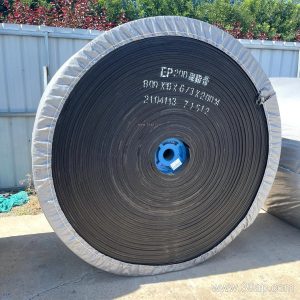
Selecting a heavy-load conveyor pulley starts with the belt specification. A steel cord conveyor belt or a high-tension EP conveyor belt will require a larger diameter and heavier shaft than a lighter fabric core belt. For instance, an EP1000 or ST1600 belt on a long overland conveyor may call for a pulley diameter of Ø800 to Ø1250 mm, while a shorter aggregate line with an EP200 belt might use Ø500 or Ø630 mm. The table below gives common reference combinations, but actual selection depends on calculated tensions and shaft loads.
| Belt Width | Typical Pulley Face Width | Common Diameter Range | Typical Shaft Diameter |
|---|---|---|---|
| B800 | 950 mm | Ø500 – Ø800 mm | Ø80 – Ø120 mm |
| B1000 | 1150 mm | Ø630 – Ø1000 mm | Ø100 – Ø140 mm |
| B1200 | 1400 mm | Ø800 – Ø1250 mm | Ø120 – Ø160 mm |
| B1400 | 1600 mm | Ø1000 – Ø1400 mm | Ø140 – Ø180 mm |
| B1800 | 2000 mm | Ø1250 – Ø1600 mm | Ø160 – Ø200 mm |
Note that a given belt width can work with several pulley diameters; the final choice is a design decision based on belt tension, arc of contact, and space constraints. Never assume one belt width locks you into one pulley diameter.
Surface Options and Environmental Fit
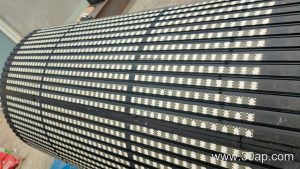
The pulley lagging affects friction and wear. Plain steel is used in clean, low-traction applications. Rubber lagging (cold-bonded or hot-vulcanized) improves grip in wet or dusty conditions. Diamond or chevron grooving helps shed water and fines, which is useful in a quarry or a wash plant. Ceramic lagging offers the highest wear resistance for high-tension drives, such as a heavy-duty mining conveyor belt carrying sharp rock. In coal mines, flame retardant and anti-static belts are common, and the pulley lagging should be selected to avoid static buildup. Heat resistant belts in cement or steel plants may require a pulley that can tolerate elevated temperatures without lagging degradation.
Buyer Checklist
- Confirm the actual belt tension and starting torque, not just the motor power.
- Specify the belt type and construction, e.g., steel cord, multi-ply fabric, or solid woven PVC.
- State the environmental conditions: dust, moisture, temperature, and risk of impact.
- Provide the conveyor layout to determine if the pulley is a drive, tail, bend, or take-up pulley.
- Ask for the shaft material and bearing size, as these are often the limiting factors in heavy-load service.
- Check that the pulley face width and lagging thickness suit the belt width and load profile.
For more information on related components such as idler rollers and conveyor brackets, or to discuss belt selection like abrasion resistant conveyor belt or heat resistant conveyor belt, visit our site at www.example.com/conveyor-pulley. A well-matched heavy-load pulley reduces downtime and protects the entire conveyor system.