What a Belt Tracking Idler Does
A belt tracking idler is a specialized roller assembly used to keep a conveyor belt centered along its intended path. Unlike standard carrying or return idlers that mainly support the belt and material load, this idler actively corrects misalignment. It is often referred to as a self-aligning idler or training idler, and it works by sensing belt drift and applying a gentle steering force through its angled or pivoting rollers. In dusty, high-tonnage operations such as a limestone quarry, a coal washing plant, or a cement clinker line, even a small amount of belt wander can cause edge damage, spillage, and premature wear on the conveyor pulley and frame. A well-placed tracking idler reduces those risks without requiring constant manual adjustment.
Construction and Working Principle
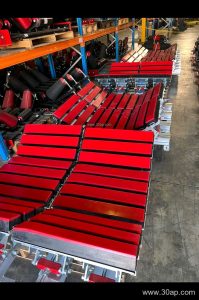
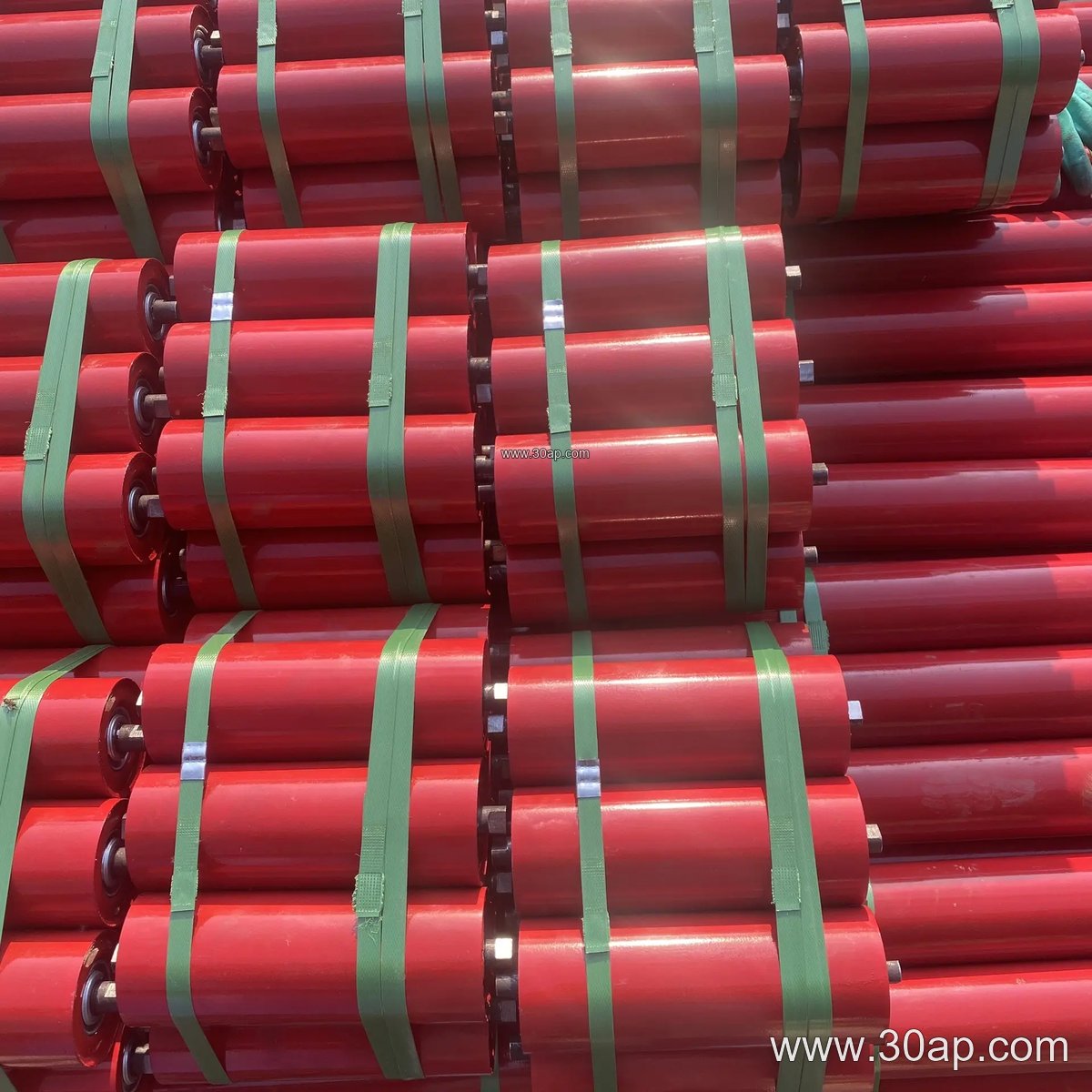
Most belt tracking idlers use a pivoted frame that carries two or three rollers. When the belt drifts to one side, it contacts a vertical guide roller or an edge sensor, which turns the idler frame slightly. This small rotation creates a steering effect that nudges the belt back toward the center. The rollers themselves are commonly steel tube with sealed bearings, and the frame is mounted on a sturdy bracket that allows rotation. Some designs use rubber-covered rollers for better grip on wet or oily belts, while others use plain steel for general duty. The idler is not a substitute for proper belt tension or pulley alignment, but it complements those fundamentals by handling minor, recurring drift.
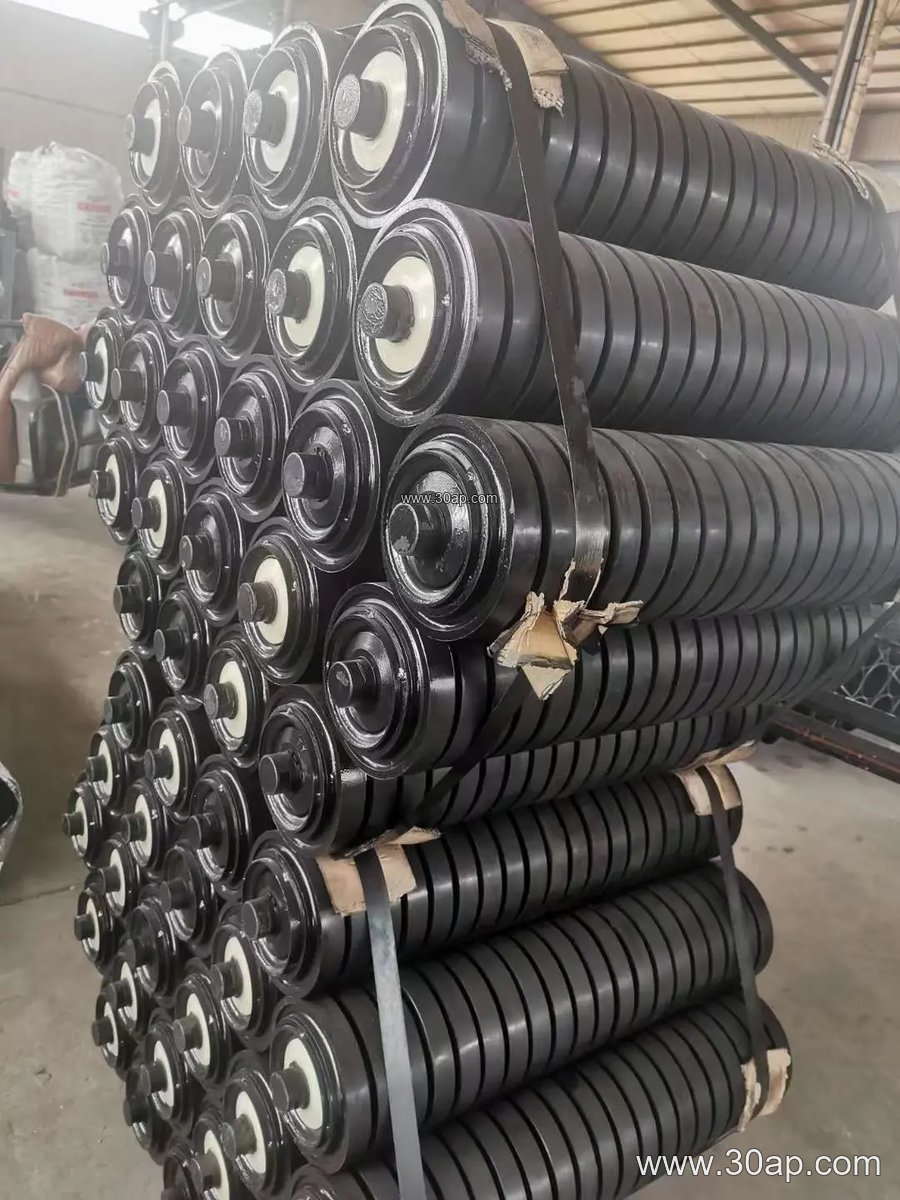
Common types and features
- Friction self-aligning idler: uses contact with the belt edge to trigger correction.
- Tapered self-aligning idler: conical rollers create a natural centering force.
- Return-side tracking idler: installed on the carrying or return strand depending on the drift pattern.
Roller diameters for tracking idlers often fall in the range of Ø89 mm to Ø159 mm, with larger sizes for high-capacity belts. Bearing selections such as 6205, 6305, or 6308 are common, but the exact match depends on load and speed rather than a fixed rule. The idler length is determined by belt width, trough angle, and frame design. For example, a three-roll troughing set on a B800 belt might use roller lengths around 315 mm, while a B1200 belt could use approximately 465 mm. These are typical reference values, not universal specifications.
Where It Fits in the Conveyor System
Belt tracking idlers are typically installed at intervals along the carrying run, especially after transition zones, loading points, and curves. In a stone crushing plant, they help keep an abrasion resistant conveyor belt centered after the crusher discharge. In a power plant coal yard, they work alongside a flame retardant conveyor belt to prevent drift on long inclined runs. They are also found in iron ore terminals, fertilizer handling lines, and tunnel muck removal systems. The idler should be placed where belt wander is most likely: after a conveyor pulley, before a transfer point, or on a section with uneven loading. Proper installation requires the idler frame to be square to the belt line and the pivot to move freely.
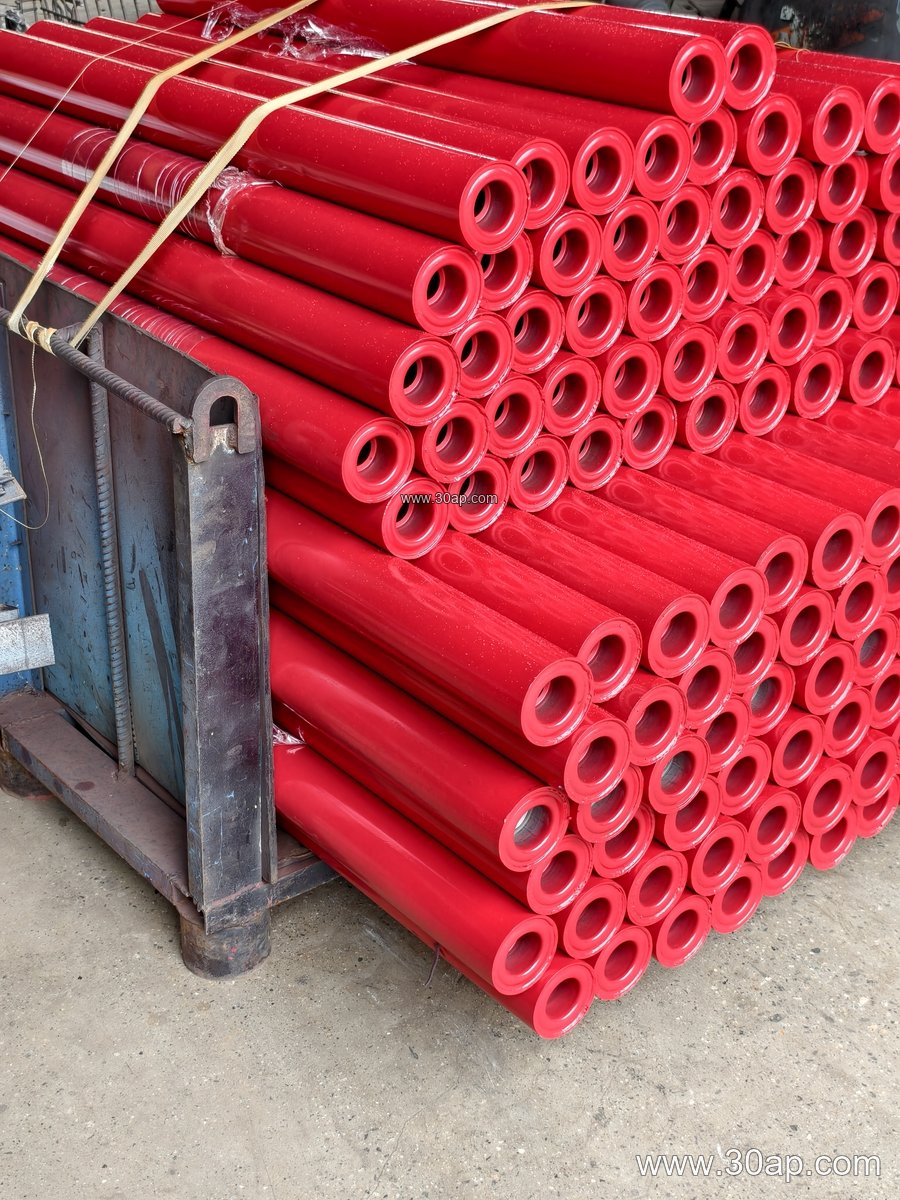
Buyer Checklist and Maintenance Notes
When selecting a belt tracking idler, consider belt width, belt speed, material characteristics, and the amount of side load. A heavy-duty mining conveyor belt carrying sharp rock may need a reinforced frame and abrasion-resistant roller surface, while a food-grade line may require stainless steel or approved materials. Ask for the roller diameter, bearing type, and frame dimensions, and confirm that the idler matches your existing conveyor bracket. Regular inspection of the pivot mechanism and roller seals prevents seizure and ensures reliable tracking. Keep the belt tension and pulley alignment in check, because a tracking idler cannot compensate for a badly misaligned conveyor pulley or a damaged belt edge.
For more information on compatible conveyor components, visit our site at www.example.com/belt-tracking-idler and explore related pages on conveyor idler roller, conveyor pulley, and conveyor bracket options. Whether you operate a quarry, a coal mine, or a cement plant, choosing the right tracking idler helps protect your belt and keep material moving smoothly.