What a Fabric Core Conveyor Belt Is
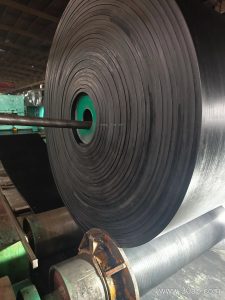
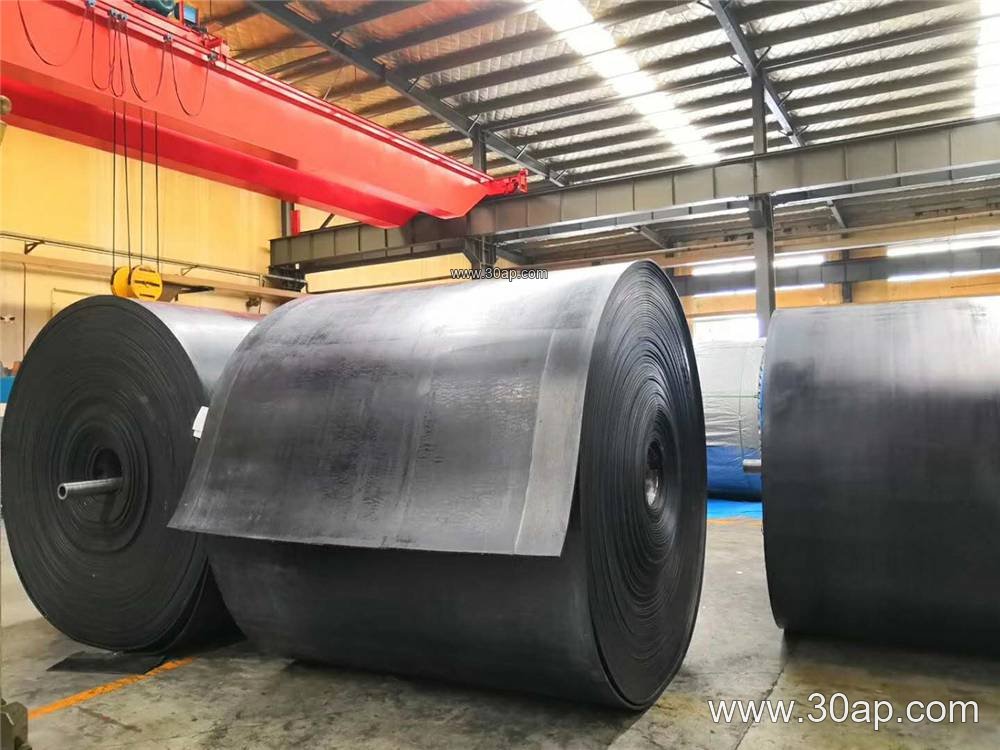
A fabric core conveyor belt is a composite belting product in which multiple layers of woven fabric—typically polyester (EP) or nylon (NN)—are bonded together with rubber compounds to form the tension-bearing carcass. The fabric layers, often called plies, provide strength and flexibility, while the top and bottom rubber covers protect the carcass from abrasion, impact, moisture, and other service conditions. This construction makes the belt a practical choice for a wide range of bulk material handling systems, from quarry and aggregate operations to cement plants and power stations.
In many industrial settings, the fabric core conveyor belt is simply referred to as an EP conveyor belt or NN conveyor belt, depending on the fabric type. The EP variant uses polyester warp and nylon weft, offering low elongation and good dimensional stability, while NN belts use nylon in both directions for higher flexibility and impact resistance. Both fall under the broader category of fabric core belting and are distinct from steel cord conveyor belts, which use steel wires as the tension element.
Construction and Key Components
The typical fabric core conveyor belt consists of three main parts:
- Carcass: Two to six plies of EP or NN fabric, bonded with rubber skim compounds. The number of plies and fabric strength determine the belt’s tensile rating.
- Covers: Top and bottom rubber layers, with thickness combinations such as 3+1.5 mm, 4+2 mm, 5+2 mm, 6+2 mm, or 8+3 mm. The cover grade is selected for abrasion, heat, oil, or flame resistance.
- Edges: Cut or molded edges, sometimes protected with additional rubber to resist fraying in demanding service.
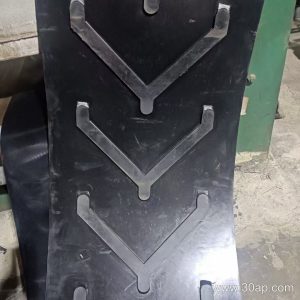
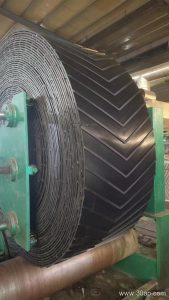
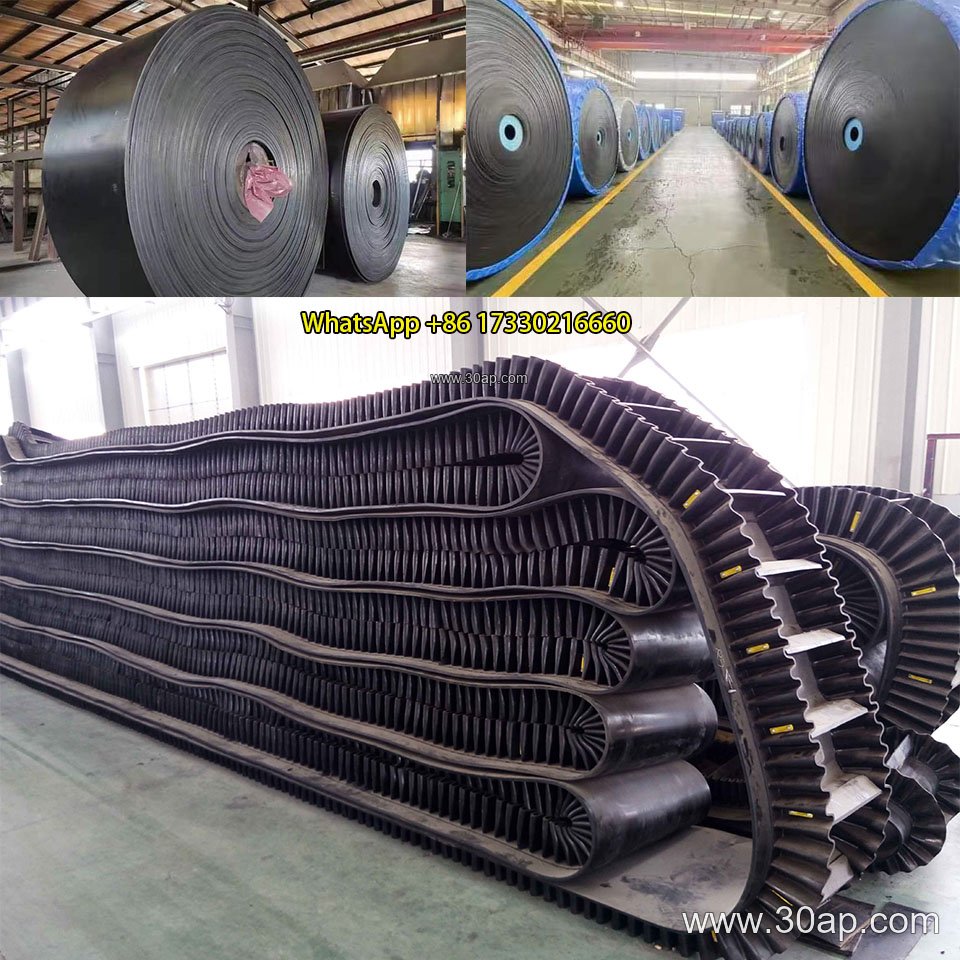
Fabric core belts are often supplied with special features: chevron conveyor belt profiles for inclined conveying, corrugated sidewall belts for steep angles, and skirted edges to contain material. These variants share the same fabric carcass but add surface or edge modifications for specific handling needs.
Where Fabric Core Belts Are Used
The versatility of fabric core belting makes it common in many industries. In mining and coal mining, flame retardant and anti-static grades are frequently required for underground mining conveyor systems. Quarries and aggregate plants use abrasion resistant conveyor belts to handle crushed stone, sand, and gravel. Cement plants rely on heat resistant conveyor belts for clinker and kiln feed, while power plants use fabric core belts for coal and ash handling. Other applications include steel plants, ports, recycling facilities, and stone crushing lines.
For heavy-duty mining conveyor belts, multi-ply fabric core conveyor belts with EP or NN carcass provide the necessary strength and impact resistance. In systems where space is limited or steep inclines must be negotiated, a chevron conveyor belt or corrugated sidewall conveyor belt can be a suitable alternative to standard flat belts, but the fabric core remains the load-bearing element.
Common Specifications and Ratings
Fabric core conveyor belts are available in a range of tensile strengths and widths. The table below lists typical reference values; actual selection depends on the conveyor design, material characteristics, and operating conditions. These figures are for guidance only and should be confirmed with the belt manufacturer.
| Parameter | Common Reference Values |
|---|---|
| Fabric type | EP (polyester-nylon), NN (nylon-nylon) |
| Tensile strength (EP) | EP200, EP315, EP400, EP500, EP630, EP800, EP1000, EP1250, EP1600, EP2000 |
| Belt width | B500, B650, B800, B1000, B1200, B1400, B1600, B1800, B2000 |
| Cover thickness | 3+1.5 mm, 4+2 mm, 5+2 mm, 6+2 mm, 8+3 mm |
| Number of plies | 2 to 6 (common) |
When selecting a belt, consider the maximum lump size, material temperature, abrasion index, and whether oil or chemicals are present. For cold climates, a cold resistant conveyor belt may be needed; for high-temperature materials, a heat resistant grade is appropriate. Flame retardant and fire resistant conveyor belts are essential in coal mining and other hazardous environments.
Buyer Checklist for Fabric Core Belts
Before ordering a fabric core conveyor belt, gather the following information:
- Conveyor center distance and lift, to calculate required tensile strength.
- Belt width and speed, to match material throughput.
- Material properties: bulk density, lump size, moisture, temperature, and abrasiveness.
- Environmental conditions: indoor/outdoor, temperature range, presence of oil or chemicals.
- Required cover grade and any special features such as chevron or sidewalls.
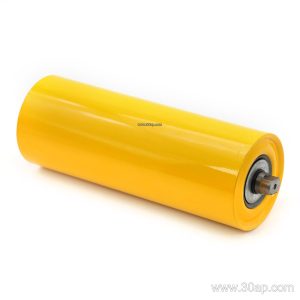
Also consider the compatibility with conveyor pulleys, idler rollers, and conveyor brackets. The belt’s flexibility and thickness affect training and troughing performance. For example, a thick conveyor belt with multiple plies may require larger pulley diameters to avoid excessive bending stress. However, no fixed rule links a specific belt width to a particular pulley diameter; the conveyor designer should determine the appropriate pulley size based on belt construction and tension.
Finally, verify that the belt supplier provides consistent quality and documentation for the fabric core conveyor belt, including ply adhesion and cover properties. Regular inspection and proper maintenance of idler rollers and pulleys will extend belt life in any mining, cement, or power plant application.