What a Fixed Conveyor Bracket Does on a Belt Line
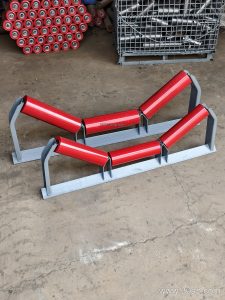
A fixed conveyor bracket is the rigid support that holds idler rollers at a set position and a set trough angle. Unlike an adjustable bracket, it has no sliding or pivoting feature, so the geometry is locked once the frame is installed. On a quarry conveyor or a cement plant transfer line, this predictable position keeps the belt profile steady and reduces the chance of misalignment developing over time. The bracket works together with the conveyor belt, the idler roller and the conveyor pulley, but its own job is simple: hold the rollers where the design says they should be.
The same product appears under several accurate names, including fixed roller bracket, stationary idler support and fixed conveyor frame bracket. These all refer to the same non-adjustable support component.
How the Bracket Is Built
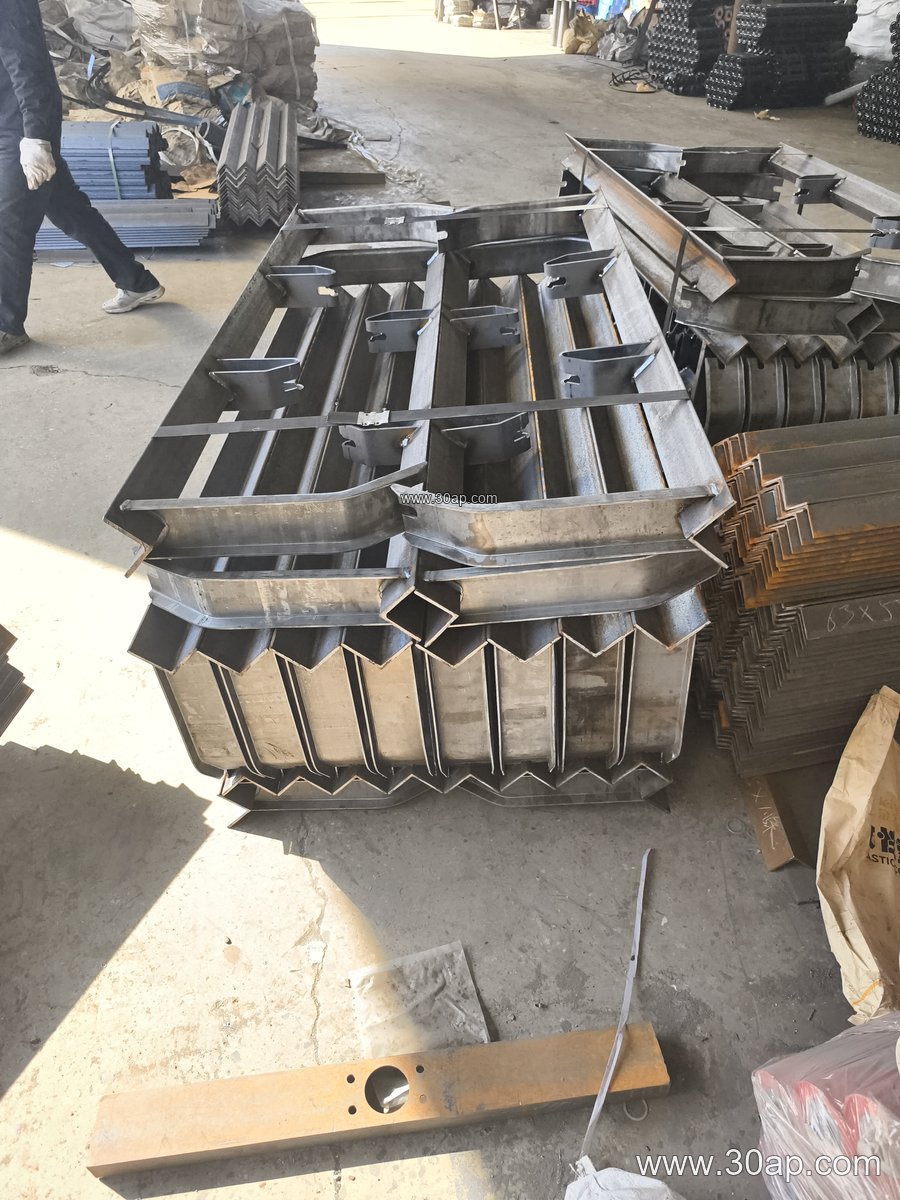
Most fixed brackets are fabricated from angle steel, channel steel or folded steel plate. The material choice depends on load, span and the environment. In a coal mining conveyor or an iron ore plant, dust and moisture push fabricators toward heavier sections and good surface protection. A typical bracket assembly includes the cross beam, the mounting pads or slots for the idler roller, and the connection points to the main conveyor frame.
Common structural details include:
- Angle steel frames for lighter duty and shorter spans
- Channel steel or folded plate for wider belts and heavier loads
- Welded or bolted idler seats sized to the chosen roller shaft
- Mounting hole spacing and beam length set by belt width and trough angle
Because hole spacing follows the design, a fixed support should be ordered against a drawing or a clear specification, not guessed from belt width alone.
Where Fixed Supports Fit Best
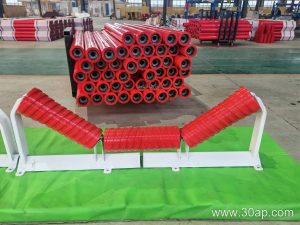
Fixed brackets suit sections where the belt path is already defined and does not need tuning during operation. Loading zones in a sand and gravel line, the straight runs of a power plant coal conveyor, and the discharge area before a crusher conveyor are typical examples. In these places the trough angle is chosen at the design stage, and the support simply repeats that angle along the line.
Adjustable brackets are more useful at transition points, at the tail end near a bend pulley, or where a belt is known to wander. A fixed bracket is not a replacement for those adjustable positions; it is the right choice where stability matters more than fine tuning. Similarly, a fixed trough bracket is a different component from a return bracket or a V-type return support, and each should be specified for its own location on the conveyor.
Band Width, Trough Angle and Roller Diameter
These three values drive the bracket design, and they are not locked to one another. A B800 belt can run at 30 or 35 degrees with a Ø108 roller, while a B1200 line might use 45 degrees and Ø133. What matters is that the bracket, the roller seats and the beam length all match the same drawing.
| Parameter | Common Reference Range | Note |
|---|---|---|
| Belt width | B500, B650, B800, B1000, B1200, B1400, B1600, B1800, B2000 | Beam length and hole spacing change with width |
| Trough angle | 20, 30, 35, 45 degrees | Set by design; fixed brackets do not adjust |
| Roller diameter | Ø89, Ø108, Ø133, Ø159, Ø194 | Match the idler roller shaft and seat |
| Material | Angle steel, channel steel, folded plate | Selected by load and environment |
On a heavy-duty mining conveyor carrying abrasive ore, a wider belt and a larger roller diameter usually mean a stiffer bracket. On a short aggregate conveyor, a lighter angle steel frame may be enough. These are design decisions, not fixed rules.
Buyer Checklist Before Ordering
Confirm the belt width, the required trough angle and the idler roller diameter first. Then check the mounting hole spacing and the connection detail to the main frame, since these are rarely universal. Ask how the bracket will be protected against corrosion if the site is wet or coastal. For coal mining and underground mining conveyor applications, confirm that the bracket material and coating suit the local dust and moisture conditions.
It also helps to state the belt type the line runs, because a steel cord conveyor belt, an EP conveyor belt or a flame retardant conveyor belt may call for different support stiffness and spacing. A fabric core conveyor belt on a moderate duty line and a thick abrasion resistant conveyor belt on a primary crusher discharge will not use the same bracket schedule.
Installation and Maintenance Notes
Install fixed brackets square to the belt centerline and at the same height across the frame. A bracket that sits slightly high or twisted will tilt the idler roller and start edge wear on the conveyor belt. Check bolt tightness after the first weeks of running, and inspect for bent beams or cracked welds after impact events at loading points. Replacing a damaged fixed bracket with the same drawing keeps the trough profile consistent along the whole run.