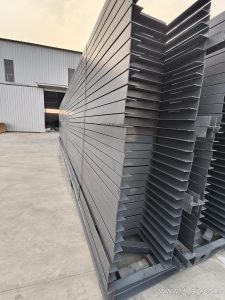
What an Underground Mining Conveyor Idler Does
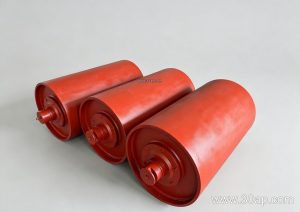
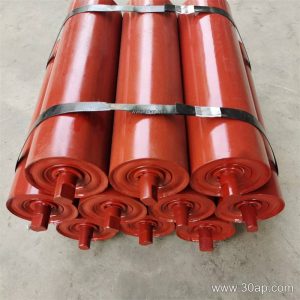
An underground mining conveyor idler is the rotating support that carries the conveyor belt along the load-carrying and return runs of a troughed conveyor. In a tunnel or shaft, space is tight and the belt is often the only practical way to move coal, ore or waste rock, so the idler has to keep the belt tracking, limit sag between frames and protect the belt cover against abrasion. The same assembly, often simply called an idler roller or carrying roller, appears on the return side too, where it holds up the empty belt.
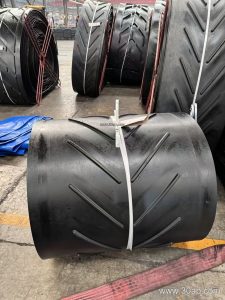
Because the belt carries the material, the idler does not drive anything. It only rolls. That simple job becomes demanding when the belt is a heavy-duty mining conveyor belt moving wet, sharp or hot material in a dusty environment.
How the Roller Is Built
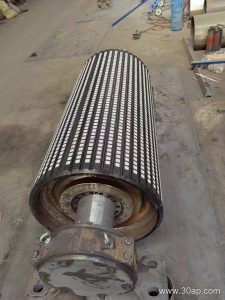
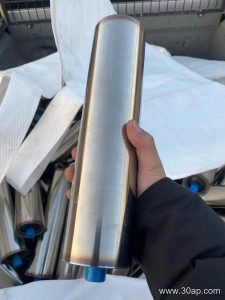
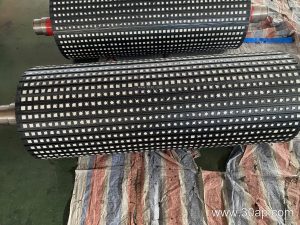
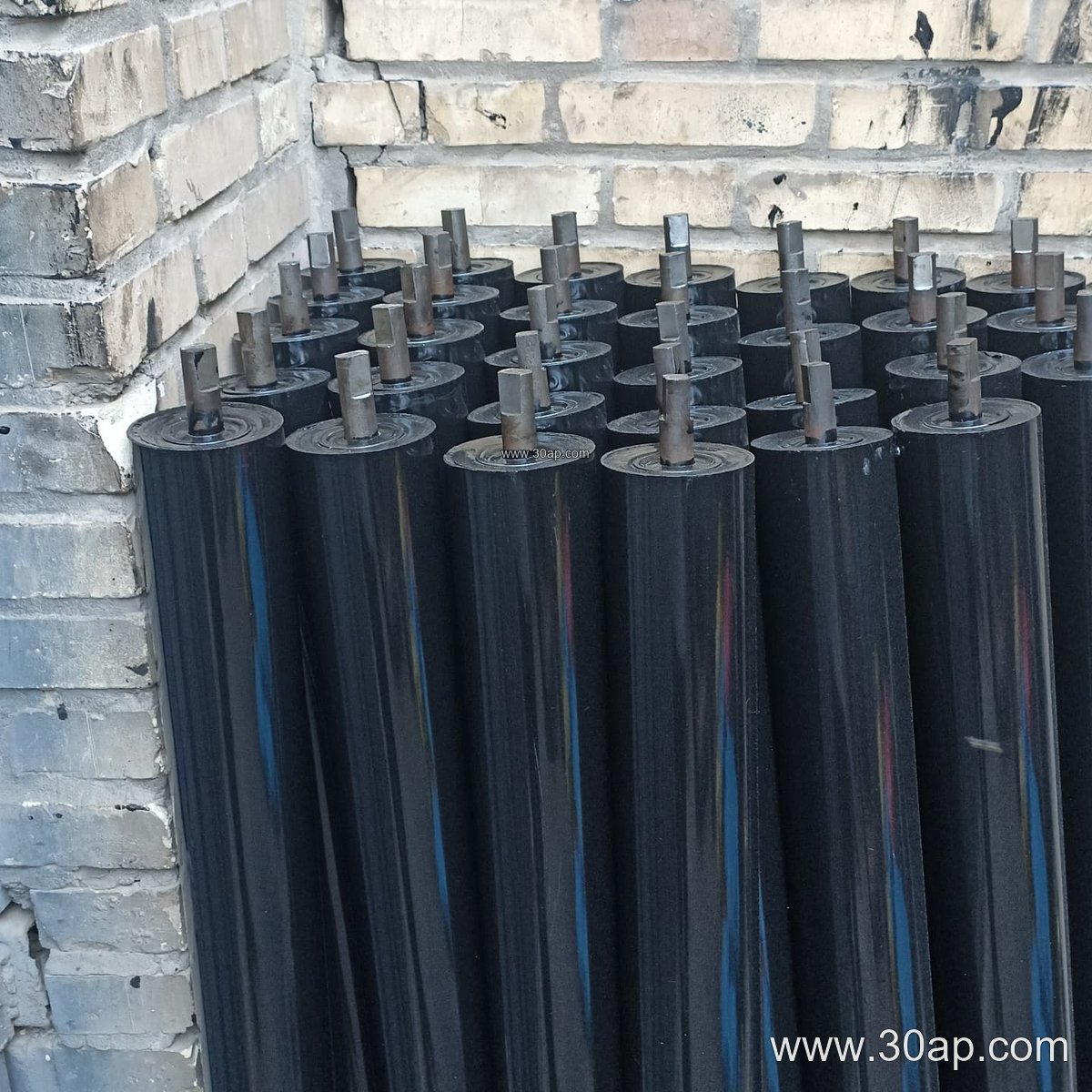
A typical carrying idler has a steel tube shell, two bearing housings pressed into the ends, a shaft that spans the frame, and a sealing arrangement that keeps dust and water out of the bearings. The shell may be plain steel, nylon-coated, ceramic-covered or fitted with rubber rings for impact absorption. Bearings are usually deep-groove ball bearings such as 6204, 6205, 6305, 6306, 6308 or 6310; the correct bearing depends on the load and the shaft, not on the belt width alone.
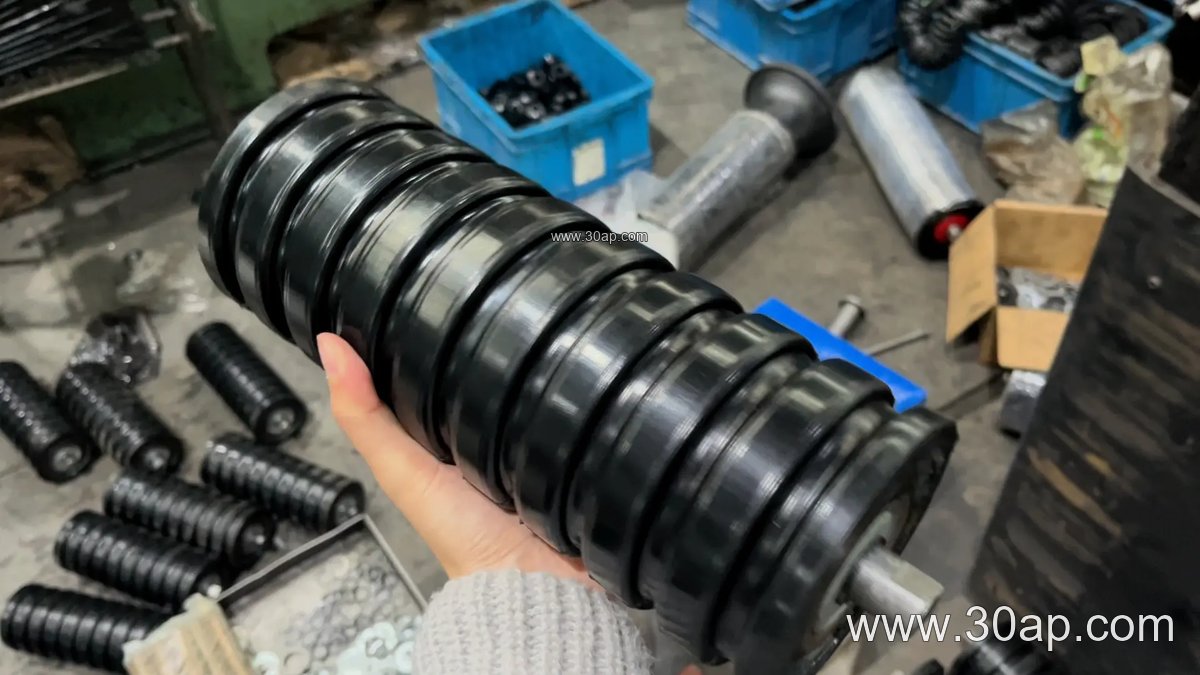
Sealing matters more underground than on the surface. A labyrinth seal with grease retention, combined with a dust lip, is common on idlers intended for coal and ore handling. Poor sealing shortens bearing life and then seizes the roller, which drags on the belt and can start a fire risk in a coal mine.
Troughing Sets and Roller Diameters
Carrying idlers are grouped into two-roll and three-roll troughing sets. A three-roll set with a 20, 30, 35 or 45 degree trough angle is common, and the trough angle affects how the material sits: a deeper trough holds a larger load but raises the side pressure on the belt edges. Roller diameter is chosen with belt speed, load and frame spacing in mind, and common diameters include 89, 102, 108, 127, 133, 159 and 178 mm. The table below shows typical combinations; these are examples, not fixed pairings.
| Belt width (B) | Typical center roll length | Common roller diameters |
|---|---|---|
| B500 | about 200 mm | 63, 76, 89 mm |
| B650 | about 250 mm | 76, 89, 102 mm |
| B800 | about 315 mm | 89, 102, 108 mm |
| B1000 | about 380 mm | 102, 108, 127 mm |
| B1200 | about 465 mm | 108, 127, 133 mm |
| B1400 | about 530 mm | 127, 133, 159 mm |
| B1600 | about 600 mm | 133, 159, 178 mm |
| B1800 | about 670 mm | 159, 178, 194 mm |
Side rolls are usually shorter than the center roll, and the exact length is set by the trough angle and the bracket design. A buyer should not assume that one belt width can only match one pulley diameter or one shaft size.
Where the Idler Is Used
The most common setting is a coal mine, where flame retardant conveyor belt and anti-static conveyor belt run in restricted galleries. Idlers also serve ore conveyors in an iron ore or copper ore mine, cement plant raw-material lines, power plant coal handling, and quarry or aggregate conveyor belt systems feeding a crusher. In a tunnel or underground mine, the return idler may be a V-type or a flat return roller that gives the belt a slight center support and helps training.
Special positions call for special rollers. Impact idlers with rubber rings sit under the loading point to absorb the drop of rock. Self-aligning idlers, including friction and tapered types, correct a belt that wanders. Spiral rollers shed sticky material on the return run. These are variations on the same product, not replacements for the main carrying idler.
What a Buyer Should Check
- Belt width and trough angle, so the roll length and bracket fit the existing frame.
- Load and belt speed, which guide roller diameter, shell thickness and bearing class.
- Sealing and bearing quality for dusty or wet conditions, plus the grease nipple position.
- Shell material and coating: steel for general service, rubber rings at transfer points, ceramic or nylon where wear is severe.
- Compatibility with the conveyor belt type, such as a multi-ply fabric core conveyor belt or a steel cord conveyor belt, and with the conveyor pulley and conveyor bracket already installed.
Spare parts planning should also cover the frame spacing and the number of rollers per set, because a mismatched set will cause belt misalignment and edge damage. For more details on matching idlers to a belt line, see https://www.jsconveyorbelt.com underground mining conveyor idler guidance.