What an EP200 Conveyor Belt Is
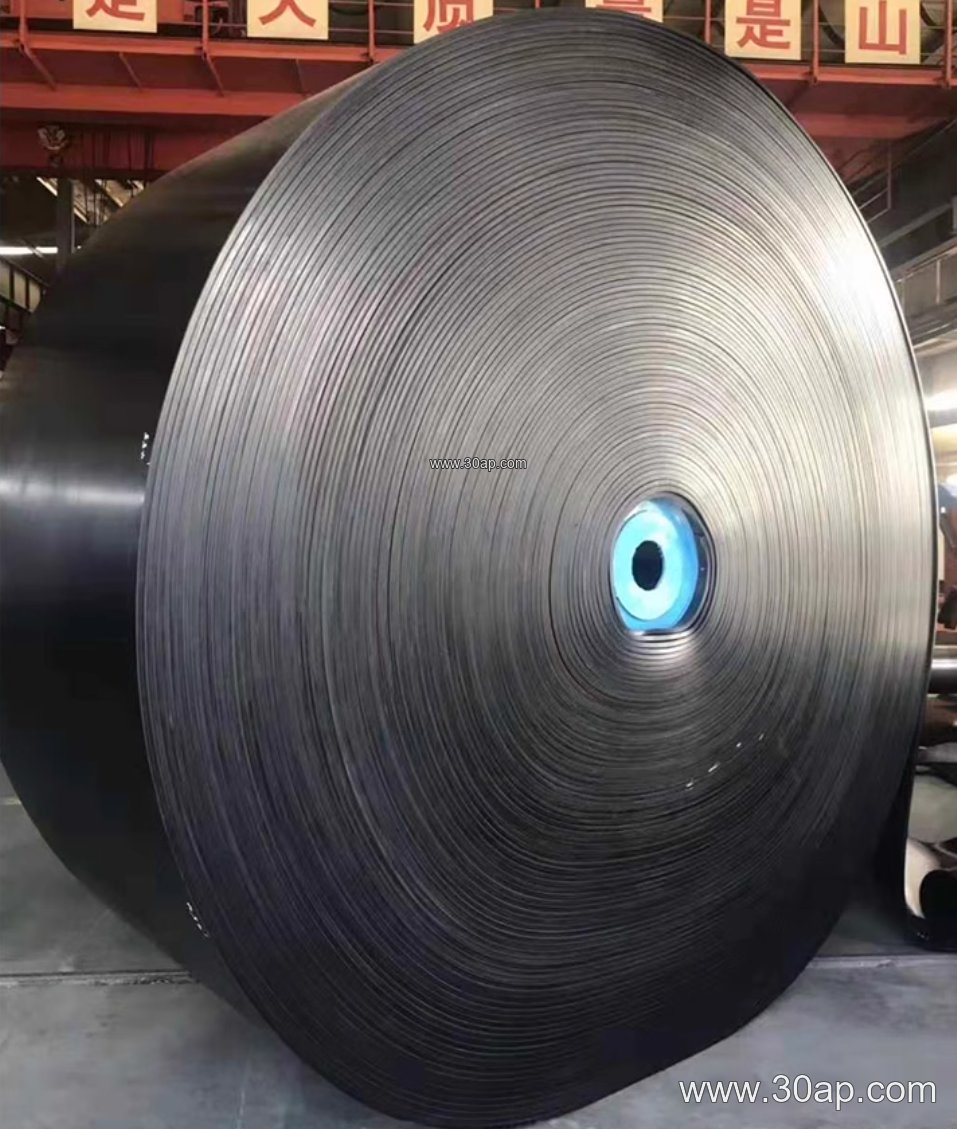
An EP200 Conveyor Belt is a fabric-core rubber belt built on polyester (E) and nylon (P) warp and weft yarns, with a nominal tensile strength of 200 N/mm per ply. It sits in the lower-middle range of the EP family, below EP315, EP400, EP500, EP630 and EP1000, so it suits medium-duty runs rather than the heaviest primary crushing duty. Buyers often call it an EP200 rubber conveyor belt or an EP fabric core conveyor belt; both refer to the same product with the same polyester-nylon carcass.
The carcass is the part that carries tension. EP yarns are stiffer and lower-stretch than pure nylon, which helps a belt hold its length on long centres and keeps take-up travel modest. The cover rubber protects the carcass from abrasion, heat, oil or flame, depending on the compound selected.
How the Belt Is Built
- Carcass: typically two to six plies of EP fabric, impregnated and bonded with rubber friction and skim layers.
- Top cover: abrasion resistant, flame retardant or heat resistant compound, commonly 3+1.5 mm, 4+2 mm, 5+2 mm, 6+2 mm or 8+3 mm in total cover combinations.
- Edges: cut and sealed, or moulded for better resistance to edge wear in quarry conveyor belt service.
- Joints: vulcanised splice for permanent installations, or mechanical fasteners where the run must be short and quickly repaired.
Ply count and cover thickness are chosen by design, not by habit. A 4+2 mm cover on a four-ply carcass behaves very differently from the same cover on two plies.
Where It Fits in the Plant
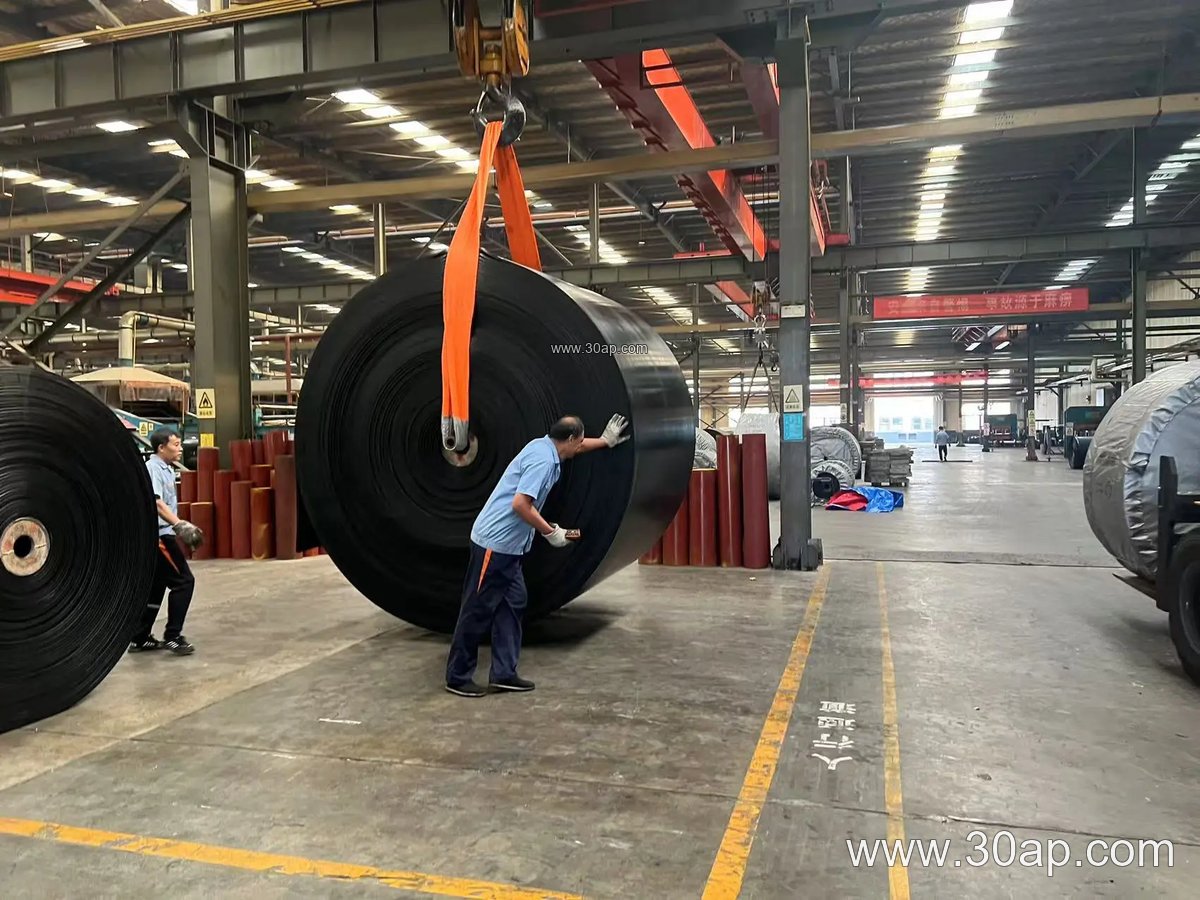
Typical duties include secondary and tertiary crushing circuits, screening plants and stockyard links. In a sand making plant conveyor belt line, an EP200 rubber conveyor belt often moves sized aggregate from screens to stockpiles. In a cement plant, it may feed clinker coolers or transfer raw meal where abrasion is moderate. Power plant coal conveyor belt runs and port ship loading systems also use it when the duty is below heavy-duty mining conveyor belt class.
It is less suited to the primary discharge under a jaw crusher, where impact resistant conveyor belt grades or a steel cord conveyor belt may be more appropriate. For underground coal mining conveyor belt duty, a flame retardant conveyor belt or PVG800S conveyor belt is usually specified instead, because fire safety rules override pure tensile choice.
Common Widths and Strengths
The table below shows reference values; actual supply depends on the manufacturer and the conveyor design.
| Parameter | Common reference range |
|---|---|
| Strength grade | EP200 (also EP315, EP400, EP500, EP630, EP800) |
| Belt width | B500, B650, B800, B1000, B1200, B1400, B1600, B1800 |
| Cover combination | 3+1.5 mm, 4+2 mm, 5+2 mm, 6+2 mm, 8+3 mm |
| Ply count | Usually 2 to 6 plies |
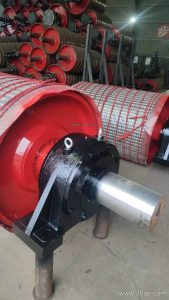
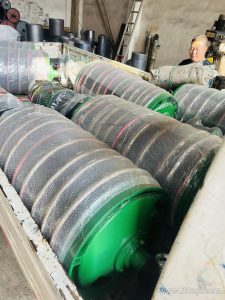
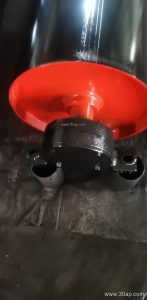
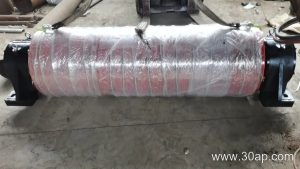
Do not assume that one belt width fixes one pulley diameter. A 1000mm wide EP200 conveyor belt can run on different conveyor pulley sizes depending on tension, wrap angle and shaft load. The drive pulley, tail pulley and bend pulley are separate components with separate duties and are not interchangeable.
Selection Notes for Buyers
Start with the duty: material, lump size, throughput, incline and ambient conditions. Then confirm tension with the conveyor designer, because the belt grade must match the calculated working tension with a sensible safety factor. A high strength conveyor belt is not automatically the right answer; over-specifying adds weight and cost without improving life.
Check the environment. Hot clinker or sinter calls for a heat resistant conveyor belt. Oily scrap or recycled material suggests an oil resistant conveyor belt. Cold climates need a cold resistant conveyor belt. Where dust and static are a concern, an anti-static conveyor belt grade is worth discussing. Inclined transfers may need a chevron conveyor belt or corrugated sidewall conveyor belt to stop material rollback, and these are different products, not substitutes for a flat EP200 belt.
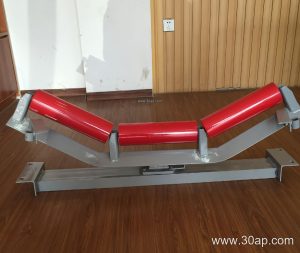
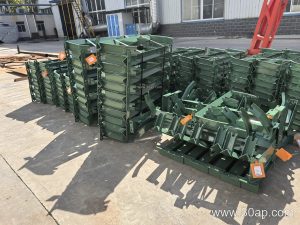
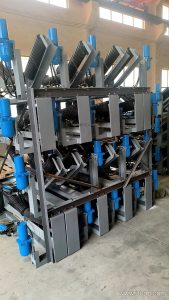
Finally, review the whole conveyor: idler roller alignment, conveyor pulley condition and conveyor bracket rigidity all affect belt life. A well-built EP fabric core conveyor belt will still fail early if a seized idler roller or a worn bend pulley cuts the cover. Ask for the splice method, cover thickness and ply count in writing before ordering.