What a Heavy-Load Pulley Does in a Conveyor
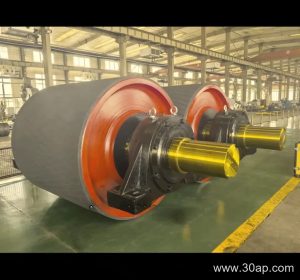
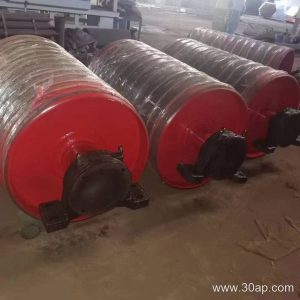
A heavy-load pulley is the drum that carries, drives, or redirects a conveyor belt where tonnage and tension are high. In a quarry, a limestone mine, or a cement plant handling clinker, this component sits at the center of the material flow. It is often the drive pulley at the head end, but it may also serve as a tail pulley, take-up pulley, or bend pulley depending on the layout. Each of those positions performs a different job, so drive, tail, and bend pulleys should never be treated as interchangeable names.
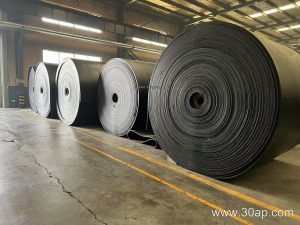
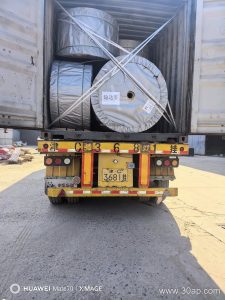
The belt itself matters just as much. A heavy-duty mining conveyor belt, an abrasion resistant conveyor belt, or a steel cord conveyor belt rated for ST1600 and above will transfer large forces into the drum. The pulley must be built to match that load, not merely to fit the belt width.
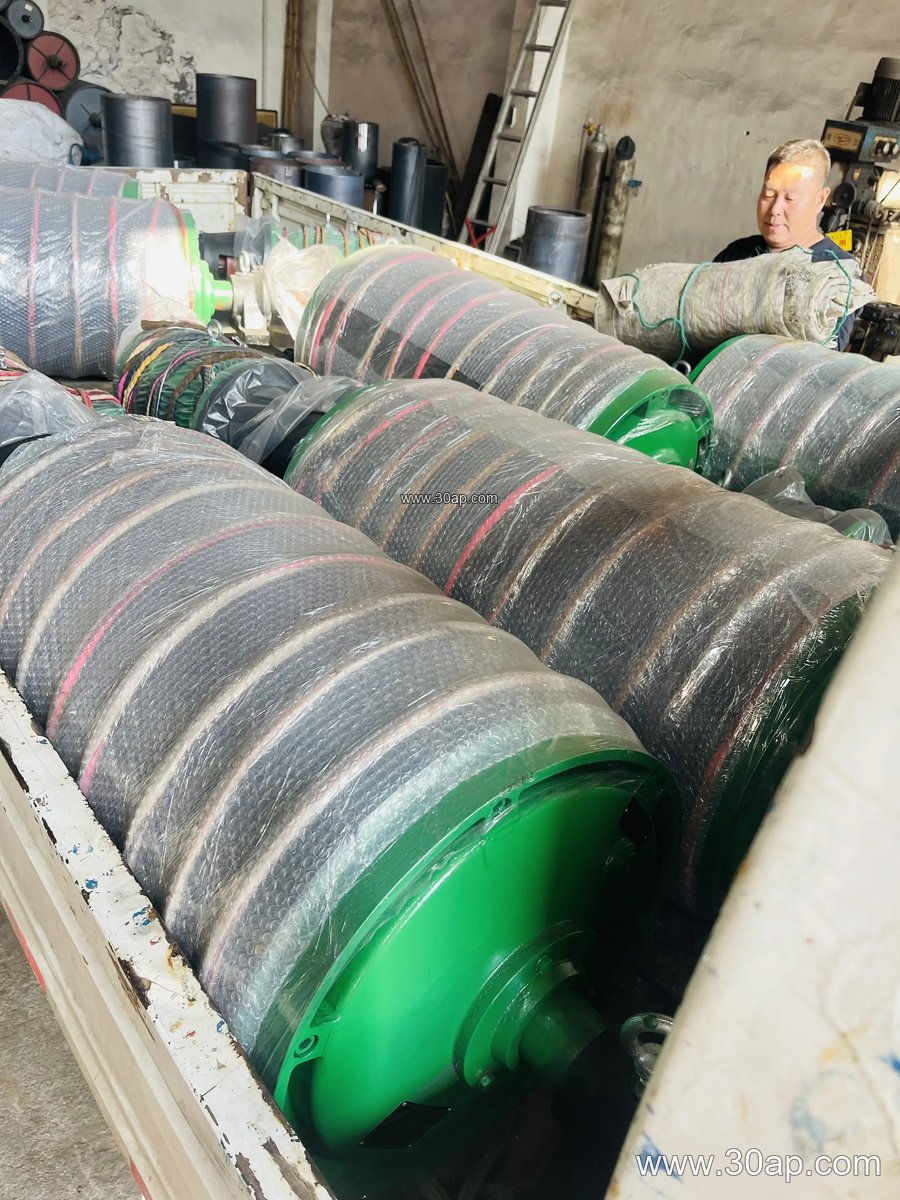
Construction and Surface Options
These drums are usually fabricated from rolled steel plate with welded hubs and a machined shell. Larger units may use a cast or forged hub design. The shaft is sized by torque and radial load rather than by belt width alone; common shaft diameters include Ø80, Ø100, Ø120, Ø140, and Ø160, with bigger sizes for the heaviest drives.
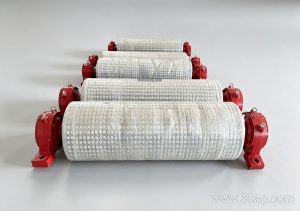
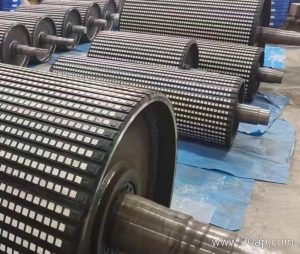
Surface treatment is a key buying decision. Plain shells suit some clean applications, while lagging improves grip and protects the shell. Rubber lagging is common, applied by cold bonding or hot vulcanizing, and ceramic lagging is chosen for high-wear drive positions. Herringbone or diamond patterns help shed water and fines.
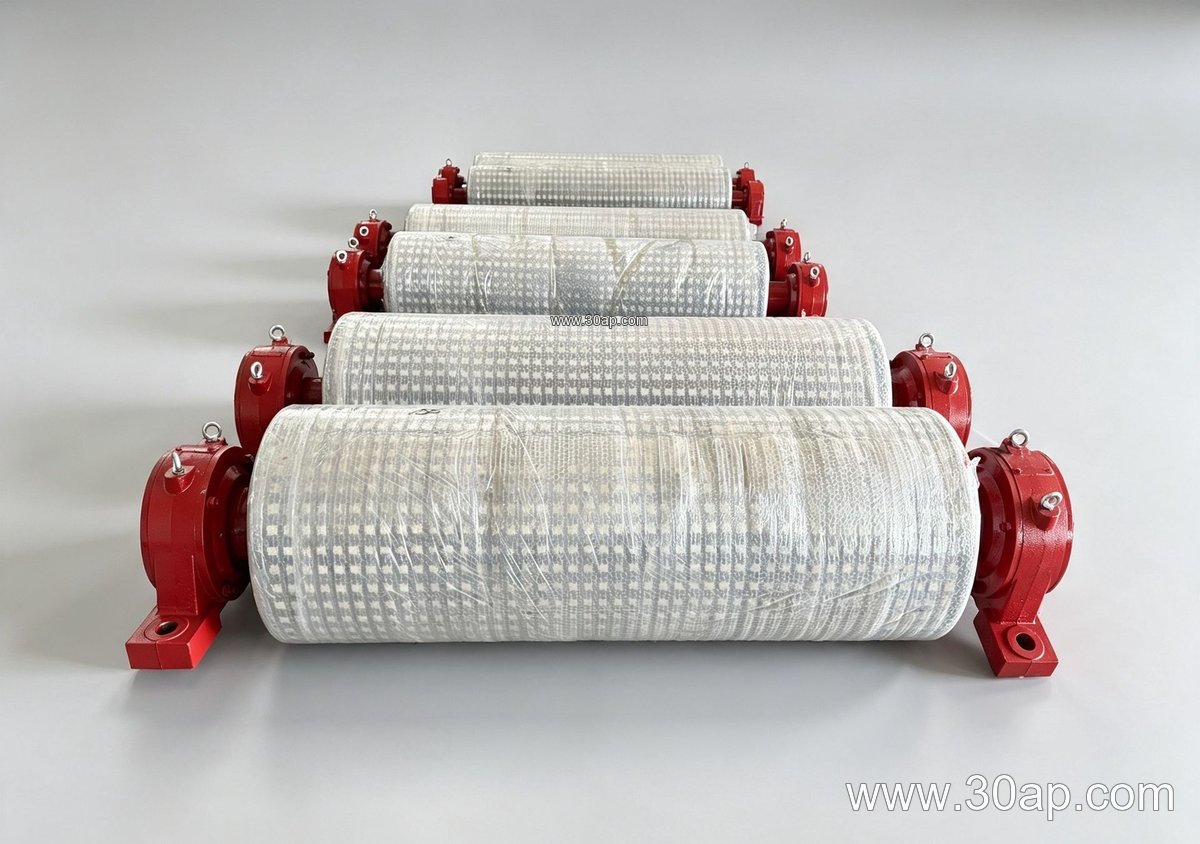
| Parameter | Common reference values |
|---|---|
| Belt width | B800, B1000, B1200, B1400, B1600, B1800 |
| Diameter | Ø400, Ø500, Ø630, Ø800, Ø1000, Ø1250 |
| Lagging thickness | 8, 10, 12, 15, 20 mm |
| Shell face width | Usually wider than belt, e.g. B1200 about 1400 mm |
| Shaft diameter | Ø80 to Ø200 typical, by design |
These figures are reference data, not fixed combinations. A B1200 belt might run on a Ø1000 heavy-load pulley in one plant and a different diameter elsewhere. The correct match depends on wrap angle, belt tension, and drive power.
Where It Fits in the Plant
In a coal washing plant or a power plant coal yard, a heavy-load pulley on the head drive handles steady tonnage with a flame retardant conveyor belt. In an iron ore or copper ore operation, the same style of drum may face sharp, abrasive material and needs ceramic or thick rubber lagging. Aggregate lines feeding a crusher often use a smaller heavy-load pulley at the tail, paired with impact idler rollers under the loading point.
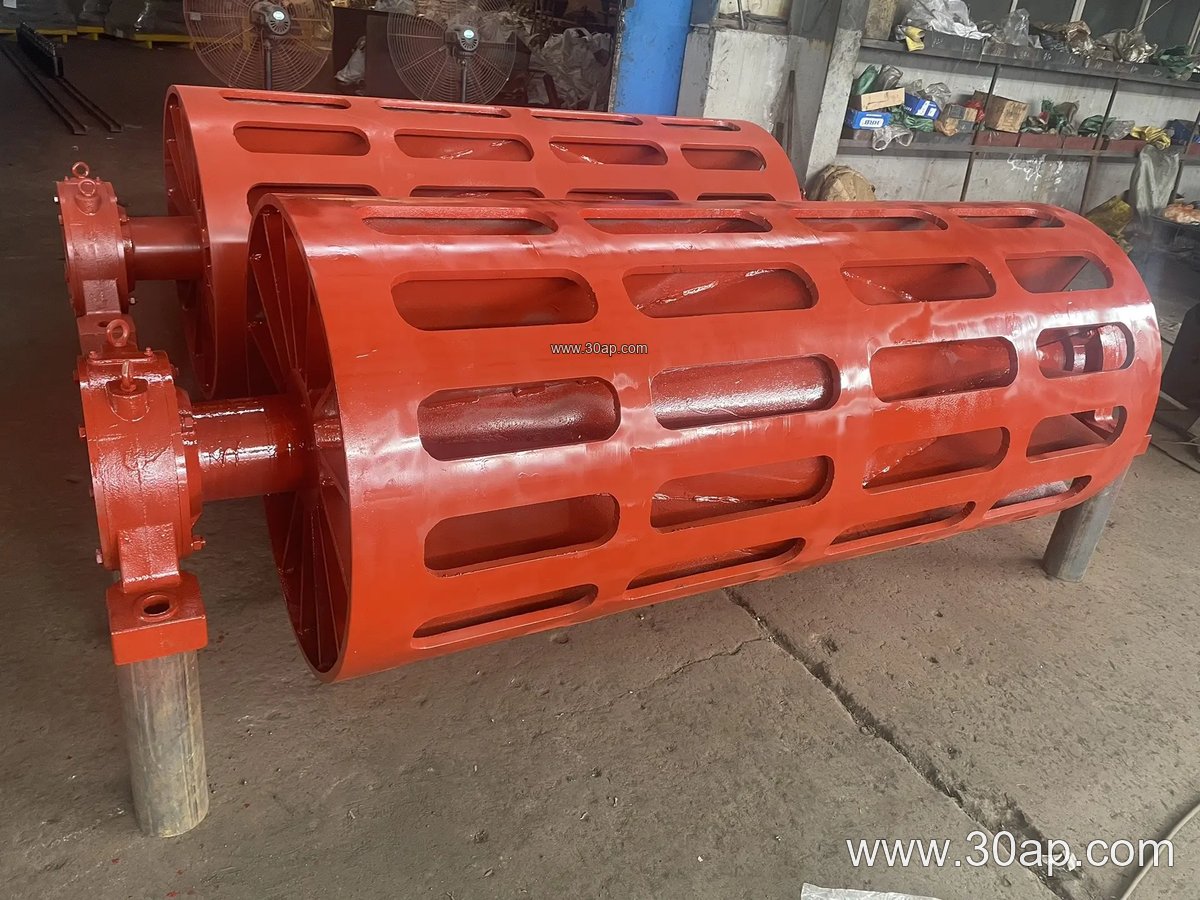
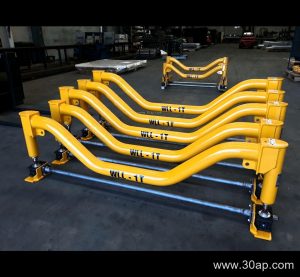
Port bulk terminals and ship loading conveyors use wide belts such as 1800mm or 2000mm, which call for large-diameter drums to limit belt bending stress. In each case, the pulley works with the conveyor bracket, the idler roller frames, and the belt tracking system, so alignment across the whole structure is important.
Selection Advice for Buyers
- Confirm the pulley position: head drive, tail, take-up, or bend. Each has different load and wrap requirements.
- State belt type and tension, for example an EP conveyor belt or a steel cord belt with ST2000 rating.
- Specify lagging type and thickness rather than leaving it open.
- Provide shaft and bearing details, or ask the supplier to calculate them from torque and load.
- Check that shell face width and pulley diameter suit the belt and the available space.
A drum that is oversized for the duty wastes money; one that is undersized wears out early or slips. Accurate data at the enquiry stage avoids both problems.
Maintenance Notes
Inspect lagging for wear and glazing, check bearing temperature, and verify that the pulley remains square to the belt. On a heavy-load pulley, lagging wear is the first sign of trouble, and replacing lagging early is cheaper than replacing the shell. Keep the belt clean and the take-up adjusted so the drum does not carry excess tension.