What an Integral Pulley Is
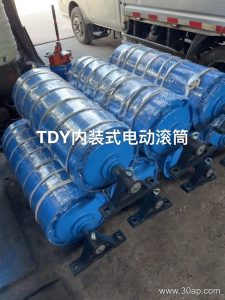
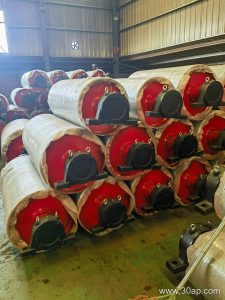
An integral pulley is a conveyor pulley whose shell, hub, and shaft assembly are built as one robust unit rather than as a loosely assembled set of separate parts. In many descriptions it is called a one-piece conveyor pulley or a solid-shell pulley, and the name points to the same product: the drum body and its end connections are engineered together so that the pulley behaves as a single structural element under load. This matters on bulk handling lines where the pulley must carry belt tension, material weight, and starting torque without loosening or shifting. Whether the line moves coal, clinker, ore, or aggregate, the pulley is one of the quiet workhorses that keeps the conveyor belt tracking and turning.
Buyers often meet this component alongside the conveyor pulley family, which includes drive, tail, and bend pulleys. Those are position-based roles, not interchangeable names, and an integral pulley can serve in more than one of them depending on the layout.
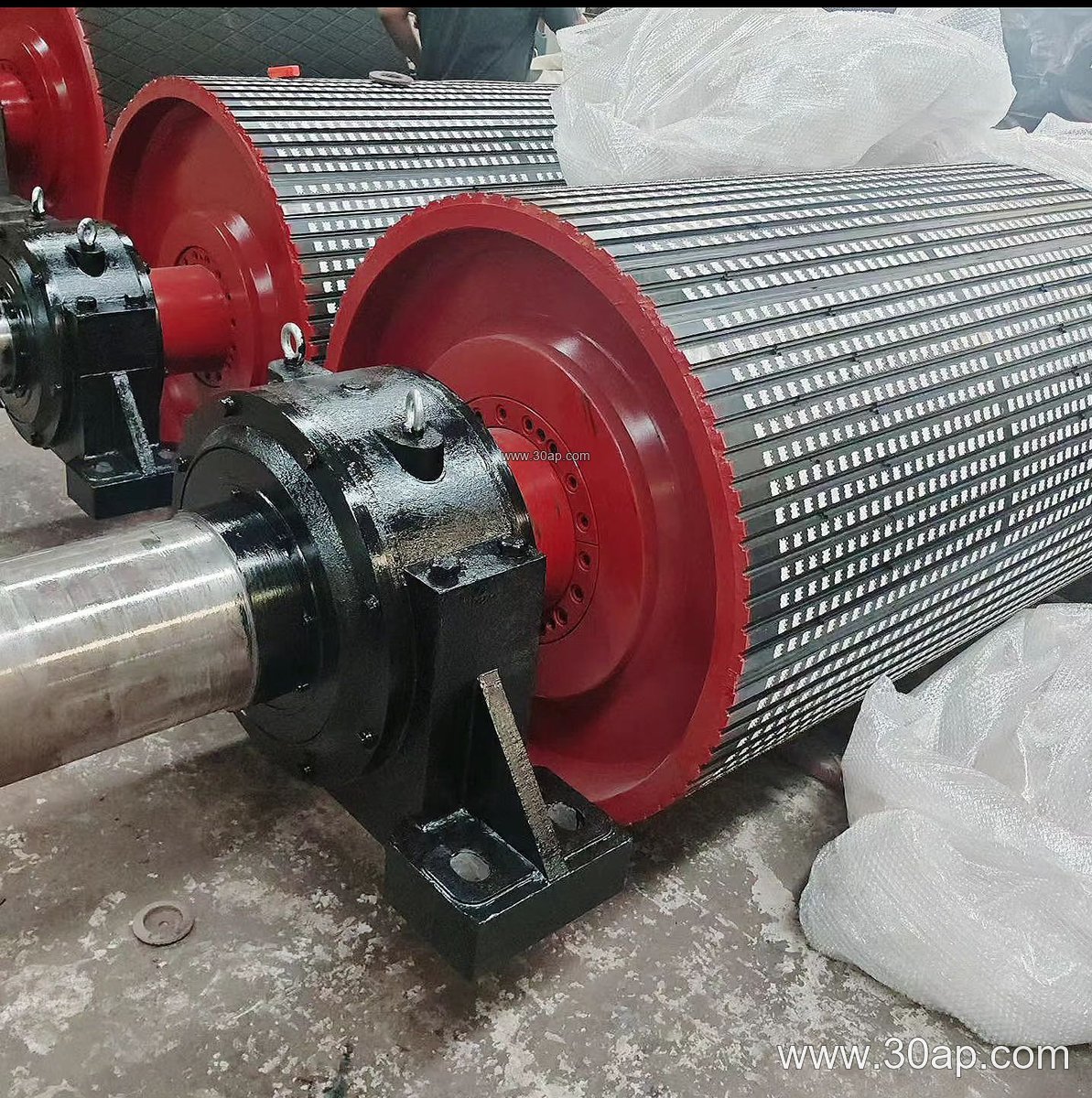
How the One-Piece Construction Works
The shell is usually a rolled steel cylinder, machined at the ends and joined to end discs or hubs with continuous welds. The shaft passes through the hubs and is keyed or shrink-fitted in place. Because the shell and hubs are unified, the load path from the belt to the shaft is short and direct, which helps limit shell deflection and reduces the chance of fatigue cracking at weld seams. Surface options include plain finish, cast rubber, cold-bonded rubber, hot-vulcanized rubber, diamond grooving, herringbone grooving, and ceramic lagging, with lagging thickness commonly 8, 10, 12, 15, or 20 mm.
Balance and concentricity are checked after machining, since an out-of-round shell will cause belt slap and vibration. Bearing housings, seals, and the conveyor bracket interface are matched to the shaft diameter, and shaft size is determined by torque and radial load, not by belt width alone.
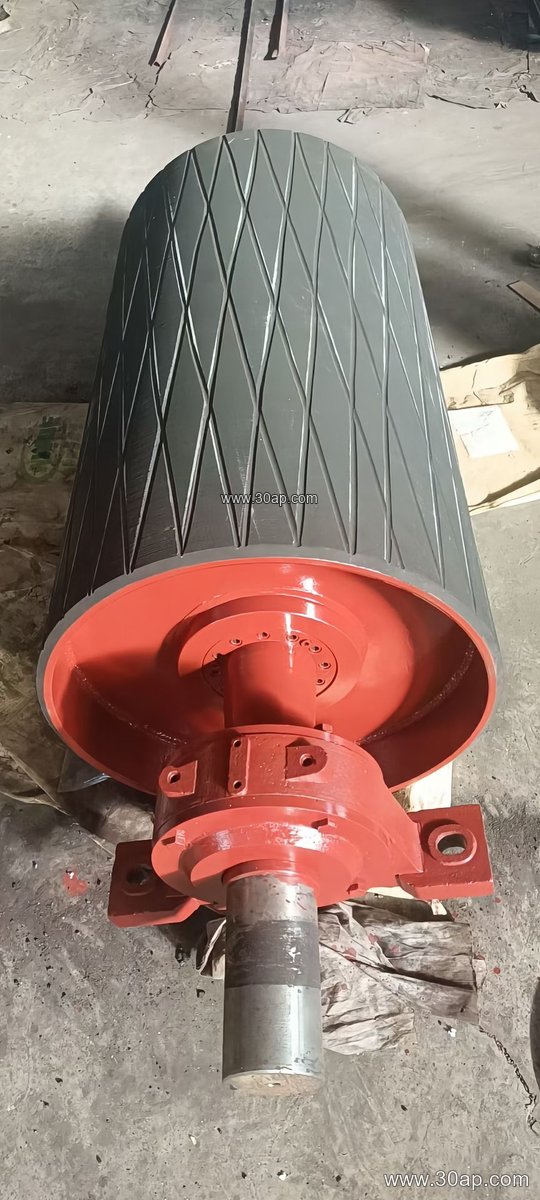
Where It Fits on the Line
In a quarry or sand and gravel plant, an integral pulley may act as the head pulley at the discharge point, where it takes the highest belt tension. In a coal preparation plant or power station coal yard, the same style can be used as a tail pulley or tension pulley, guiding the return strand. Cement plants use them on clinker and limestone circuits, while iron ore and copper ore operations rely on heavy shells to survive abrasive dust. Port bulk terminals, steel plants, and crushing and screening sections also use them where space is tight and a compact, stiff drum is preferred.
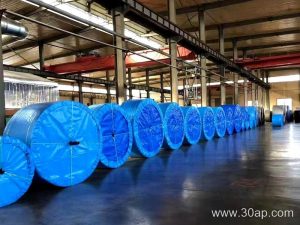
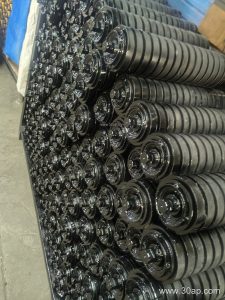
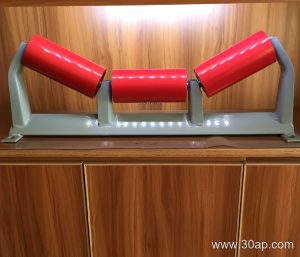
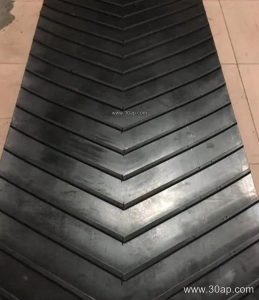
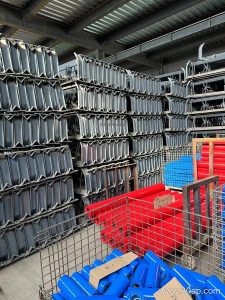
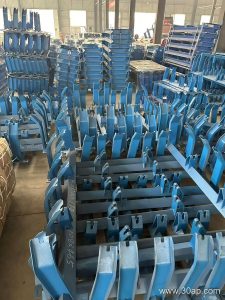
The pulley works together with the conveyor belt, idler roller sets, and frame brackets. A well-matched combination of abrasion resistant conveyor belt and a properly lagged drum keeps slip low and belt life long.
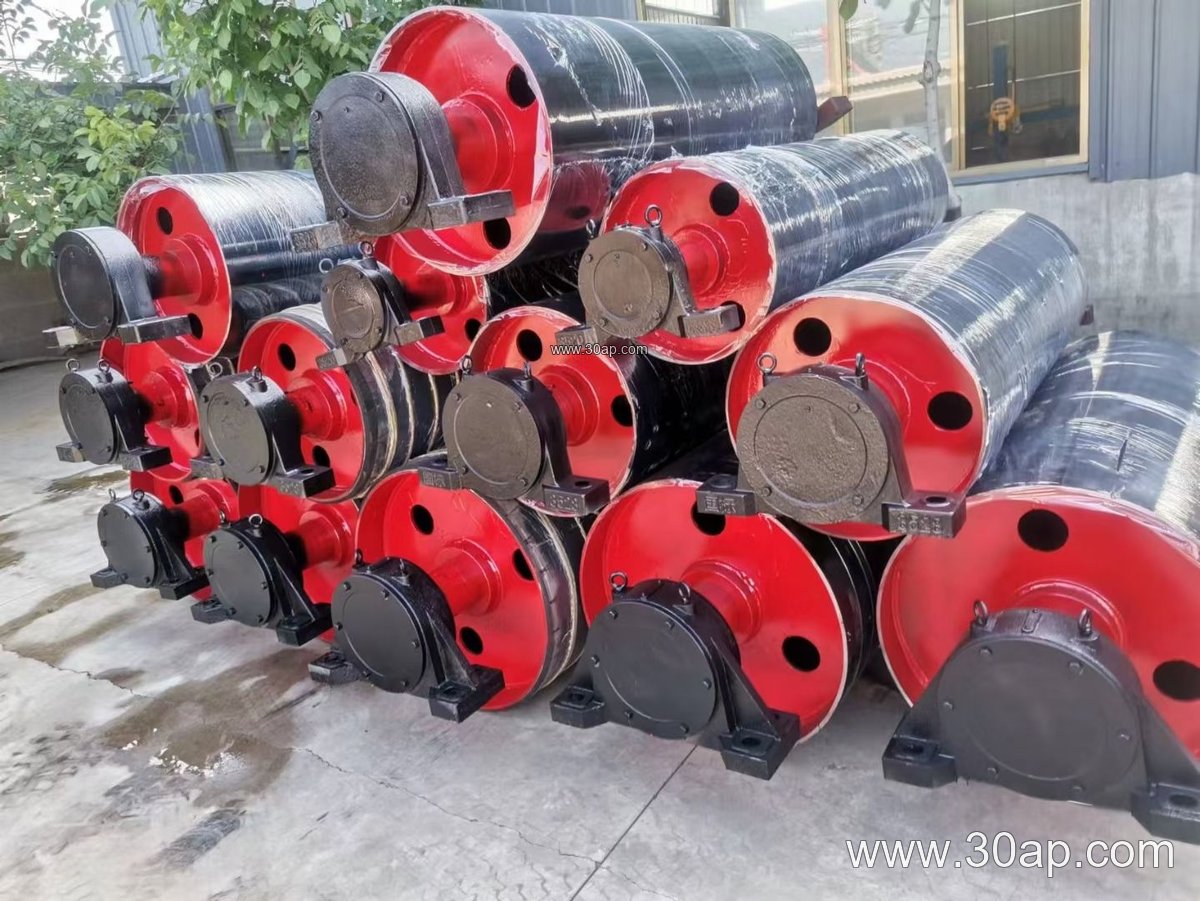
Common Reference Dimensions
The values below are typical reference ranges, not fixed pairings. Final sizing follows the conveyor design.
| Belt width (B) | Typical shell face width | Common pulley diameters |
|---|---|---|
| B400 | about 500 mm | Ø200, Ø250, Ø315 |
| B500 | about 600 mm | Ø250, Ø315, Ø400 |
| B650 | about 750 mm | Ø315, Ø400, Ø500 |
| B800 | about 950 mm | Ø400, Ø500, Ø630 |
| B1000 | about 1150 mm | Ø500, Ø630, Ø800 |
| B1200 | about 1400 mm | Ø630, Ø800, Ø1000 |
| B1400 | about 1600 mm | Ø800, Ø1000, Ø1250 |
| B1600 | about 1800 mm | Ø1000, Ø1250, Ø1400 |
| B1800 | about 2000 mm | Ø1250, Ø1400, Ø1600 |
| B2000 | about 2200 mm | Ø1400, Ø1600, Ø1800 |
Shaft diameters commonly range from Ø50 to Ø200 mm, selected by torque and load. Combinations such as B800 × Ø500 or B1200 × Ø1000 appear in designs, but one belt width does not dictate a single diameter.
Buyer Checklist
- Confirm the pulley role: head, tail, bend, tension, or snub position.
- State belt width, belt type, and operating tension so the shell and shaft can be sized together.
- Choose lagging for the duty: plain for light service, rubber or ceramic for wet and abrasive duty.
- Check shaft diameter against torque, not against belt width alone.
- Verify bearing size, seal type, and mounting bracket dimensions before ordering.
- Ask for balancing records and weld inspection details where the duty is heavy.
For harsh service, matching the drum with a flame retardant conveyor belt underground or a heat resistant conveyor belt near kilns and sinter lines helps the whole system last. At www.beltconveyorparts.com, integral pulley options and related conveyor components can be reviewed together with belt and idler data so the selection stays consistent.