Understanding the Conveyor Bracket’s Role
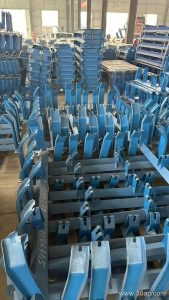
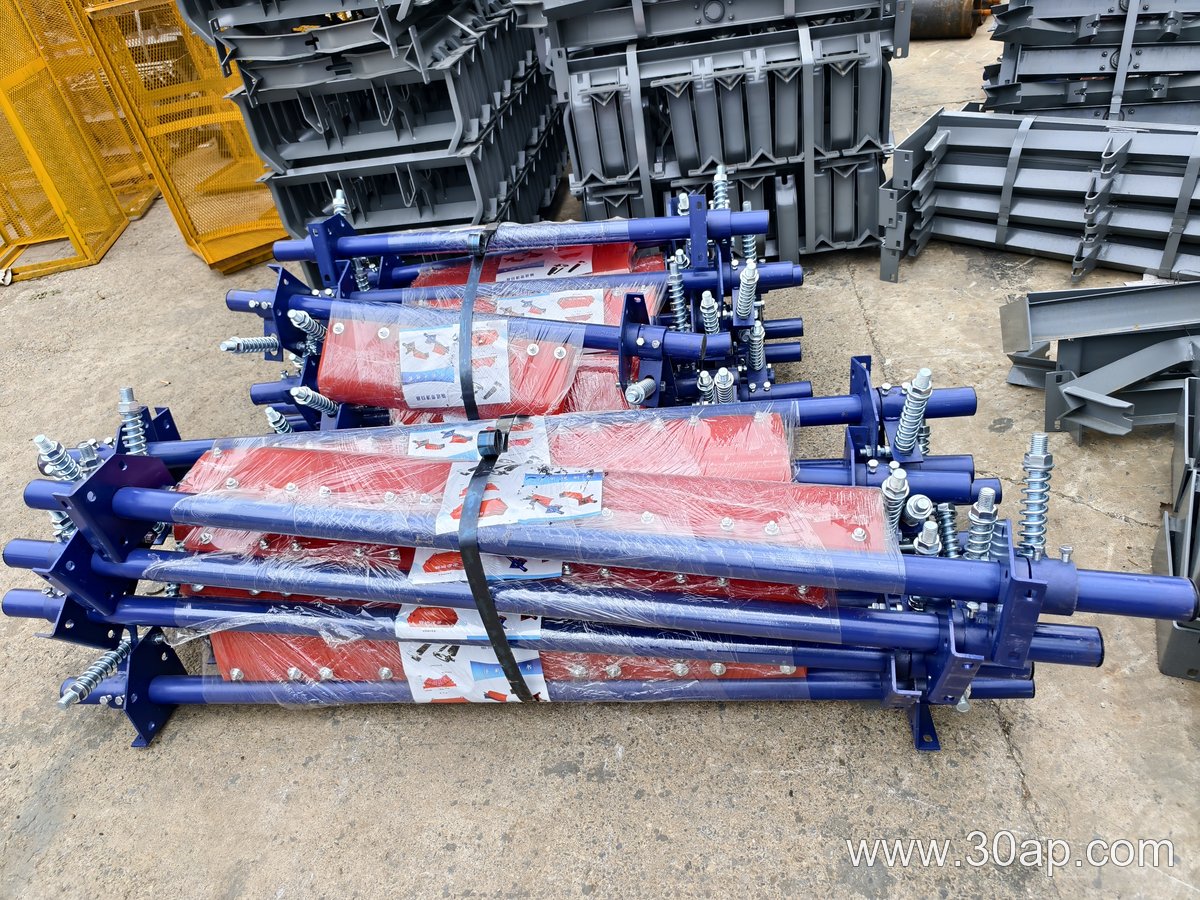
A conveyor bracket is not a mere accessory; it is the structural interface that secures rollers, idlers, and drives to your conveyor frame. Choosing the wrong bracket leads to misalignment, vibration, and premature bearing failure. For industrial buyers, this component dictates uptime more than any motor spec.
Material and Load Considerations
Steel brackets handle heavy aggregate and mining duty, while stainless variants resist washdown corrosion in food plants. Always match the bracket’s static load rating to your peak belt tension, not just average throughput. For high-speed lines, opt for precision-machined brackets that guarantee roller concentricity.
Selection and Purchasing Advice
- Measure exact slot spacing before ordering—metric vs. imperial frames are not interchangeable.
- Check weld vs. bolt-on designs: welded brackets suit permanent lines; bolt-on allows quick roller replacement.
- Ask for galvanized or powder-coated finishes in outdoor or dusty environments to prevent corrosion jamming.
- Request a sample bracket and test it with your actual roller shaft diameter—tolerances vary by 0.5 mm.
- Verify supplier lead time for custom angles; standard 90° and 45° brackets ship faster.
Installation Tip
Torque bolts to the manufacturer’s spec—overtightening warps the bracket face, causing belt snaking. For retrofit projects, buy a spare bracket set to keep line changes under one hour.
The Conveyor Belt: Backbone of Modern Material Handling
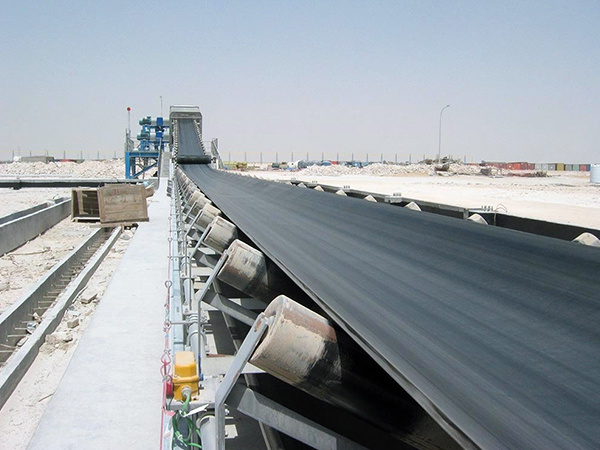
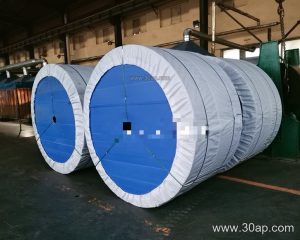
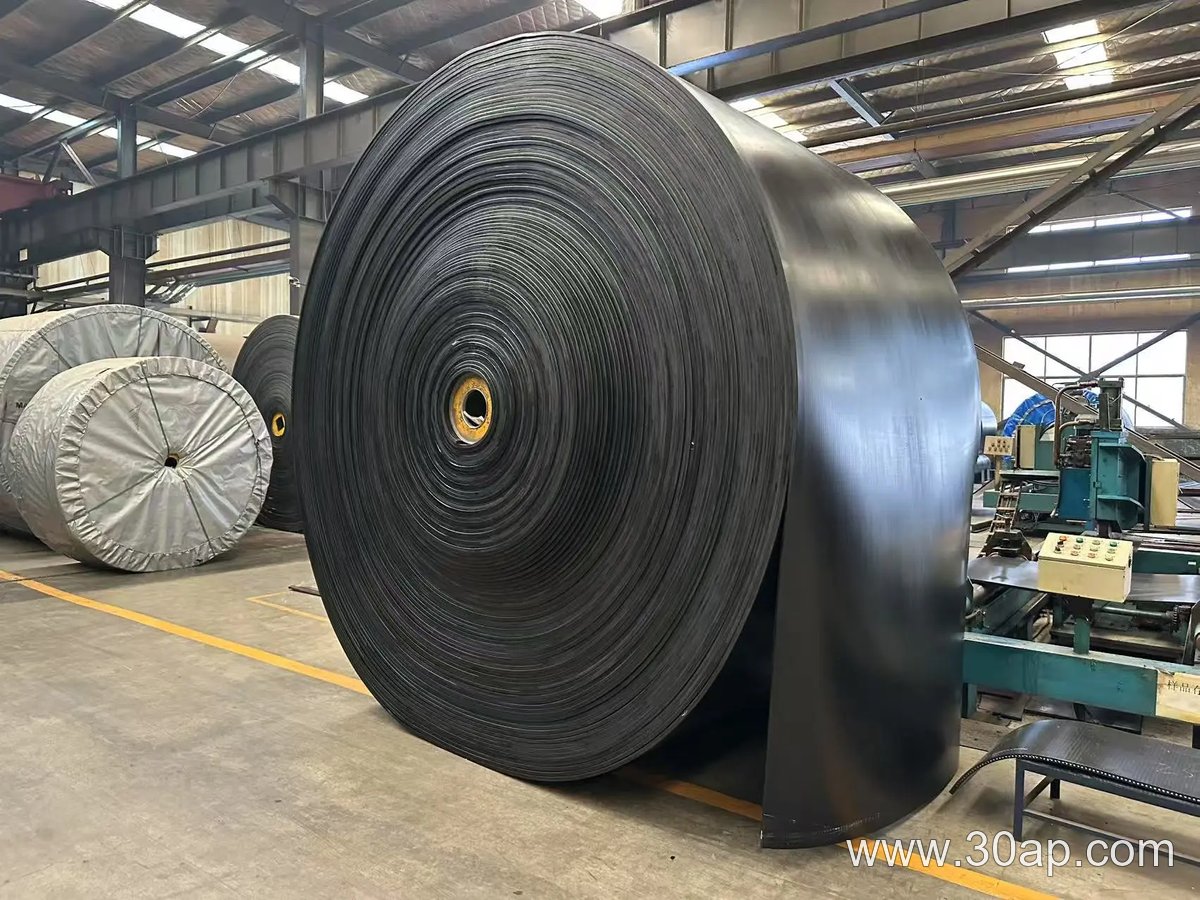
The conveyor belt remains the most reliable, cost-effective solution for moving bulk goods across manufacturing, mining, and logistics operations. Choosing the wrong belt leads to downtime, product damage, and inflated energy costs.
Key Selection Factors
Evaluate your material’s weight, abrasiveness, temperature, and chemical exposure. For sharp or heavy loads, prioritize a rubber or PVC belt with reinforced fabric or steel cords. For food or pharmaceutical lines, use hygienic, FDA-approved urethane belts.
Belt Construction and Maintenance
Inspect the carcass, cover thickness, and splice type. A thicker top cover extends life in high-impact zones. Ask for a vulcanized endless splice if you require smooth tracking and less cleanup.
Purchasing Advice
- Request a load test under your actual operational speed and incline.
- Confirm belt width and length with pulley centers, not just product width.
- Choose a reputable supplier offering on-site splicing and 24-hour spare parts.
Invest in a belt with a proper tension rating and idler spacing. A correctly sized conveyor belt reduces energy use by up to 15% and prevents premature failure. Always compare total cost of ownership, not just unit price, and verify that the belt meets your industry’s safety standards.
The Role of the Idler Roller in Conveyor Performance
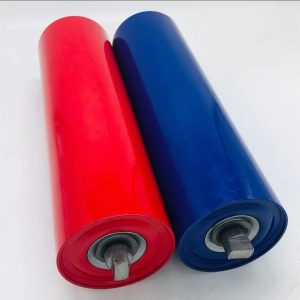
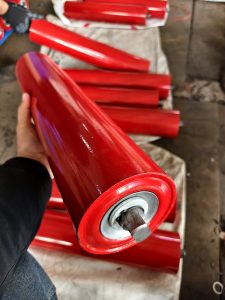
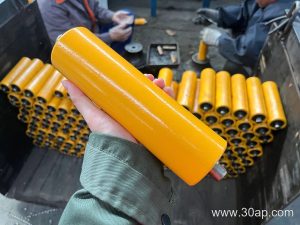
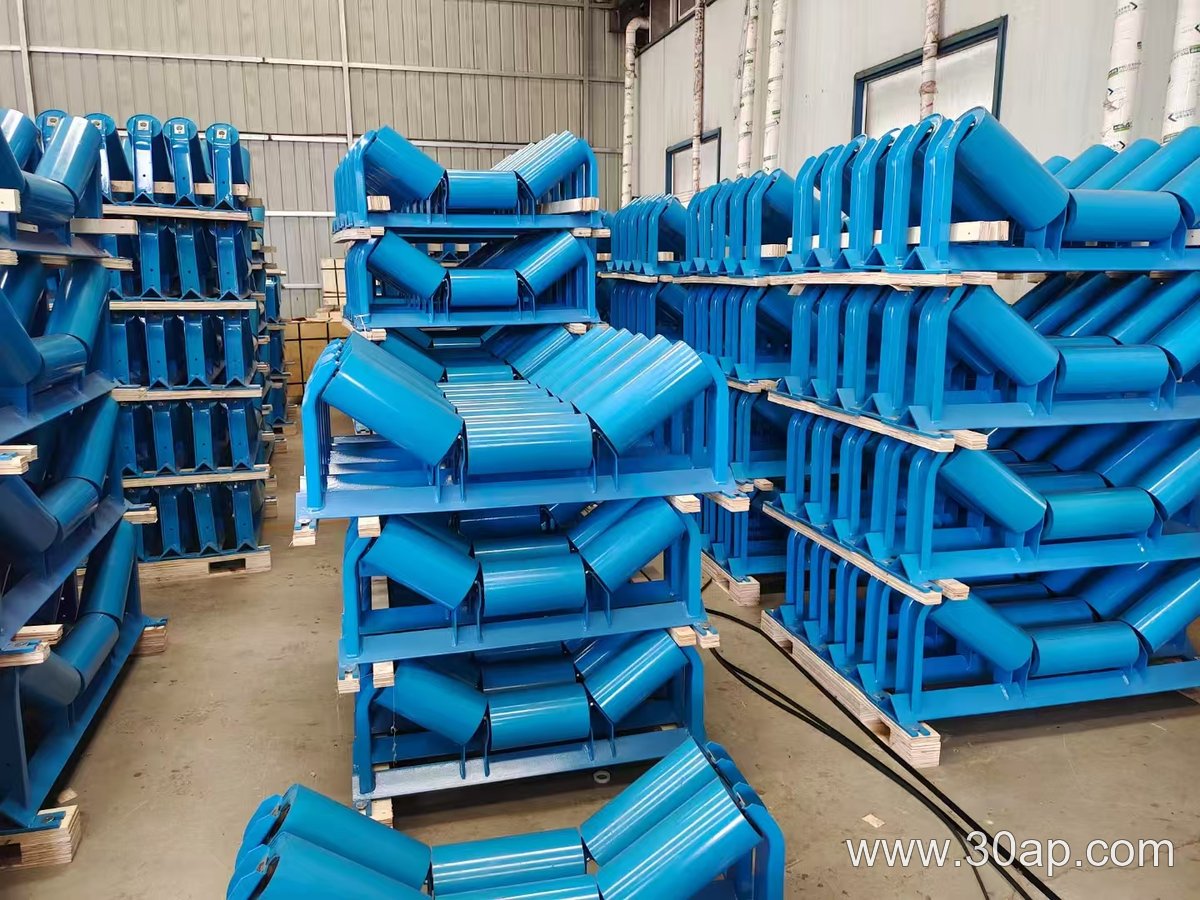
The idler roller is the unsung backbone of any belt conveyor system. It supports the belt and material load, reduces friction, and maintains belt alignment. Without properly selected idlers, even the strongest conveyor belt will suffer from premature wear, mistracking, and increased energy consumption.
Key Selection Criteria
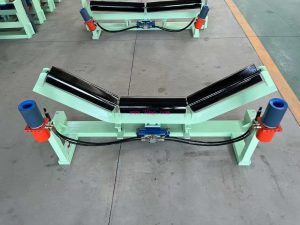
When purchasing an idler roller, focus on three essentials: shell thickness, bearing type, and seal effectiveness. Heavy-duty applications require thicker steel shells (≥4 mm) and sealed ball bearings rated for high radial loads. Also verify the idler’s trough angle—typically 20°, 35°, or 45°—to match your belt width and load profile.
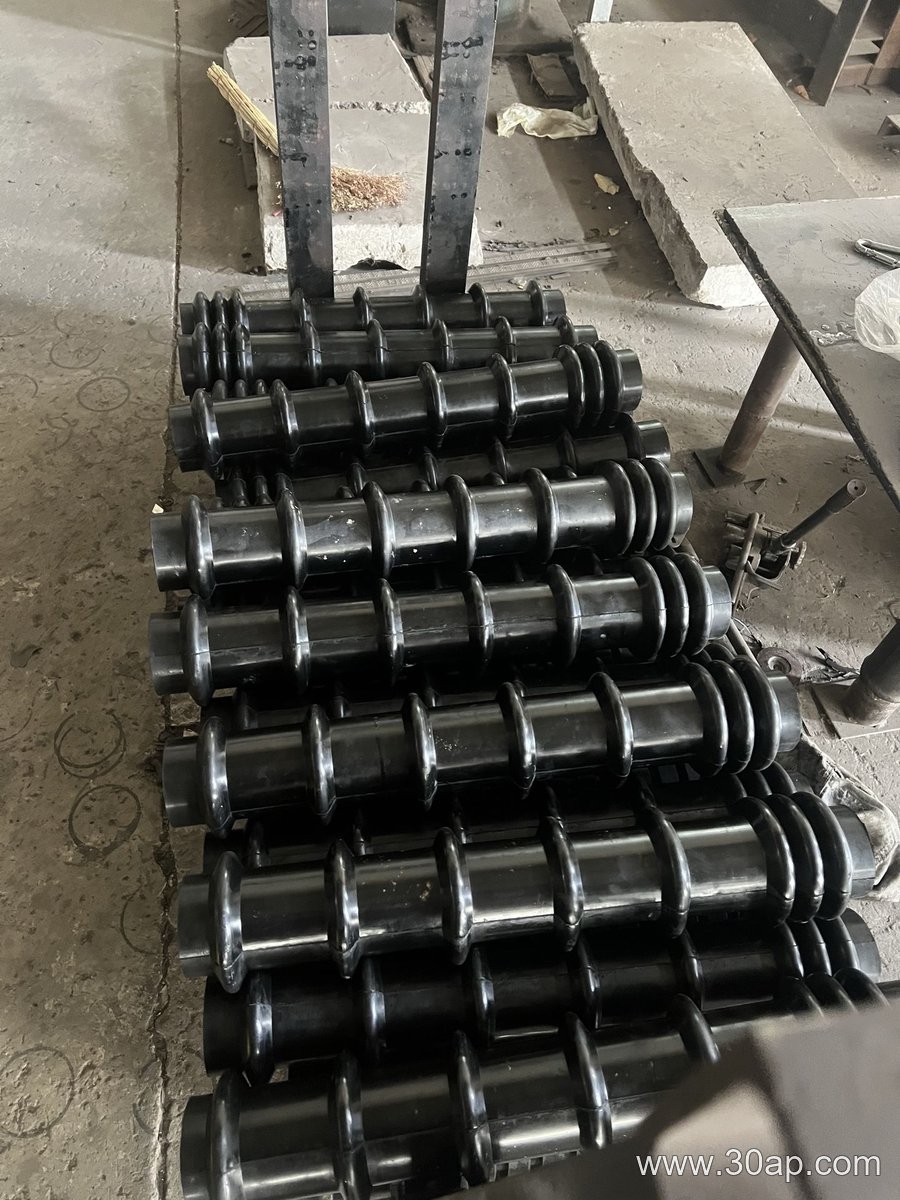
- Roller diameter: Larger diameters reduce belt sag and are ideal for long, high-speed conveyors.
- Frame material: Choose galvanized or stainless steel for corrosive or wet environments.
- Grease system: Central lubrication points simplify maintenance in multi-idler sections.
Purchasing Advice
Request a sample for a 500-hour trial before bulk ordering. Check that the roller’s runout is below 0.5 mm and that it operates quietly (<70 dB). Compare total cost of ownership—not just unit price—including expected service life (often 30,000–60,000 hours) and replacement downtime. Always buy from a manufacturer that provides a load capacity chart and a two-year warranty.
Understanding Conveyor Pulley Core Functions
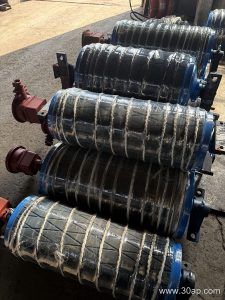
The conveyor pulley is the mechanical heart of any belt system, transmitting drive torque and maintaining belt tension. Its diameter, face width, and shaft configuration directly influence belt tracking, wear, and energy efficiency. Always match pulley crown profile to belt type to prevent edge stress.
Critical Material and Design Choices
Select steel grade based on load cycles—use C45 or S355 for high-impact zones. Lagging (ceramic or rubber) improves friction and reduces slippage in wet or dusty environments. For abrasive materials, specify a thicker shell (≥10 mm) and sealed bearings with grease relief.
Purchasing and Maintenance Advice
- Verify dynamic balancing (ISO 1940 G6.3 or better) to avoid vibration at operating speeds.
- Check shaft deflection limits: max 0.5 mm per meter between bearing centers.
- Request finite element analysis (FEA) report for end-disc welding stress hot spots.
- Order spare pulleys with identical keyway and bore tolerances for quick changeout.
- Inspect pulley face runout monthly—do not exceed 0.2 mm for belt speeds above 3 m/s.
For long-term value, prioritize pulleys with replaceable bushings and bolt-on lagging. Insist on a manufacturer warranty covering weld failure and shell fatigue. Correct pulley selection cuts downtime by up to 40%.