What a Heavy-Duty Steel Conveyor Bracket Does on a Conveyor Line
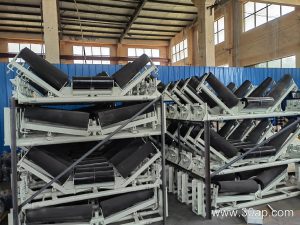
A heavy-duty steel conveyor bracket is the structural support that holds the idler roller assemblies at the correct position and angle under the conveyor belt. It is not a wear part in the usual sense, but it carries the load transferred through the rollers and keeps the belt profile stable from the loading point to the discharge. In a quarry conveyor line or a cement plant transfer house, a weak bracket shows up quickly as roller misalignment, belt wander, and uneven wear on the belt cover.
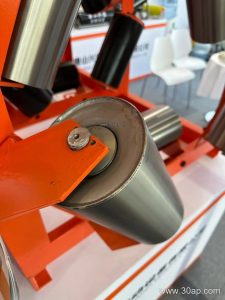
The bracket works together with the rest of the conveyor hardware. The conveyor belt sits on the rollers, the rollers sit in the bracket, and the bracket is fixed to the conveyor frame. When the bracket is rigid and correctly set, the belt runs true and the idler roller turns freely under load.
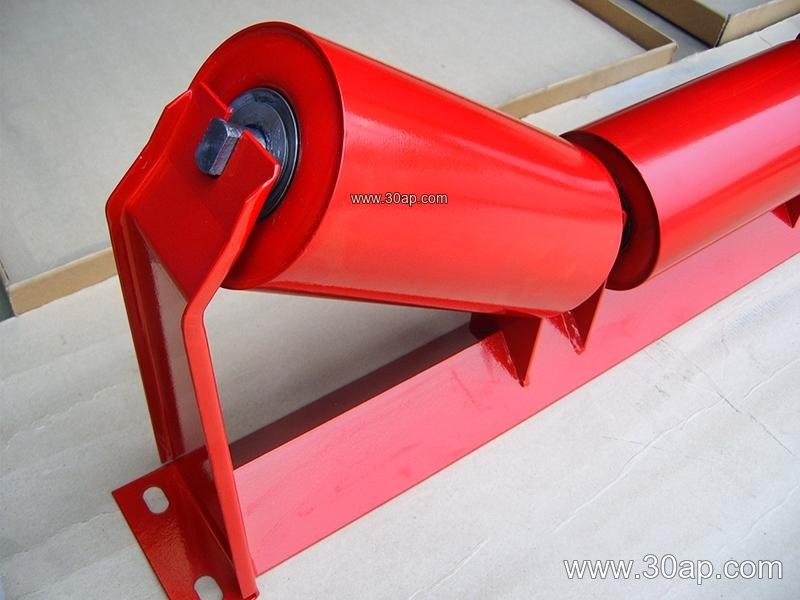
How the Bracket Is Built
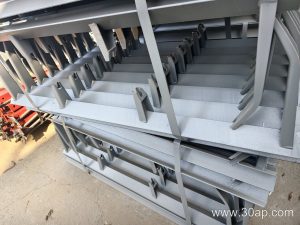
Most heavy-duty steel conveyor brackets are fabricated from angle steel, channel steel, or folded steel plate. The material grade and plate thickness are chosen according to the belt width, the load, and the spacing between frames. Welded joints are usually continuous at load-bearing points, and mounting holes are drilled or punched to match the frame and the roller shaft ends.
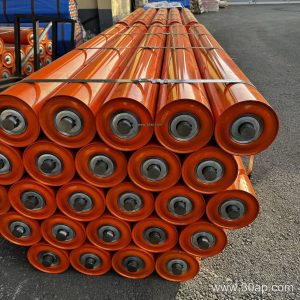
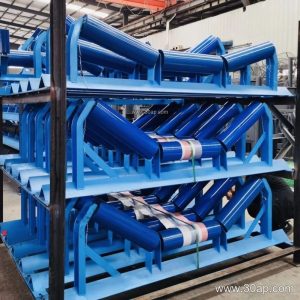
Common structural forms include fixed brackets with a set trough angle, and adjustable brackets that allow the angle to be changed on site. A typical selection might combine B800, 35 degrees, and Ø108 rollers, or B1200, 45 degrees, and Ø133 rollers, but the exact hole spacing and beam length are determined by the belt width and the trough angle, not by a single fixed number.
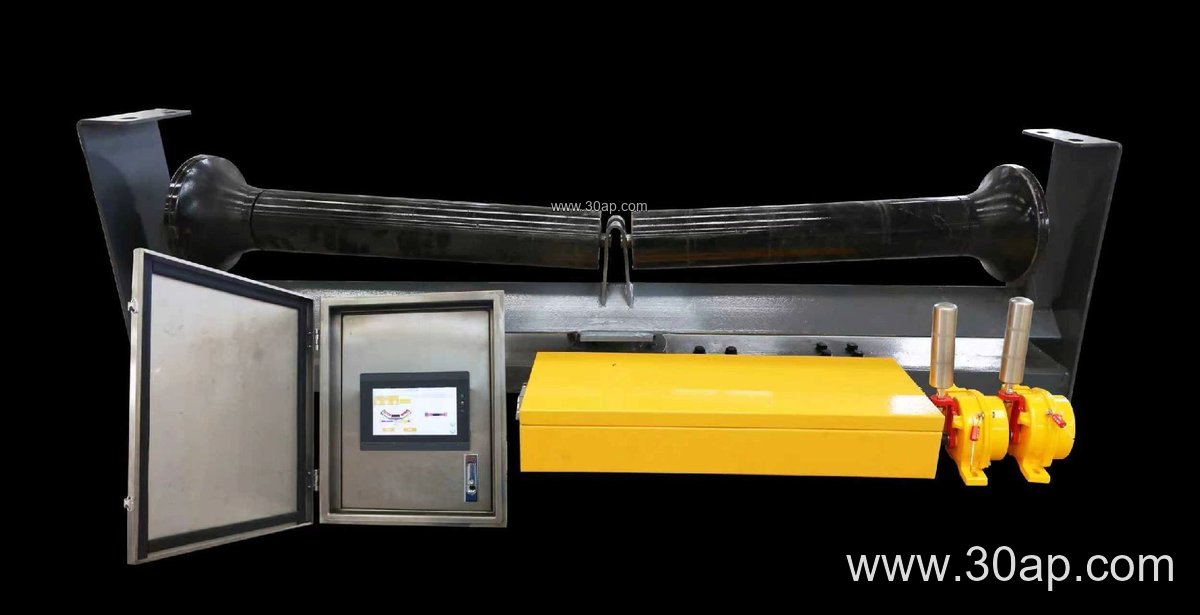
Typical bracket types and reference data
- Troughing bracket, upper run, fixed or adjustable angle
- Transition bracket near the tail and head pulleys
- Return bracket with flat or V-shaped roller arrangement
- Impact bracket under the loading chute
- Self-aligning bracket for belt tracking
Reference values that appear in project drawings include belt widths from B500 to B2200, trough angles of 20, 30, 35, and 45 degrees, and roller diameters of Ø89, Ø108, Ø133, Ø159, and Ø194. Forward-leaning brackets are often set at about 1.5 to 2 degrees. These figures are design references, not a fixed match between one belt width and one roller size.
Where It Fits in Bulk Handling
In a coal preparation plant, a heavy-duty steel conveyor bracket supports the upper troughing rollers on the raw coal belt and the return rollers underneath. The same component appears in a limestone quarry, on a crusher discharge belt, and in a power plant coal yard. On a steel plant sinter line, heat and dust put extra demand on the bracket and on the flame retardant conveyor belt running above it.
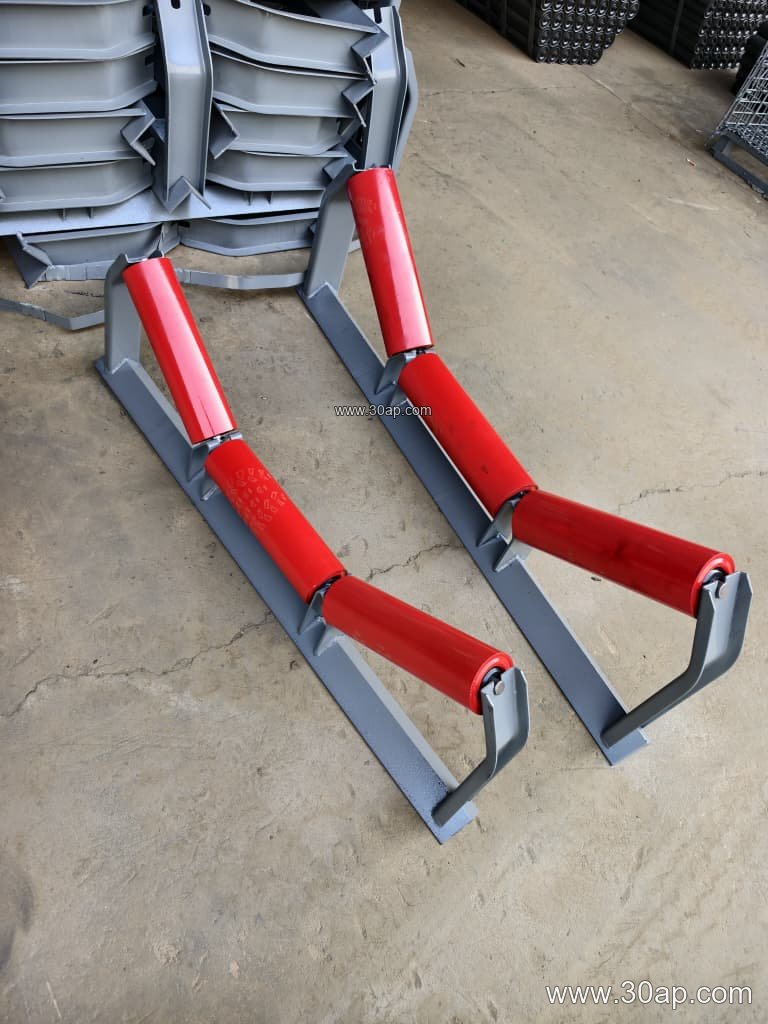
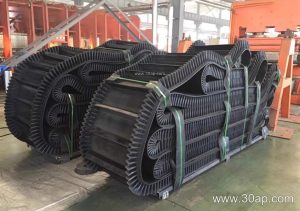
The bracket also matters on lines carrying an abrasion resistant conveyor belt in a sand and gravel plant, or a heat resistant conveyor belt in a cement kiln area. Where the belt is a steel cord conveyor belt on a long overland run, bracket alignment has a direct effect on belt tracking and splice life.
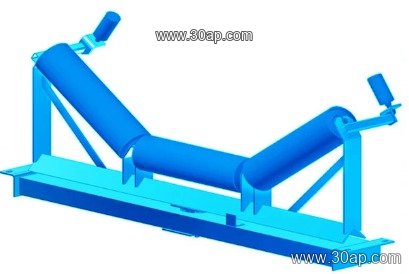
What Buyers Should Check Before Ordering
Start with the conveyor frame drawing. Confirm the belt width, the required trough angle, the roller diameter, and the mounting hole pattern. Check whether the line needs fixed or adjustable brackets, and whether the loading point calls for impact brackets. For a conveyor that carries a corrugated sidewall conveyor belt or a pipe conveyor belt, the bracket geometry is usually project-specific, so the drawing takes priority over a catalogue page.
Ask about steel grade, plate thickness, welding quality, and surface treatment. A galvanized or painted finish helps in wet or coastal conditions, but the coating should not fill the mounting holes. Also confirm that the bracket can accept the roller shaft ends actually supplied, since shaft fixing methods differ between roller makers.
Installation and Maintenance Notes
Set the brackets square to the belt centerline and at the same height across the frame. A string line or laser along the frame helps catch height differences that cause belt wander. Tighten fasteners to the specified torque and recheck after the first few days of running.
During routine inspections, look for loose bolts, bent bracket arms, and worn mounting holes. A bracket that has shifted will usually show up as a polished stripe on one side of the conveyor belt or as uneven idler roller wear. Replacing a bent heavy-duty steel conveyor bracket early is cheaper than replacing the belt it damages.