What a Port Belt Conveyor Pulley Does at the Terminal
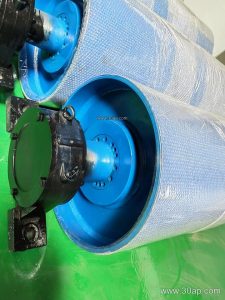
A port belt conveyor pulley is the cylindrical rotating component that drives or guides the conveyor belt in ship loading, stockyard and bulk material handling systems. At a marine terminal, one unloader or shiploader may run several hundred meters of belt through a series of pulleys, idler rollers and conveyor brackets, so each pulley has to match the duty of its position rather than being treated as a generic part. The same component is often called a conveyor drum or belt pulley, and buyers frequently ask for it by diameter and face width instead of a catalogue number.
Because port conveyors handle iron ore, coal, fertilizer, grain and cement clinker, the pulley must cope with abrasive dust, salt air and continuous shift operation. A pulley that is correctly sized and lagged keeps the belt tracking straight and reduces the risk of slip at the drive.
Construction and Surface Options
The core is usually a welded steel shell with end discs and a shaft, machined so the shell runs true. The shaft diameter is set by torque and bearing load, not by belt width alone, so a B1200 conveyor may use a different shaft than another B1200 line with a longer run or a steeper incline.
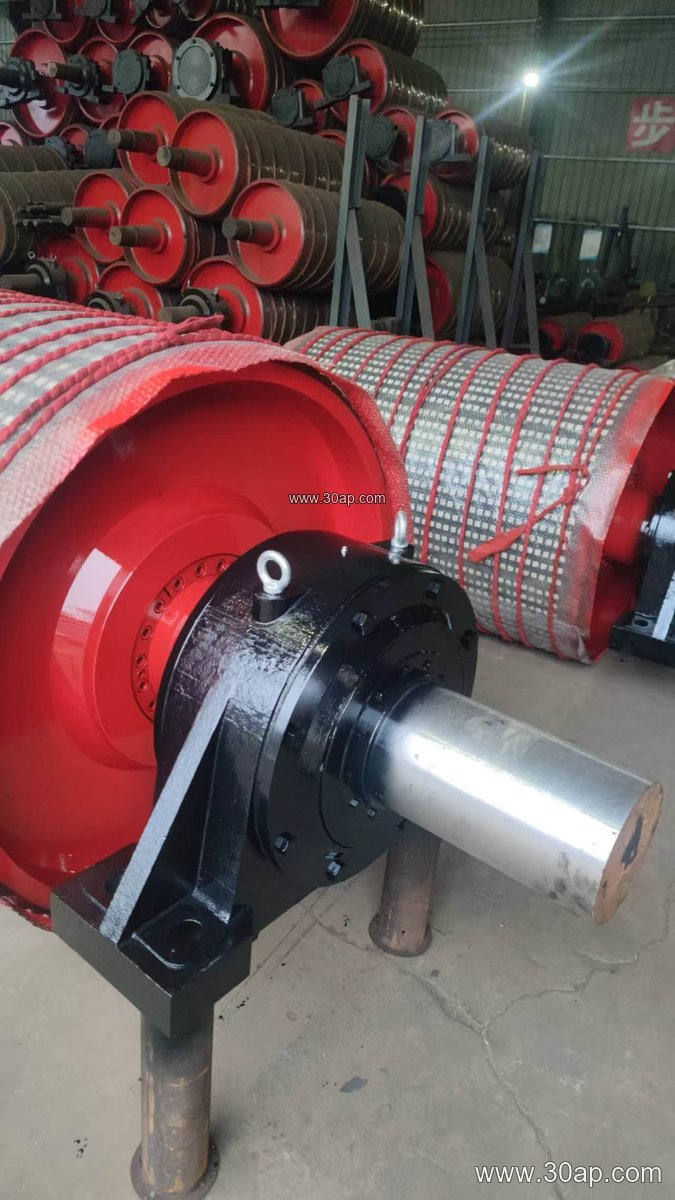
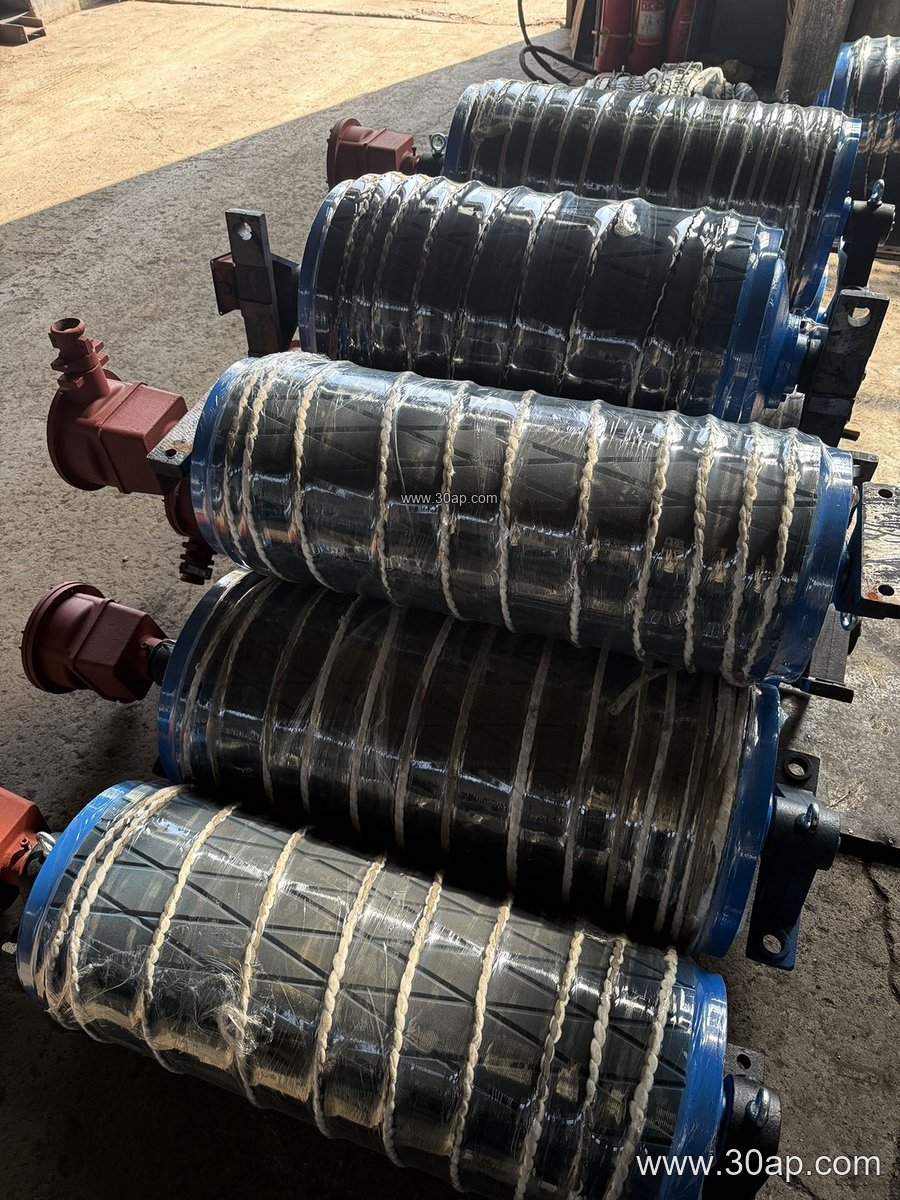
Surface finish matters as much as the shell. Common choices include plain finish, hot vulcanized rubber, cold bonded rubber, diamond lagging, herringbone lagging and ceramic lagging, with lagging thickness commonly 8, 10, 12, 15 or 20 mm. Diamond or herringbone patterns help shed water and fines, while ceramic tiles suit high slip risk on a ship loading conveyor. A drive pulley usually carries lagging; a bend or take-up pulley may run plain or lightly lagged.
| Parameter | Common reference values |
|---|---|
| Belt width | B650, B800, B1000, B1200, B1400, B1600, B1800 |
| Pulley diameter | Ø315, Ø400, Ø500, Ø630, Ø800, Ø1000, Ø1250 |
| Shaft diameter | Ø80, Ø100, Ø120, Ø140, Ø160, Ø180 |
| Face width (example) | B800 about 950 mm, B1200 about 1400 mm, B1400 about 1600 mm |
| Lagging thickness | 8, 10, 12, 15, 20 mm |
Combinations such as B800 × Ø500 or B1200 × Ø1000 appear in terminal projects, but they are design examples rather than fixed pairings.
Where It Sits in the Conveyor Line
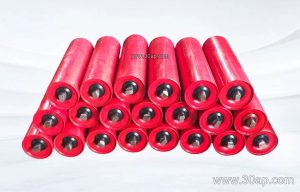
Position defines the subtype, and these names are not interchangeable. A drive pulley transmits power; a tail pulley returns the belt at the loading end; a bend pulley changes direction without driving; a take-up pulley maintains tension; a snub pulley increases wrap angle on the drive. In a coal mining conveyor or an ore conveyor, the head pulley often works with a heavy-duty mining conveyor belt and a set of impact idler rollers under the loading chute.
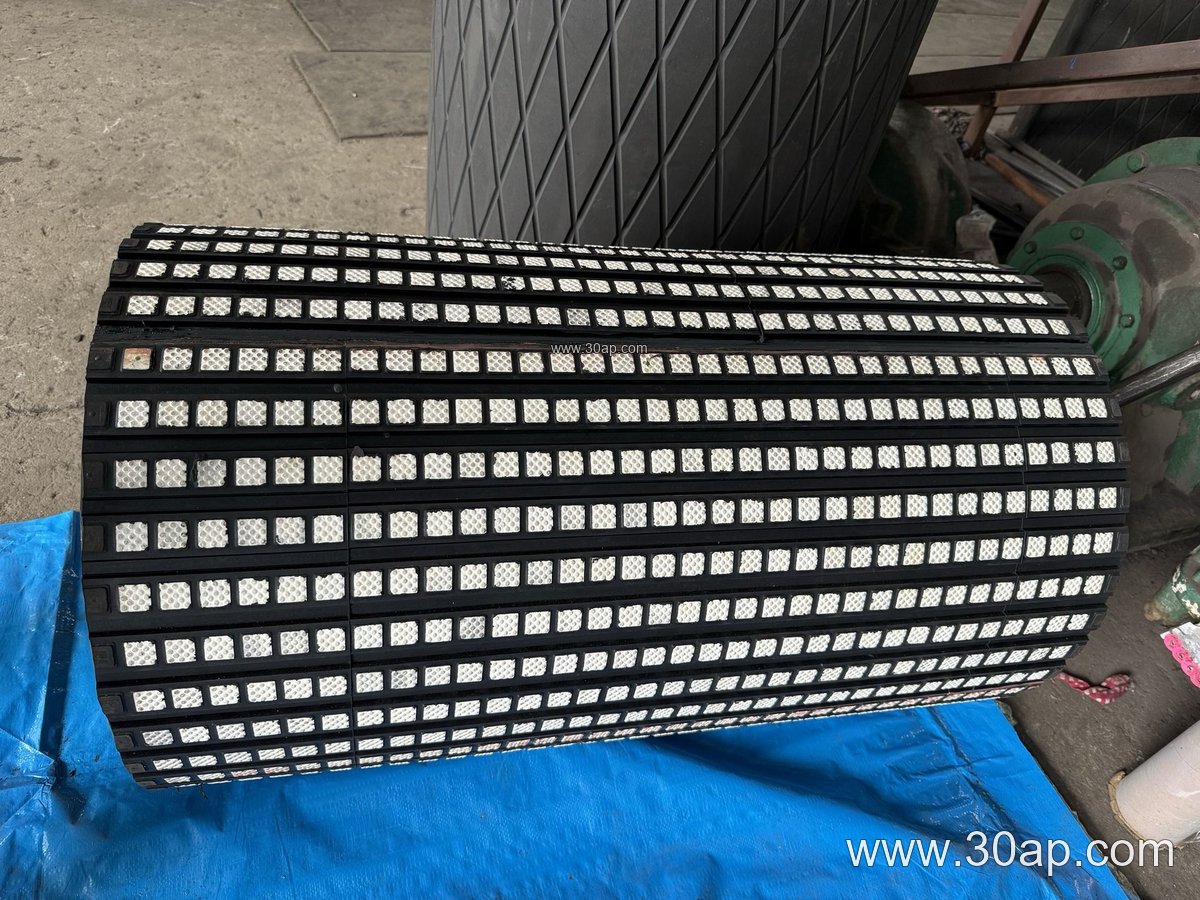
Port layouts typically use large diameter drive pulleys at the shiploader boom and smaller bend pulleys along the transfer towers. For abrasive cargo such as iron ore or copper ore, an abrasion resistant conveyor belt paired with ceramic lagging gives better grip than a plain shell. Where the belt carries hot clinker or sinter, a heat resistant conveyor belt and a pulley rated for elevated temperature are chosen together.
Matching the Pulley to the Belt and the Cargo
Belt construction affects pulley choice. A steel cord conveyor belt is stiff and needs a larger diameter to limit bending stress, while an EP conveyor belt or NN conveyor belt tolerates tighter wraps. A pipe conveyor belt or corrugated sidewall conveyor belt may call for a specific pulley face and guide arrangement. Flame retardant conveyor belt is common in underground coal mining conveyor systems, and anti-static conveyor belt is used where dust ignition is a concern.
For general terminal duty, an EP rubber conveyor belt such as EP100 or EP200 may run with a mid-size drum, while a high strength conveyor belt on a long overland section needs a heavier shaft and bearing housing. Chevron conveyor belt and skirted conveyor belt are less common at the shiploader but appear on incline transfers feeding the stockyard.
- Check belt tension and required wrap angle before fixing drive pulley diameter.
- Confirm lagging type against cargo: abrasive ore, wet coal, or food grade grain.
- Verify shaft size from torque and bearing load, not from belt width alone.
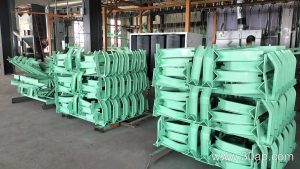
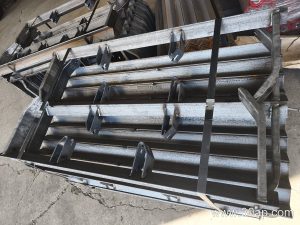
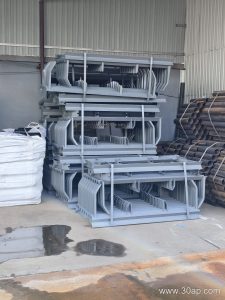
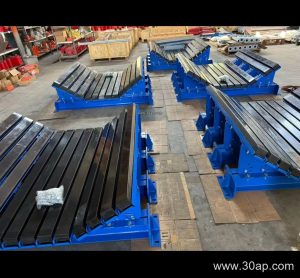
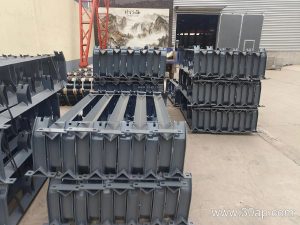
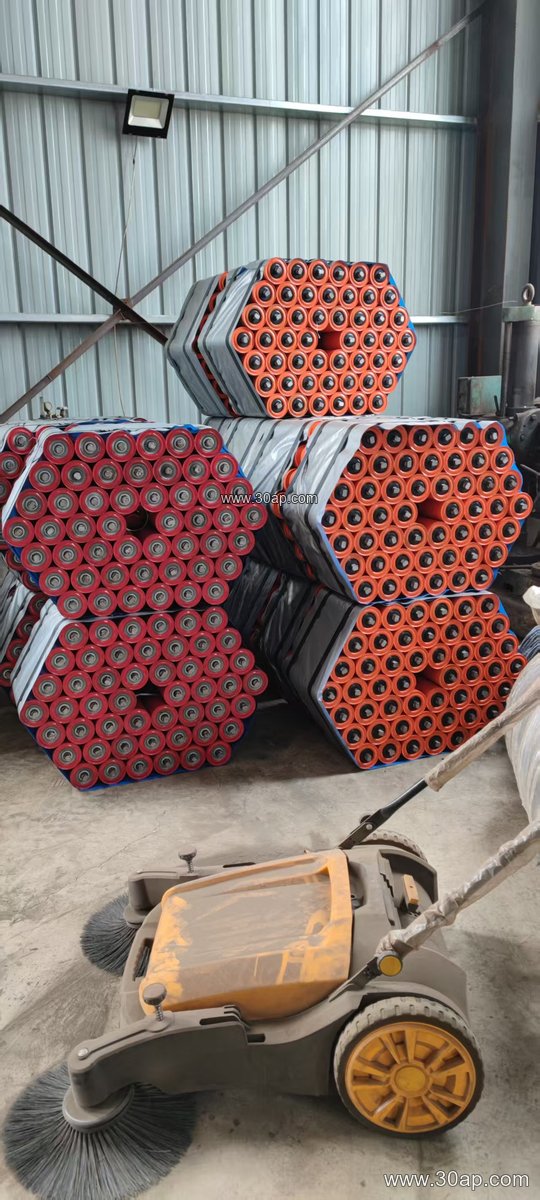
- Keep spare conveyor brackets and idler roller sets for fast changeovers.
Buyer Checklist
Ask for a drawing showing shell diameter, face width, shaft diameter, bearing type and lagging pattern. Confirm whether the pulley is a drive, tail, bend or take-up unit, because a tail pulley cannot replace a drive pulley. State the belt type, for example a flame retardant conveyor belt or an oil resistant conveyor belt, and the ambient conditions at the berth. Finally, check that the face width exceeds the belt width and that the lagging thickness suits the slip risk of the application.