What a Power Plant Conveyor Belt Does
A power plant conveyor belt is the load-carrying element of a bulk handling system that moves coal, limestone, biomass, ash and other fuels or residues between stockpiles, crushers, bunkers and boilers. In a coal-fired or biomass-fired station, the belt is exposed to abrasive material, elevated temperatures, and in some yards, dust that can create fire risk. The belt therefore has to combine tensile strength with cover compounds matched to the actual duty. Buyers often describe the same item as a power station conveyor belt or a fossil fuel plant conveyor belt; these are equivalent names for the same product.
Construction of the Belt Body
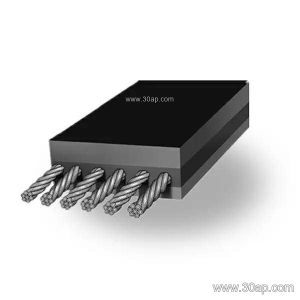
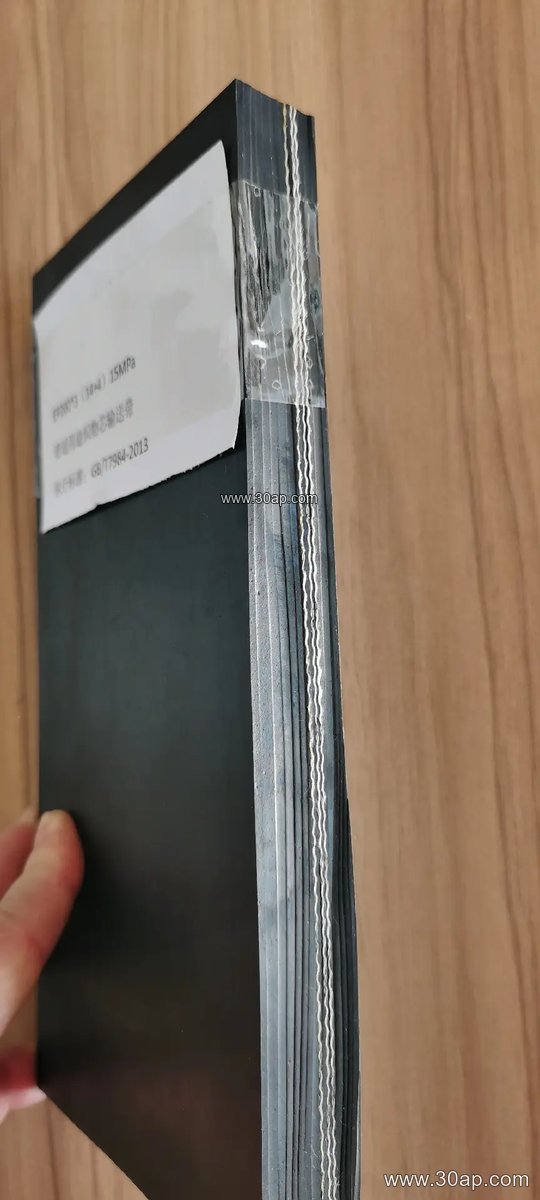
The carcass carries the tension. Fabric-reinforced constructions such as EP Conveyor Belt and NN Conveyor Belt use polyester or nylon plies, and a Multi-Ply Fabric Core Conveyor Belt is common in medium-duty coal handling lines. Where the duty is long, inclined or high-tonnage, a Steel Cord Conveyor Belt provides higher strength in a thinner profile. Cover rubber protects the carcass from wear, heat and moisture. Common cover gauges include 4+2 mm, 5+2 mm, 6+2 mm and 8+3 mm, while 3+1.5 mm appears on lighter service. Carcass ply counts typically run from 2 to 6 layers on fabric types.
Matching the Belt to Plant Conditions
Coal yards, bunker feed lines and transfer houses call for different properties. A Flame Retardant Conveyor Belt or Fire Resistant Conveyor Belt is frequently specified for enclosed galleries and underground sections. Ash and clinker lines benefit from an Abrasion Resistant Conveyor Belt, while hot material from a boiler or dryer may need a Heat Resistant Conveyor Belt or High Temperature Conveyor Belt. Dusty service can justify an Anti-Static Conveyor Belt. In cold climates, a Cold Resistant Conveyor Belt keeps covers flexible; where oil or fuel contamination is possible, an Oil Resistant Conveyor Belt limits swelling.
Typical Strength and Width Ranges
Fabric grades are commonly quoted as EP200, EP315, EP400, EP500, EP630, EP800, EP1000 and higher. Steel cord grades follow a different scale, for example ST1000 or ST1600. Belt widths usually range from B500 and B650 up to B1800 and B2000, with 1000mm Conveyor Belt and 1200mm Conveyor Belt sizes widely seen in main coal lines. The table below groups common references; actual values are set by the conveyor design.
- Fabric core types: EP200, EP315, EP400, EP500, EP630, EP800, EP1000
- Steel cord types: ST1000, ST1250, ST1600, ST2000
- Belt widths: B500, B650, B800, B1000, B1200, B1400, B1600, B1800, B2000
- Cover gauges: 3+1.5 mm, 4+2 mm, 5+2 mm, 6+2 mm, 8+3 mm
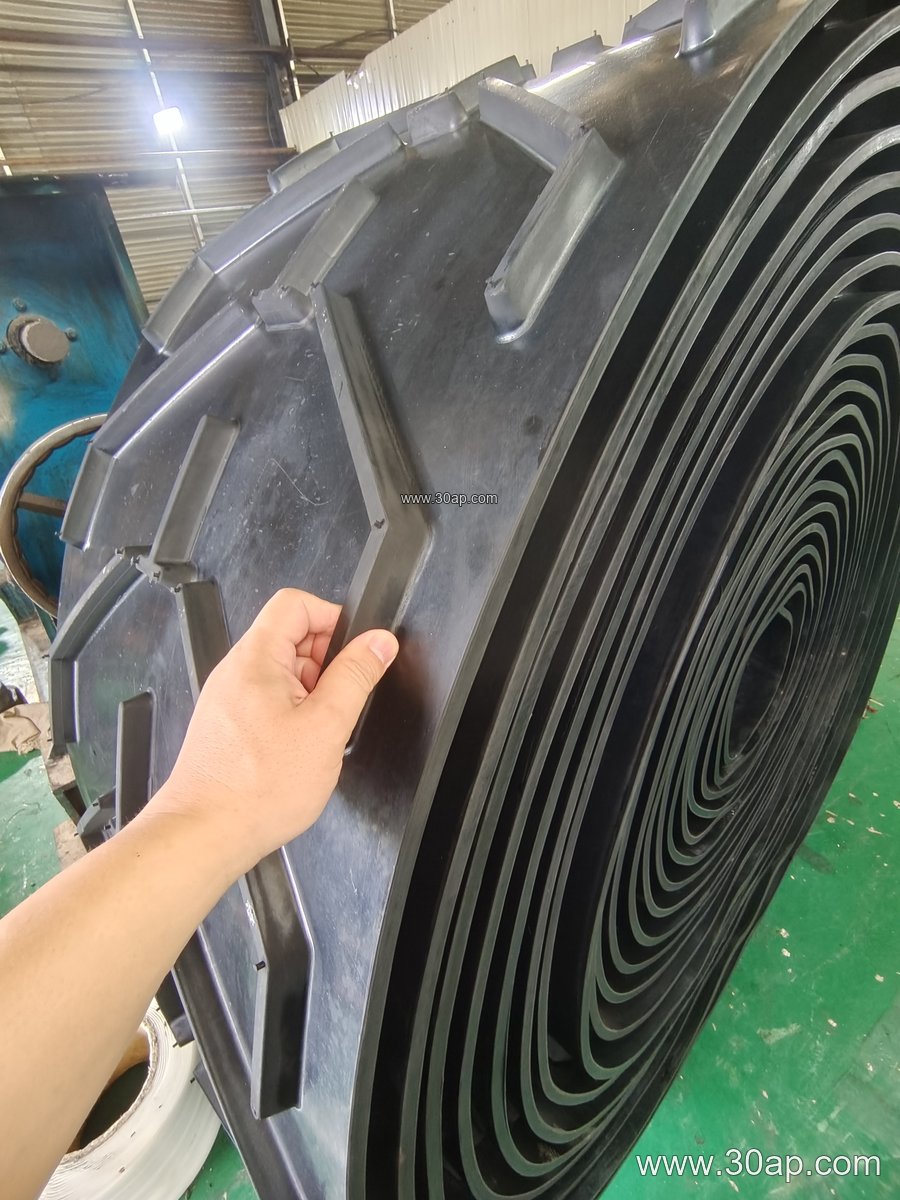
- Special forms: Chevron Conveyor Belt, Corrugated Sidewall Conveyor Belt, Skirted Conveyor Belt
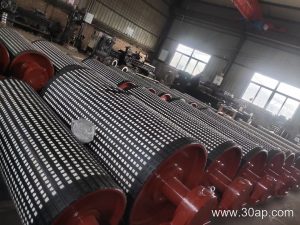
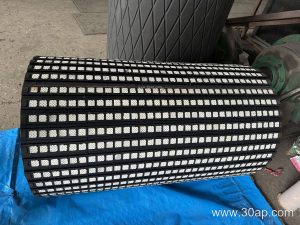
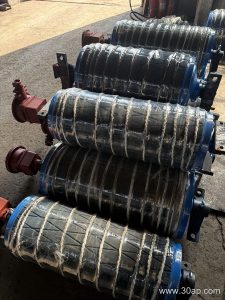
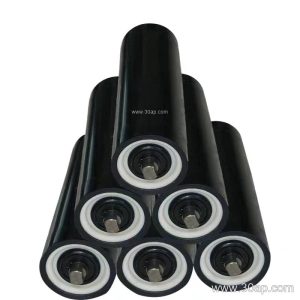
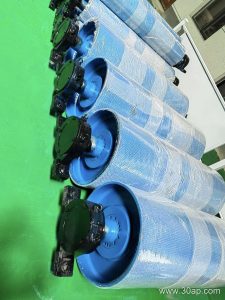
A belt width does not dictate a single pulley diameter; drive pulleys, tail pulleys and bend pulleys are each sized from tension, wrap angle and shaft load, and they are separate components rather than interchangeable names. Idler roller spacing and conveyor bracket layout also influence belt support and training.
Where the Product Fits in the Plant
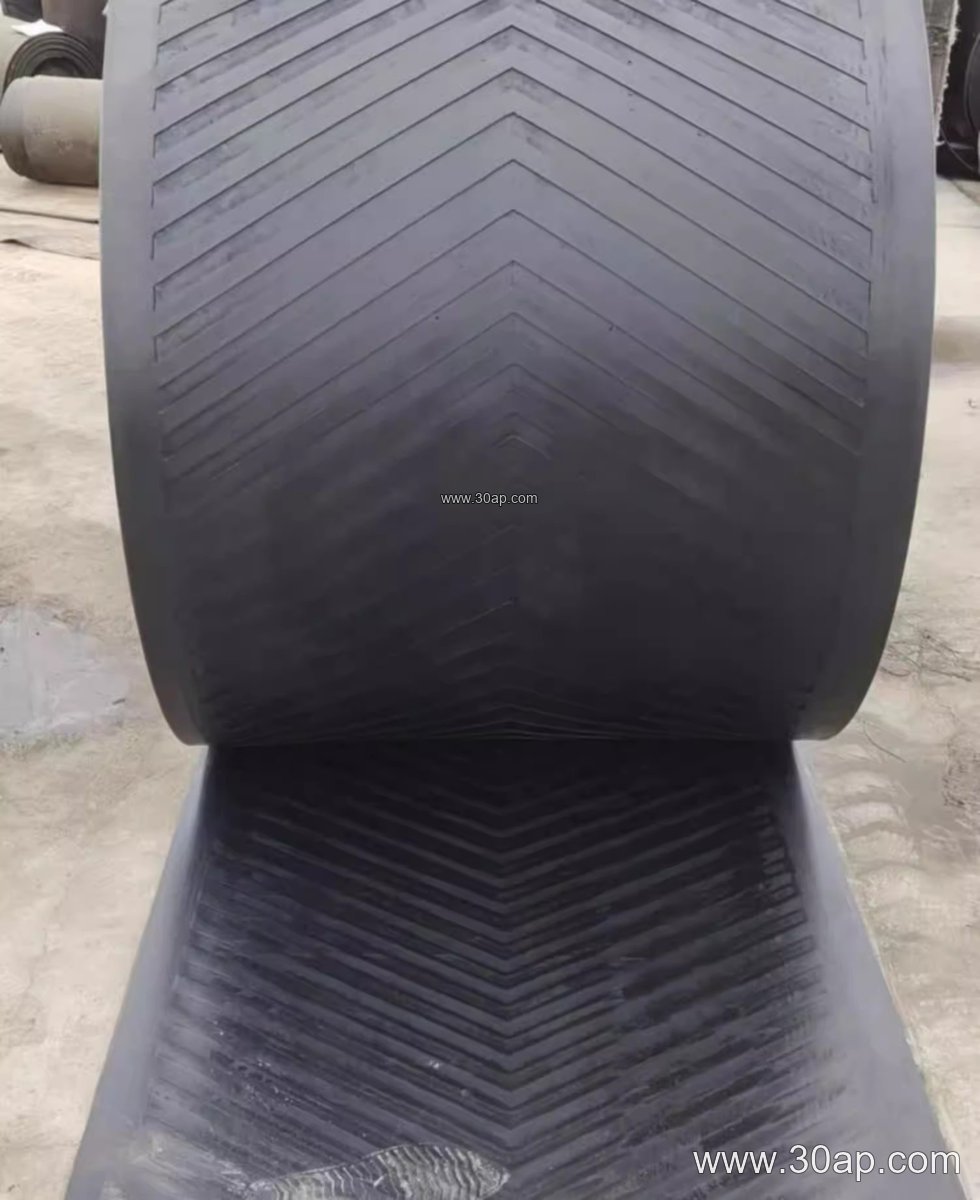
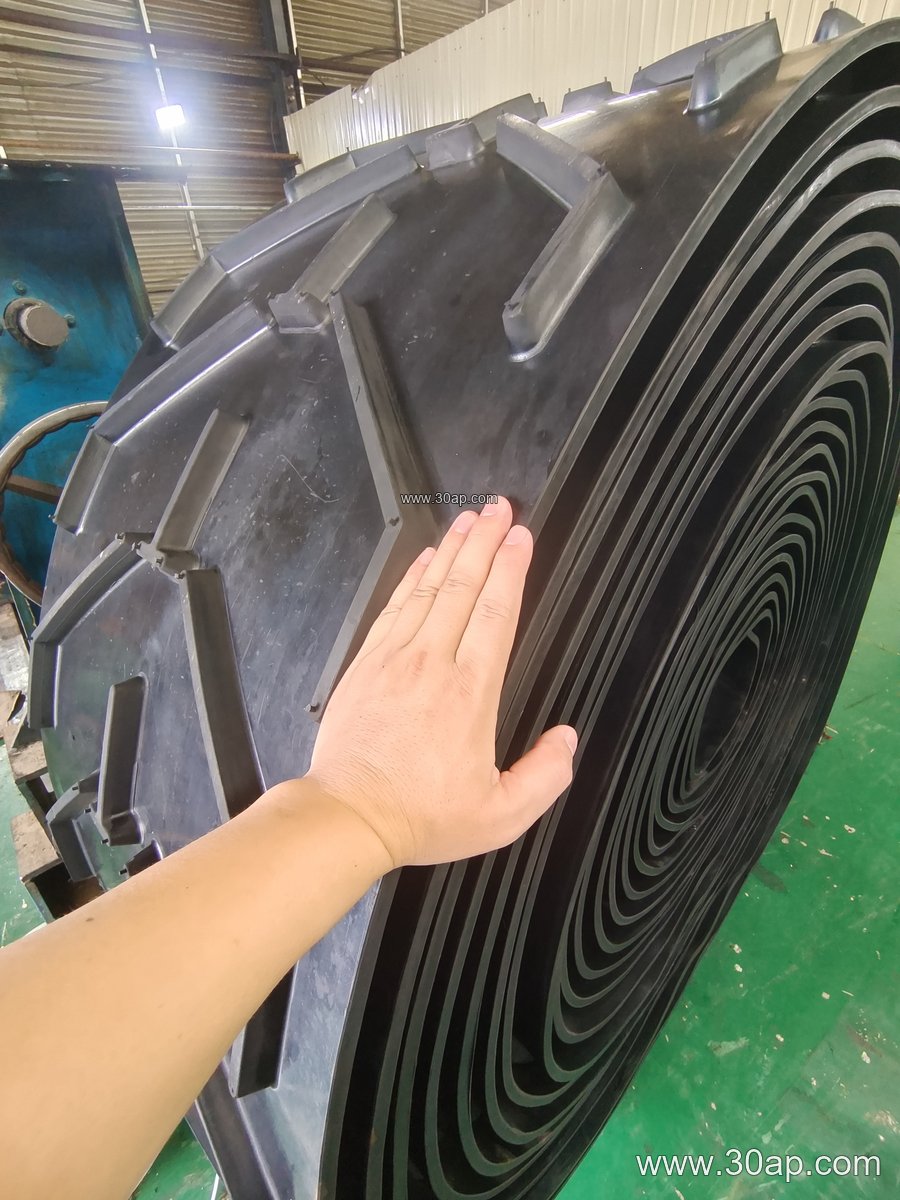
Coal Mining Conveyor Belt lines, Cement Plant Conveyor Belt circuits and Quarry Conveyor Belt runs share many of the same carcass families, yet the cover choice changes. A Crusher Conveyor Belt sees impact and sharp edges, an Ore Conveyor Belt may face wet and heavy lumps, and a Port Conveyor Belt handles ship-loading surges. In power stations, the main coal conveyor, the ash conveyor and the limestone feed conveyor may each use a different specification even when they look similar. For steep inclines, a Chevron Conveyor Belt or a Corrugated Sidewall Conveyor Belt can replace a plain belt where material would otherwise slide back.
Buyer Checklist
- Confirm material, lump size, temperature and moisture before choosing covers.
- State the required tensile grade and ply count rather than only the belt width.
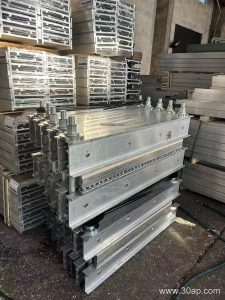
- Ask for the splice method and whether an Endless Conveyor Belt is required.
- Check flame and anti-static requirements for enclosed or underground routes.
- Review pulley, idler roller and bracket data together with the belt specification.
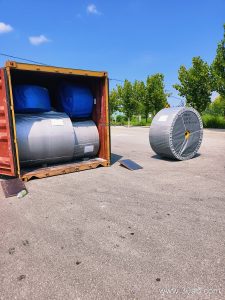
- Keep spare belt stored away from heat, oil and direct sunlight.
Information on this page is descriptive only, and final specifications should be confirmed against the engineering design for each conveyor.